Symphyotrichum cordifolium (Blue Wood Aster): The Ultimate Plant Guide
Plants play a crucial role in our environment, providing beauty, sustenance, and ecological balance. One such plant that holds significant value is the Symphyotrichum cordifolium, commonly known as the Blue Wood Aster. This resilient and visually captivating plant has much to offer, from its aesthetic appeal to its ecological importance. In this comprehensive guide, we will explore the various facets of Symphyotrichum cordifolium, from its characteristics and habitats to its ecological significance and cultural uses.

What is Symphyotrichum cordifolium (Blue Wood Aster)?
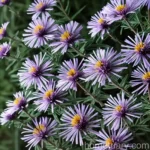
Symphyotrichum cordifolium, known as the Blue Wood Aster, is a native North American perennial that belongs to the Asteraceae family. This herbaceous plant typically grows in a clump formation and is renowned for its elegant aster-like flowers and heart-shaped leaves. Blue Wood Aster is a reliable and adaptable plant that thrives in a variety of environments, making it a popular choice for gardeners and nature enthusiasts alike.
Key Takeaways – Symphyotrichum cordifolium (Blue Wood Aster)
Before delving into the specifics of the Blue Wood Aster, let’s take a look at an overview of the key takeaways regarding this remarkable plant.
- Scientific Name: Symphyotrichum cordifolium
- Common Name: Blue Wood Aster
- Family: Asteraceae
- Native Habitat: North America
- Plant Type: Herbaceous Perennial
- Flower Color: Blue to Violet
- Foliage: Heart-shaped
- Sunlight Requirements: Partial to Full Sun
- Watering Needs: Moderate
- Soil Type: Well-draining
- Blooming Season: Late Summer to Early Fall
- Special Features: Wildlife Attractant, Medicinal Uses
Now that we have a general understanding of what the Blue Wood Aster encompasses, let’s delve deeper into its characteristics, cultivation, uses, and maintenance.
Culture
The culture of Symphyotrichum cordifolium encompasses not only its growth habits and environmental preferences but also its historical and contemporary significance in various societies. Let’s explore the cultural aspects of the Blue Wood Aster.
Uses
The Blue Wood Aster holds cultural importance in various domains, including traditional medicine, ecological conservation, and horticulture.
Medicinal Uses
In traditional medicine, certain indigenous groups have utilized the Blue Wood Aster for its purported therapeutic properties. From herbal remedies to topical applications, the plant has been attributed with healing qualities.
Ecological Significance
From an ecological perspective, Symphyotrichum cordifolium serves as a valuable resource for pollinators, wildlife, and overall biodiversity. Its nectar-rich flowers attract bees, butterflies, and other beneficial insects, contributing to the health of local ecosystems.
Horticultural Value
In horticulture, the Blue Wood Aster is cherished for its ornamental appeal, making it a desirable addition to gardens, naturalistic landscapes, and wildflower meadows. Its adaptability and low maintenance requirements further enhance its appeal to gardeners and landscapers.
Care
Caring for Symphyotrichum cordifolium involves understanding its specific requirements in terms of water, sunlight, soil, and maintenance practices. Let’s delve into the essential aspects of caring for the Blue Wood Aster.
Water
The Blue Wood Aster exhibits moderate water needs, preferring consistently moist but well-draining soil. Adequate hydration is crucial, especially during the plant’s establishment phase and periods of prolonged drought.
Sunlight
In terms of sunlight, Symphyotrichum cordifolium thrives in partial to full sun conditions. A minimum of 4-6 hours of direct sunlight per day is beneficial for healthy growth and abundant flowering.
Fertilizer
Fertilization needs for the Blue Wood Aster are minimal, as excessive nutrients can lead to excessive foliage growth at the expense of flowers. A light application of balanced fertilizer in early spring can support the plant’s overall vigor.
Soil
The Blue Wood Aster prefers loamy, well-draining soil with a slightly acidic to neutral pH. Amending heavy clay soils with organic matter can improve drainage and nutrient retention, creating an optimal growing medium for the plant.
Pruning
Pruning practices for Symphyotrichum cordifolium primarily involve deadheading spent flowers to encourage prolonged blooming and prevent self-seeding. Additionally, cutting back the plant in late winter or early spring can promote a more compact and robust growth habit.
Propagation
The propagation of Symphyotrichum cordifolium can be achieved through various methods, including division, seeds, and cuttings. Understanding these propagation techniques is essential for expanding the presence of the Blue Wood Aster in gardens and natural settings.
Division
Dividing mature Blue Wood Aster clumps in early spring allows for the creation of new plants while rejuvenating established ones. Care should be taken to ensure that each division possesses viable roots and shoots for successful establishment.
Seeds
Collecting and sowing Blue Wood Aster seeds can be an effective means of propagation, especially for gardeners interested in growing new plants from scratch. Sowing seeds in a prepared seedbed or containers in a greenhouse setting promotes germination and subsequent growth.
Cuttings
Taking stem cuttings from healthy Blue Wood Aster plants and rooting them in a suitable propagation medium is another viable method of propagation. Adequate moisture, warmth, and rooting hormone application can enhance the success rate of this propagation technique.
Container Popularity
The Blue Wood Aster’s adaptability and ornamental appeal make it a popular choice for container gardening, allowing individuals with limited space to enjoy its beauty and ecological benefits. When considering container cultivation of Symphyotrichum cordifolium, several factors should be taken into account.
Container Common Diseases
While container cultivation can minimize certain soil-borne diseases, the Blue Wood Aster may still be susceptible to issues such as root rot and powdery mildew under certain conditions. Proper container selection, well-draining soil, and attentive watering practices can mitigate disease risks.
Disease Diagnosis
Diagnosing diseases in container-grown Blue Wood Aster involves observing symptoms such as wilting, discoloration, and abnormal growth. Prompt action, including adjusting watering habits and applying appropriate treatments, can aid in disease management.
Common Pests
Container-grown Symphyotrichum cordifolium may face pests such as aphids, caterpillars, and mites, which can compromise the plant’s health and aesthetics. Regular monitoring and implementing integrated pest management strategies can help in pest control.
Botanist’s Tips
As a plant scientist, I would like to offer some valuable tips for cultivating and appreciating the beauty of Symphyotrichum cordifolium:
-
Companion Planting: Pair Blue Wood Aster with other late-blooming perennials to create visually striking and ecologically supportive plant communities. Species such as goldenrods, asters, and autumn sedums complement the Blue Wood Aster’s seasonal display and attract pollinators.
-
Naturalistic Landscaping: Incorporate the Blue Wood Aster into naturalistic garden designs, woodland edges, and pollinator-friendly landscapes to maximize its ecological contributions and aesthetic impact.
-
Seasonal Care: During the plant’s dormant phase in late fall to early spring, adequate mulching can provide insulation and protection, especially in regions with harsh winter conditions. This practice supports the Blue Wood Aster’s vigor and resilience.
Fun Facts
In addition to its utilitarian and horticultural value, the Blue Wood Aster harbors intriguing and captivating characteristics. Consider these captivating insights:
- The Blue Wood Aster’s specific epithet, “cordifolium,” references its heart-shaped leaves, adding a touch of botanical poetry to its nomenclature.
- The plant’s affinity for woodland edges and open woodlands has earned it the common name “Wood Aster,” reflecting its natural habitat preferences.
- Blue Wood Aster holds a revered place in mythology and folklore, often symbolizing sentiments of love, healing, and protection in various cultural traditions.
Links to External Resources
To further delve into the realm of Symphyotrichum cordifolium and its multifaceted attributes, consider exploring the following resources:
- USDA Plants Database: Symphyotrichum cordifolium
- The American Horticultural Society: Growing Asters
- University of Florida IFAS Extension: Blue Wood Aster Fact Sheet
In conclusion, the Symphyotrichum cordifolium, or Blue Wood Aster, emerges as a plant of immense value and allure, seamlessly blending ecological significance with horticultural charm. Its role as a wildlife attractant, medicinal resource, and ornamental treasure underscores its multifaceted appeal. From its delicate flowers to its cultural resonance, the Blue Wood Aster stands as a testament to the intricate beauty and ecological harmony that plants embody.
Planting and nurturing the Blue Wood Aster not only enhances gardens and landscapes but also contributes to the conservation of native flora and the promotion of biodiversity. As we embrace and celebrate the myriad virtues of Symphyotrichum cordifolium, we also recognize and honor the vital role of plants in sustaining and enriching our natural world.
References
- Standing, MD., “Symphyotrichum cordifolium” US Forest Service, 2019. [Online]. Available: https://www.fs.fed.us/wildflowers/plant-of-the-week/symphyotrichum_cordifolium.shtml. [Accessed: 10-Sep-2021].
- Dirr, M., Dirr’s Encyclopedia of Trees and Shrubs. “Timber Press, 2011.
- “Plant of the Week: Symphyotrichum cordifolium”, Wildflower Search, 2021. [Online]. Available: https://wildflowersearch.org/search?oldstate=name&byname=Symphyotrichum%20cordifolium. [Accessed: 10-Sep-2021].