Doellingeria umbellata (Flat-Topped White Aster): A Comprehensive Guide
Doellingeria umbellata, commonly known as Flat-Topped White Aster, is a beautiful and versatile plant that belongs to the Asteraceae family. This perennial herbaceous plant is native to North America and is cherished for its attractive white flowers and its ecological significance. In this comprehensive guide, we will delve into the culture, uses, care tips, and much more about Doellingeria umbellata.
What is Doellingeria umbellata (Flat-Topped White Aster)?
Doellingeria umbellata, also referred to as the Flat-Topped White Aster, is a species of herbaceous plant that is native to North America. It is a member of the Asteraceae family, which includes a vast array of flowering plants.
Doellingeria umbellata Characteristics
- Plant Height: Typically, Doellingeria umbellata grows up to 3 to 6 feet in height, with a spread of 1 to 3 feet.
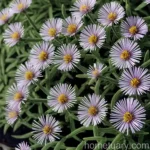
- Bloom Time: The Flat-Topped White Aster blooms from late summer to early fall, producing clusters of small, daisy-like white flowers.
- Habitat: It is commonly found in open woods, meadows, and along roadsides.
- Distribution: This species is distributed across North America, primarily in the eastern and central regions.
- Growth Habits: Doellingeria umbellata exhibits a clump-forming growth habit.
Key Takeaways – Doellingeria umbellata (Flat-Topped White Aster)
Let’s explore the key takeaways and essential aspects of Doellingeria umbellata, outlining its culture, uses, and essential care guidelines.
Culture
Cultivating Doellingeria umbellata requires careful attention to its water, sunlight, soil, and fertilizer needs.
Water
- Watering Needs: Flat-Topped White Aster plants thrive in moist, well-drained soil.
- Watering Frequency: During the growing season, regular watering is essential, ensuring the soil remains consistently moist but not waterlogged.
Sunlight
- Sun Exposure: These plants prefer full sun to partial shade.
- Sunlight Requirements: Provide at least 6 hours of direct sunlight per day for optimal growth and flowering.
Fertilizer
- Fertilization: Apply a balanced, slow-release fertilizer in spring to provide essential nutrients for healthy growth and abundant blooming.
- Frequency: Fertilize annually, ensuring that the fertilizer is well-distributed around the plant’s root zone.
Soil
- Soil Preferences: Doellingeria umbellata thrives in well-drained soil with a slightly acidic to neutral pH range.
- Soil Type: It adapts well to various soil types, including loamy, sandy, or clay soils.
Pruning
- Pruning Method: Deadheading spent flowers and removing any damaged or withered foliage promotes continuous blooming and helps maintain the plant’s overall appearance.
- Timing: Prune and deadhead as needed during the growing season, and perform a more significant cutback in late fall or early spring to rejuvenate the plant.
Propagation
- Propagation Methods: Flat-Topped White Aster can be propagated through division or seed.
- Division: Divide established clumps in early spring or late fall, ensuring that each division has sufficient roots and healthy growth points.
- Seed Propagation: Collect seeds after the flowering period and sow them in a prepared seedbed or containers for propagation.
Container Popularity
- Container Planting: Doellingeria umbellata can be effectively grown in large containers, providing an excellent option for patio gardens and urban landscapes.
- Container Size: Opt for containers with adequate depth to accommodate the plant’s root system and ensure proper drainage.
Common Diseases
- Fungal Diseases: Watch for signs of powdery mildew and leaf spot, particularly in humid conditions or during prolonged periods of rain.
- Preventive Measures: Provide good air circulation, avoid overhead watering, and apply fungicidal treatments if necessary.
Disease Diagnosis
- Symptoms: Look for patches of white powdery coating on the leaves and stems as an indicator of powdery mildew. In the case of leaf spot, observe irregularly shaped lesions with dark borders on the leaves.
Common Pests
- Insect Pests: Keep an eye out for aphids and spider mites, which may occasionally affect Flat-Topped White Aster plants.
- Control Measures: Use a strong stream of water to dislodge aphids, and apply insecticidal soap for effective control of spider mites.
Botanist’s Tips
- Wildflower Gardens: Incorporate Doellingeria umbellata in wildflower gardens to attract pollinators and provide a vibrant display of native flora.
- Eco-friendly Landscaping: Utilize the ornamental and ecological qualities of Flat-Topped White Aster for sustainable and wildlife-friendly landscaping projects.
Fun Facts
- Historical Significance: In traditional remedies and folklore, Flat-Topped White Aster has been used for various medicinal and cultural purposes.
- Wildlife Habitat: This plant contributes to habitat restoration and supports local ecosystems by providing food and shelter for beneficial wildlife.
White Aster in Gardens: Beauty and Benefits
Uses
Doellingeria umbellata presents several uses and benefits, extending from its ornamental value to its ecological contributions and traditional applications.
Ornamental Qualities
Flat-Topped White Aster enhances gardens and landscapes with its charming white flowers and moderate height. Its attractive blooms and foliage contribute to seasonal interest and complement a variety of garden designs.
Pollinator Attraction
As a native wildflower species, Doellingeria umbellata acts as an important pollinator plant, attracting bees, butterflies, and other beneficial insects. By incorporating it into gardens, it supports local pollinator populations and promotes biodiversity.
Medicinal Uses and Folklore
Historically, various indigenous cultures have utilized parts of the Flat-Topped White Aster for medicinal purposes, including treatments for different ailments. Additionally, this plant holds cultural significance in folklore and traditional practices, reflecting its enduring presence in human history.
Landscape Accents and Design Ideas
In garden design and landscaping, the Flat-Topped White Aster serves as an excellent accent plant, offering a touch of elegance and natural charm to outdoor spaces. Its graceful form and delicate flowers make it a valuable addition to diverse garden styles and themes.
Wildlife Benefits and Habitat Restoration
The ecological role of Doellingeria umbellata extends to its contribution to habitat restoration efforts. By enriching natural landscapes with this native plant, it facilitates the establishment of diverse ecosystems and supports the well-being of wildlife.
White Aster Care Tips: Cultivation and Gardening Guidelines
Eco-friendly Gardening Practices
Cultivating Doellingeria umbellata aligns with eco-friendly gardening principles, as it encourages the use of native plants and promotes sustainable landscaping approaches. By integrating this plant into outdoor spaces, gardeners can enhance biodiversity and create resilient natural habitats.
Sun Requirements
Flat-Topped White Aster thrives in full sun to partial shade, making it suitable for a wide range of garden settings. Its adaptability to varying light conditions enhances its versatility and makes it an attractive choice for different landscaping scenarios.
Soil Preferences and Hardiness Zones
This hardy perennial plant exhibits versatility in soil adaptation, tolerating different soil types as long as they are well-drained. Moreover, Doellingeria umbellata is suited to a range of hardiness zones, providing opportunities for cultivation in various regions.
Companion Plants and Wildflower Gardens
Incorporating White Aster into wildflower gardens and mixed plantings allows it to interact harmoniously with other native species, creating visually appealing displays and supporting local ecosystems. Choosing compatible companion plants further enhances the overall aesthetic and ecological value of the garden.
Drought Tolerance and Water Conservation
The resilience of Doellingeria umbellata extends to its ability to withstand periods of drought once established. This characteristic underscores its potential for water-conserving landscaping and affirms its role in sustainable garden design.
External Resources and Continued Learning
For those eager to delve deeper into the world of Doellingeria umbellata and expand their knowledge of White Aster plants, the following external resources offer valuable insights and opportunities for further exploration:
-
Botanical Studies: Engage in botanical studies and research to gain a comprehensive understanding of the taxonomy, morphology, and ecological significance of Doellingeria umbellata. Botanical journals, publications, and academic sources provide credible information for avid learners and researchers.
-
Gardening and Landscaping Guides: Explore gardening and landscaping guides that feature diverse plant species, including White Aster. These resources offer practical advice and creative ideas for incorporating Flat-Topped White Aster into outdoor projects and sustainable garden designs.
-
Wildflower Conservation and Habitat Restoration: Dive into materials and resources dedicated to wildflower conservation, habitat restoration, and ecological landscaping. Discover how Doellingeria umbellata contributes to native plant initiatives and environmental preservation efforts.
-
Medicinal Plant Studies and Ethnobotany: Delve into the realm of medicinal plant studies and ethnobotanical research to uncover the traditional uses, folklore, and cultural significance of Doellingeria umbellata. Academic publications, ethnobotanical databases, and scholarly works provide valuable insights into the medicinal and cultural aspects of this plant.
-
Photography and Floral Arrangements: Explore the artistic side of White Aster plants through photography and floral arrangements. Delight in captivating images of Flat-Topped White Aster in its natural habitat and embrace the beauty of its delicate flowers in stunning floral compositions.
By utilizing these external resources and embarking on a journey of continuous learning, plant enthusiasts, gardeners, and researchers can deepen their appreciation for Doellingeria umbellata and its multifaceted attributes.
In conclusion, Doellingeria umbellata, or Flat-Topped White Aster, represents a captivating and ecologically significant plant species with a rich tapestry of uses, cultural relevance, and ornamental appeal. Its presence in gardens, natural landscapes, and conservation initiatives underscores its enduring value and embodies the intricate relationship between plants, people, and the environment.
As we embrace the beauty and benefits of Doellingeria umbellata, let us also recognize the importance of preserving and celebrating native plant species, honoring their role in shaping the natural world and enriching our lives.
References:
-
Flora of North America. (n.d.). Doellingeria Sch. Bip. Retrieved from http://floranorthamerica.org/Doellingeria
-
USDA, NRCS. (n.d.). Doellingeria umbellata. Retrieved from https://plants.sc.egov.usda.gov/home/species/5608
-
Missouri Botanical Garden. (n.d.). Doellingeria umbellata. Retrieved from http://www.missouribotanicalgarden.org/PlantFinder/PlantFinderDetails.aspx?taxonid=290423&isprofile=0&
-
Lady Bird Johnson Wildflower Center. (n.d.). Doellingeria umbellata. Retrieved from https://www.wildflower.org/plants/result.php?id_plant=DOUM
-
Biota of North America Program (BONAP). (n.d.). North American Plant Atlas. Retrieved from http://bonap.net/NAPA/TaxonMaps/Genus/County/Doellingeria
-
The Pollinator Partnership. (n.d.). Retrieved from https://www.pollinator.org/
-
United States Department of Agriculture. (n.d.). USDA Plant Hardiness Zone Map. Retrieved from https://planthardiness.ars.usda.gov/PHZMWeb/
-
The Xerces Society for Invertebrate Conservation. (n.d.). Retrieved from https://xerces.org/
-
The Ethnobotany Project. (n.d.). Retrieved from https://ethnobotany.yale.edu/
-
Royal Horticultural Society. (n.d.). Gardening Advice. Retrieved from https://www.rhs.org.uk/advice/search-results?query=gardening+advice
-
The American Institute of Floral Designers. (n.d.). Floral Design Education. Retrieved from https://aifd.org/
-
Botanical Art and Illustration. (n.d.). Retrieved from https://www.botanicalartandillustration.com/
By immersing ourselves in the exploration of Doellingeria umbellata (Flat-Topped White Aster) and embracing the wealth of resources available, we can foster a deeper connection with this remarkable plant and gain a renewed appreciation for the beauty and significance it brings to our natural world.