Sweetcorn (Zea Mays Convar. Saccharata Var. Rugosa)
Sweetcorn, scientifically known as Zea mays convar. saccharata var. rugosa, is a popular and versatile vegetable that is enjoyed worldwide. It is a type of.
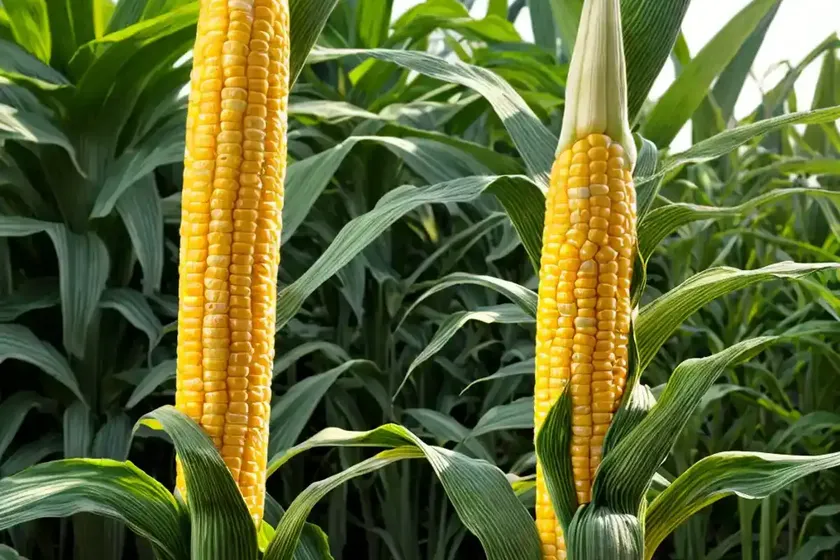
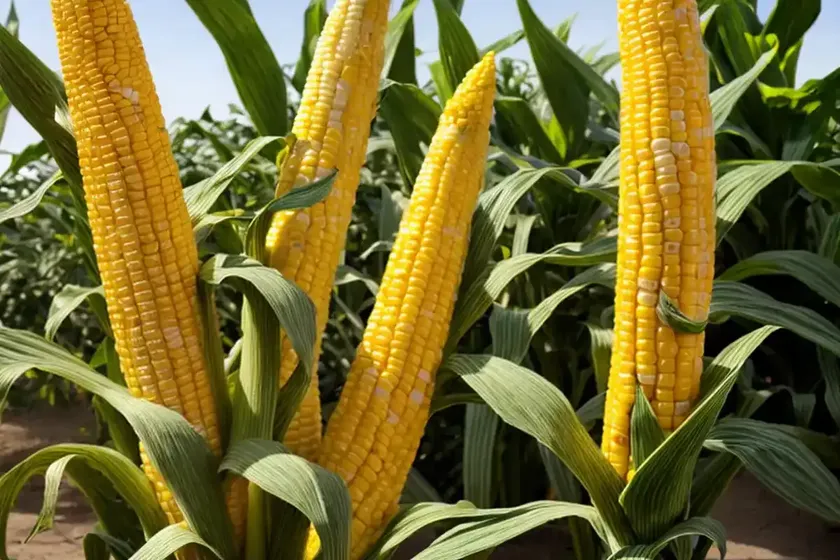
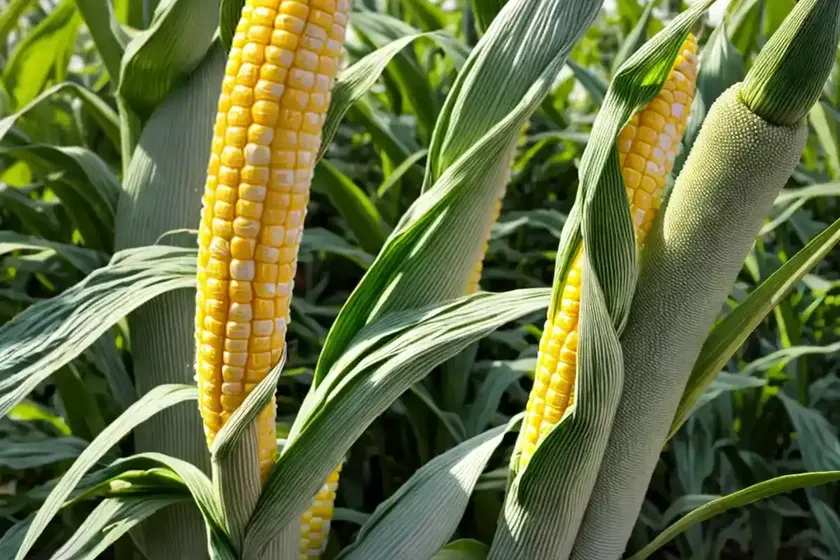
Sweetcorn, scientifically known as Zea mays convar. saccharata var. rugosa, is a popular and versatile vegetable that is enjoyed worldwide. It is a type of maize with high sugar content which differentiates it from other varieties of corn. This starchy vegetable is beloved for its sweet taste and juicy kernels, making it a staple in many cuisines and a favorite for home gardeners. In this comprehensive guide, we will delve into the various aspects of sweetcorn, including its culture, uses, care, common diseases, pests, and interesting facts.
What is Sweetcorn?
Sweetcorn, also known as sugar corn, is a vegetable with a high sugar content. It is a variant of maize and is harvested when the kernels are in the milk stage to ensure sweetness. The classification of sweetcorn as Zea mays convar. saccharata var. rugosa distinguishes it from other forms of maize due to its unique characteristics.
Sweetcorn is characterized by its long, slender ears and plump, sweet kernels, which can range in color from pale yellow to deep golden yellow. It is commonly consumed as a cooked vegetable, either on the cob or off the cob, and is a versatile ingredient in many dishes.
Key Takeaways – Sweetcorn (Zea mays convar. saccharata var. rugosa)
Before we delve into the specifics of sweetcorn cultivation, usage, and maintenance, let’s highlight the key takeaways of this remarkable plant.
Culture
- Sweetcorn is a warm-season crop that requires adequate sunlight and warm temperatures to thrive.
- It is typically grown in rows to facilitate pollination and prevent cross-pollination with other corn varieties.
Uses
- Sweetcorn is primarily consumed as a vegetable and is a popular ingredient in salads, soups, stir-fries, and casseroles.
- It can also be canned, frozen, or dried for long-term preservation.
Water
- Sweetcorn requires consistent watering, particularly during the ear development stage, to ensure well-filled kernels.
Sunlight
- Full sun exposure is crucial for sweetcorn to promote healthy growth and optimal yield.
Fertilizer
- Nitrogen-rich fertilizers are beneficial for sweetcorn, especially during the early stages of growth.
Soil
- Well-drained, nutrient-rich soil is ideal for sweetcorn cultivation.
Pruning
- Sweetcorn typically does not require pruning.
Propagation
- Sweetcorn is propagated primarily through direct sowing of seeds in the soil.
Container Popularity
- While sweetcorn is traditionally grown in garden beds, dwarf or bush varieties can be cultivated in containers.
Common Diseases
- Common diseases affecting sweetcorn include smut, rust, and leaf blight.
Disease Diagnosis
- Timely detection and management of diseases are vital to preserving the health of sweetcorn plants.
Common Pests
- Common pests that may plague sweetcorn include corn earworms, aphids, and cutworms.
Botanist’s Tips
- Companion planting with beans and squash can benefit sweetcorn by improving soil health and deterring pests.
Fun Facts
- Sweetcorn is a significant dietary staple in many cultures, and its history spans back thousands of years.
Now that we’ve outlined these key takeaways, let’s delve deeper into the various aspects of sweetcorn and explore how to cultivate, care for, and appreciate this versatile vegetable.
Sweetcorn Nutrition
Sweetcorn is not only delicious but also offers a range of essential nutrients. The nutritional value of sweetcorn includes:
- Carbohydrates: Sweetcorn is a good source of carbohydrates, providing energy for the body.
- Fiber: It contains dietary fiber, which supports healthy digestion.
- Protein: Sweetcorn contains a moderate amount of protein, an essential component for muscle growth and repair.
- Vitamins: It is rich in various vitamins, including vitamin C, vitamin A, and several B vitamins.
- Minerals: Sweetcorn provides essential minerals such as magnesium, potassium, and phosphorus, which are important for overall health.
- Antioxidants: It contains antioxidants, such as lutein and zeaxanthin, which promote eye health and protect against certain diseases.
Sweetcorn Varieties
There are numerous sweetcorn varieties available, each with its unique characteristics in terms of flavor, color, size, and growth habit. Some popular sweetcorn varieties include:
| Variety | Description |
|---|---|
| Golden Bantam | A heritage variety known for its exceptional sweetness and golden kernels. |
| Silver Queen | A well-known variety with a high sugar content and white kernels. |
| Honey ‘n Pearl | This variety produces a mix of yellow and white kernels, offering a delightful visual appeal. |
| Early Xtra Sweet | An early-maturing variety with tender, sweet kernels, perfect for shorter growing seasons. |
It’s essential to select a sweetcorn variety based on your climate, growing season, and personal taste preferences to ensure a successful harvest.
Benefits of Sweetcorn
Sweetcorn offers numerous benefits, making it a valuable addition to a balanced diet and a popular choice for home gardening. Some key benefits of sweetcorn include:
- Nutrient-rich: Sweetcorn provides an array of essential nutrients, including vitamins, minerals, and fiber, contributing to overall health and well-being.
- Versatile: It can be enjoyed in various ways, from grilling and boiling to incorporating it into salads, soups, and side dishes, adding versatility to meal planning.
- Quick and Easy: Fresh sweetcorn is convenient to prepare and cook, making it a convenient option for busy individuals and families.
- Home Gardening Delight: Growing sweetcorn at home allows gardeners to enjoy the satisfaction of harvesting their produce while promoting sustainability and self-sufficiency.
Sweetcorn Health Benefits
In addition to its nutritional value, sweetcorn offers specific health benefits:
- Weight Management: Sweetcorn is relatively low in calories and high in fiber, making it a filling and satisfying food choice for weight management.
- Digestive Health: The fiber in sweetcorn supports healthy digestion and can alleviate constipation.
- Eye Health: Certain antioxidants found in sweetcorn, such as lutein and zeaxanthin, contribute to eye health and may reduce the risk of age-related macular degeneration.
How to Grow Sweetcorn
Cultivating sweetcorn requires attention to several critical factors to ensure a successful harvest. Here is a comprehensive guide on how to grow sweetcorn at home:
Sweetcorn Planting Guide
-
Selecting a Location: Choose a sunny spot with well-drained, fertile soil for planting sweetcorn.
-
Soil Preparation: Prior to planting, ensure the soil is well-drained and rich in organic matter. Incorporate compost or well-rotted manure into the soil to enhance its fertility.
-
Timing: Plant sweetcorn seeds or seedlings after the last frost date when the soil has warmed up. This typically occurs in late spring or early summer, depending on your location.
-
Spacing: Plant sweetcorn in blocks rather than a single row to ensure optimal pollination. Space the seeds or seedlings approximately 9-12 inches apart within the rows, with 30-36 inches between rows.
-
Planting Depth: Sow the seeds at a depth of around 1-2 inches in the soil. Water the soil immediately after planting to initiate germination.
-
Watering: Maintain consistent moisture levels in the soil, particularly during the germination and ear development stages. Avoid allowing the soil to dry out completely to prevent kernel abortion.
-
Fertilization: Sweetcorn thrives with additional nitrogen, so consider applying a balanced fertilizer or compost tea during the growing season.
-
**Support S
Sweetcorn Cultivation
The cultivation of sweetcorn involves several crucial steps to ensure healthy growth and a bountiful harvest. Follow these essential practices to cultivate sweetcorn successfully:
-
Soil Requirements: Sweetcorn prefers well-drained soil with a slightly acidic to neutral pH. Prepare the soil by incorporating organic matter such as compost or well-rotted manure to enhance its fertility and structure.
-
Seed Selection: Choose high-quality sweetcorn seeds from reputable suppliers. Consider factors such as the variety, maturity, and disease resistance when selecting seeds for sowing.
-
Planting Depth: Sow the seeds at a depth of approximately 1-2 inches in the soil. Ensure that the soil is adequately moist to facilitate germination.
-
Spacing: Plant sweetcorn in blocks rather than single rows to promote efficient pollination. Space the seeds or seedlings approximately 9-12 inches apart within the rows, with 30-36 inches between rows.
-
Watering: Provide consistent moisture, particularly during the germination and ear development stages. Avoid allowing the soil to dry out completely, as this can lead to poor kernel development.
-
Fertilization: Sweetcorn is a heavy feeder, particularly requiring nitrogen for robust growth. Consider applying a balanced fertilizer or supplementing with compost tea throughout the growing season to ensure adequate nutrition.
-
Mulching: Apply a layer of organic mulch, such as straw or shredded leaves, around the base of the sweetcorn plants to conserve soil moisture and suppress weed growth.
-
Pollination: Sweetcorn is wind-pollinated, and proper pollination is essential for well-filled ears. To enhance pollination, plant multiple short rows or squares of sweetcorn rather than a single long row.
-
Support: In areas prone to strong winds, consider providing support for tall sweetcorn stalks to prevent lodging and ensure stability.
By following these cultivation practices, you can promote robust growth and maximize the yield of sweet, juicy ears of corn in your garden.
Sweetcorn Fertilization
Fertilization is a vital aspect of sweetcorn cultivation, as it directly influences plant growth, ear development, and overall yield. Proper fertilization provides essential nutrients that are crucial for the healthy development of sweetcorn plants. Here are some key considerations for sweetcorn fertilization:
-
Nitrogen: Sweetcorn is a heavy nitrogen feeder, especially during the early stages of growth and when the ears are developing. Nitrogen promotes healthy foliage and ear development, contributing to overall plant vigor and productivity.
-
Phosphorus: Phosphorus is essential for root development and early growth stages. Incorporate a phosphorus-rich fertilizer or include phosphorus in the soil amendments before planting sweetcorn to support strong root establishment.
-
Potassium: Potassium contributes to overall plant health, disease resistance, and fruit/ear development. Consider using a fertilizer with a balanced NPK ratio and additional potassium to support robust sweetcorn growth.
-
Application Timing: Apply nitrogen-rich fertilizers at specific growth stages, such as when the plants are knee-high and during the tasseling and silking stages. This ensures that the nutrients are available when the plants require them the most.
-
Supplemental Fertilization: In addition to incorporating fertilizers into the soil before planting, consider supplementing with liquid fertilizers or foliar sprays during the growing season to provide an extra boost of nutrients.
-
Organic Options: For organic sweetcorn cultivation, utilize organic fertilizers such as compost, well-rotted manure, and organic amendments to enrich the soil and nourish the plants naturally.
By implementing a well-planned fertilization regimen, you can optimize the growth and yield of your sweetcorn crop, leading to robust, healthy plants and juicy, flavorful ears of corn.
Sweetcorn Irrigation
Maintaining adequate soil moisture is crucial for the successful cultivation of sweetcorn. Consistent irrigation supports plant growth, ear development, and overall crop yield. Here are essential guidelines for sweetcorn irrigation:
-
Watering Frequency: Sweetcorn plants require regular watering, particularly during the critical growth stages, including germination, tasseling, and ear development. Ensure the soil remains consistently moist, avoiding both waterlogged conditions and drought stress.
-
Deep Watering: When irrigating sweetcorn, aim to provide deep, thorough watering sessions rather than frequent shallow watering. Deep watering encourages the development of deep, robust root systems, promoting plant resilience and stability.
-
Morning Watering: Water the sweetcorn plants early in the morning to allow foliage and soil to dry out during the day, reducing the risk of disease development and promoting overall plant health.
-
Drip Irrigation: Consider using drip irrigation systems to deliver water directly to the base of the sweetcorn plants, ensuring efficient moisture distribution and minimal water wastage.
-
Mulching: Apply a layer of organic mulch, such as straw or shredded leaves, around the base of the sweetcorn plants to conserve soil moisture and reduce evaporation, thus reducing the frequency of irrigation.
-
Monitoring: Regularly monitor the soil moisture levels and plant appearance to adjust the irrigation schedule as needed, ensuring that the sweetcorn plants receive optimal moisture for healthy growth and development.
By adhering to these irrigation practices, you can support the robust growth, development, and productivity of your sweetcorn crop, ultimately leading to a bountiful harvest of delicious, juicy ears of corn.
Sweetcorn Soil Requirements
The composition and quality of the soil play a crucial role in the successful cultivation of sweetcorn. Understanding the specific soil requirements of sweetcorn is essential for promoting healthy plant growth and maximizing yield. Here are the key considerations for sweetcorn soil requirements:
-
Well-Drained Soil: Sweetcorn thrives in well-drained soil that allows excess water to flow away from the roots, preventing waterlogging and promoting optimal root health.
-
pH Level: The ideal soil pH for sweetcorn ranges from 6.0 to 6.8, slightly acidic to neutral. Conduct a soil test to determine the pH of your soil and make adjustments as needed to create a favorable growing environment for sweetcorn.
-
Fertility: Rich, fertile soil is beneficial for sweetcorn cultivation. Incorporate organic matter, such as compost or well-rotted manure, into the soil to enhance its fertility and improve its structure, providing vital nutrients for plant growth.
-
Warm Soil: Plant sweetcorn in soil that has warmed up sufficiently after the last frost date. Cold, damp soil can hinder germination and root development, impacting plant vigor and productivity.
-
Soil Preparation: Prepare the soil thoroughly before planting sweetcorn by removing weeds, loosening the soil, and incorporating organic amendments to promote a healthy growing environment for the plants.
By paying attention to these soil requirements and providing the best possible growing conditions for sweetcorn, you can support robust growth, healthy development, and a bountiful harvest of delectable ears of corn.
Sweetcorn Seed Selection
The selection of high-quality sweetcorn seeds is a critical step in ensuring a successful and productive yield. Choosing the right seeds based on factors such as variety, maturity, disease resistance, and regional adaptation is essential for a thriving sweetcorn crop. Here are some key considerations for sweetcorn seed selection:
-
Variety: Select sweetcorn varieties that are well-suited to your growing region and climate. Consider factors such as maturity date, ear size, and flavor to choose a variety that aligns with your preferences and growing conditions.
-
Disease Resistance: Look for sweetcorn varieties that offer resistance to common diseases prevalent in your area, such as rust or smut. Disease-resistant varieties can help protect your crop and minimize the risk of yield loss due to infections.
-
Hybrid vs. Open-Pollinated: Hybrid sweetcorn varieties often offer desirable traits such as uniform ear size and excellent flavor. Consider hybrid options if you prioritize specific characteristics in your sweetcorn crop. Alternatively, open-pollinated varieties can be a good choice for gardeners interested in seed saving and preserving heirloom genetics.
-
Seed Quality: Purchase sweetcorn seeds from reputable suppliers known for high-quality, viable seeds. Ensure that the seeds are fresh, free from damage or disease, and have a high germination rate.
-
Regional Adaptation: Some sweetcorn varieties are bred for specific regions and climates, offering better performance in terms of growth, yield, and disease resistance. Choose varieties that are well-adapted to your local conditions for optimal results.
By carefully selecting sweetcorn seeds that align with your preferences, growing conditions, and disease resistance needs, you can set the stage for a successful and rewarding sweetcorn growing experience.
Sweetcorn Preservation Methods
Once you’ve harvested a bountiful supply of sweet, juicy corn from your garden, you may find yourself with more than you can consume immediately. Fortunately, there are various preservation methods that allow you to store sweetcorn for long-term enjoyment. Here are the primary methods for preserving sweetcorn:
Freezing
Freezing is one of the most popular and effective methods for preserving sweetcorn, allowing you to lock in the flavor and nutritional value of freshly harvested corn. Follow these steps for freezing sweetcorn:
-
Blanching: Start by blanching the fresh sweetcorn ears in boiling water for a few minutes, then immediately transfer them to ice water to halt the cooking process.
-
Removing Kernels: Once the ears have cooled, carefully remove the kernels from the cob using a sharp knife.
-
Packaging: Pack the sweetcorn kernels into airtight freezer bags or containers, and label them with the date before placing them in the freezer.
Canning
Canning sweetcorn provides a shelf-stable option for long-term preservation, allowing you to enjoy the summer harvest well into the winter season. Follow these steps for canning sweetcorn:
-
Preparing Jars: Sterilize canning jars and prepare lids and bands according to the manufacturer’s instructions.
-
Processing Corn: Pack the raw sweetcorn kernels into the prepared jars, leaving appropriate headspace. Add boiling water, salt (if desired), and follow the specific canning instructions for your equipment.
-
Processing Jars: Process the filled jars in a pressure canner according to the recommended time and pressure for sweetcorn canning.
-
Cooling and Storage: Once processed, allow the jars to cool, check the seals, and store them in a cool, dark place.
Drying
Drying sweetcorn is another preservation method that can be utilized to create delicious, shelf-stable corn for various culinary uses. Follow these steps for drying sweetcorn:
-
Preparing Ears: Select fresh, mature sweetcorn ears, and remove the husks and silk.
-
Blanching: Blanch the ears in boiling water for a few minutes, then cool them in ice water.
-
Removing Kernels: Using a sharp knife, carefully remove the kernels from the cobs.
-
Drying: Spread the sweetcorn kernels in a single layer on drying trays or screens. Dry them in a well-ventilated, warm area until fully dehydrated.
-
Storage: Once dried, transfer the sweetcorn kernels to airtight containers for long-term storage in a cool, dry place.
By employing these preservation methods, you can extend the enjoyment of your sweetcorn harvest and savor the flavor of homegrown corn throughout the year.
Sweetcorn Meal Ideas
Sweetcorn is an incredibly versatile ingredient that can be incorporated into a wide array of delicious and satisfying meals. From simple salads and soups to vibrant side dishes and main courses, sweetcorn enhances the flavor and appeal of numerous culinary creations. Here are some enticing meal ideas featuring sweetcorn:
Sweetcorn Soup Recipes
- Sweetcorn Chowder: A creamy and comforting soup featuring sweetcorn, potatoes, and savory seasonings, perfect for chilly evenings.
- **


