Sweetbay Magnolia (Magnolia Virginiana)
Welcome to our comprehensive guide on Sweetbay Magnolia (Magnolia Virginiana). As a plant scientist, I am excited to share detailed insights into the.
Welcome to our comprehensive guide on Sweetbay Magnolia (Magnolia Virginiana). As a plant scientist, I am excited to share detailed insights into the culture, uses, care, diseases, and all there is to know about this beautiful tree.
What is Sweetbay Magnolia?
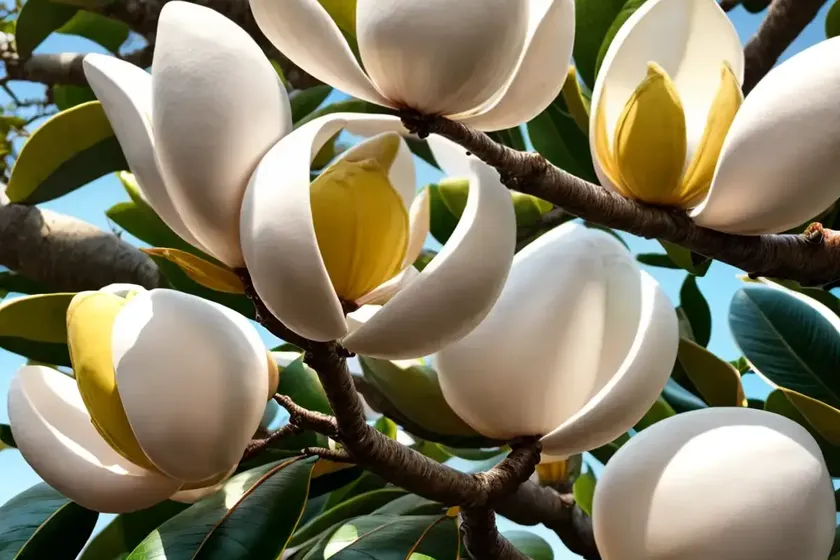
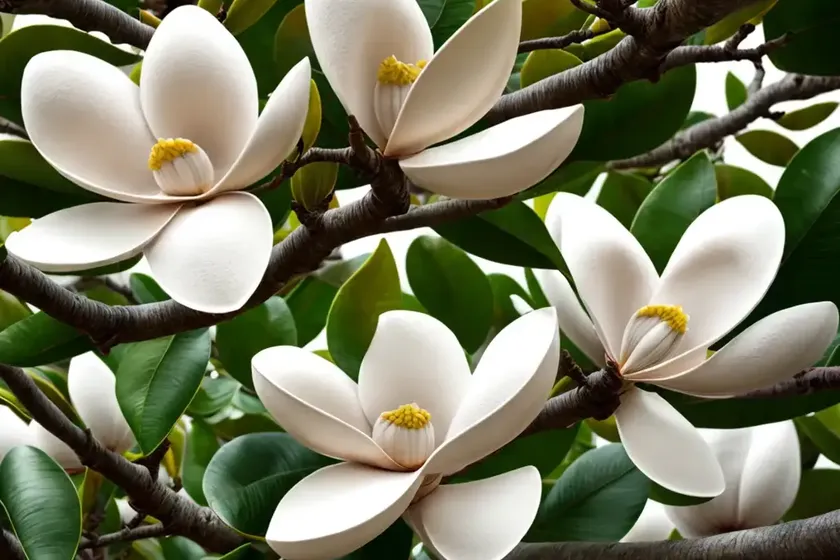
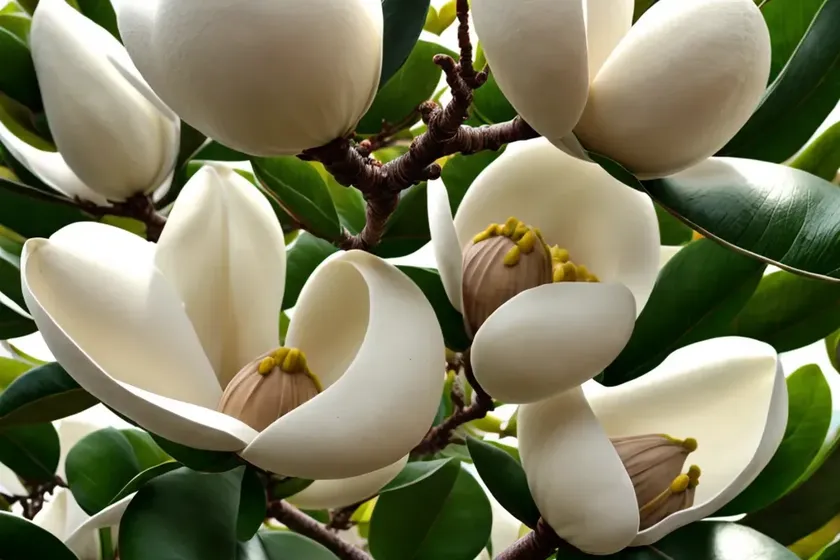
Sweetbay Magnolia, scientifically known as Magnolia Virginiana, is a striking flowering tree native to the southeastern United States. It is a member of the Magnoliaceae family and is valued for its elegant foliage, fragrant creamy-white flowers, and the sweet citrus scent it emits. The species is also known by the names Swamp Magnolia, Laurel Magnolia, or a common misspelling, Sweet Bay Magnolia.
This tree is known for its versatility as an ornamental plant, as well as its ecological importance, serving as a wildlife attractant and a natural element in coastal landscapes and riparian areas.
Key Takeaways – Sweetbay Magnolia (Magnolia Virginiana)
Here are some key takeaways on growing and caring for Sweetbay Magnolia:
– Native Habitat: Found in wetlands, swamps, and low-lying woods in the southeastern United States.
– Fragrance: Produces a sweet citrus fragrance, particularly noticeable in the evening.
– Flowering Season: Beautiful creamy-white flowers bloom from late spring to early summer.
– Wildlife Attractant: Attracts various pollinators, including bees and butterflies, and serves as a food source for birds.
Now, let’s dive into the details of successfully cultivating and caring for this remarkable species.
Culture
Uses
- Ornamental: A popular choice for landscaping due to its aesthetic appeal and ecological benefits.
- Wildlife Habitat: It provides food and shelter for various wildlife species.
- Aromatic Extracts: The fragrant flowers can be used in aromatic extracts and perfumes.
Water
Sweetbay Magnolia thrives in moist to wet soils, making it an excellent choice for gardens with areas of seasonal inundation. When establishing the tree, consistent watering is essential to ensure proper root development and overall health. Once established, the tree exhibits good drought tolerance, though it will still benefit from occasional deep watering during extended dry periods.
Sunlight
This species prefers full to partial sun, requiring at least 6 hours of sunlight per day for optimal growth and flowering. However, it can also tolerate some shade, making it suitable for woodland gardens or partially shaded areas.
Fertilizer
When it comes to fertilizer, a balanced, slow-release fertilizer designed for woody plants can be applied in early spring. It’s important not to over-fertilize, as excessive nitrogen can lead to excessive foliage growth at the expense of flowering.
Soil
Sweetbay Magnolia thrives in slightly acidic to neutral, moist, well-draining soils. It particularly excels in soils with high organic matter content. It’s recommended to amend the planting site with organic matter, such as compost, to improve soil structure and fertility.
Pruning
Pruning is generally minimal for Sweetbay Magnolia, as it naturally forms an attractive shape. Dead or damaged branches can be pruned as needed, and light pruning for shaping can be performed in early spring if necessary. The tree can also be trained to a single leader early in its growth to encourage a strong, central trunk.
Propagation
Sweetbay Magnolia can be propagated from seeds or cuttings. However, it’s important to note that seed-grown plants may take several years to bloom, while cuttings offer a quicker route to flowering.
Container Popularity
While Sweetbay Magnolia is commonly grown in the landscape, it can also thrive in large containers. When grown in containers, it’s crucial to use a well-draining potting mix and provide regular watering and fertilization, as container-grown plants are more prone to drying out and nutrient depletion.
Common Diseases
Sweetbay Magnolia is generally resistant to most diseases and pests, particularly when grown in favorable conditions. However, it can be susceptible to some issues:
Disease Diagnosis
- Leaf Spot: Fungal diseases like Cercospora and Phyllosticta can cause leaf spot, leading to discolored and spotted foliage.
- Anthracnose: This fungal disease can cause twig dieback and leaf spotting, particularly in wet conditions.
Common Pests
- Scale Insects: These sap-sucking insects can affect the health of the tree, especially when populations are high.
- Magnolia Scale: This scale insect specifically targets Magnolia species, and heavy infestations can cause stress and decline in affected trees.
Botanist’s Tips
- Plant Sweetbay Magnolia in moist, well-draining soil and provide regular deep watering, especially during the establishment phase.
- Avoid planting in areas with prolonged drought or waterlogged soil, as this can stress the tree and lead to potential health issues.
Fun Facts
- Sweetbay Magnolia’s aromatic flowers make it a delightful addition to evening gardens, as its fragrance intensifies during the evening hours.
- The tree’s leaves, when crushed, emit a lemony or spicy bay-like scent, hence its common name.
Links to External Resources
For further information on Sweetbay Magnolia, you can explore the following resources:
1. Growing Sweetbay Magnolia | Gardening Know How
2. Magnolia Virginiana | Missouri Botanical Garden
3. Magnolia Virginiana: Sweetbay | North Carolina State University
In conclusion, Sweetbay Magnolia is a captivating and versatile species, offering both aesthetic and ecological benefits. With the right care and attention to its specific needs, this tree can thrive and become a cherished addition to any garden or landscape.
Whether you’re drawn to its beautifully fragrant blooms, its role in supporting local wildlife, or its adaptable nature, Sweetbay Magnolia deserves a place of honor in the diverse tapestry of ornamental trees. With the information provided in this comprehensive guide, you are equipped to cultivate and care for Sweetbay Magnolia with confidence and success.


