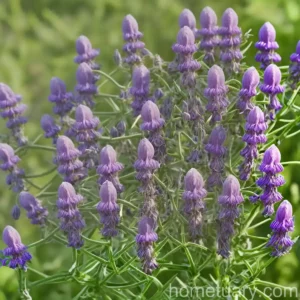
The Fragrance and Charm of Sweet Pea (Lathyrus odoratus)
The sweet pea (Lathyrus odoratus), with its delicate blossoms and exquisite fragrance, has long been cherished as a garden favorite. This beautiful annual plant is known for its vibrant colors and exceptional perfume that fills the air, making it a beloved choice for both beginner and experienced gardeners. In this comprehensive guide, we will delve into the captivating world of sweet peas, exploring their culture, uses, care, and much more.
What is a Sweet Pea (Lathyrus odoratus)?
The sweet pea, scientifically known as Lathyrus odoratus, is a flowering plant species in the Lathyrus genus of the Fabaceae family. Originating from the Mediterranean region, particularly Sicily, its charming blooms have captured the hearts of gardeners worldwide. With a climbing habit, the sweet pea is renowned for its enchanting blossoms, which come in an array of striking colors, and its alluring fragrance, which makes it a prized addition to any garden or floral arrangement.
Key Takeaways – Sweet Pea (Lathyrus odoratus)
Before we delve deeper into the wonderful world of sweet peas, here are some key takeaways about this beloved plant:
- Scientific Name: Lathyrus odoratus
- Common Name: Sweet pea
- Plant Type: Annual flowering plant
- Growth Habit: Climbing/vining
- Fragrance: Exquisite and sweet aroma
- Uses: Ornamental, cut flowers, fragrant garden displays
Now, let’s explore the different aspects of growing and caring for sweet peas.
Culture
Sweet peas thrive in cool temperatures and flourish during the spring and early summer. They are often treasured for their unparalleled beauty and captivating scent, making them a fantastic addition to any garden or floral arrangement.
Uses
Garden Display
The sweet pea’s vibrant and multi-colored blossoms make it an alluring choice for garden displays. Whether grown along fences, trellises, or used to adorn arbors, its climbing habit and dazzling flowers add a touch of elegance to any outdoor space.
Cut Flowers
The fragrant and delicate flowers of the sweet pea are cherished as cut flowers in floral arrangements. Their charming presence and sweet aroma turn any bouquet into a work of art, making them popular in the floristry industry.
Water
Sweet peas have moderate water needs, and it’s essential to keep the soil consistently moist, especially during dry spells. Regular watering, particularly during the flowering period, helps promote healthy growth and abundant blooms.
Sunlight
Sweet peas thrive in full sun to partial shade, preferring at least 6 hours of direct sunlight each day. However, in regions with scorching summers, providing some shade during the hottest part of the day can prevent the plants from wilting.
Fertilizer
A balanced, all-purpose fertilizer can be applied before planting sweet peas to provide essential nutrients for their initial growth. Additionally, a top-dressing of compost or a side-dressing of a balanced fertilizer during the growing season can further support their development.
Soil
Well-draining, fertile soil is ideal for sweet peas. A slightly alkaline to neutral pH level, ranging between 6.0-7.0, creates the optimum conditions for their growth. Incorporating organic matter into the soil enhances its structure and fertility, providing an ideal foundation for these charming flowers.
Pruning
Regular deadheading and pruning of spent blooms encourage continued flowering and prevent the plant from channeling its energy into seed production. Trim the stems to create stunning cut flower arrangements while also stimulating the growth of new blossoms.
Propagation
Sweet peas are commonly propagated from seeds. Direct sowing them in the garden or starting them indoors for later transplantation are popular methods. They readily self-seed, often producing new plants in subsequent growing seasons.
Container Popularity
Although sweet peas are often grown directly in the garden, they also thrive in containers. Their climbing nature makes them an excellent choice for adding vertical interest to container gardens and balconies, showcasing their delightful blooms at eye level.
Common Diseases
Sweet peas are generally robust plants, but they can be susceptible to certain diseases and pests. Some common diseases that may affect sweet peas include:
- Powdery Mildew: Recognized by the powdery white growth on leaves and stems.
- Fusarium Wilt: Causing wilting and yellowing of leaves.
- Botrytis Blight: Leading to brown spots and decay on flowers and buds.
Disease Diagnosis
When identifying and treating diseases in sweet peas, it’s crucial to promptly address any signs of infection. By practicing good garden hygiene, ensuring proper air circulation, and promptly removing any affected plant parts, you can help mitigate disease issues.
Common Pests
While sweet peas are relatively pest-resistant, they can still fall victim to certain pests, such as aphids and caterpillars. Regular scouting for pests and employing appropriate control measures, such as insecticidal soaps or natural predators, can help keep pest populations in check.
Botanist’s Tips
Sowing Depth
When planting sweet pea seeds, ensure they are sown at a depth that is twice their diameter. This allows the seeds to germinate successfully and emerge from the soil with vigor.
Climbing Support
Providing a sturdy trellis, obelisk, or other climbing support not only enhances the aesthetic appeal of sweet peas but also encourages their upward growth, allowing their stunning blossoms to be showcased prominently.
Fun Facts
- The sweet pea has long been associated with the month of April, symbolizing blissful pleasure and delicate gratitude.
- In the language of flowers, sweet peas convey messages of thankfulness, departure, and adoration.
- Extracts from sweet peas have been used in perfumery, harnessing their captivating fragrance.
Links to External Resources
In this guide, we have unraveled the enchanting world of sweet peas, from their cultural preferences to their remarkable uses and care requirements. Embracing the allure of these blossoms in our gardens and homes brings forth an embodiment of elegance and fragrance, enriching our lives with their natural beauty. Whether adorning fences, trellises, or vases, the sweet pea continues to captivate with its charming presence and enchanting scent.