Sweet Osmanthus (Osmanthus Fragrans)
Plants have always been an integral part of human life. They not only provide aesthetics to our surroundings but also offer various other benefits. One.
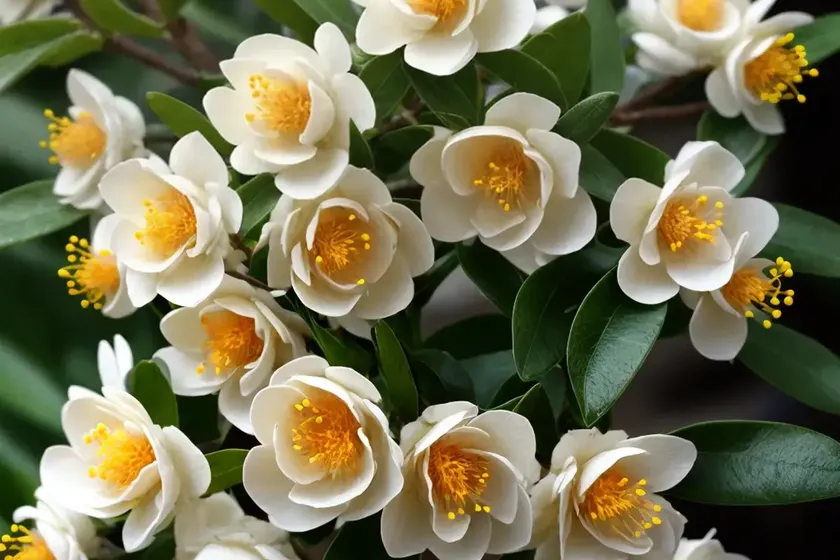
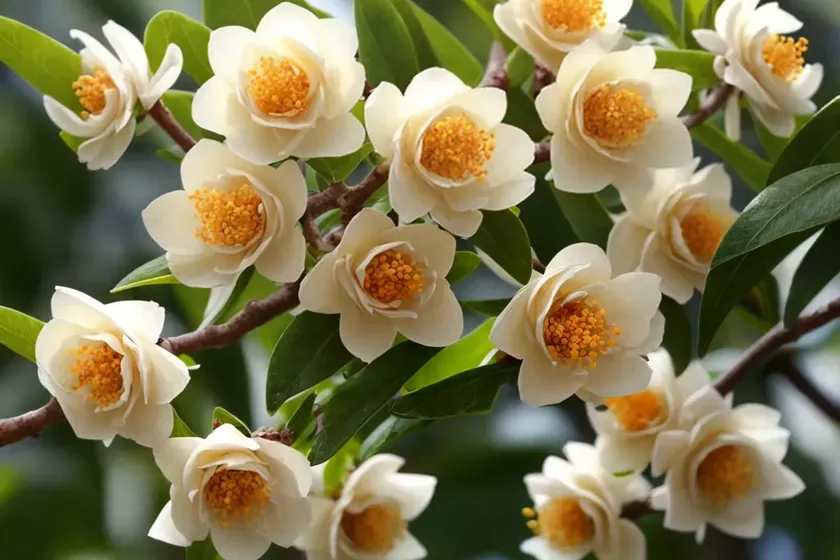
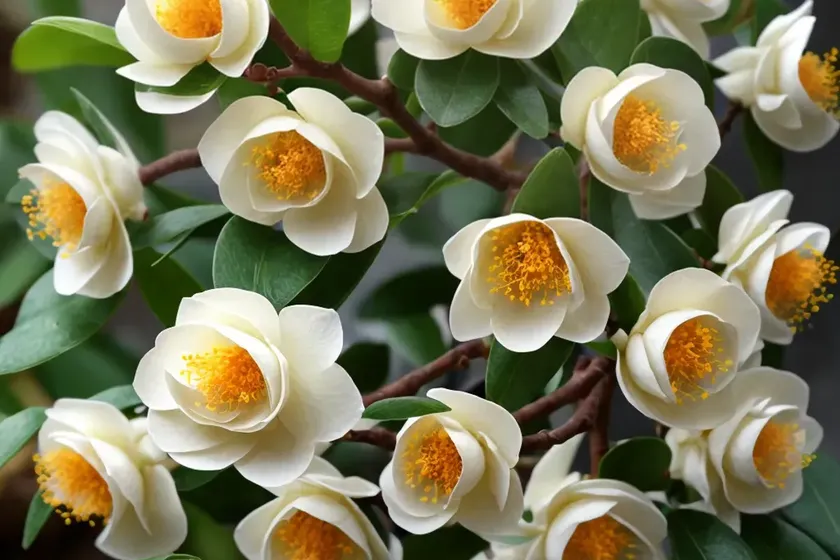
Plants have always been an integral part of human life. They not only provide aesthetics to our surroundings but also offer various other benefits. One such plant is the Sweet Osmanthus (Osmanthus fragrans). This sweet-smelling shrub is prized for its fragrant flowers and versatile uses. In this comprehensive guide, we will delve into the various aspects of this beautiful plant, from its cultivation and uses to its role in traditional medicine and culinary applications.
What is Sweet Osmanthus (Osmanthus fragrans)?
Sweet Osmanthus, scientifically known as Osmanthus fragrans, is a species of flowering plant in the olive family Oleaceae. It is native to Asia, particularly China and Japan, and is widely cultivated for its fragrant flowers. Commonly referred to as “Sweet Olive” or “Fragrant Tea Olive,” this evergreen shrub or small tree is known for its clusters of tiny, highly fragrant flowers that bloom in the fall.
Plant Classification
Here is the classification of the Sweet Osmanthus plant:
– Kingdom: Plantae
– Order: Lamiales
– Family: Oleaceae
– Genus: Osmanthus
– Species: O. fragrans
Key Takeaways – Sweet Osmanthus (Osmanthus fragrans)
Before diving into the specifics, let’s overview the key points we will explore in detail regarding Sweet Osmanthus:
1. Cultivation and care tips for Osmanthus fragrans
2. Uses of Sweet Osmanthus in various fields
3. Common diseases and pests affecting Sweet Osmanthus
4. Botanist’s tips and fun facts about this aromatic plant
5. Links to external resources for further exploration
Now, let’s embark on exploring the captivating world of Sweet Osmanthus.
Cultivation of Sweet Osmanthus (Osmanthus fragrans)
Cultivating Sweet Osmanthus can be a rewarding experience for plant enthusiasts. Let’s start by understanding the specific requirements for successfully growing and nurturing this fragrant plant.
Water
Sweet Osmanthus plants prefer well-draining soil and regular watering. They do not tolerate waterlogging, so it’s essential to ensure that the soil is moist but not waterlogged. During the hot summer months, regular watering is crucial to maintain the plant’s health and promote flower production.
Sunlight
When it comes to sunlight requirements, Sweet Osmanthus thrives in full sun to partial shade. It’s essential to provide adequate sunlight for healthy growth and prolific flowering. However, in extremely hot climates, partial shade can help protect the plant from intense sun exposure.
Fertilizer
To support the growth and blooming of Sweet Osmanthus, applying a balanced, slow-release fertilizer in spring is beneficial. This helps provide the necessary nutrients for the plant without risking over-fertilization, which can harm the plant.
Soil
Sweet Osmanthus plants thrive in well-drained, slightly acidic to neutral soil. Amending the soil with organic matter can improve its texture and fertility, contributing to the overall health and vigor of the plant.
Pruning
Pruning is an essential aspect of Sweet Osmanthus care. Regular pruning helps maintain the plant’s shape, encourages bushy growth, and promotes flower production. It’s recommended to prune the plant after the blooming period to remove any dead or overgrown branches.
Propagation
Sweet Osmanthus can be propagated through various methods, including seed propagation, semi-hardwood cuttings, and layering. Each method has its advantages and requirements, and choosing the most suitable method depends on the resources and expertise available to the plant enthusiast.
Container Popularity
The versatility of Sweet Osmanthus also makes it a popular choice for container gardening. Its compact size and fragrant flowers make it an excellent addition to outdoor spaces and balconies. When growing in containers, it’s essential to ensure proper drainage and provide suitable growing conditions.
Uses of Sweet Osmanthus (Osmanthus fragrans)
Sweet Osmanthus is revered for its delightful fragrance and has found its way into various applications beyond ornamental gardening. Let’s explore the diverse uses of this aromatic plant.
Ornamental Use
The primary use of Sweet Osmanthus is ornamental, where it beautifies gardens, parks, and landscapes with its fragrant blooms and evergreen foliage. It serves as a lovely specimen plant or can be incorporated into mixed borders to add fragrance and visual appeal to outdoor spaces.
Health and Wellness
The flowers of Sweet Osmanthus are widely used in traditional Chinese medicine for their aromatic and medicinal properties. They are believed to have various health benefits and are used in herbal preparations, teas, and aromatherapy.
Culinary Applications
The fragrant flowers of Sweet Osmanthus are also utilized in culinary pursuits, particularly in Asian cuisines. They are used to infuse beverages, flavor desserts, and prepare aromatic syrups and jams.
Fragrance Industry
With its intense and delightful fragrance, Sweet Osmanthus is a sought-after ingredient in the perfume and fragrance industry. Its floral, fruity scent adds depth and complexity to perfumes and scented products.
Traditional and Cultural Significance
In traditional Chinese culture, Sweet Osmanthus holds symbolic importance and is associated with auspiciousness and prosperity. The flowers are used in cultural celebrations and are revered for their symbolic meanings.
Common Diseases and Pests affecting Sweet Osmanthus
While Sweet Osmanthus is a resilient plant, it can still be susceptible to certain diseases and pests. Understanding the potential threats to the plant’s health is crucial for effective management and prevention.
Common Diseases
Some common diseases that can affect Sweet Osmanthus include:
– Leaf spot
– Powdery mildew
– Anthracnose
Disease Diagnosis
Diagnosing plant diseases is essential for implementing timely and effective treatments. Identifying the symptoms, such as leaf discoloration, spots, or wilting, can help in determining the specific disease and selecting appropriate control measures.
Common Pests
Sweet Osmanthus may attract common garden pests, including:
– Aphids
– Scale insects
– Spider mites
Pest Management
Integrated pest management strategies, including regular monitoring, natural predators, and targeted interventions, can help manage pest infestations without resorting to excessive pesticide use, which can harm beneficial insects and the environment.
Botanist’s Tips and Fun Facts about Sweet Osmanthus
As plant enthusiasts, it’s always fascinating to uncover interesting insights and practical tips from botanists and horticulturists. Here are some expert tips and fun facts about Sweet Osmanthus:
Botanist’s Tips
- When selecting a location for planting Sweet Osmanthus, consider its fragrance to fully appreciate its aromatic blooms.
- As the flowers are highly fragrant and attract pollinators, planting Sweet Osmanthus near outdoor sitting areas can enhance the outdoor experience.
Fun Facts
- The fragrance of Sweet Osmanthus is often described as a blend of apricot, peach, and jasmine, creating a unique and delightful scent.
- The flowers of Sweet Osmanthus are used to flavor tea and are a common ingredient in traditional East Asian sweets and desserts.
Links to External Resources
To further enhance your understanding and appreciation of Sweet Osmanthus, here are some valuable external resources for additional exploration:
1. Osmanthus fragrans cultivation
2. Fragrant plants for the garden
3. Growing Osmanthus fragrans
4. Sweet osmanthus care tips
5. Osmanthus fragrans varieties
6. Sweet osmanthus scent
7. Fragrant flower plants
8. Osmanthus fragrans uses
9. Sweet osmanthus health benefits
10. Osmanthus fragrans properties
11. Sweet osmanthus tea recipe
12. Growing fragrant plants
13. Osmanthus fragrans pruning
14. Sweet osmanthus flower
15. Osmanthus fragrans in landscaping
16. Fragrant plants for containers
17. Benefits of Osmanthus fragrans
18. Sweet osmanthus essential oil
19. Osmanthus fragrans fragrance
20. Osmanthus fragrans in Chinese culture
Conclusion
Sweet Osmanthus (Osmanthus fragrans) is undoubtedly a remarkable plant with its captivating fragrance, ornamental beauty, and multifaceted uses. Whether you’re drawn to its aromatic blooms, its cultural significance, or its diverse applications in health and cuisine, this versatile plant has much to offer. By understanding its cultivation requirements, uses, and potential challenges, plant enthusiasts can harness the full potential of Sweet Osmanthus in their gardens, landscapes, and everyday lives.
As we conclude our exploration of Sweet Osmanthus, I encourage you to delve into the provided external resources to further enrich your knowledge and appreciation of this delightful plant. Whether you’re a gardening enthusiast, a fragrance aficionado, or a cultural explorer, Sweet Osmanthus offers a myriad of opportunities for enjoyment and discovery.
So, consider adding a touch of fragrance and beauty to your outdoor spaces with the enchanting presence of Sweet Osmanthus, and explore the rich tapestry of its uses and significance. Happy gardening and fragrant adventures with Sweet Osmanthus!


