Sweet Mint (Mentha X Suavis)
Mentha x suavis, commonly known as Sweet Mint, is a delightful and aromatic herb that belongs to the Lamiaceae family. This perennial plant is a hybrid of.
Introduction
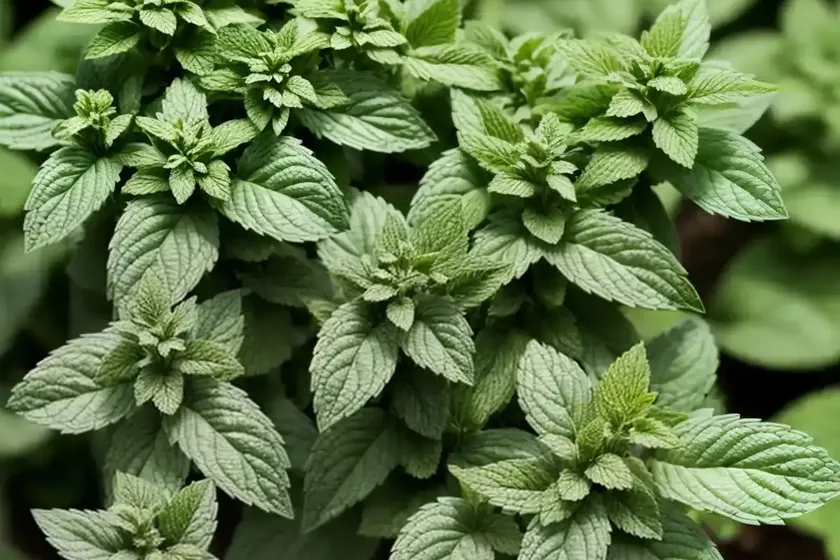
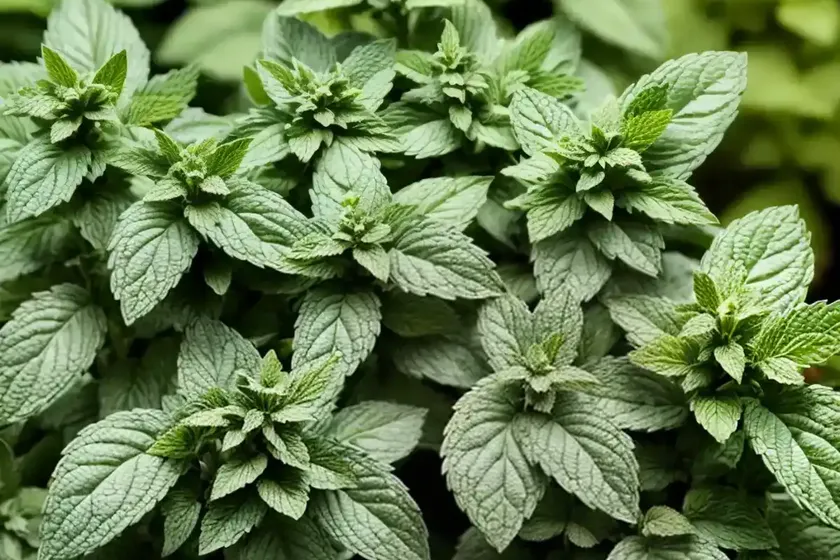
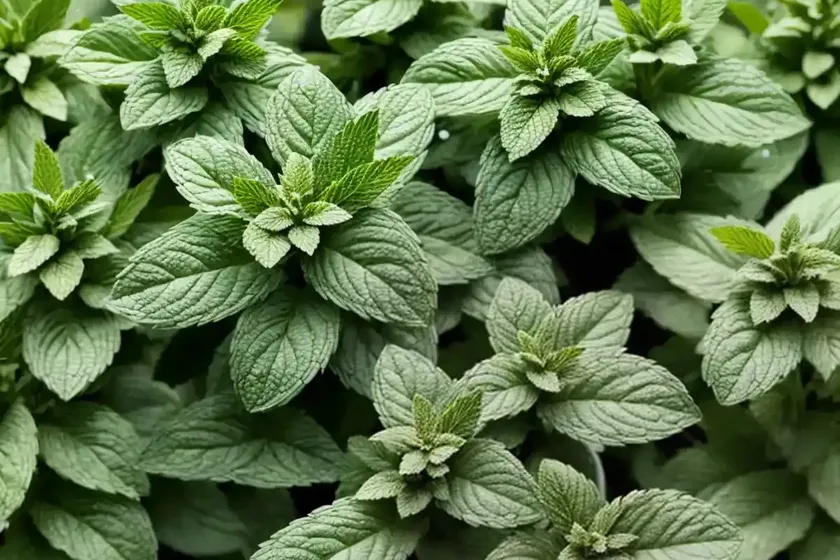
Mentha x suavis, commonly known as Sweet Mint, is a delightful and aromatic herb that belongs to the Lamiaceae family. This perennial plant is a hybrid of Mentha spicata (spearmint) and Mentha suaveolens (apple mint). Renowned for its pleasant fragrance and sweet flavor, Sweet Mint has been valued for centuries for its culinary, medicinal, and ornamental uses. In this comprehensive guide, we will delve into the various aspects of cultivating, utilizing, and maintaining this versatile plant.
What is Sweet Mint (Mentha X Suavis)?
Sweet Mint, scientifically known as Mentha x suavis, is a perennial herb that boasts a multitude of applications. With its distinctive sweet aroma and flavorful leaves, it is widely utilized in culinary dishes, herbal medicine, aromatherapy, and even as a natural insect repellent. This delightful herb is popular for its ability to thrive in a variety of climates, making it a favored choice for both novice and experienced gardeners.
Key Takeaways
- Scientific Name: Mentha × suavis
- Common Name: Sweet Mint
- Family: Lamiaceae
- Plant Type: Perennial herb
- Culinary Uses: Used to flavor teas, beverages, desserts, and savory dishes
- Medicinal Uses: Employed in traditional medicine for digestive and respiratory health
- Fragrance: Sweet, fresh, and aromatic
- Cultivation: Grows well in containers and garden beds, requires regular watering and partial sunlight
- Propagation: Easily propagated from cuttings or division
- Pests and Diseases: Susceptible to aphids, spider mites, and powdery mildew
Cultivation of Sweet Mint
Cultivating Sweet Mint is a gratifying experience, especially for individuals who appreciate the fragrance and flavor of this delightful herb. Whether grown in a container or directly in the garden, providing the optimal growing conditions ensures a bountiful harvest of this versatile plant.
Water
Sweet Mint thrives in consistently moist soil. Adequate watering is crucial to maintain the health and vigor of the plant. It is essential to water the plant regularly, particularly during warm and dry periods to prevent the soil from drying out. While it is important to keep the soil moist, overwatering should be avoided, as excessive water can lead to root rot and other complications.
Sunlight
When it comes to sunlight, Sweet Mint thrives in partial to full sunlight. Providing the plant with at least 4-6 hours of sunlight each day promotes healthy growth and robust flavor in the leaves. In regions with scorching summers, providing partial shade during the hottest part of the day can prevent the plant from becoming stressed and scorched.
Fertilizer
Applying a balanced, all-purpose fertilizer a few times during the growing season can enhance the growth and flavor of Sweet Mint. It is advisable to use a fertilizer with a balanced NPK ratio (nitrogen, phosphorus, and potassium) to ensure that the plant receives essential nutrients for robust growth. However, it is important to avoid over-fertilizing, as excessive nutrients can lead to excessive leaf growth with reduced flavor intensity.
Soil
Sweet Mint thrives in well-draining, loamy soil with a slightly acidic to neutral pH. Amending the soil with organic matter, such as compost or well-rotted manure, can enhance the soil structure and fertility. This, in turn, promotes strong root development and lush foliar growth. Additionally, ensuring adequate soil moisture retention while maintaining good drainage is essential for the optimum health of the plant.
Pruning Sweet Mint
Pruning plays a vital role in maintaining the vigor and productivity of Sweet Mint. Regular pruning helps to control the plant’s size, encourages bushier growth, and prevents the plant from becoming leggy and unruly. Moreover, by removing older growth, airflow is improved around the plant, reducing the risk of diseases such as powdery mildew.
When pruning Sweet Mint, it is recommended to:
-
Pinch Back Regularly: Pinching back the new growth every few weeks encourages the plant to produce new side shoots, resulting in a bushier and more compact plant.
-
Remove Flower Buds: Removing flower buds as they appear can prevent the plant from allocating its energy towards seed production. This helps maintain the flavor and quality of the leaves.
-
Harvest Leaves Regularly: Harvesting the leaves regularly not only promotes new growth but also ensures that the plant remains in a tidy and compact form.
Propagation of Sweet Mint
One of the remarkable qualities of Sweet Mint is its ease of propagation. This herb can be propagated through various methods, including division, cuttings, and layering.
Division
Dividing Sweet Mint involves separating a section of the plant, containing both roots and shoots, and transplanting it into a new location. Division is best done in the spring when new growth emerges, or in the fall before the plant goes dormant. The process involves:
- Carefully digging up the plant and gently shaking off excess soil to expose the root system.
- Using a sharp, clean garden knife or trowel, dividing the clump into smaller sections, ensuring that each section has sufficient roots and shoots.
- Replanting the divided sections in a prepared site, ensuring that the soil is well-drained and amended with organic matter.
Cuttings
Propagating Sweet Mint from cuttings is a swift and efficient method to create new plants. To propagate Sweet Mint from cuttings:
- Select healthy, non-flowering stems from the parent plant, preferably in the morning when the plant is well-hydrated.
- Trim a 4-6 inch section of the stem just below a node, where the leaves emerge.
- Remove the lower leaves to expose the nodes, and dip the cut end in a rooting hormone to expedite root development.
- Plant the cuttings in a pot containing a well-draining medium, keeping the soil consistently moist.
- Place the pot in a warm location with indirect sunlight, and mist the cuttings regularly to maintain humidity.
Layering
Layering is a simple propagation technique that involves encouraging a stem to produce roots while it is still attached to the parent plant. This is accomplished by:
- Selecting a low-growing, flexible stem and gently bending it towards the soil.
- Creating a small wound on the underside of the stem at the point of contact with the soil.
- Covering the wounded portion of the stem with soil, leaving the tip exposed.
- Watering the area to maintain moisture and waiting for the roots to develop.
- Once roots have established, the new plant can be separated from the parent and transplanted to a new location.
Sweet Mint in Containers
Growing Sweet Mint in containers is an excellent option for individuals with limited garden space or those who prefer to keep the plant close at hand for culinary use. When cultivating Sweet Mint in containers, it is important to consider the following:
-
Pot Size: Select a spacious container that allows ample room for root development. A pot with a diameter of at least 12 inches is suitable for a single Sweet Mint plant.
-
Drainage: Ensure that the container has sufficient drainage holes to prevent waterlogging, which can lead to root rot.
-
Growing Medium: Use a well-draining, nutrient-rich potting mix to support the growth of the plant. Adding perlite or coarse sand to the mix can enhance drainage.
-
Watering: Monitor the moisture levels of the potting mix and water the plant when the top inch of the soil feels dry to the touch.
-
Sunlight: Place the container in a location that receives 4-6 hours of sunlight, preferably during the morning or afternoon.
-
Pruning: Regularly prune the plant to maintain its size and shape, and prevent it from becoming crowded in the container.
Popularity of Sweet Mint
The popularity of Sweet Mint can be attributed to its enticing fragrance, delightful flavor, and diverse uses. Renowned for its adaptability and low-maintenance nature, Sweet Mint has garnered a dedicated following among gardeners and herbal enthusiasts. It is a prized addition to herb gardens, culinary creations, and natural health remedies.
Common Uses of Sweet Mint
Culinary Uses
Sweet Mint is a highly versatile herb that adds a refreshing and aromatic touch to a wide array of culinary delights. It is commonly used to:
- Flavor teas, lemonades, and cocktails
- Enhance the taste of fruit salads and sorbets
- Infuse syrups, sauces, and dressings
- Complement lamb, poultry, and seafood dishes
- Create mint-flavored desserts such as ice cream and chocolate treats
Medicinal Uses
In traditional medicine, Sweet Mint has been revered for its numerous health benefits. It is known for its potential to:
- Aid digestion and alleviate indigestion
- Relieve symptoms of respiratory ailments, such as coughs and congestion
- Soothe headaches and migraines with its calming properties
- Support oral hygiene and freshen breath
Common Diseases Affecting Sweet Mint
Despite its resilience, Sweet Mint is susceptible to certain diseases that can hinder its growth and vitality. Some of the common diseases that affect Sweet Mint include:
- Powdery Mildew: This fungal disease appears as a powdery white substance on the leaves, which can inhibit photosynthesis and weaken the plant.
- Rust: Rust is characterized by orange-brown pustules on the underside of the leaves, leading to reduced vigor and stunted growth of the plant.
- Leaf Spot: Leaf spot manifests as dark, water-soaked lesions on the leaves, which can cause premature leaf drop and diminish the plant’s aesthetic appeal.
Disease Diagnosis and Management
It is imperative to promptly diagnose and treat diseases that affect Sweet Mint to prevent the spread and recurrence of the ailments. When managing diseases, the following strategies are beneficial:
-
Preventive Measures: Promote good airflow around the plant, maintain proper spacing, and avoid overhead watering to reduce humidity and minimize the risk of fungal diseases.
-
Cultural Practices: Remove and dispose of infected plant parts, such as leaves and stems, to prevent the spread of disease. Additionally, sterilize gardening tools and equipment to avoid transmitting pathogens.
-
Fungicidal Treatments: In severe cases, fungicidal treatments may be necessary to manage certain diseases. Utilize organic fungicides or those approved for use on edible plants to minimize chemical residues.
Common Pests Affecting Sweet Mint
Sweet Mint can fall prey to various pests that can compromise its health and productivity. Some of the common pests that affect Sweet Mint include:
-
Aphids: These small, soft-bodied insects feed on the sap of the plant, causing distortion of the leaves and the secretion of honeydew, which attracts additional pests.
-
Spider Mites: Spider mites are tiny arachnids that feed on the undersides of the leaves, resulting in stippled, discolored foliage and reduced vigor.
-
Whiteflies: These tiny, winged insects congregate on the undersides of the leaves and suck sap, leading to stunted growth and the transmission of viral diseases.
Botanist’s Tips for Healthy Sweet Mint
To ensure the optimal growth and well-being of Sweet Mint, botanists recommend the following best practices:
-
Regular Monitoring: Routinely inspect the plant for signs of pests, diseases, and nutrient deficiencies. Early detection enables timely intervention, preventing potential issues from escalating.
-
Balanced Nutrition: Provide the plant with balanced, organic fertilizers to promote robust growth and flavor development.
-
Companion Planting: Cultivate Sweet Mint alongside companion plants such as basil, thyme, and sage to enhance its growth and deter certain pests.
-
Mulching: Apply a layer of organic mulch around the base of the plant to conserve soil moisture, suppress weeds, and insulate the roots.
-
Harvesting Prudence: Harvest the leaves prudently, ensuring that a sufficient number of leaves are left on the plant to facilitate continuous growth and development.
Fun Facts about Sweet Mint
- The aroma of Sweet Mint is believed to have a calming effect, making it a popular choice for aromatherapy and stress relief.
- The essential oil of Sweet Mint is cherished for its refreshing scent and is utilized in a variety of personal care products, including soaps, lotions, and shampoos.
- Sweet Mint is an excellent nectar source for pollinators, such as bees and butterflies, making it a valuable addition to pollinator-friendly gardens.
- The charming fragrance of Sweet Mint can act as a natural insect repellent, deterring pests such as mosquitoes and ants.
Links to External Resources
For further exploration of Sweet Mint and its diverse applications, the following external resources provide valuable insights and information:
- National Gardening Association – Mentha x suavis
- RHS – Growing Mint
- University of Maryland Medical Center – Peppermint
- The Spruce – How to Grow and Use Mint
Conclusion
Sweet Mint (Mentha x suavis) is undeniably a prized herb with a myriad of practical uses, enticing fragrances, and therapeutic properties. Whether experienced in the realms of gardening and herbalism or embarking on a journey to incorporate this delightful herb into everyday life, the cultivation and utilization of Sweet Mint offer an enriching and aromatic experience.
Through careful attention to its growing requirements, prudent utilization, and proactive care, Sweet Mint can flourish and contribute to a myriad of culinary, medicinal, and aromatic endeavors. Embracing the versatility and charm of this aromatic herb opens a gateway to a world of savory flavors, refreshing scents, and the soothing embrace of natural remedies.
As we embrace the enriching essence of Sweet Mint, may it continue to captivate our senses, nourish our bodies, and infuse our lives with the delightful touch of its sweet aroma and flavor.
Remember, the joy of Sweet Mint lies not only in its cultivation but also in the meaningful way it seamlessly integrates with our daily lives, contributing to moments of culinary creativity, wellness, and tranquility.
Resource Contributors:
– Lori A. Selke, Author, The Spruce
– Andrew Maloy, Horticulturist, RHS
– Dr. Marion Deshmukh, Botanist, NGA


