Sweet Four O’clock (Mirabilis Longiflora)
The Sweet Four O’Clock, scientifically known as Mirabilis longiflora, is a stunning flowering plant that captivates with its vibrant colors and unique.
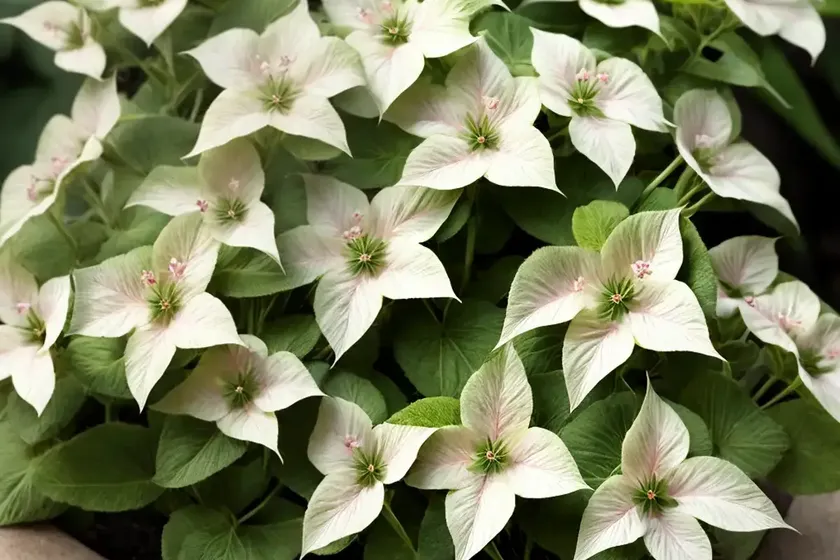
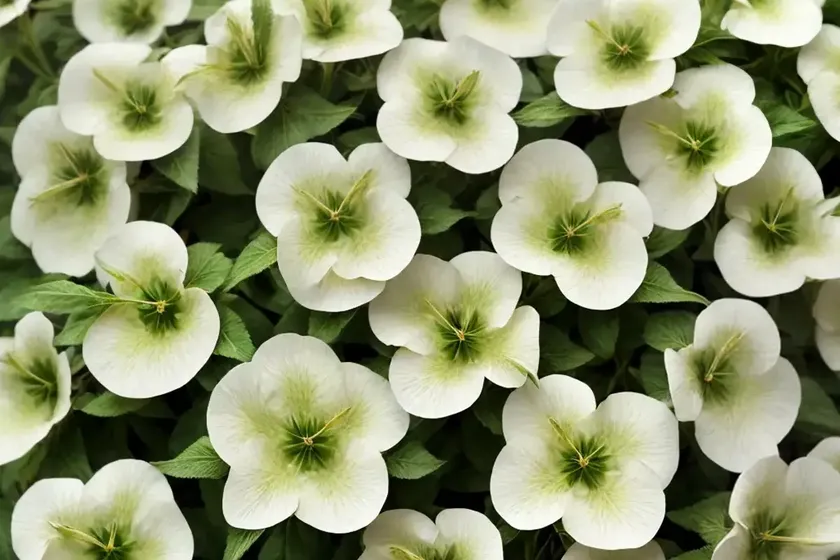
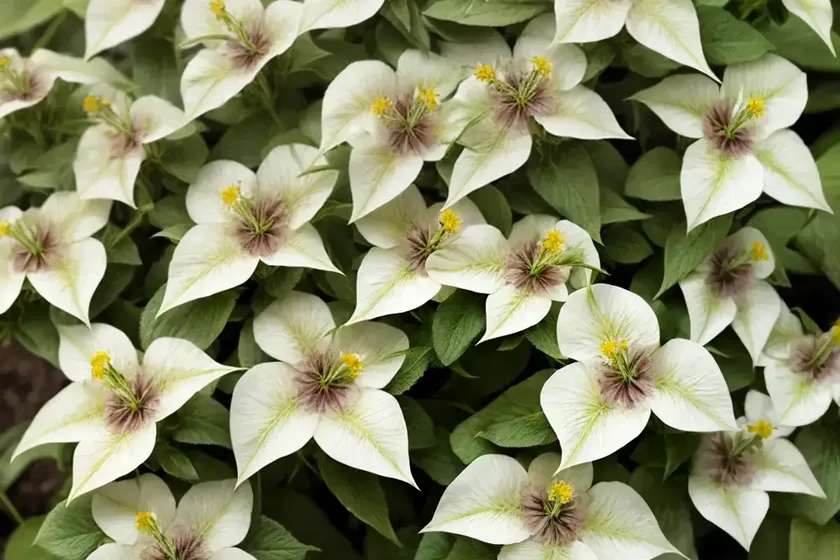
The Sweet Four O’Clock, scientifically known as Mirabilis longiflora, is a stunning flowering plant that captivates with its vibrant colors and unique features. As a plant scientist with a passion for exploring the intricacies of botanical wonders, the Sweet Four O’Clock has always fascinated me. In this comprehensive guide, we will delve into every aspect of this remarkable plant, from its cultural significance and uses to its ideal growing conditions, propagation methods, and even common diseases and pests that may affect it.
What is the Sweet Four O’Clock (Mirabilis longiflora)?
The Sweet Four O’Clock, or Mirabilis longiflora, is a member of the Nyctaginaceae family and is native to the southwestern United States and Mexico. This perennial plant is renowned for its tubular, trumpet-shaped flowers that bloom in a range of exquisite colors, including shades of pink, white, and yellow. What sets Mirabilis longiflora apart is its unique blooming pattern, where the flowers open in the late afternoon, emitting a sweet, delicate fragrance that lingers in the air, hence earning it the name “Four O’Clock.”
The plant’s botanical name, Mirabilis, is derived from the Latin word for “wonderful,” alluding to the remarkable beauty and properties of its flowers. The species name, longiflora, refers to the plant’s elongated flowers, providing an insight into its characteristic floral structure.
Key Takeaways – Sweet Four O’Clock (Mirabilis longiflora)
Before delving into the specific details of growing and caring for the Sweet Four O’Clock, it’s beneficial to outline some key takeaways to set the stage for our exploration. Let’s take a brief look at the essential aspects of this remarkable plant:
Culture
- Mirabilis longiflora is a perennial plant, requiring attention to soil, water, and sunlight to thrive.
- The plant has a unique blooming pattern, with flowers opening in the late afternoon, emitting a sweet fragrance.
Uses
- The Sweet Four O’Clock is valued for its ornamental appeal and fragrant blooms.
- It can be cultivated in container gardens and used as an attractive addition to landscapes.
Water
- Adequate watering is essential, promoting healthy growth and prolific flowering.
- The plant exhibits moderate drought tolerance but thrives with consistent moisture during its active growth phase.
Sunlight
- The Sweet Four O’Clock flourishes in full sun, with a preference for at least six hours of direct sunlight daily.
Fertilizer
- Balanced fertilization in spring supports robust growth and flowering.
Soil
- Well-draining, fertile soil is crucial, ideally with a slightly acidic to neutral pH level (6.0-7.0).
Pruning
- Regular deadheading and pruning can encourage continuous flowering and maintain a tidy appearance.
Propagation
- Mirabilis longiflora can be propagated from seeds and cuttings, offering opportunities for expansion and sharing its beauty.
Container Popularity
- The plant is well-suited to container gardening and can be grown in pots, adding versatility to its cultivation.
Common Diseases
- Mirabilis longiflora may be susceptible to certain fungal diseases and should be monitored for signs of infections.
Common Pests
- Insect pests such as aphids and spider mites can potentially affect the Sweet Four O’Clock and necessitate appropriate management.
Mirabilis longiflora Care Guide
Now that we’ve established a foundational understanding of the Sweet Four O’Clock, it’s time to delve into each aspect of its care and cultivation in detail. Let’s embark on a comprehensive exploration, covering everything from planting and propagation to maintenance and potential challenges.
1. Growing Sweet Four O’Clock
Cultivating the Sweet Four O’Clock presents an opportunity to indulge in the mesmerizing beauty of its flowers and experience the joy of nurturing a remarkable plant. To embark on a successful journey of growing Mirabilis longiflora, several crucial factors must be considered, including its preferred climate, soil requirements, and best practices for its propagation and care.
Climate Preferences
Mirabilis longiflora thrives in warm climates, favoring regions with ample sunlight and well-drained soil. It is well-adapted to the arid conditions of its native habitat, which makes it an excellent choice for gardeners in similar environments. The plant’s tolerance for hot, dry weather makes it an ideal candidate for gardens in regions with pronounced summer seasons.
Soil Requirements
The Sweet Four O’Clock flourishes in soil that is well-draining and rich in organic matter. It is essential to ensure that the soil provides adequate aeration and moisture retention while preventing waterlogging, which can be detrimental to the plant’s root system. A slightly acidic to neutral pH level in the range of 6.0-7.0 is ideal for supporting the plant’s nutrient uptake and overall health.
Planting Guide
When planting Mirabilis longiflora, it is advisable to choose a site that receives full sun, as the plant thrives in direct sunlight. Whether you opt for seeds or young plants, ensure that the chosen location offers the necessary sun exposure and conducive soil conditions. Proper spacing between individual plants allows for adequate air circulation and prevents overcrowding, promoting healthier growth and reducing the risk of disease.
Propagation Methods
The propagation of Mirabilis longiflora can be accomplished through seeds and cuttings, offering diverse options for expanding your plant collection or sharing the beauty of the Sweet Four O’Clock with others. Both methods have their unique benefits, and the choice between seeds and cuttings may depend on factors such as time, resources, and personal preferences.
Growing Sweet Four O’Clock from Seeds
- Start by acquiring high-quality seeds from a reputable source, ensuring that they are fresh and viable for successful germination.
- Begin the germination process indoors by sowing the seeds in seed-starting trays or containers filled with well-draining potting mix.
- Lightly cover the seeds with a thin layer of soil and gently water the containers to provide initial moisture for germination.
- Ensure that the containers are placed in a warm, well-lit area, maintaining consistent moisture levels to support the emergence of seedlings.
- Once the seedlings have developed several sets of true leaves and the weather conditions are favorable, they can be transplanted into the garden or larger containers.
Sweet Four O’Clock Propagation Methods
- Propagation from Cuttings: This method involves taking stem cuttings from established plants and encouraging their root development in a suitable growing medium. Select healthy, non-flowering stems for cutting, and place them in a growing medium that promotes root establishment. With proper care and attention, the cuttings will develop into independent plants, perpetuating the beauty of Mirabilis longiflora.
2. Sweet Four O’Clock Plant Care Tips
Proper care and maintenance are paramount to ensuring the health and vitality of the Sweet Four O’Clock. By adhering to best practices for watering, fertilization, and pruning, you can cultivate a flourishing display of vibrant flowers and lush foliage, accentuating the allure of your garden or landscape.
Water Needs
Sufficient and consistent watering is crucial for the well-being of Mirabilis longiflora. While the plant exhibits moderate drought tolerance once established, providing regular moisture during its active growth phase encourages robust flowering and overall vigor. Avoid overwatering, as excessive soil moisture can lead to root rot and other complications. Monitor the soil moisture levels and adjust your watering routine based on the specific needs of the plant and the prevailing environmental conditions.
Sun and Shade Tolerance
The Sweet Four O’Clock thrives in full sun, displaying its best growth and flowering performance when provided with at least six hours of direct sunlight each day. While it can tolerate partial shade, it may result in reduced flowering and overall vitality. Selecting a sunny location for planting or positioning containers ensures that the plant receives the optimal light exposure essential for its well-being.
Fertilization Techniques
Balanced fertilization in the spring helps support the vigorous growth and blooming of Mirabilis longiflora. Employ a slow-release, balanced fertilizer or organic amendments to provide the necessary nutrients for robust flowering and healthy foliage. Follow the recommended application rates and timing to prevent overfertilization, which can lead to excessive vegetative growth at the expense of flowering.
Pruning Techniques
Regular deadheading and pruning play a key role in maintaining the attractive appearance of the Sweet Four O’Clock and promoting continuous flowering. Remove spent flowers promptly to encourage the production of new blooms and prevent the development of seeds, which can compromise the plant’s energy resources. Additionally, pruning to shape the plant and remove any damaged or diseased foliage contributes to its overall health and aesthetic appeal.
Seasonal Care
Adapting your care practices to the changing seasons is vital for meeting the specific needs of Mirabilis longiflora throughout the year. During the growing season, focus on providing adequate water, maintaining a suitable fertilization regimen, and ensuring optimal exposure to sunlight. As the cooler months approach, adjust your watering frequency and protection measures to safeguard the plant from potential frost damage and prepare it for the approaching winter dormancy.
Mirabilis longiflora: Ornamental Features and Landscape Uses
The enchanting beauty of the Sweet Four O’Clock extends beyond its vibrant blooms, encompassing a range of ornamental features and landscape uses. Whether you’re seeking to integrate Mirabilis longiflora into a garden design or explore its potential in container gardening, the plant offers a plethora of opportunities to enliven outdoor spaces with its captivating presence.
Flower Colors
One of the most captivating aspects of the Sweet Four O’Clock is the diverse array of flower colors it exhibits. From delicate pinks to pristine whites and radiant yellows, the plant’s blossoms introduce an enchanting spectrum of hues to gardens and landscapes. When selecting varieties or planning your garden design, consider the harmonious combinations of colors that can accentuate the visual appeal of the flowers and enhance the overall aesthetic of the setting.
Landscape Design Ideas
The versatility of Mirabilis longiflora makes it an excellent addition to diverse landscape designs, from formal gardens to naturalistic settings. Utilize the plant’s vibrant blooms to add focal points, create colorful borders, or enhance the visual interest of mixed perennial beds. Additionally, its adaptability to container gardening allows for the creation of captivating displays on patios, porches, and other outdoor spaces, infusing them with the splendor of the Sweet Four O’Clock.
Container Gardening
For those with limited outdoor space or a preference for portable gardening options, Mirabilis longiflora shines as a container plant. Selecting an appropriately sized pot with adequate drainage and filling it with well-draining potting mix enables you to cultivate the plant in a container, opening avenues for versatile placement and mobility. Container-grown Sweet Four O’Clocks offer the flexibility to adorn balconies, terraces, and other areas with their captivating blooms and ornamental foliage.
Ornamental Features
Apart from its captivating flowers, the Sweet Four O’Clock boasts additional ornamental features that enhance its visual allure. The plant’s lush foliage, characterized by elegant, lance-shaped leaves, contributes to its aesthetic appeal and provides a verdant backdrop for the vibrant blooms. Incorporating Mirabilis longiflora as a standalone specimen or combined with companion plants showcases its ornamental value and elevates the overall charm of the landscape.
Mirabilis longiflora: Pests and Diseases
While the Sweet Four O’Clock is generally resilient and low-maintenance, it is essential to be mindful of potential pests and diseases that may affect the plant. By familiarizing yourself with common issues and implementing preventive measures, you can safeguard the health and vitality of Mirabilis longiflora and ensure its uninterrupted display of captivating blooms.
Disease Diagnosis
Mirabilis longiflora may be susceptible to certain fungal diseases, including powdery mildew and leaf spot, particularly under conditions of high humidity and poor air circulation. Monitor the plant for signs of abnormal leaf discoloration, powdery residue, or leaf lesions, and promptly address any indications of disease to prevent its escalation.
Common Pests
Insect pests such as aphids and spider mites pose potential threats to the Sweet Four O’Clock and require appropriate management to mitigate their impact. Regular inspection of the plant, particularly the undersides of leaves and tender growth, allows for early detection of pest infestations, enabling timely intervention to counteract their presence.
Pest Management Strategies
- Integrated Pest Management (IPM): Implement an IPM approach that combines cultural, mechanical, and biological control measures to manage pest populations effectively without resorting to excessive pesticide application. By fostering a balanced ecosystem and promoting natural predators of insect pests, you can maintain a healthier garden environment and minimize pest-related concerns.
Mirabilis longiflora: Fun Facts and Botanist’s Tips
As we continue our journey into the captivating realm of Mirabilis longiflora, let’s uncover some intriguing fun facts and valuable tips that shed light on the plant’s remarkable qualities and the expertise of botanists who appreciate its beauty and significance.
Fun Facts
- The genus name Mirabilis alludes to the wonderful nature of the plant, celebrating its captivating flowers and distinctive characteristics as marvels of the natural world.
- The Sweet Four O’Clock belongs to the Nyctaginaceae family, which encompasses an array of fascinating flowering plants known for their ornamental and botanical significance.
Botanist’s Tips
- Observation and Documentation: Engage in the practice of observing and documenting the growth and behavior of Mirabilis longiflora in your garden or landscape, fostering a deeper understanding of its adaptability and responses to environmental conditions.
- Companion Plant Selection: When incorporating the Sweet Four O’Clock into your garden, consider integrating companion plants that complement its ornamental qualities and provide support through beneficial interactions, such as pest control and soil enhancement.
- Harvesting and Ethnobotanical Uses: Explore the potential of Mirabilis longiflora for harvesting purposes and ethnobotanical applications, delving into its historical and contemporary significance in cultural practices and traditional remedies.
External Resources and Further Reading
As we conclude our comprehensive guide to the Sweet Four O’Clock, I invite you to explore additional resources and sources of information to expand your knowledge and appreciation of Mirabilis longiflora. The following links provide access to valuable insights, research findings, and practical guidance on cultivating and engaging with this remarkable plant:
- American Society for Horticultural Science – Mirabilis longiflora: Botanical Description and Cultivation Recommendations
- Royal Horticultural Society – Sweet Four O’Clocks: Ornamental Features and Landscape Design Ideas
- Botanical Gardens Conservation International – Conservation Status and Ethnobotanical Significance of Mirabilis longiflora
- International Society for Plant Pathology – Disease Management Strategies for Powdery Mildew in Ornamental Plants
- Entomological Society of America – Integrated Pest Management Resources for Aphid and Spider Mite Control
Conclusion
In the realm of botanical wonders, the Sweet Four O’Clock reigns as a captivating and enchanting presence, captivating enthusiasts and nature lovers with its vibrant blooms and ornamental allure. As we’ve embarked on a comprehensive exploration of Mirabilis longiflora, we’ve uncovered its cultural significance, growing requirements, ornamental features, and potential challenges, equipping you with a wealth of knowledge to cultivate and appreciate this remarkable plant.
By integrating the insights and recommendations shared in this guide into your gardening endeavors, you can embrace the beauty of the Sweet Four O’Clock and foster an enriched connection with the natural world. As you embark on your journey of growing and caring for Mirabilis longiflora, may the enchanting blooms of the Sweet Four O’Clock grace your outdoor spaces with timeless allure and captivating elegance.


