Swedish Ivy (Plectranthus strigosus): A Comprehensive Plant Care Guide
Introduction
As a plant scientist, it’s always fascinating to explore the diverse and beautiful world of plants. In this blog post, we’ll delve into the captivating realm of Swedish Ivy, scientifically known as Plectranthus strigosus. We’ll explore its cultural significance, uses, care requirements, propagation, common diseases, and much more. Whether you’re a seasoned plant enthusiast or a beginner looking to cultivate this charming plant, this comprehensive guide will provide you with valuable insights and expert tips for nurturing Swedish Ivy.
What is the Swedish Ivy (Plectranthus strigosus)?
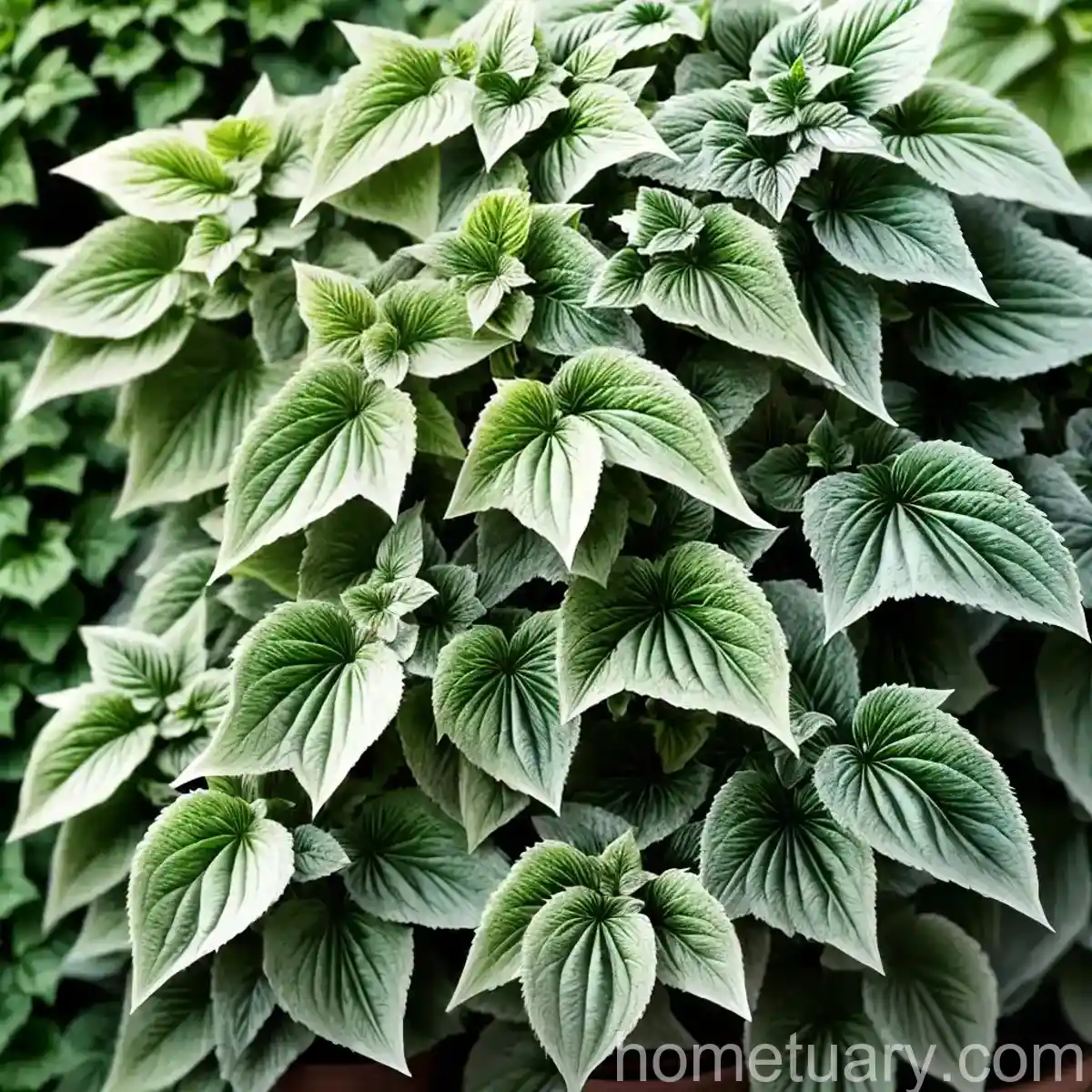
Plectranthus strigosus, commonly known as Swedish Ivy, is an enchanting trailing plant that belongs to the Lamiaceae family. Despite its name, Swedish Ivy is not native to Sweden but rather hails from parts of southern Africa. It is renowned for its lush, green foliage and its ability to thrive both indoors and outdoors, making it a popular choice for plant lovers around the world.
Key Takeaways – Swedish Ivy (Plectranthus strigosus)
Before we delve into the specifics of caring for Swedish Ivy, let’s take a look at some key takeaways that encapsulate the essence of this delightful plant:
- Versatile Plant: Swedish Ivy is versatile and can be grown both indoors and outdoors, adding a touch of natural beauty to any space.
- Trailing Growth Habit: With its trailing growth habit, Swedish Ivy is an excellent choice for hanging baskets, cascading over the edges and adding a graceful charm to its surroundings.
- Low-Maintenance: This plant is relatively low-maintenance, making it an ideal choice for plant enthusiasts of all levels, including beginners.
- Air-Purifying Qualities: Swedish Ivy is known for its air-purifying qualities, making it a beneficial addition to indoor environments.
- Medicinal Uses: Apart from its ornamental value, Swedish Ivy has been utilized in traditional medicine for its potential medicinal properties.
With these key takeaways in mind, let’s embark on an in-depth exploration of Swedish Ivy, covering its cultural significance, care requirements, propagation methods, and more.
Culture
Uses
Swedish Ivy is prized for its aesthetic appeal, versatility, and potential health benefits. Some of its primary uses include:
- Ornamental Purposes: With its trailing, cascading nature and vibrant green foliage, Swedish Ivy is widely used for ornamental purposes, adding a refreshing touch to homes, offices, and gardens.
- Air Purification: Like many indoor plants, Swedish Ivy contributes to air purification by removing certain toxins and impurities, thus enhancing indoor air quality.
- Potential Medicinal Uses: In traditional medicine, Swedish Ivy has been utilized for its potential medicinal properties, including its antimicrobial and anti-inflammatory qualities.
Water
Proper watering is crucial for the health and vitality of Swedish Ivy. Here are some essential tips to keep in mind:
- Moderate Watering: Swedish Ivy prefers moderately moist soil. Allow the top inch of the soil to dry out between watering sessions, and then water thoroughly, allowing excess water to drain away.
- Avoid Overwatering: While Swedish Ivy appreciates consistent moisture, overwatering can lead to root rot and other complications. Ensure that the soil is well-draining to prevent waterlogged conditions.
- Water Quality: Use room temperature water to avoid shocking the plant, and consider using filtered or distilled water to prevent salt and mineral buildup in the soil.
Sunlight
Proper sunlight is essential to ensure the healthy growth and development of Swedish Ivy. Consider the following guidelines for providing adequate sunlight:
- Indirect Light: Swedish Ivy thrives in bright, indirect light. While it can tolerate some direct sunlight, prolonged exposure to intense rays can lead to leaf scorching.
- Filtered Light: If growing Swedish Ivy indoors, consider placing it near east or west-facing windows where it can receive gentle, filtered sunlight throughout the day.
- Outdoor Placement: When cultivating Swedish Ivy outdoors, ensure that it is placed in a location with partial shade, providing a balance of light and shade to support its growth.
Fertilizer
Feeding Swedish Ivy with the appropriate nutrients is essential for promoting lush foliage and overall vigor. Here are some key considerations for fertilizing this delightful plant:
- Balanced Fertilizer: Use a balanced, water-soluble fertilizer formulated for indoor plants or foliage plants. Apply the fertilizer at half-strength every 4-6 weeks during the growing season, typically from spring to early autumn.
- Avoid Over-Fertilization: Over-Fertilization can lead to salt accumulation in the soil and may cause damage to the plant. Follow the recommended dosage and frequency to prevent overfeeding.
Soil
The right soil composition is crucial for the well-being of Swedish Ivy. Consider these guidelines when selecting or preparing the soil for this delightful plant:
- Well-Draining Soil: Swedish Ivy thrives in a lightweight, well-draining potting mix that retains moisture without becoming waterlogged. A mix formulated for indoor foliage plants or a combination of peat moss, perlite, and coarse sand is suitable.
- Soil pH: The ideal soil pH for Swedish Ivy ranges between 6.6 and 7.5. Ensure that the soil is slightly acidic to neutral for optimal growth.
- Repotting: Repot Swedish Ivy every 1-2 years, or when the roots become crowded and outgrow the current container. Repotting provides the plant with fresh, nutrient-rich soil and room for continued growth.
Pruning
Pruning plays a vital role in maintaining the health, appearance, and shape of Swedish Ivy. Follow these basic guidelines to effectively prune this beautiful plant:
- Regular Maintenance: Regularly remove any yellowing, damaged, or leggy foliage to encourage new growth and maintain the plant’s appearance.
- Pinching Tips: Pinch back the growing tips regularly to encourage bushier, fuller growth and prevent the plant from becoming too leggy.
- Size Control: Pruning can also be used to control the size and shape of Swedish Ivy, making it an ideal choice for compact, well-groomed displays.
Propagation
Swedish Ivy can be easily propagated through stem cuttings, allowing you to expand your collection or share this lovely plant with friends and family. Here’s a simple guide to propagating Swedish Ivy:
- Selecting Cuttings: Choose healthy, non-flowering stems, and take 3-4 inch cuttings just below a node, ensuring that each cutting has several leaves.
- Rooting Process: Place the cuttings in a water-filled container or directly into a moist, well-draining potting mix. Keep the cuttings in a warm, bright location, and monitor the soil moisture to encourage root development.
- Transplanting: Once the cuttings have developed a healthy root system, typically within a few weeks, they can be carefully transplanted into individual pots filled with potting mix.
Container Popularity
Swedish Ivy is a popular choice for container gardening, adding a graceful, trailing presence to various indoor and outdoor settings. Some popular container types for Swedish Ivy include:
- Hanging Baskets: The trailing nature of Swedish Ivy makes it an ideal choice for hanging baskets, allowing the foliage to cascade elegantly over the sides.
- Decorative Pots: When placed in decorative pots or containers, Swedish Ivy can serve as a captivating focal point, enhancing the visual appeal of any space.
- Window Boxes: Swedish Ivy can be incorporated into window boxes, adding a charming touch to windowsills or outdoor ledges.
Common Diseases
Despite being relatively low-maintenance, Swedish Ivy is susceptible to certain diseases and ailments. Here are some common diseases to watch out for:
- Powdery Mildew: This fungal disease manifests as a powdery, white substance on the foliage, typically caused by high humidity and poor air circulation. Use a fungicidal spray and ensure proper ventilation to prevent and control powdery mildew.
- Root Rot: Overwatering and waterlogged soil can lead to root rot, characterized by wilting, yellowing leaves, and a foul odor. Adjust the watering frequency and ensure well-draining soil to prevent root rot.
- Leaf Spot: Leaf spot diseases cause the formation of dark, irregular spots on the foliage, often resulting from overwatering or water splashing onto the leaves. Minimize excessive moisture and ensure proper air circulation to prevent leaf spot.
Disease Diagnosis
It’s essential to promptly diagnose and address any signs of disease or distress in Swedish Ivy to prevent further complications. Look out for the following symptoms to identify potential diseases:
- Yellowing Leaves: Yellowing leaves may indicate overwatering, nutrient deficiencies, or even root rot. Evaluate the watering practices, nutrition, and soil conditions to determine the cause.
- Powdery Residue: The presence of a powdery, white residue on the leaves signals powdery mildew, which requires prompt treatment to prevent its spread.
- Spots on Foliage: Dark spots or lesions on the foliage are indicative of leaf spot diseases, which should be addressed promptly to prevent the spread of the infection.
Common Pests
Swedish Ivy is also vulnerable to pest infestations that can hinder its growth and vitality. Keep an eye out for these common pests and take appropriate measures to manage them:
- Aphids: These small, pear-shaped insects feed on the sap of the plant, causing distorted growth and the formation of sticky honeydew. Use insecticidal soap or neem oil to control aphid infestations.
- Spider Mites: These tiny pests thrive in warm, dry conditions and often appear as tiny dots on the undersides of leaves. Regularly mist the foliage and use insecticidal soap to deter spider mites.
- Mealybugs: Mealybugs are small, white, cottony insects that gather on the stems and leaf joints, sapping the plant’s vitality. Remove them manually and use insecticidal treatments to manage infestations.
Botanist’s Tips
To conclude, here are some valuable tips from a botanist that can aid in the successful cultivation of Swedish Ivy:
- Maintain Consistent Moisture: Strive to maintain consistent moisture levels in the soil, avoiding both prolonged dryness and waterlogged conditions.
- Monitor Light Exposure: Test different locations within your home to determine the optimal balance of light and shade for your Swedish Ivy, ensuring that it receives adequate but not excessive sunlight.
- Regular Inspections: Take the time to inspect your Swedish Ivy regularly for signs of pests, diseases, or any other issues that may arise, addressing them promptly to maintain the plant’s vitality.
Fun Facts
Before we wrap up, let’s explore some intriguing and fascinating facts about Swedish Ivy:
- Historical Medicinal Use: Swedish Ivy has a history of traditional medicinal use, with some cultures utilizing its purported antimicrobial and anti-inflammatory properties.
- Variety of Names: Swedish Ivy is known by a variety of names, including Creeping Charlie, Swedish Begonia, and Hanging Swedish Ivy, reflecting its diverse cultural associations and alternate monikers.
- Insect-Repelling Qualities: Some sources suggest that Swedish Ivy may possess insect-repelling qualities, offering a natural means of deterring certain pests from indoor spaces.
Links to External Resources
As we continue to expand our knowledge and appreciation of Swedish Ivy, it’s valuable to explore additional resources for further insights and information:
- The Spruce – Swedish Ivy (Plectranthus verticillatus)
- Gardening Know How – Swedish Ivy Care: How To Grow Swedish Ivy Plant
- Miss Smarty Plants – Plectranthus verticillatus (Swedish Ivy)
Conclusion
In the enchanting realm of plants, Swedish Ivy (Plectranthus strigosus) stands out as a captivating and versatile addition to both indoor and outdoor spaces. With its trailing growth habit, lush green foliage, and potential medicinal properties, Swedish Ivy offers a myriad of benefits and opportunities for plant enthusiasts of all levels.
Through a careful balance of watering, light exposure, fertilizer application, and vigilant pest and disease management, you can nurture Swedish Ivy to thrive and flourish, adding a touch of natural beauty and tranquility to your surroundings. Whether suspended in a hanging basket, adorning a decorative pot, or gracing a window box, Swedish Ivy brings a sense of elegance and vitality to any setting.
As we delve deeper into the captivating world of plants, Swedish Ivy serves as a reminder of the inherent beauty and intrinsic value of the natural world. By gaining a deeper understanding of its care requirements and cultural significance, we can cultivate a profound appreciation for the resplendent diversity of plant life that surrounds us.