Chestnut Oak (Quercus montana): A Comprehensive Guide
Chestnut oak (Quercus montana) is a majestic tree species with a rich ecological impact and a host of practical uses. In this comprehensive guide, we will delve into the characteristics, cultivation, uses, and much more about the chestnut oak. We will explore its growth habits, environmental significance, conservation, and also its wood characteristics, among other aspects. So, let’s embark on this journey to discover the fascinating world of Quercus montana.
What is Chestnut Oak (Quercus montana)?
Quercus montana Growth Habits
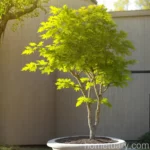
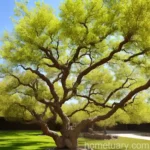
Chestnut oak, scientifically known as Quercus montana, is a species of white oak native to eastern North America. It is a medium-to-large deciduous tree, known for its tall, straight trunk and broad crown. Chestnut oak reaches an average height of 60 to 70 feet, with exceptional specimens growing up to 100 feet. Its stout branches form a dense, rounded crown that provides ample shade.
Quercus montana Characteristics
The leaves of the chestnut oak are simple, alternate, and oblong in shape, with deeply toothed margins. They are lustrous, dark green in the summer, turning to rich shades of yellow and brown in the fall, adding to the tree’s ornamental value. The bark of mature trees is distinctively characterized by ridges and deep furrows, establishing its visual appeal in natural landscapes.
Chestnut Oak Tree Varieties
Several varieties and cultivars of Quercus montana exist, each with unique characteristics and adaptability to specific environments. Understanding these variations is crucial for selecting the most suitable chestnut oak for a given landscape or purpose.
Key Takeaways – Chestnut Oak (Quercus montana)
To provide a comprehensive understanding of Quercus montana, we will delve into the cultivation, cultural significance, uses, and maintenance aspects of this remarkable tree species.
Culture
Chestnut Oak Tree Planting Instructions
When planting chestnut oak, it is essential to consider the soil composition, drainage, and available light. The following factors need attention for successful establishment:
- Optimal soil: Well-drained, acidic soils are preferred, although chestnut oak can tolerate various soil types, including rocky, sandy, or clay soils.
- Sunlight: Chestnut oak thrives in full sun to partial shade, making it an adaptable species for diverse planting locations.
- Water: While chestnut oak has moderate drought tolerance, it benefits from regular watering, particularly in the early stages of growth.
Uses
Chestnut Oak Tree Uses
Chestnut oak offers a range of practical and ecological uses. Understanding its multifaceted utility is key to appreciating its significance in various contexts:
- Wood Products: The timber of chestnut oak is highly valued for its strength and durability, making it a favored material for furniture, fencing, and flooring.
- Wildlife Habitat: The acorns of Quercus montana are an important food source for wildlife, contributing to its ecological role in supporting diverse species.
- Landscape Ornament: The robust stature and attractive foliage of chestnut oak enhance the aesthetic appeal of parks, gardens, and natural habitats.
Maintenance
Quercus montana Tree Care
- Fertilizer: While generally self-sufficient, young chestnut oak trees may benefit from a balanced fertilizer application during their early growth stages to support healthy development.
- Soil: Acidic, well-drained soils are ideal for chestnut oak. Regular mulching aids in moisture retention and provides essential organic matter to the soil.
- Pruning: Minimal pruning is required for chestnut oak, primarily for shaping young trees and removing dead or damaged branches.
Propagation
Quercus montana Tree Propagation
Chestnut oak is propagated from acorns, which require specific treatment to enhance germination rates. Understanding the propagation process is vital for producing healthy, vigorous seedlings.
- Seed Collection: Acorns are harvested in the fall and require thorough cleaning before storage to prevent fungal growth and maintain viability.
- Germination: Pre-germination treatments, such as stratification, enhance the germination potential of chestnut oak acorns, ensuring successful establishment.
Container
Quercus montana in Containers
While chestnut oak is primarily a tree for large landscapes, it can be effectively grown in containers under certain conditions.
- Container Size: Large, deep containers are necessary to accommodate the deep taproot and extensive lateral roots of chestnut oak.
- Soil Mix: Well-draining, acidic soil blends are crucial for container cultivation, ensuring optimal growth conditions.
Popularity
Chestnut oak has gained popularity as an ornamental and functional tree species due to its striking appearance, wildlife support, and wood quality. The increasing recognition of its ecological benefits and adaptability to diverse climates has also contributed to its growing popularity.
Common Diseases
An understanding of common diseases affecting Quercus montana is essential for implementing preventive measures and prompt management strategies. Several pathogens and environmental stressors pose significant risks to the health of chestnut oak trees, necessitating proactive care and monitoring.
Disease Diagnosis
- Anthracnose: Fungal disease causing leaf spots and defoliation, particularly in humid conditions.
- Oak Wilt: A devastating vascular disease impacting oak species, characterized by wilting and rapid decline of affected trees.
- Powdery Mildew: Fungal infection causing a powdery growth on leaves and shoots, affecting overall tree health.
Common Pests
Pest management is crucial for sustaining the health and vigor of chestnut oak populations, particularly in urban and landscaped settings. Understanding the common pests and their impact aids in developing effective control measures.
Chestnut Oak Tree Pests
- Gypsy Moth: Caterpillars of the gypsy moth can defoliate entire chestnut oak trees during outbreaks, necessitating proactive monitoring and intervention.
- Oak Leaf Miner: Larval feeding damage from oak leaf miners can weaken chestnut oak trees, affecting their overall health and vigor.
- Scale Insects: Infestations of scale insects can lead to weakened tree growth and susceptibility to secondary pests and diseases.
Botanist’s Tips
Quercus montana Tree Maintenance Tips
Incorporating expert insights and best practices into chestnut oak tree care ensures optimal growth and longevity. Botanist-recommended tips provide valuable guidance for nurturing healthy and resilient Quercus montana specimens.
- Soil Testing: Regular soil testing enables the assessment of nutrient levels and pH, facilitating targeted fertilization to address specific deficiencies.
- Pruning Practices: Strategic pruning methods, focusing on maintaining strong branch structure and promoting air circulation, play a pivotal role in maintaining tree health.
Fun Facts
Chestnut oak harbors a tapestry of fascinating attributes and ecological interactions. Exploring these captivating facets provides a deeper appreciation for this iconic tree species.
- Longevity: Chestnut oak has an impressive lifespan, with some individuals living for several centuries, contributing to the historical tapestry of forests.
- Ecological Role: As a dominant species in various forest ecosystems, chestnut oak influences biodiversity and supports a myriad of wildlife species through its acorn production.
Links to External Resources
To supplement this comprehensive guide, external resources offering in-depth information on chestnut oak are invaluable for further exploration and research.
Conclusion
In conclusion, the multifaceted attributes of chestnut oak (Quercus montana) as a valuable tree species encompass its ecological significance, varied uses, and cultural relevance. Understanding its growth habits, environmental interactions, and management requirements is essential for nurturing robust and sustainable populations of chestnut oak. By embracing the holistic perspective presented in this comprehensive guide, we gain a deeper appreciation for the irreplaceable role of Quercus montana in our natural and cultivated landscapes.
Chestnut oak remains an enduring emblem of resilience, diversity, and ecological interconnectedness, enriching our surroundings and enriching our understanding of the intricate tapestry of life in which it plays an integral part.
By delving into the complexities and practical applications of chestnut oak, we embark on a journey of discovery and appreciation, unveiling the enduring legacy of this remarkable tree species.
Keywords: Quercus montana growth habits, Quercus montana characteristics, Chestnut oak tree varieties, Quercus montana leaf shape, Chestnut oak tree identification, Quercus montana tree care, Chestnut oak bark description, Quercus montana tree diseases, Chestnut oak tree pruning tips, Quercus montana tree lifespan, Chestnut oak tree planting instructions, Quercus montana leaf color, Chestnut oak tree pests, Quercus montana tree size, Chestnut oak tree root system, Quercus montana tree benefits, Chestnut oak tree uses, Quercus montana tree facts, Chestnut oak tree adaptations, Quercus montana tree symbolism, Chestnut oak tree ecological importance, Quercus montana tree conservation, Chestnut oak tree wood characteristics, Quercus montana tree location, Chestnut oak tree wildlife habitat, Quercus montana tree ecosystem role, Chestnut oak tree climate requirements, Quercus montana tree native range, Chestnut oak tree medicinal uses, Quercus montana tree folklore, Chestnut oak tree nutrient requirements, Quercus montana tree seasonal changes, Chestnut oak tree root diseases, Quercus montana tree factors affecting growth, Chestnut oak tree leaf litter decomposition, Quercus montana tree leaf senescence, Chestnut oak tree fall foliage colors, Quercus montana tree wood density, Chestnut oak tree habitat restoration, Quercus montana tree canopy cover, Chestnut oak tree shade tolerance, Quercus montana tree crown structure, Chestnut oak tree carbon sequestration, Quercus montana tree water requirements, Chestnut oak tree wind resistance, Quercus montana tree urban planting, Chestnut oak tree fire resistance, Quercus montana tree seed dispersal, Chestnut oak tree genetic diversity, Quercus montana tree pollination mechanisms