All About Swamp Morning-Glory (Ipomoea aquatica)
Swamp morning-glory, scientifically known as Ipomoea aquatica, is a fascinating plant with a wide array of cultural, culinary, and medicinal uses. Originating from Southeast Asia, this semi-aquatic perennial herbaceous plant belongs to the Convolvulaceae family. Its vibrant green leaves and delicate flowers make it a beautiful addition to gardens, while its nutritional and health benefits have made it a popular choice for consumption.
In this comprehensive guide, we will delve into the various aspects of Ipomoea aquatica, including its culture, uses, cultivation requirements, common diseases and pests, and much more. Whether you’re a seasoned gardener, a culinary enthusiast, or someone interested in natural remedies, this article aims to provide you with valuable insights into the world of swamp morning-glory.
What is Swamp Morning-Glory (Ipomoea aquatica)?
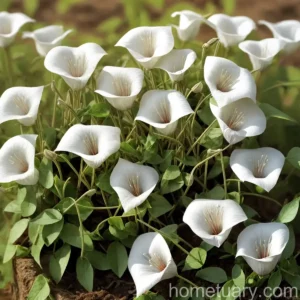
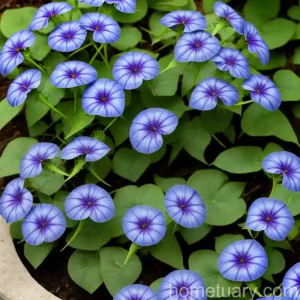
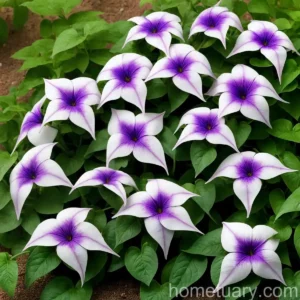
Ipomoea aquatica is commonly known by several names including water spinach, water morning-glory, Chinese watercress, and river spinach. It is characterized by its long, hollow stems and arrowhead-shaped leaves that are typically around 5-15cm in length. The plant produces small, attractive, and delicate trumpet-shaped flowers that can range in color from white to lavender.
Key Takeaways – Swamp Morning-Glory (Ipomoea aquatica)
Here are some key takeaways to pique your interest before we delve into the details:
- Ipomoea aquatica benefits: Rich in nutrients, Ipomoea aquatica offers numerous health benefits, making it a valuable addition to your diet.
- Swamp morning-glory uses: This versatile plant is used in culinary dishes, traditional medicine, and as a natural remedy for various health conditions.
- Growing Ipomoea aquatica: Cultivating swamp morning-glory requires specific care and attention to provide optimal growing conditions.
- Health benefits of swamp morning-glory: Consuming Ipomoea aquatica can promote overall well-being and offer medicinal properties.
- Ipomoea aquatica cultivation: Understanding the growing requirements of swamp morning-glory is essential for successful cultivation.
- How to care for swamp morning-glory: Proper care and maintenance play a crucial role in the health and vitality of Ipomoea aquatica plants.
- Swamp morning-glory plant guide: This comprehensive guide will equip you with the knowledge to grow, use, and benefit from swamp morning-glory.
- Ipomoea aquatica in gardens: With its ornamental appeal and culinary uses, Ipomoea aquatica can be a valuable addition to any garden.
- Medicinal properties of swamp morning-glory: Traditional medicine recognizes the therapeutic properties of swamp morning-glory for various ailments.
- Swamp morning-glory characteristics: Understanding the unique characteristics of Ipomoea aquatica is essential for its successful cultivation.
Now, let’s explore each aspect of swamp morning-glory in detail to gain a comprehensive understanding of this remarkable plant.
Culture
Understanding the cultural significance and traditional uses of Ipomoea aquatica provides valuable insights into its multi-faceted role in various communities. The plant has a rich history and has been cherished for its culinary and medicinal properties for centuries.
Uses
Culinary Uses
Ipomoea aquatica is prominently featured in the culinary traditions of many countries, especially in Southeast Asia. The tender shoots and leaves of the plant are often used in stir-fries, soups, curries, and salads. Its mild, slightly peppery flavor makes it a versatile ingredient that complements a wide range of dishes.
Medicinal Uses
In traditional medicine, Ipomoea aquatica is valued for its purported health benefits. It is believed to have diuretic properties and is often used to promote kidney health and alleviate water retention. Additionally, the plant is used in herbal remedies for conditions such as fever and inflammation.
Growing Swamp Morning-Glory (Ipomoea aquatica)
Cultivating Ipomoea aquatica requires careful attention to its growing conditions to ensure optimal growth and vitality. Whether you’re considering adding this plant to your garden or planning to grow it for its culinary or medicinal uses, understanding its cultivation requirements is essential for success.
Water
Being a semi-aquatic plant, Ipomoea aquatica thrives in moist environments. It is well-suited to grow in or near bodies of water, making it an ideal choice for areas with access to ponds, streams, or water features. When grown in gardens or containers, regular and consistent watering is essential to maintain adequate soil moisture.
Sunlight
Swamp morning-glory benefits from full sun to partial shade. In cooler climates, providing it with full sun exposure can help ensure vigorous growth and abundant foliage. In warmer regions, partial shade can offer some protection from intense sunlight and heat, especially during the peak of summer.
Fertilizer
When it comes to fertilizing Ipomoea aquatica, a balanced, all-purpose fertilizer can be applied during the growing season to promote healthy growth. Organic fertilizers, such as compost or well-rotted manure, can also be used to enrich the soil and provide essential nutrients to the plants.
Soil
Ipomoea aquatica prefers well-draining, fertile soil with a slightly acidic to neutral pH. Loamy soils that retain moisture while allowing excess water to drain are well-suited for cultivating swamp morning-glory. If growing the plant in containers, a high-quality potting mix with added organic matter can provide the necessary nutrients and drainage.
Pruning
Regular pruning can help manage the growth of Ipomoea aquatica and encourage lush, bushy foliage. Trimming back the stems and leaves can promote branching and prevent the plant from becoming overly leggy. Pruning can also help maintain the plant’s overall shape and appearance in both garden and container settings.
Propagation
Swamp morning-glory can be propagated through stem cuttings or by collecting and planting its seeds. Stem cuttings should be taken from healthy, established plants and rooted in a suitable growing medium. When collecting seeds, it’s important to ensure they are fully mature before sowing to enhance the chances of successful germination.
Container Popularity
Ipomoea aquatica is well-suited for container gardening, making it an excellent choice for individuals with limited garden space. Its tolerance for wet conditions also makes it suitable for hydroponic or aquaponic setups, providing opportunities for creative and versatile cultivation.
Common Diseases and Pests
Like any plant, Ipomoea aquatica is susceptible to certain diseases and pests that can impact its overall health and vigor. Recognizing these issues and implementing appropriate control measures is crucial for maintaining the vitality of swamp morning-glory.
Disease Diagnosis
Common diseases that can affect Ipomoea aquatica include fungal infections such as powdery mildew and leaf spot diseases. Additionally, bacterial blight and viruses may also pose a threat to the plant. Regular inspection of the foliage for signs of discoloration, spots, or unusual growth can aid in early disease detection.
Common Pests
Pests such as aphids, spider mites, and caterpillars are known to occasionally infest Ipomoea aquatica plants. These pests can cause damage to the foliage and reduce the plant’s overall vigor if left unchecked. Implementing integrated pest management strategies can help control pest populations while minimizing harm to beneficial organisms.
Botanist’s Tips
Cultivating Ipomoea aquatica can be a rewarding experience when approached with the right knowledge and techniques. Here are some valuable tips to enhance your success with growing and caring for swamp morning-glory:
-
Provide Adequate Water: Ensure consistent moisture, especially when growing Ipomoea aquatica in containers or gardens with well-draining soil.
-
Regular Feeding: Apply a balanced fertilizer during the growing season to provide essential nutrients for healthy growth and development.
-
Sunlight Considerations: Determine the ideal sun exposure based on your local climate and ensure swamp morning-glory receives adequate light for optimal growth.
-
Monitor for Pests and Diseases: Regularly inspect the plant for signs of pests and diseases, and take prompt action to address any issues that arise.
-
Harvesting Practices: When harvesting leaves and stems for culinary or medicinal use, do so selectively to promote continuous growth and regeneration.
-
Pruning Techniques: Practice regular pruning to control the plant’s growth and shape, encouraging a bushy and vibrant appearance.
-
Propagate Wisely: If propagating Ipomoea aquatica, ensure that the chosen method aligns with the plant’s growth habits and requirements.
Fun Facts
To further intrigue you with the wonder of swamp morning-glory, here are some fascinating fun facts about Ipomoea aquatica:
- In traditional Chinese medicine, Ipomoea aquatica is used to support healthy kidney function and promote detoxification.
- The plant is considered an invasive species in some regions due to its ability to quickly colonize waterways and agricultural areas.
- Ipomoea aquatica is also known by the name “kangkong” in various Southeast Asian countries, where it is a staple ingredient in local cuisines.
- The flowers of swamp morning-glory are often visited by pollinators such as bees and butterflies, contributing to the ecological diversity of the surrounding area.
Links to External Resources
For further exploration of swamp morning-glory and its diverse applications, consider the following external resources:
- Growing Water Spinach in the Aquaponics System
- Traditional Uses and Health Benefits of Swamp Morning-Glory
- Culinary Uses and Recipes Featuring Ipomoea aquatica
- Medicinal Properties and Herbal Remedies Using Swamp Morning-Glory
- Gardening Tips and Container Cultivation of Ipomoea aquatica
In conclusion, Ipomoea aquatica stands as a plant of remarkable versatility, offering a blend of culinary, cultural, and medicinal value. Whether you seek to grow it for its lush foliage, incorporate it into your culinary creations, or explore its traditional uses, this exceptional plant has much to offer. By understanding its optimal growing conditions and various applications, you can fully appreciate the potential of swamp morning-glory in enriching your garden, your meals, and your well-being.