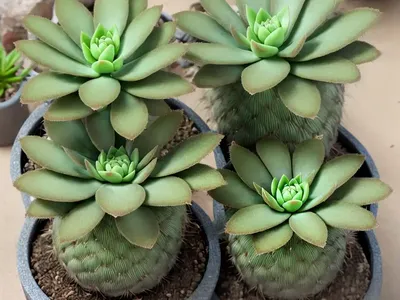
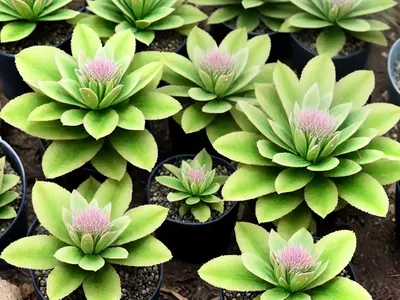
Sunrise Succulent (Anacampseros Rufescens)
Plants have been an integral part of our lives for centuries, providing us with oxygen, food, and beauty. The world of plants is diverse and fascinating.
Plants have been an integral part of our lives for centuries, providing us with oxygen, food, and beauty. The world of plants is diverse and fascinating, with different species exhibiting various characteristics that have attracted the attention of botanists, horticulturists, and nature enthusiasts.
One such intriguing plant is the Sunrise Succulent, scientifically known as Anacampseros rufescens. This unique succulent, with its stunning foliage and low maintenance requirements, has gained popularity among plant lovers and gardening enthusiasts. Characterized by its vibrant colors and resilience, the Sunrise Succulent has become a sought-after addition to indoor and outdoor gardens.
In this comprehensive guide, we will delve into the world of Anacampseros rufescens, exploring its cultural requirements, uses, maintenance, and ways to propagate and care for this beautiful plant. Whether you are a seasoned plant enthusiast or a beginner looking to expand your greenery collection, this guide will provide you with valuable insights into nurturing and enjoying the captivating Sunrise Succulent.
Key Takeaways – Sunrise Succulent (Anacampseros rufescens)
Cultural Description
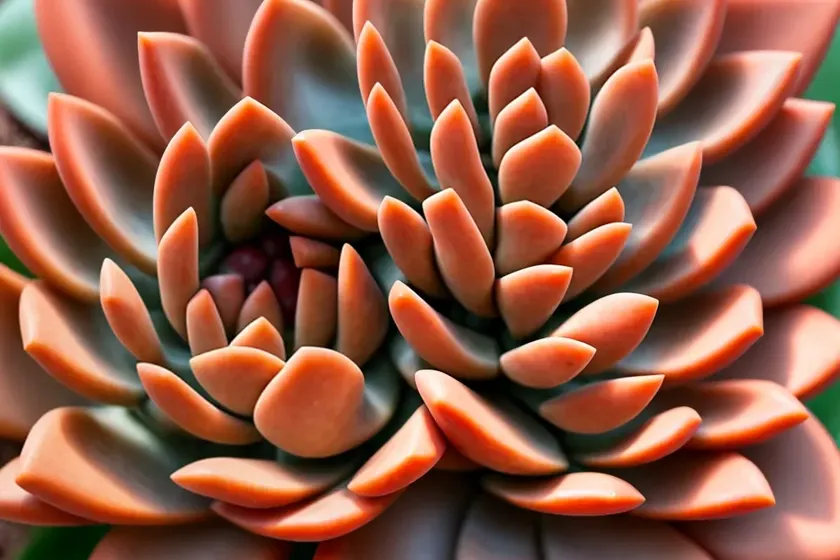
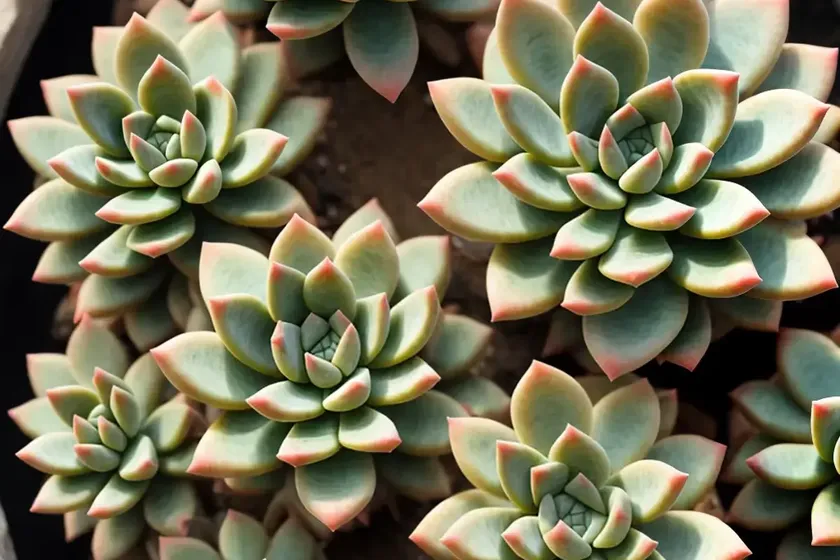
Anacampseros rufescens, commonly known as the Sunrise Succulent, is a species of flowering succulent plant belonging to the Portulacaceae family. Native to South Africa, this resilient and visually striking plant is prized for its rosettes of colorful, fleshy leaves. The name “Anacampseros” is derived from the Greek words “anakampto,” meaning “to bend back,” and “eros,” meaning “love,” alluding to the plant’s ability to revive and flourish after drying out. The specific epithet “rufescens” refers to its reddish or blush coloration, which becomes especially vibrant under stress or strong light conditions.
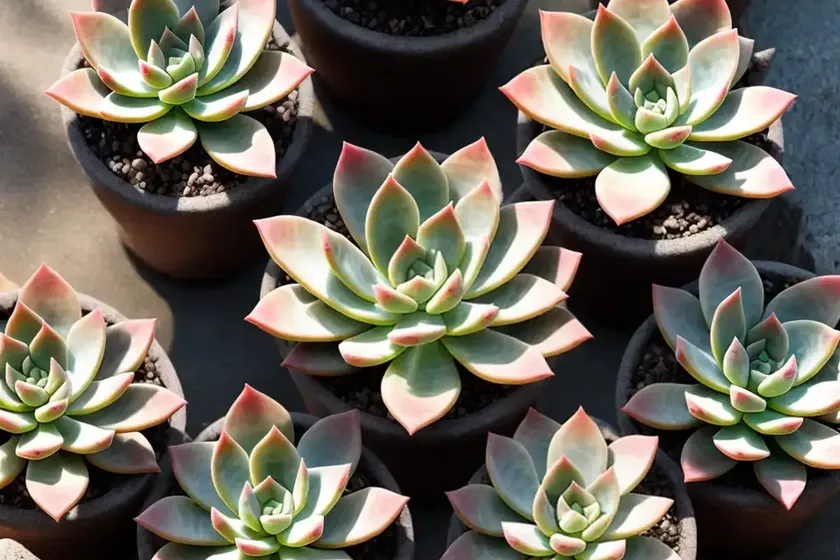
The Sunrise Succulent exhibits a low-growing, clumping growth habit, with each rosette producing offsets or “pups,” allowing the plant to spread and form visually stunning clusters over time. Its leaves typically feature a mix of colors, ranging from green to pink, purple, or red, creating a captivating display that changes with light exposure and environmental conditions. Furthermore, when in bloom, Anacampseros rufescens produces delicate, star-shaped flowers in shades of pink, adding an extra layer of charm to its already captivating appearance.
Culture
-
Origin: Indigenous to South Africa, particularly in the Eastern Cape province and areas of the Great Karoo region, Anacampseros rufescens thrives in arid and semi-arid environments. Known for its ability to endure dry conditions and intense sunlight, this succulent has adapted to survive in challenging habitats, making it an excellent choice for water-wise gardening and xeriscaping projects.
-
Uses: The Sunrise Succulent is a versatile plant that can be utilized in various settings and arrangements. Its eye-catching foliage and compact growth make it an ideal candidate for rock gardens, succulent displays, container gardening, and indoor plant collections. Additionally, its drought tolerance and low maintenance requirements make it a popular choice for landscapes and gardens that prioritize water conservation and sustainability.
Cultural Requirements
The successful cultivation of the Sunrise Succulent relies on meeting its specific cultural requirements, including water, sunlight, fertilizer, soil, and maintenance practices.
Water
-
Anacampseros rufescens watering: An essential aspect of nurturing Anacampseros rufescens is understanding its watering needs. Being a succulent, this plant is adapted to store water in its fleshy leaves, allowing it to withstand periods of drought. To mimic its natural habitat and prevent issues such as root rot, it is crucial to practice a watering regimen that allows the soil to dry out between waterings. Overwatering can be detrimental to the plant’s health, leading to root rot and other moisture-related issues.
-
Sunlight: Anacampseros rufescens sunlight requirements: As a desert-dwelling succulent, the Sunrise Succulent thrives in bright, indirect light or partial shade. While it appreciates ample sunlight, especially in the morning or late afternoon, it should be protected from harsh midday sun, which can lead to sunburn and leaf damage. When grown indoors, placing the plant near a sunny window or providing it with supplemental grow lights can help achieve the light conditions it prefers.
-
Fertilizer: When it comes to fertilizing Anacampseros rufescens, a balanced, water-soluble fertilizer formulated for succulents or cacti can be applied sparingly during the growing season. It is essential to dilute the fertilizer to half or quarter strength to avoid overfeeding the plant, and fertilization should be reduced or halted during the winter months when the plant is in a state of dormancy.
-
Soil: The choice of soil for Sunrise Succulents is crucial for their overall health and growth. Anacampseros rufescens thrives in well-draining, gritty mixtures that mimic its natural sandy and rocky habitats. A combination of cactus or succulent potting mix, perlite, and coarse sand can be ideal for promoting good drainage and preventing waterlogged conditions.
-
Pruning: While pruning requirements for Anacampseros rufescens are minimal, removing dead or damaged leaves and spent flower stems can help maintain the plant’s appearance and encourage healthy growth. It is essential to use clean, sharp scissors or pruning shears to prevent the transmission of diseases or pests.
Propagation
Sunrise Succulents can be propagated through various methods, including division, offsets, leaf cuttings, and seed propagation. Each approach provides an opportunity to create new plants and expand your Anacampseros rufescens collection.
Container Popularity
Given its compact growth habit and ornamental appeal, Anacampseros rufescens is well-suited for container gardening. The use of decorative pots and containers can enhance the visual impact of this striking succulent, making it an excellent choice for tabletop arrangements, windowsill displays, and indoor plant collections.
Common Diseases and Pests
While Anacampseros rufescens is relatively resilient, it can be susceptible to certain pests and diseases, including mealybugs, aphids, root rot, and fungal issues. Implementing good cultural practices, such as proper watering and soil management, can help prevent these issues and promote the overall health of the plant.
Botanist’s Tips
- When selecting a container for Anacampseros rufescens, prioritize those with drainage holes to prevent waterlogging and root rot.
- Consider incorporating Sunrise Succulents into mixed succulent arrangements to showcase their exquisite colors and textures.
- Regularly monitor the plant’s growth and adjust watering and light conditions as needed to meet its evolving requirements.
Fun Facts
- Anacampseros rufescens is also referred to as “Sand Rose” due to its natural habitat and rose-like leaf arrangement.
- The vibrant colors of the Sunrise Succulent are intensified by stress factors such as sunlight exposure and drought, resulting in a breathtaking display of hues.
Links to External Resources
For further information and resources on Anacampseros rufescens and succulent care, the following links are recommended:
- The Spruce – How to Grow and Care for Anacampseros
- World of Succulents – Anacampseros rufescens
- Gardening Know How – Anacampseros Information
The beauty and resilience of Anacampseros rufescens make it a captivating addition to any plant collection. Its low maintenance requirements and striking visual appeal have solidified its position as a sought-after succulent for both indoor and outdoor settings. By understanding and meeting its cultural needs, plant enthusiasts can enjoy the ever-changing display of colors and textures offered by the Sunrise Succulent, enriching their green spaces with its unique charm.