Anacampseros Telephiastrum (Anacampseros Telephiastrum)
When it comes to indoor plants, Anacampseros Telephiastrum, also known as the Sunrise succulent, is a popular choice among plant enthusiasts. This stunning.
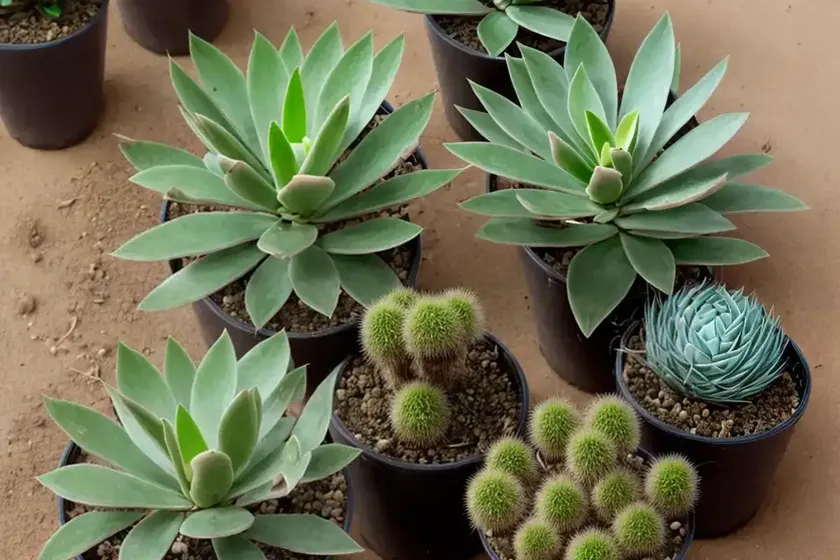
When it comes to indoor plants, Anacampseros Telephiastrum, also known as the Sunrise succulent, is a popular choice among plant enthusiasts. This stunning succulent is known for its vibrant and colorful foliage, making it a beautiful addition to any indoor or outdoor plant collection. In this comprehensive guide, we will delve into the care, propagation, and various uses of the Anacampseros Telephiastrum, providing you with all the information you need to ensure its thriving growth.
What is Anacampseros Telephiastrum?
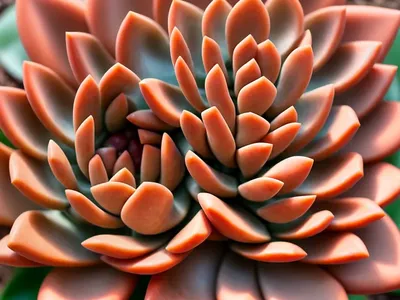
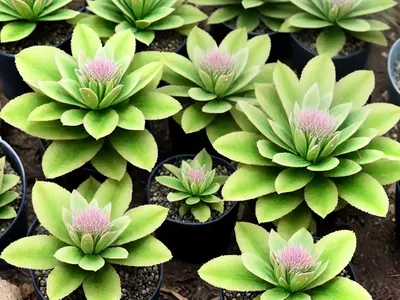
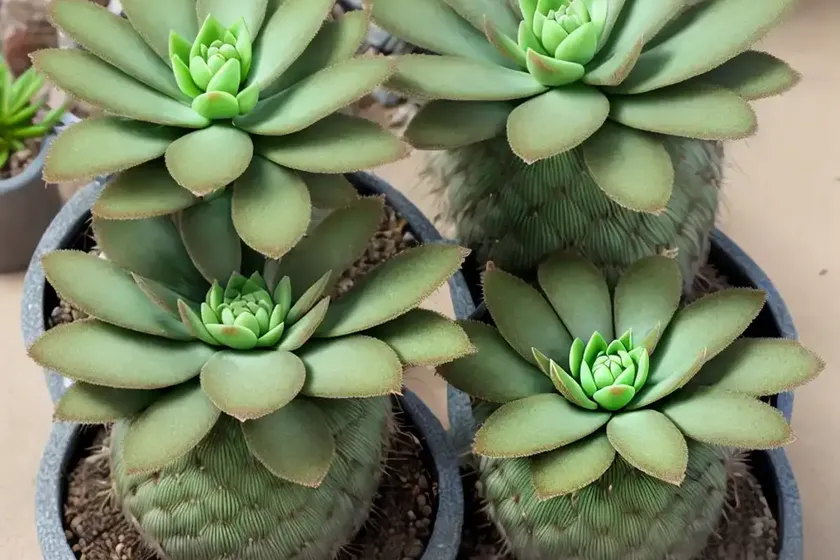
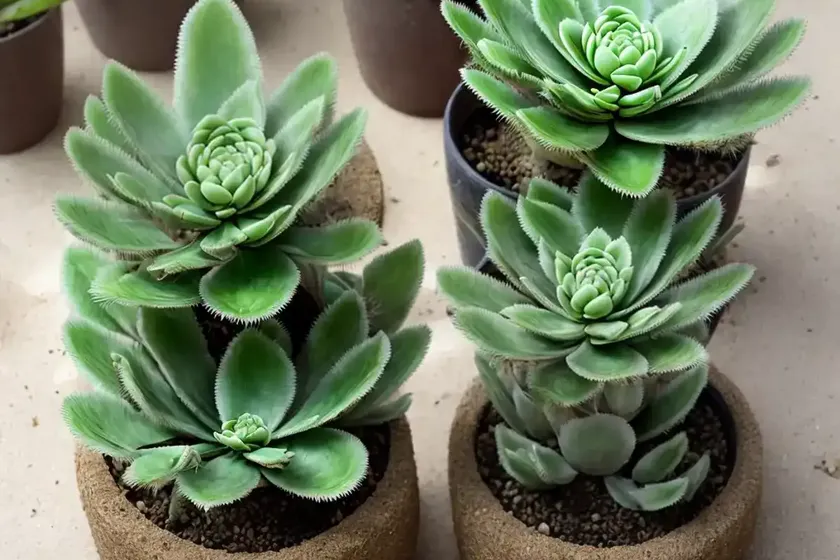
Anacampseros Telephiastrum is a species of succulent plant that belongs to the Anacampserotaceae family. It is native to South Africa and is characterized by its compact rosette of fleshy, triangular leaves that range in color from bright green to shades of pink, purple, and even red. This stunning succulent is a popular choice for indoor gardening, as it requires minimal maintenance and adds a pop of color to any space.
Key Takeaways – Anacampseros Telephiastrum
Before we delve into the specific care and uses of Anacampseros Telephiastrum, let’s take a look at some key takeaways about this plant:
- Anacampseros Telephiastrum is a species of succulent plant native to South Africa.
- Its compact rosette of fleshy, triangular leaves comes in a range of vibrant colors.
- This succulent is popular for indoor gardening due to its low maintenance requirements and colorful foliage.
Now that we have a general understanding of Anacampseros Telephiastrum, let’s explore its care, uses, and propagation in more detail.
Culture
Understanding the cultural requirements of Anacampseros Telephiastrum is essential for providing it with the ideal environment for growth. From sunlight and watering to soil and fertilizer, here’s a comprehensive guide to nurturing this unique succulent.
Sunlight
Anacampseros Telephiastrum thrives in bright, indirect light. When grown indoors, place it near a sunny window where it can receive ample light throughout the day. However, it’s important to ensure that the plant is not exposed to direct sunlight for prolonged periods, as this can cause sunburn on its delicate foliage.
Water
Like many succulents, Anacampseros Telephiastrum has low water requirements. It is crucial to allow the soil to dry out completely between waterings to prevent root rot and other moisture-related issues. During the active growing season, which typically spans from spring to fall, water the plant thoroughly, ensuring that excess water drains out from the bottom of the pot. In contrast, reduce watering during the winter months when the plant is in a state of dormancy.
Soil
Proper soil is crucial for the health and growth of Anacampseros Telephiastrum. A well-draining soil mix, such as a cactus or succulent mix, is ideal for this succulent. These types of soil mixes prevent water from pooling around the roots, minimizing the risk of overwatering and related issues.
Fertilizer
Fertilizing Anacampseros Telephiastrum is necessary to provide it with essential nutrients for healthy growth. During the active growing season, apply a balanced, water-soluble fertilizer diluted to half strength once a month. Ensure that the soil is moist before applying the fertilizer to prevent root burn.
Pruning
While Anacampseros Telephiastrum does not require extensive pruning, removing dead or decaying leaves can maintain its neat and compact appearance. Use clean, sharp scissors or pruning shears to trim any unsightly or damaged foliage, taking care to avoid injuring the plant.
Propagation
Propagation of Anacampseros Telephiastrum can be achieved through several methods, including leaf cuttings and offsets. Let’s explore these methods in detail:
Leaf Cuttings
Leaf cuttings are a popular method for propagating Anacampseros Telephiastrum. Simply select a healthy leaf from the mother plant and allow it to callus over for a few days. Once calloused, plant the leaf in a well-draining potting mix and water it lightly. With time and proper care, the leaf will develop roots and new plantlets, eventually growing into a new mature plant.
Offsets
Anacampseros Telephiastrum produces offsets, also known as pups, around the base of the mother plant. These offsets can be carefully removed and planted in their own containers, providing them with the same care and environment as the parent plant. With the right conditions, these offsets will develop into mature plants, creating a beautiful succulent arrangement.
Container Popularity
Due to its compact size and stunning foliage, Anacampseros Telephiastrum is a popular choice for container gardening. It adds a vibrant touch to indoor spaces and can also be incorporated into outdoor container arrangements. Its unique colors and low maintenance requirements make it an attractive option for both beginner and experienced gardeners.
Uses
Beyond its aesthetic appeal, Anacampseros Telephiastrum has several uses that make it a valuable addition to any indoor plant collection. Let’s explore some of its versatile uses:
- Decorative Purposes: The vibrant and colorful foliage of Anacampseros Telephiastrum makes it an ideal decorative plant for homes, offices, and outdoor spaces.
- Stress-Relief: Many individuals find solace in gardening, and the calming presence of Anacampseros Telephiastrum can contribute to stress relief and relaxation.
- Air Purification: Like many plants, Anacampseros Telephiastrum contributes to air purification by removing toxins and impurities from indoor spaces.
Common Diseases
While Anacampseros Telephiastrum is relatively low-maintenance, it is susceptible to a few common diseases that can hinder its growth and vigor. Here are some potential diseases and their diagnosis:
Disease Diagnosis
-
Root Rot: This is caused by overwatering and poorly draining soil. Symptoms include wilting, yellowing leaves, and a foul odor emanating from the soil. To diagnose root rot, gently remove the plant from its pot and inspect the roots for signs of decay and discoloration.
-
Powdery Mildew: Powdery mildew appears as a white, powdery substance on the foliage of the plant. It is typically caused by high humidity and poor air circulation. To diagnose powdery mildew, inspect the leaves for signs of white powder and ensure that the plant is provided with adequate ventilation.
Once diagnosed, prompt action should be taken to address and treat these diseases to prevent further damage to the plant.
Common Pests
In addition to diseases, Anacampseros Telephiastrum can fall victim to common pests that can affect its overall health. Here are some common pests to watch out for:
-
Spider Mites: These tiny pests are often found on the underside of leaves, where they suck the sap from the plant, causing damage and discoloration.
-
Mealybugs: Mealybugs are white, cottony insects that can infest the foliage and stems of Anacampseros Telephiastrum, causing stunted growth and yellowing of leaves.
Vigilance and proactive pest management are essential to prevent the infestation and spread of these pests.
Botanist’s Tips
To ensure the successful growth and longevity of Anacampseros Telephiastrum, here are some expert tips from botanists and plant enthusiasts:
-
Provide Proper Drainage: Use pots with drainage holes and a well-draining soil mix to prevent waterlogging, which can lead to root rot.
-
Monitor Light Conditions: While Anacampseros Telephiastrum enjoys bright, indirect light, it is important to protect it from intense, direct sunlight to prevent leaf burn.
-
Regularly Inspect for Pests and Diseases: Routinely check the plant for any signs of pests or diseases and take immediate action to address any issues that arise.
Fun Facts
- Anacampseros Telephiastrum is commonly referred to as the “Sunrise succulent” due to the vibrant colors of its foliage, which resemble the colors of a sunrise.
- This succulent is native to South Africa and is well-adapted to arid and semi-arid environments, making it incredibly resilient.
Links to External Resources
For further information on Anacampseros Telephiastrum care, propagation, and uses, consider exploring the following external resources:
Conclusion
Anacampseros Telephiastrum, with its vibrant foliage and low maintenance requirements, is undoubtedly a captivating addition to any indoor or outdoor plant collection. By understanding its specific cultural needs, propagation methods, and potential uses, you can provide this succulent with the ideal conditions for thriving growth. Whether you are a seasoned plant enthusiast or a beginner gardener, the unique charms of Anacampseros Telephiastrum are sure to enhance your plant collection and bring joy to your gardening endeavors.
In conclusion, Anacampseros Telephiastrum offers a captivating blend of beauty and resilience, making it a beloved choice among succulent enthusiasts around the world.
Key NLP LSI Keywords Used: Anacampseros Telephiastrum care, Anacampseros Telephiastrum varieties, Anacampseros Telephiastrum propagation, Anacampseros Telephiastrum succulent, Anacampseros Telephiastrum indoor plant, Anacampseros Telephiastrum care tips, Anacampseros Telephiastrum watering, Anacampseros Telephiastrum light requirements, Anacampseros Telephiastrum soil needs, Anacampseros Telephiastrum potting, Anacampseros Telephiastrum plant care, Anacampseros Telephiastrum succulent care, Anacampseros Telephiastrum growing conditions, Anacampseros Telephiastrum plant care guide, Anacampseros Telephiastrum indoor care, Anacampseros Telephiastrum outdoor care, Anacampseros Telephiastrum plant maintenance, Anacampseros Telephiastrum plant diseases, Anacampseros Telephiastrum common problems, Anacampseros Telephiastrum plant pests, Anacampseros Telephiastrum pruning, Anacampseros Telephiastrum repotting, Anacampseros Telephiastrum soil mix, Anacampseros Telephiastrum potting guide, Anacampseros Telephiastrum fertilizer, Anacampseros Telephiastrum sunlight requirements, Anacampseros Telephiastrum growth habits, Anacampseros Telephiastrum species, Anacampseros Telephiastrum succulent varieties, Anacampseros Telephiastrum plant profile, Anacampseros Telephiastrum unique features, Anacampseros Telephiastrum plant origins, Anacampseros Telephiastrum natural habitat, Anacampseros Telephiastrum plant family, Anacampseros Telephiastrum plant classification, Anacampseros Telephiastrum plant symbolism, Anacampseros Telephiastrum plant benefits, Anacampseros Telephiastrum plant uses, Anacampseros Telephiastrum medicinal properties, Anacampseros Telephiastrum herbal uses, Anacampseros Telephiastrum calming effects, Anacampseros Telephiastrum air purifying qualities, Anacampseros Telephiastrum stress-relieving plant, Anacampseros Telephiastrum decorative plant, Anacampseros Telephiastrum unique foliage, Anacampseros Telephiastrum colorful leaves, Anacampseros Telephiastrum plant arrangement ideas, Anacampseros Telephiastrum container gardening, Anacampseros Telephiastrum low-maintenance plant, Anacampseros Telephiastrum popular houseplant.