Anacampseros Retusa (Anacampseros Retusa)
What is Anacampseros retusa? Anacampseros retusa, commonly known as Anacampseros, is a small succulent plant belonging to the Portulacaceae family. This.
What is Anacampseros retusa?
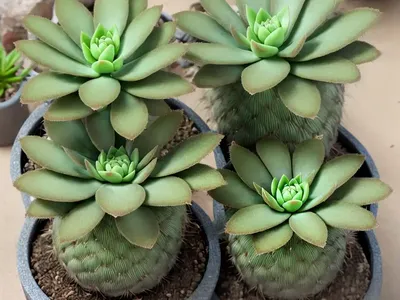
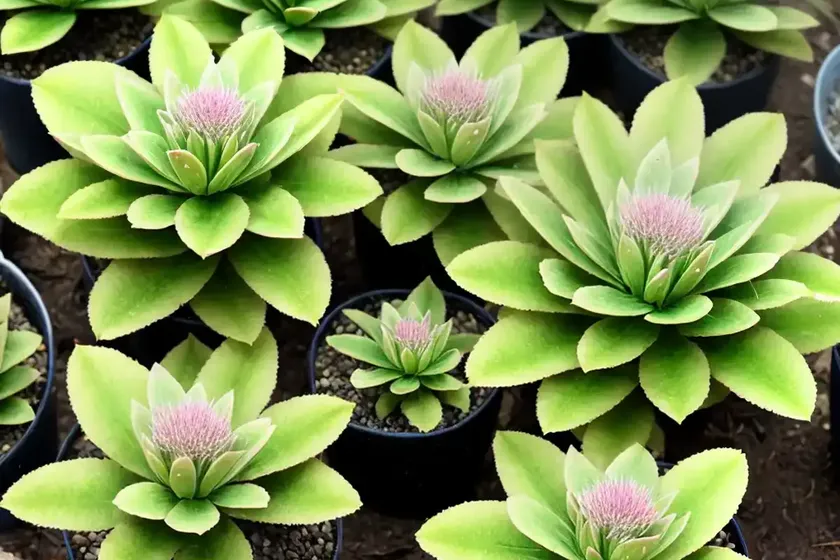
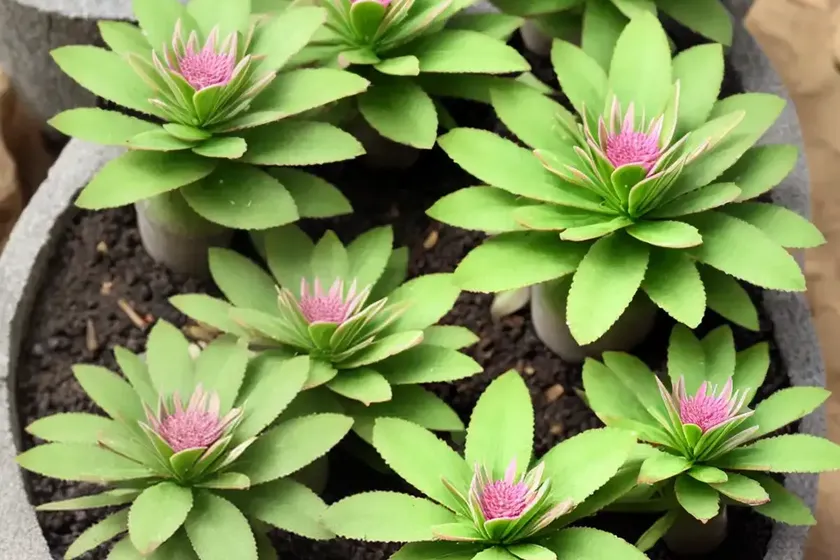
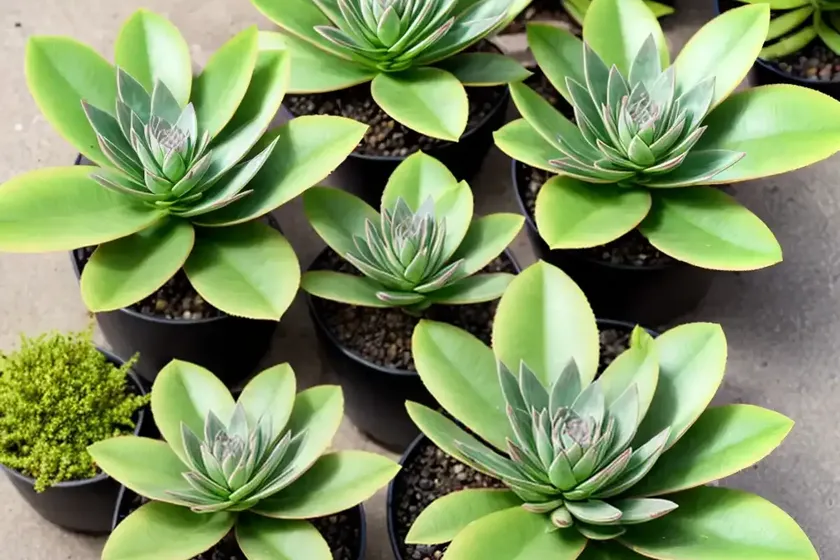
Anacampseros retusa, commonly known as Anacampseros, is a small succulent plant belonging to the Portulacaceae family. This plant is native to South Africa and is often found growing in rocky, arid regions. Anacampseros retusa is characterized by its rosette-forming growth habit, with fleshy, pointed leaves and occasional small, daisy-like flowers that emerge from its center.
Anacampseros retusa is a popular choice for both indoor and outdoor cultivation due to its attractive appearance and low maintenance requirements. With proper care, this resilient succulent can thrive in various conditions and is an excellent addition to rock gardens, containers, and xeriscapes.
In this comprehensive guide, we will delve into the key aspects of Anacampseros retusa care, including its cultural requirements, uses, propagation techniques, common diseases, and botanical tips for optimal growth. Whether you are a seasoned horticulturist or a beginner plant enthusiast, this guide will equip you with the knowledge to nurture Anacampseros retusa successfully.
Key Takeaways – Anacampseros retusa
Before diving into the specifics of Anacampseros retusa care, let’s highlight the key takeaways for this delightful succulent:
- Scientific Name: Anacampseros retusa
- Family: Portulacaceae
- Native Habitat: South Africa
- Growth Habit: Rosette-forming succulent with fleshy leaves
- Uses: Ornamental, rock gardens, container gardening
- Watering: Minimal and well-draining conditions
- Sunlight: Prefers bright, indirect light
- Soil: Sandy, well-draining soil mix
- Propagation: Seeds, offsets, leaf cuttings
- Common Diseases: Root rot, fungal infections
- Common Pests: Aphids, mealybugs
- Fun Facts: This plant’s name “Anacampseros” is derived from the Greek word for “regain,” reflecting its historical association with mystical properties and its supposed ability to restore lost love.
Now that we have an overview of Anacampseros retusa, let’s explore each aspect of its care and cultivation in detail.
Culture
The cultural requirements of Anacampseros retusa play a crucial role in promoting its health and vitality. Understanding the optimal conditions for this plant will enable you to create an environment where it can thrive and display its characteristic beauty.
Uses
Anacampseros retusa is primarily cultivated for ornamental purposes, adding a touch of natural elegance to various settings. Its compact, rosette-forming growth habit makes it an excellent choice for rock gardens, succulent arrangements, and container gardening. The vibrant colors and fascinating leaf textures of Anacampseros retusa also make it a popular choice for indoor plant collections, terrariums, and succulent displays.
While this plant is mainly valued for its aesthetic appeal, some traditional uses in folk medicine have been attributed to Anacampseros species. However, it is essential to exercise caution and consult reliable sources before considering any medicinal applications.
Water
One of the critical elements of Anacampseros retusa care is proper watering. This succulent is well-adapted to arid environments and, as such, requires minimal watering to prevent excess moisture around its roots. Overly damp conditions can lead to rot and other moisture-related issues.
When watering Anacampseros retusa, it is essential to apply a “soak and dry” approach. This method involves thoroughly watering the soil, allowing excess water to drain away, and then allowing the soil to dry out completely before the next watering. As a general rule, it is better to underwater than overwater Anacampseros retusa, as it is more tolerant of drought than excess moisture.
Sunlight
Anacampseros retusa thrives in bright, indirect light. When grown indoors, placing the plant near a south or west-facing window where it can receive ample natural light without being exposed to direct sunlight is ideal. Outdoors, providing a similar balance of bright light and partial shade will support healthy growth and vibrant coloration in Anacampseros retusa.
Insufficient light can result in elongated, pale growth, while excessive sunlight exposure can lead to sunburn and leaf damage. Monitoring the plant’s response to its light conditions and adjusting as necessary is crucial for maintaining its overall health and appearance.
Fertilizer
Fertilization requirements for Anacampseros retusa are relatively minimal, especially when compared to more demanding plants. A balanced, diluted fertilizer formulated for succulents can be applied sparingly during the active growing season, typically from spring to early autumn.
When fertilizing Anacampseros retusa, it is essential to dilute the fertilizer to half or a quarter of the recommended strength to prevent the risk of chemical burn and excess salts accumulating in the soil. Fertilizing once a month is generally sufficient to support healthy growth and promote the plant’s natural resilience.
Soil
The choice of soil mix is critical for ensuring the proper growth and development of Anacampseros retusa. As a succulent adapted to arid regions, this plant requires a well-draining soil blend that prevents waterlogged conditions and allows air to reach its roots. A suitable soil mix for Anacampseros retusa can be formulated using the following components:
- Cactus/Succulent Potting Mix: Provides excellent drainage and aeration for the roots.
- Perlite or Pumice: Enhances the soil’s drainage capacity and prevents compaction.
- Coarse Sand: Aids in soil structure and drainage while mimicking the natural habitat of Anacampseros retusa.
- Peat Moss (Optional): Can be added in moderation to improve moisture retention without compromising drainage.
By combining these components in the right proportions, you can create a well-balanced soil mix that promotes healthy root growth and overall vigor in Anacampseros retusa.
Pruning
Pruning Anacampseros retusa is generally minimal and primarily focused on the removal of any dead or damaged leaves. This practice helps maintain the plant’s aesthetic appeal and prevents the spread of disease or pest infestations. When removing leaves or flower stalks, it is crucial to use clean, sharp tools to minimize the risk of injury and infection. Additionally, any pruning activities should be conducted with care to avoid damaging the plant’s central growing point and vital tissues.
Propagation
Anacampseros retusa can be propagated through various methods, including seeds, offsets, and leaf cuttings. Each approach offers unique advantages and may be preferred based on individual preferences and environmental conditions.
Seeds
Propagation from seeds allows for the creation of new genetic variations and is an exciting process for plant enthusiasts interested in observing the complete growth cycle of Anacampseros retusa. To propagate this succulent from seeds, the following steps can be followed:
- Seed Collection: Collect mature seeds from the plant’s flower heads once they have dried and split open.
- Seed Sowing: Sow the seeds in a well-draining, sandy soil mix and lightly cover them with a thin layer of the same medium.
- Moisture and Light: Keep the soil consistently moist (not waterlogged) and provide bright, indirect light to promote germination.
- Transplanting: Once the seedlings have developed several sets of true leaves, they can be gently transplanted into separate containers or outdoor locations.
Regular monitoring and maintenance will support the healthy development of Anacampseros retusa seedlings, allowing them to establish themselves and grow into mature plants over time.
Offsets
Anacampseros retusa produces offsets, also known as “pups,” around its base as part of its natural growth pattern. These offsets can be carefully separated from the parent plant and propagated independently. To propagate Anacampseros retusa from offsets, the following steps can be taken:
- Offset Identification: Identify healthy, mature offsets that have developed their own root systems and are capable of independent growth.
- Separation: Gently remove the selected offsets from the parent plant, ensuring that each has intact roots and minimal damage to their connecting tissues.
- Potting: Plant the offsets in individual containers with well-draining soil and provide the same care as mature Anacampseros retusa plants.
With proper care and attention, the separated offsets will establish themselves and grow into fully developed Anacampseros retusa plants, carrying on the genetic traits of the parent plant.
Leaf Cuttings
Propagating from leaf cuttings is another effective method for multiplying Anacampseros retusa and producing new plants. This approach offers the advantage of preserving specific traits and characteristics of the parent plant. To propagate Anacampseros retusa from leaf cuttings, the following steps can be followed:
- Leaf Selection: Choose healthy, mature leaves from the main plant, ensuring that they are free from damage or signs of disease.
- Callus Formation: Allow the cut ends of the leaves to dry and form a callus by placing them in a dry, shaded area for a few days.
- Potting: Once a callus has formed, plant the leaf cuttings in a well-draining, sandy soil mix, burying the cut ends lightly.
- Root Development: Keep the soil lightly moist and provide indirect light to encourage root development from the cut ends.
- New Growth: Over time, the leaf cuttings will produce new plantlets or offsets, indicating successful propagation.
By following these steps and providing attentive care, you can propagate Anacampseros retusa from leaf cuttings and enjoy the satisfaction of nurturing new plants from individual leaves.
Container Popularity
Anacampseros retusa’s compact growth habit and striking appearance make it a popular choice for container gardening. Whether grown in individual pots, mixed succulent arrangements, or hanging baskets, this succulent adds visual interest and a touch of natural beauty to any container display.
The versatility of Anacampseros retusa also makes it a favored choice for indoor containers, where its low light and water requirements are well-suited for a wide range of indoor environments. When selecting containers for Anacampseros retusa, it is essential to choose options with adequate drainage holes to prevent waterlogging and promote healthy root development.
Common Diseases
Anacampseros retusa, like many succulent plants, is susceptible to certain diseases that can impact its overall well-being. Understanding the common diseases and their potential causes is essential for implementing timely interventions and preventive measures to protect Anacampseros retusa.
Disease Diagnosis
Some of the common diseases that may affect Anacampseros retusa include:
- Root Rot: Caused by overwatering or poorly draining soil, leading to the decay of the plant’s root system.
- Fungal Infections: Moist conditions or high humidity levels can create a favorable environment for fungal diseases to develop, potentially impacting the leaves and stems of Anacampseros retusa.
In diagnosing these diseases, it is important to pay attention to any signs of discoloration, wilting, or unusual growth patterns in the plant. Additionally, monitoring the soil moisture levels and overall environmental conditions can provide valuable insights into the potential causes of any observed symptoms.
Common Pests
Anacampseros retusa may also face challenges from common pests that can impact its growth and vitality. Recognizing these pests and implementing appropriate pest management strategies are essential for safeguarding the plant’s health.
Some of the common pests that may affect Anacampseros retusa include:
- Aphids: Small, soft-bodied insects that feed on plant sap, often clustering on new growth and causing distortion and discoloration.
- Mealybugs: White, cottony insects that can infest various parts of the plant, leading to weakened growth and potential transmission of fungal diseases.
Regular monitoring of Anacampseros retusa for signs of pest infestations and early intervention through natural or targeted control measures can help mitigate the impact of these pests and protect the plant’s overall well-being.
Botanist’s Tips
As a plant scientist with a passion for succulents, I have gathered valuable insights and practical tips for cultivating Anacampseros retusa successfully. By integrating these tips into your care routine, you can enhance the health and vibrancy of this captivating succulent.
Fun Facts
-
The name “Anacampseros” is derived from the Greek word “anakamptein,” which means “to regain.” This historical association hints at the plant’s supposed mystical properties, including its rumored ability to restore lost love. While such claims are rooted in folklore and mythology, they add an intriguing layer of cultural significance to the name and perception of Anacampseros.
-
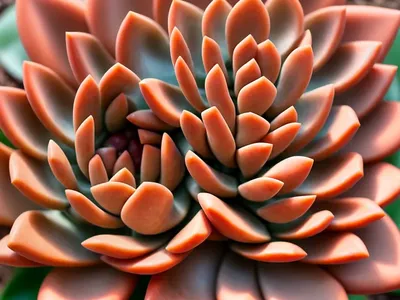
Anacampseros retusa exhibits a range of captivating leaf colors, including shades of green, pink, red, and purple. The intricate patterns and textures of its leaves make it a visually captivating addition to any succulent collection.
-
The resilient nature of Anacampseros retusa enables it to thrive in challenging environments, making it a symbol of endurance and adaptability in the realm of succulent plants.
Links to External Resources
For individuals seeking more in-depth information and resources on Anacampseros retusa and succulent care, the following external links are valuable sources of knowledge and inspiration:
-
The Royal Horticultural Society (RHS): The RHS offers an extensive database of plant profiles, care guides, and gardening resources, including information on Anacampseros retusa and related succulents.
-
Succulent Plant Care: This comprehensive website provides practical insights into caring for a wide range of succulent plants, offering tips on watering, lighting, and propagation techniques.
-
The Succulent Source: As a reliable supplier of succulent plants and accessories, The Succulent Source also provides valuable blog posts and care guides for succulent enthusiasts.
By exploring these external resources, you can expand your knowledge, discover new perspectives, and connect with a thriving community of plant enthusiasts and experts.
In conclusion, Anacampseros retusa stands as a captivating and resilient succulent plant that thrives in diverse settings, offering an array of cultural, ornamental, and horticultural benefits. Through an understanding of its cultural requirements, propagation techniques, disease prevention, and botanical insights, you can cultivate Anacampseros retusa with confidence and appreciation for its unique attributes.
As you embark on your journey of Anacampseros retusa care and cultivation, may the beauty and resilience of this delightful succulent inspire you to delve deeper into the enchanting world of plants and horticulture.
Happy gardening!