Sundrops (Oenothera Fruticosa ‘Summer Solstice’)
Sundrops, botanically known as Oenothera fruticosa ‘Summer Solstice’, are stunning, sun-loving perennials cherished by gardeners for their bright and.
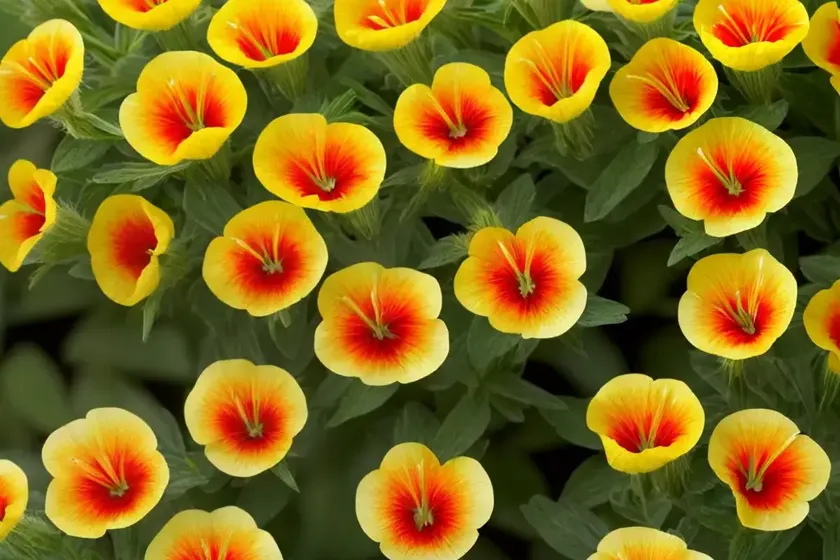
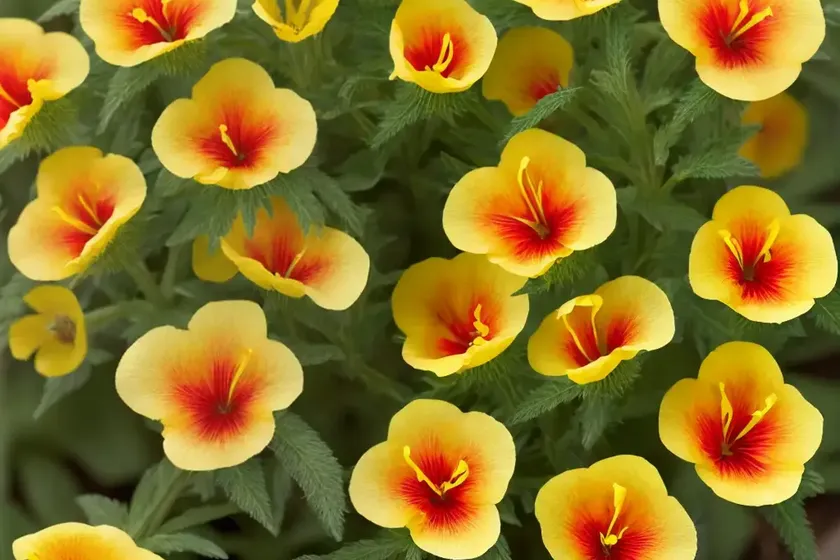
Sundrops, botanically known as Oenothera fruticosa ‘Summer Solstice’, are stunning, sun-loving perennials cherished by gardeners for their bright and cheerful yellow flowers. These captivating plants are not only beautiful but also offer a plethora of uses and benefits, making them a valuable addition to any garden. In this comprehensive guide, we will explore the culture, uses, care, maintenance, and fascinating characteristics of sundrops, equipping you with the knowledge to cultivate and enjoy these delightful plants to their fullest potential.
What is Sundrops?
Sundrops, scientifically classified as Oenothera fruticosa, belong to the Onagraceae family. These herbaceous perennials are native to North America and are renowned for their vibrant yellow, bowl-shaped flowers that bloom on upright stems. The prolific flowering and remarkable tolerance to sunny conditions make them an excellent choice for brightening up garden spaces.
Sundrops are commonly referred to as ‘Evening Primroses,’ as their flowers tend to open towards evening, emitting a delightful fragrance. The ‘Summer Solstice’ variety of Oenothera fruticosa is particularly sought after for its extended blooming period, lasting from late spring to early fall, and its resilience in the face of hot, summer temperatures.
Key Takeaways – Sundrops (Oenothera fruticosa ‘Summer Solstice’)
Before delving into the intricacies of cultivating and caring for sundrops, let’s outline the primary takeaways that encapsulate the essence of these captivating plants.
- Perennial Beauty: Sundrops are perennial plants known for their radiant, yellow flowers that bloom abundantly from late spring to early fall.
- Sun-Loving: These plants thrive in bright, sunny conditions, making them ideal for gardens with ample sunlight.
- Low Maintenance: Sundrops are relatively low-maintenance, requiring minimal care and attention once established.
- Biodiversity Support: They attract a variety of wildlife, including butterflies and bees, contributing to the local ecosystem.
- Medicinal Uses: Sundrops have historical medicinal use and are known for their potential health benefits.
Now that we have a foundational understanding of sundrops, let’s delve deeper into their culture, uses, and optimal growing conditions.
Culture
Understanding the culture of sundrops is essential for creating an environment in which they can thrive. This includes comprehending their water, sunlight, fertilizer, soil, and pruning requirements, as well as the best practices for their propagation and container gardening.
Uses
Before delving into the specific care and cultivation requirements, it’s valuable to understand the diverse uses of sundrops, ranging from their ornamental and ecological contributions to potential medicinal applications.
Sundrops stand out in gardens for several reasons, making them highly desirable for both home gardeners and landscapers alike. Here are some key uses of Oenothera fruticosa:
- Ornamental Beauty: The vibrant, yellow flowers of sundrops add a burst of color and charm to garden beds, containers, and borders.
- Wildlife Attraction: Sundrops attract pollinators such as butterflies and bees, contributing to the biodiversity of the garden.
- Erosion Control: Their extensive root systems make them excellent choices for stabilizing soil and preventing erosion.
- Medicinal Properties: Sundrops have historical uses in herbal medicine, potentially offering health benefits when used under the guidance of a healthcare professional.
With their multifaceted uses and benefits in mind, let’s delve into the specific requirements for cultivating sundrops successfully.
Water
Proper watering is crucial for the health and vigor of sundrops. While these plants exhibit a degree of drought tolerance, they benefit from consistent moisture, particularly during the growing season.
Sundrops Watering Tips:
- Regular Moisture: Provide consistent moisture, particularly during periods of dryness, to support healthy growth and flowering.
- Avoid Waterlogging: Ensure that the soil is well-draining to prevent waterlogging, which can lead to root rot and other issues.
Sunlight
Sundrops are renowned for their affinity for sunlight. They thrive in bright, sunny conditions, making them an excellent choice for gardens with ample exposure to the sun.
Sundrops Sunlight Preferences:
- Full Sun: Plant sundrops in areas that receive full sunlight for the majority of the day to promote robust growth and flowering.
- Shade Tolerance: While they prefer full sun, sundrops can tolerate partial shade, particularly in regions with intense afternoon sun.
Fertilizer
Supporting the growth and flowering of sundrops through appropriate fertilization is key to ensuring their vitality and visual appeal.
Sundrops Fertilization Guidelines:
- Balanced Fertilizer: Utilize a balanced, all-purpose fertilizer during the growing season to provide essential nutrients for healthy growth and abundant flowering.
- Sparse Fertilization: Avoid excessive fertilization, as it can lead to lush foliage at the expense of flowering.
Soil
The soil in which sundrops are planted plays a pivotal role in their overall health and performance. Understanding their soil requirements is essential for creating an optimal growing environment.
Sundrops Soil Requirements:
- Well-Draining Soil: Plant sundrops in well-draining soil to prevent waterlogging and promote root health.
- Neutral to Slightly Acidic pH: Aim for a soil pH within the neutral to slightly acidic range to support nutrient uptake and overall plant health.
Pruning
Pruning is an essential aspect of sundrop maintenance, contributing to prolonged flowering and compact, tidy growth.
Sundrops Pruning Techniques:
- Deadheading: Remove spent flowers regularly to encourage the continuous production of new blooms.
- Spring Pruning: Conduct light pruning in spring to remove any damaged or overgrown stems and promote bushy growth.
Propagation
The propagation of sundrops allows for the expansion of their presence in the garden or the creation of new plants to share with fellow gardening enthusiasts. Understanding the methods of propagation is essential for successfully propagating sundrops.
Sundrops Propagation Methods:
- Division: Divide mature sundrop plants in early spring to propagate new individuals, ensuring that each division has a healthy root system and sufficient foliage.
- Seeds: Collect seeds from mature sundrop plants and sow them in well-prepared soil in spring, providing them with adequate moisture for germination.
Container Popularity
While sundrops are commonly grown in garden beds and borders, they also thrive in containers, offering a burst of color and texture to outdoor spaces and patio areas.
Sundrops in Containers:
- Container Selection: Choose well-draining containers of sufficient size to accommodate the root system of the sundrop plant.
- Soil and Sunlight: Fill the containers with well-draining soil and place them in areas that receive ample sunlight for optimal growth and flowering.
Now that we have established a comprehensive understanding of the culture and uses of sundrops, let’s explore their common diseases, pests, and additional insights from a botanist’s perspective.
Common Diseases
While sundrops are relatively resilient plants, they can be susceptible to certain diseases and issues that can impact their health and vigor.
Disease Diagnosis:
- Powdery Mildew: Look for the appearance of powdery, white fungal growth on the leaves, which can indicate a powdery mildew infestation.
- Rust: Rust-infected sundrops may exhibit yellow to orange pustules on the underside of leaves and can lead to leaf discoloration and decline.
Common Pests
Pests can pose a threat to the health and aesthetics of sundrops, necessitating vigilant monitoring and appropriate pest management practices.
Sundrops Pest Control:
- Aphids: Regularly inspect the foliage for the presence of aphids and utilize insecticidal soaps or neem oil to control infestations.
- Spider Mites: Monitor for signs of spider mite damage, including stippling and webbing on the undersides of leaves, and employ horticultural oils for control.
Botanist’s Tips
To complement the practical care guidelines, it’s valuable to gain insights and tips from a botanist’s perspective, offering a deeper understanding of the unique characteristics and management of sundrops.
Fun Facts:
- Sundrops are renowned for their ability to attract butterflies, making them a delightful addition to butterfly gardens and wildlife-friendly landscapes.
- The blooms of sundrops open in the evening and emit a sweet fragrance, adding to their allure as evening primroses.
- Sundrops have historical uses in traditional medicine and herbal remedies, particularly among certain Indigenous communities in North America.
Links to External Resources
For additional guidance and insights into the care and cultivation of sundrops, the following resources offer valuable information and expertise:
- RHS – Oenothera
- Missouri Botanical Garden – Oenothera fruticosa
- University of Florida Extension – Evening Primrose
- North Carolina State University – Oenothera fruticosa
- Perennials.com – Oenothera fruticosa
In conclusion, sundrops, with their resplendent yellow flowers and versatile uses, are captivating additions to gardens, contributing to biodiversity, visual appeal, and potential health benefits. By adhering to the outlined care guidelines and leveraging botanical insights, you can cultivate and enjoy the beauty and benefits of sundrops in your outdoor spaces, creating vibrant and inviting landscapes that are a testament to the enduring allure of nature.
With the knowledge and appreciation for Oenothera fruticosa ‘Summer Solstice’, you are poised to embark on a journey of cultivating and enjoying the myriad rewards that these delightful perennials have to offer.


