Sugar Cane (Saccharum Officinarum)
Welcome to our comprehensive guide on sugar cane (Saccharum officinarum), a tall perennial grass in the genus Saccharum, native to the warm tropical.
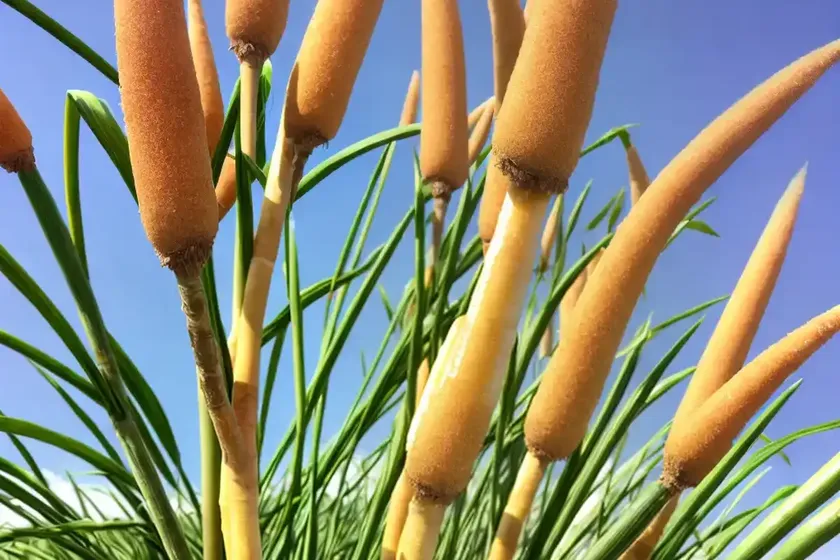
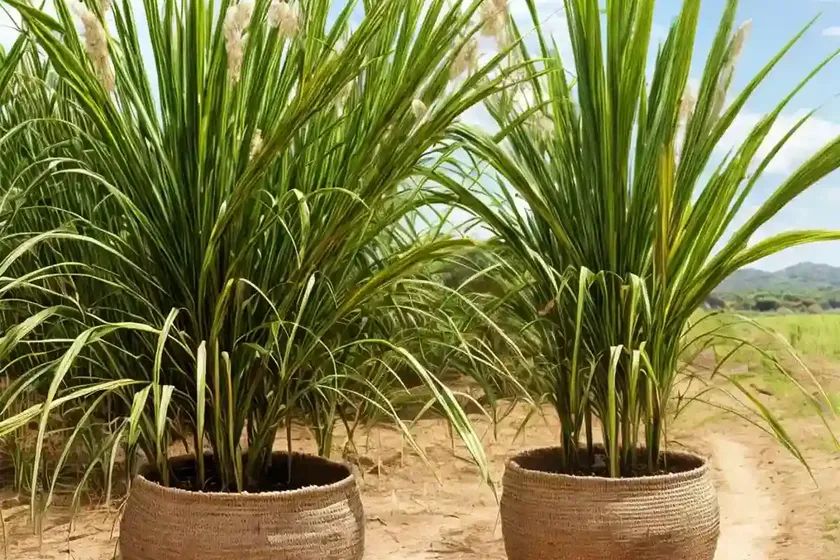
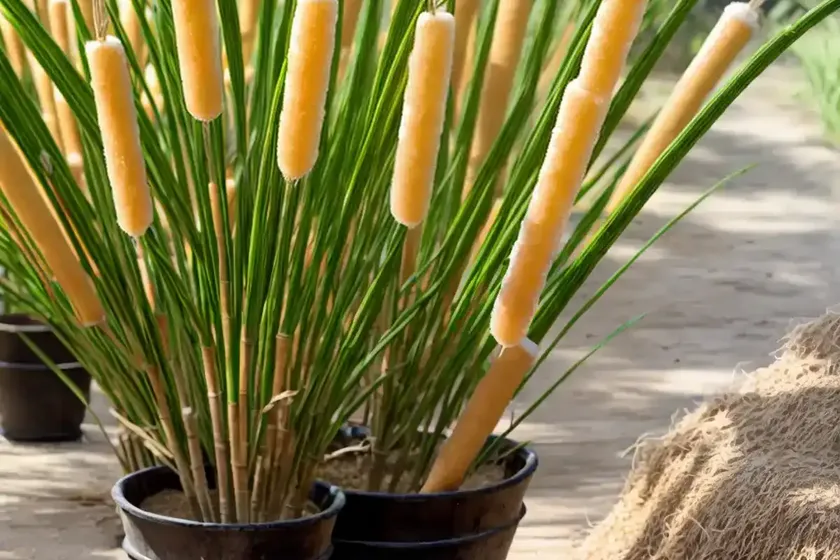
Welcome to our comprehensive guide on sugar cane (Saccharum officinarum), a tall perennial grass in the genus Saccharum, native to the warm tropical regions of Southeast Asia. In this article, we will delve into the cultivation, characteristics, uses, and maintenance of sugar cane. Additionally, we will explore its ecological impact, historical significance, and its wide array of applications, from traditional medicine to biofuel production.
What is Plant: Sugar Cane (Saccharum officinarum)
Sugar cane, scientifically known as Saccharum officinarum, is a member of the Poaceae family. It is a perennial C4 crop, famous for its exceptionally high sugar content. The plant has thick, hard, and tall stems, known as “canes,” which are the primary source of commercial sugar production globally.
The cultivation of sugar cane dates back thousands of years, with the plant being an integral part of various cultures and civilizations. Its versatility extends beyond sugar production, as sugar cane has found applications in traditional medicine, the food and beverage industry, bioenergy production, and much more.
Key Takeaways – Sugar Cane (Saccharum officinarum)
Before we delve into the specifics of cultivating and caring for sugar cane, let’s outline the key takeaways for easy reference.
Cultivation
- Ideal climatic conditions for cultivation
- Soil requirements
- Propagation methods
Characteristics
- Growth habits
- Unique physical attributes
Uses
- Commercial applications
- Traditional and medicinal uses
Maintenance
- Watering needs
- Sunlight requirements
- Fertilization
Pests and Diseases
- Common pests
- Disease diagnosis
- Sustainable pest management
Fun Facts
- Intriguing and lesser-known facts about sugar cane
External Resources
- Links to further reading and resources
With these key takeaways in mind, let’s embark on a detailed exploration of sugar cane, covering its cultivation, uses, maintenance, and much more.
Cultivation of Sugar Cane
Climatic Conditions
Sugar cane thrives in warm, tropical climates with an abundance of sunlight and consistent rainfall. The ideal temperature range for its growth is between 20°C to 30°C. Regions with distinct wet and dry seasons are particularly suitable for sugar cane cultivation, as the alternating conditions mirror the plant’s natural growth cycle.
Soil Requirements
The soil should be well-drained, deep, and fertile, with a slightly acidic to neutral pH ranging from 5.0 to 8.0. Additionally, the soil should be rich in organic matter to support the vigorous growth of sugar cane.
Propagation Methods
Sugar cane is primarily propagated through stem cuttings or setts, which are sections of the stem with at least one bud or “eye.” These setts are planted horizontally in furrows and are covered with soil. Within a few weeks, the buds sprout and develop into new canes.
Characteristics of Sugar Cane
Growth Habits
Sugar cane is a tall, perennial grass that can reach heights of 2 to 6 meters, depending on the variety and environmental conditions. The plant forms thick, jointed stems, which store high concentrations of sucrose, the primary component for sugar production.
Physical Attributes
The stems of the sugar cane plant are characterized by their robust and fibrous nature, allowing them to withstand the weight of the mature plant. The leaves are long, narrow, and resemble those of other grass species in the Poaceae family.
Nutritional Value of Sugar Cane
Primary Components
The primary nutritional component of sugar cane is sucrose, which serves as the building block for sugar production. Additionally, the plant contains essential nutrients, including calcium, magnesium, potassium, and phosphorus, all of which play vital roles in supporting plant growth and development.
Commercial Value
Sugar cane’s high sucrose content is the basis for its immense commercial value. The plant serves as the primary source of sugar production globally, contributing to various industries, including food and beverage, bioenergy, and more.
Uses of Sugar Cane
Commercial Applications
The primary use of sugar cane is the extraction and production of sugar and its derivatives. Besides sugar production, sugar cane finds applications in the production of molasses, rum, and ethanol. The production of bioethanol from sugar cane is particularly significant, offering a sustainable alternative to fossil fuels.
Traditional and Medicinal Uses
In traditional medicine, sugar cane and its derivatives have been used to treat various ailments. Its juice is valued for its rich mineral content and is consumed for its potential health benefits. Additionally, some cultures use sugar cane in traditional ceremonies and rituals.
Harvesting Sugar Cane
The ideal time for harvesting sugar cane is when the sucrose content in the stems is at its peak. This typically occurs after 10 to 16 months of growth, depending on the variety and environmental conditions. To ensure high-quality sugar production, timely harvesting is crucial.
Sugar Cane Varieties
Commercially Cultivated Varieties
There are numerous varieties of sugar cane cultivated worldwide, each with its unique characteristics and suitability for specific environments. Some common commercially cultivated varieties include:
– POJ 2728: Known for its high sugar content and disease resistance.
– R570: Exhibits good ratooning ability, making it suitable for multiple harvests.
– NCo376: A variety favored for its early maturity and high sugar recovery.
Sugar Cane Farming Techniques
Sustainable Practices
Sustainable farming techniques for sugar cane focus on maximizing yield while minimizing the environmental impact. Practices such as organic farming, efficient water management, and integrated pest management contribute to the sustainability of sugar cane cultivation.
Benefits
Adopting sustainable farming practices ensures the long-term viability of sugar cane cultivation by preserving the soil quality, minimizing chemical inputs, promoting biodiversity, and conserving water resources.
Sugar Cane Syrup Production
Traditional Method
In some regions, particularly in rural areas, sugar cane syrup is produced using traditional methods. The stems are crushed to extract the juice, which is then boiled down to produce a thick syrup. The syrup is valued for its rich flavor and is used in various culinary applications.
Commercial Production
Large-scale sugar cane syrup production involves industrial processes to extract, refine, and package the syrup for distribution. The syrup serves as a natural sweetener and flavoring agent in a wide range of food products.
Sugar Cane Pests and Diseases
Common Pests
Sugar cane is susceptible to various pests, including:
– Sugarcane Aphid: Feeds on the sap of the plant, causing stunted growth and reduced vigor.
– Sugarcane Pyrilla: Damages the leaves and stems, leading to yield losses.
– Termites: Contribute to the degradation of plant material, affecting the overall health of the crop.
Disease Diagnosis
Diagnosing and identifying diseases in sugar cane is a critical aspect of effective disease management. Common diseases include:
– Leaf Scald: Causes yellowing of leaves and stunted growth.
– Ratoon Stunting Disease: Leads to reduced ratooning ability and overall plant vigor.
Sustainable Pest Management
Integrated pest management (IPM) strategies are crucial for minimizing the impact of pests and diseases on sugar cane crops. By combining cultural, biological, and chemical control methods, farmers can effectively manage pests while minimizing the environmental impact.
Sugar Cane Planting Guide
Step-by-Step Process
- Preparation: Ensure the soil is well-drained and free from debris.
- Propagation: Plant the sugar cane setts at an appropriate depth and spacing.
- Watering: Provide adequate moisture for the newly planted setts.
- Maintenance: Monitor the growth and address any issues promptly.
- Harvesting: Time the harvesting based on the maturity of the canes.
Propagation Methods for Sugar Cane
Stem Cuttings
The most common method of propagating sugar cane is through stem cuttings or setts. These setts are selected from healthy, disease-free canes and planted to establish new plantings.
Division of Rhizomes
In addition to stem cuttings, sugar cane can also be propagated through the division of rhizomes. This method allows for the rapid multiplication of healthy sugar cane plants.
Sustainable Sugar Cane Farming
Environmental Impact
Sugar cane cultivation, when managed sustainably, can have positive environmental effects. The plant’s extensive root system contributes to soil stability and erosion control, while sustainable farming practices enhance soil health and minimize chemical leaching.
Responsible Practices
Responsible sugar cane farming prioritizes the conservation of natural resources, reduced chemical inputs, and the preservation of biodiversity. These practices contribute to the long-term sustainability of sugar cane cultivation.
Sugar Cane Industry
Economic Significance
The sugar cane industry plays a significant role in various economies worldwide. Besides sugar production, the industry encompasses bioenergy production, the manufacturing of sugar-derived products, and employment opportunities.
Global Market
Sugar cane and its derivatives are traded globally, contributing to the economic well-being of producing nations and serving as a vital commodity in international trade.
Sugar Cane Processing
Sugar Extraction
Sugar cane processing involves the extraction of juice from the plant’s stalks, followed by the subsequent extraction and purification of sucrose. The extracted sugar undergoes further processing to yield various refined sugar products.
Bioenergy Production
In addition to sugar production, sugar cane is a leading feedstock for bioenergy production. The plant’s fibrous residue, known as bagasse, is utilized for the generation of renewable energy in the form of bioelectricity and bioethanol.
Medicinal Properties of Sugar Cane
Traditional Uses
In traditional medicine, sugar cane and its derivatives have been used to address various health concerns. Its juice is valued for its rich mineral content and is consumed for its potential health benefits.
Modern Research
Contemporary research has explored the potential health-promoting properties of sugar cane compounds, with studies highlighting its antioxidant and anti-inflammatory properties.
Historical Significance of Sugar Cane
Cultural Importance
Sugar cane holds significant cultural importance in many regions where it has been cultivated for centuries. It is deeply intertwined with local traditions, cuisines, and folklore, serving as a symbol of abundance and prosperity.
Historical Trade
The historical trade of sugar and sugar-derived products, often referred to as “white gold,” has been a driving force in global exploration, colonization, and trade routes. The demand for sugar greatly influenced world history and shaped the economies of numerous nations.
Sugar Cane Byproducts
Bagasse
The fibrous residue remaining after sugar cane processing is known as bagasse. It is utilized as a renewable energy source, primarily for bioelectricity and bioethanol production.
Molasses
Molasses, a byproduct of sugar cane production, is used in various food and beverage applications, particularly in the production of rum and as a sweetener in cooking and baking.
Sugar Cane Maintenance Tips
Pruning
Pruning of sugar cane involves the removal of older, non-productive canes to encourage the growth of new shoots and maintain optimal plant vigor.
Fertilization
Applying balanced fertilizers at the right stages of growth is vital for ensuring optimal yield and sugar content in the harvested canes.
Irrigation
Adequate and timely irrigation is crucial for promoting healthy growth and ensuring optimal sugar content in the canes.
Sugar Cane in Tropical Climates
Tropical Adaptation
Sugar cane is exceptionally well-suited to tropical climates, thriving in the warm temperatures, high humidity, and ample rainfall characteristic of these regions.
Economic Impact
In many tropical countries, sugar cane cultivation contributes significantly to the local economy, providing livelihoods for numerous individuals and communities.
Sugar Cane Farming Challenges
Disease Management
Effective disease management is crucial in sugar cane farming, as the crop is susceptible to various pathogens that can impact yield and quality.
Climate Sensitivity
Changes in climate patterns, including extreme weather events and shifts in temperature and rainfall, can affect the growth and productivity of sugar cane crops.
Sugar Cane as a Renewable Resource
Bioenergy Production
The use of sugar cane as a feedstock for bioenergy production supports the transition to renewable energy sources and reduces dependency on fossil fuels.
Soil Conservation
The extensive root system of sugar cane contributes to soil stability and erosion control, making it a valuable crop for soil conservation.
Sugar Cane for Biofuel Production
Ethanol Production
Sugar cane is a leading feedstock for ethanol production, serving as a renewable and sustainable alternative to fossil fuels.
Environmental Benefits
The utilization of sugar cane for biofuel production reduces greenhouse gas emissions and contributes to the mitigation of climate change.
Sugar Cane in Food and Beverages
Culinary Applications
Sugar cane and its derivatives are used as sweetening agents in various cuisines, contributing to the flavor and texture of numerous dishes and beverages.
Beverage Industry
Sugar cane syrup and molasses are key ingredients in the production of beverages, including rum, certain types of beer, and non-alcoholic drinks.
Sugar Cane in Traditional Medicine
Health Considerations
In traditional medicine, sugar cane and its derivatives are valued for their perceived health benefits, particularly in promoting overall well-being.
Cultural Significance
Sugar cane holds cultural significance in traditional medicine practices, where it is often used to prepare remedies and tonics.
Sugar Cane Products and Derivatives
Diverse Applications
The derivatives of sugar cane, including sugar, molasses, and syrup, are utilized in a wide range of food products, beverages, and industrial applications.
Value-Added Products
The byproducts of sugar cane processing, such as bagasse and molasses, are transformed into value-added products, including bioenergy, paper products, and animal feed.
Ecological Impact of Sugar Cane
Biodiversity
Sugar cane fields can support diverse ecosystems, providing habitat and resources for various plants, animals, and microorganisms.
Soil Health
The extensive root system of sugar cane contributes to soil stability and organic matter accumulation, promoting overall soil health and fertility.
Sugar Cane in the Global Market
Trade and Commerce
Sugar cane and its derivatives are commodities of global significance, shaping international trade and commerce for centuries.
Economic Influence
The sugar cane industry has a profound impact on the economies of numerous nations, contributing to employment, export revenues, and economic development.
Sugar Cane as a Cash Crop
Economic Significance
Sugar cane is a valuable cash crop, providing a reliable source of income for farmers and supporting livelihoods in many regions.
Market Demand
The consistent demand for sugar and sugar-derived products ensures the economic viability of sugar cane as a cash crop.
Ethical Practices in Sugar Cane Farming
Labor Considerations
Ensuring fair labor practices and safeguarding the welfare of workers involved in sugar cane farming is essential for ethical and sustainable production.
Environmental Stewardship
Responsible and ethical sugar cane farming practices prioritize environmental stewardship, resource conservation, and biodiversity preservation.
Sugar Cane Root System
Adaptation
The extensive and robust root system of sugar cane allows it to efficiently access water and nutrients, contributing to its resilience and adaptability.
Erosion Control
The dense root network aids in preventing soil erosion, making sugar cane an asset for soil conservation.
Sugar Cane Uses in Culinary Arts
Flavor Enhancer
Sugar cane and its derivatives are utilized in the culinary arts as natural sweeteners and flavor enhancers, contributing to a diverse range of dishes and beverages.
Culinary Tradition
In many cultures, sugar cane holds a revered place in culinary tradition, featuring prominently in local cuisines and traditional recipes.
Sugar Cane for Animal Feed
Utilization of Byproducts
The fibrous residue from sugar cane processing, known as bagasse, finds application as a component of animal feed, particularly for ruminants.
Nutritional Value
Bagasse, when used as animal feed, provides fiber and carbohydrates, making it a valuable dietary supplement for livestock.
Sugar Cane in the Beverage Industry
Rum Production
Molasses, a byproduct of sugar cane processing, is a primary ingredient in rum production, giving the distilled spirit its distinctive flavor profile.
Non-Alcoholic Drinks
Sugar cane syrup and molasses are utilized in the production of non-alcoholic beverages, adding sweetness and depth of flavor to the final products.
Sugar Cane Climate Requirements
Adaptability
Sugar cane is well-adapted to warm, tropical climates, thriving in regions with high temperatures and ample rainfall.
Climate Sensitivity
While sugar cane excels in tropical climates, it is sensitive to extreme weather events and moisture fluctuations.
Integrated Pest Management in Sugar Cane Farming
Holistic Approach
Integrated pest management (IPM) strategies for sugar cane farming combine cultural, biological, and chemical control methods to manage pests effectively.
Sustainable Solutions
By promoting the use of natural predators and reducing reliance on chemical pesticides, IPM fosters sustainable and environmentally friendly pest management.
Sugar Cane Merchandise and Souvenirs
Cultural Significance
In regions where sugar cane farming is prominent, merchandise and souvenirs featuring the plant and its derivatives hold cultural and historical significance.
Economic Contribution
The sale of sugar cane merchandise and souvenirs provides additional income for local communities and supports the promotion of traditional crafts and artistry.
Organic Cultivation of Sugar Cane
Sustainable Practices
Organic cultivation of sugar cane prioritizes natural inputs, soil health, and biodiversity conservation, showcasing a commitment to sustainability.
Consumer Demand
The growing demand for organic and sustainably produced goods has spurred interest in organic sugar cane cultivation.
Sugar Cane in the Paper and Pulp Industry
Bagasse Utilization
The fibrous residue from sugar cane processing, known as bagasse, is utilized in the paper and pulp industry to produce various paper products.
Sustainable Resource
The utilization of bagasse as a renewable resource supports sustainable and eco-friendly practices in the paper and pulp industry.
Value-Added Products from Sugar Cane
Diversification
The byproducts of sugar cane, including bagasse, molasses, and ethanol, serve as the foundation for value-added products in various industries, ranging from energy production to manufacturing.
Economic Contribution
The production and utilization of value-added products from sugar cane contribute to economic development and diversification within local and global markets.
Sugar Cane in the Textile Industry
Ethical Sourcing
In some regions, sugar cane derivatives, such as bagasse-based fibers, are utilized in the production of textiles, representing an eco-friendly and ethical sourcing option.
Sustainable Materials
The use of sugar cane-derived fibers offers a sustainable alternative to traditional textile materials, contributing to the promotion of eco-conscious practices.
Sugar Cane in Folklore and Mythology
Cultural Symbolism
In various cultures, sugar cane holds symbolism in folklore and mythology, often representing abundance, sweetness, and prosperity.
Ritual and Tradition
Sugar cane is woven into traditional ceremonies and rituals, symbolizing fertility, celebration, and auspicious occasions.
Sugar Cane as a Source of Bioenergy
Renewable Fuel
The utilization of sugar cane for bioenergy production supports the generation of renewable fuels, particularly bioethanol, reducing reliance on non-renewable resources.
Transportation Fuel
Bioethanol produced from sugar cane serves as a vital component of sustainable transportation fuel, promoting eco-friendly mobility solutions.
Responsible Farming Practices
Environmental Stewardship
Responsible sugar cane farming practices prioritize environmental stewardship, resource conservation, and the mitigation of ecological impact.
Community Engagement
Engaging with local


