Striped Dracaena (Dracaena Fragrans (Deremensis Group) ‘Lemon Lime’)
Striped dracaena, scientifically known as Dracaena fragrans (Deremensis Group) ‘Lemon Lime,’ is a popular houseplant known for its vibrant striped foliage..

Introduction
Striped dracaena, scientifically known as Dracaena fragrans (Deremensis Group) ‘Lemon Lime,’ is a popular houseplant known for its vibrant striped foliage. This plant belongs to the Asparagaceae family and is native to tropical Africa. Its striking appearance and low-maintenance nature make it a favorite among indoor plant enthusiasts. In this comprehensive care guide, we will delve into various aspects of cultivating and maintaining striped dracaena, including its cultural requirements, uses, water and sunlight needs, fertilizer and soil preferences, pruning techniques, propagation methods, common diseases and pest issues, as well as essential tips for its care and maintenance.
Plant Name: “striped dracaena (Dracaena fragrans (Deremensis Group) ‘Lemon Lime’)”
Table of Contents
- What is Striped Dracaena?
- Key Takeaways
- Culture
- Uses
- Water
- Sunlight
- Fertilizer
- Soil
- Pruning
- Propagation
- Container Popularity
- Container
- Common Diseases
- Disease diagnosis
- Common Pests
- Botanist’s Tips
- Fun Facts
- Links to External Resources
What is Striped Dracaena?
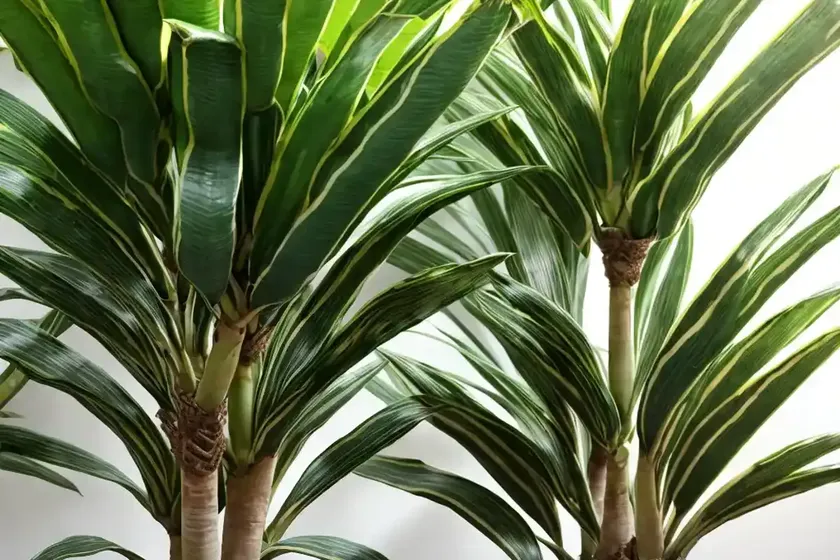
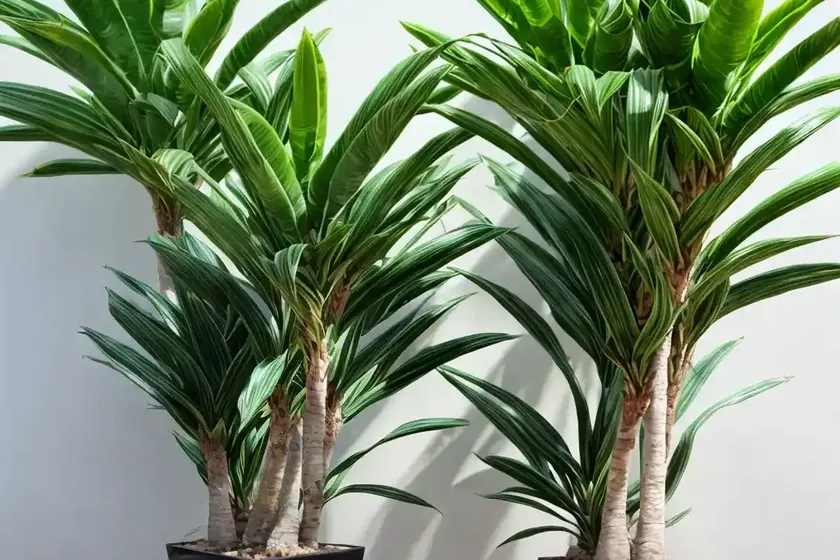
Striped dracaena, also known as Dracaena fragrans (Deremensis Group) ‘Lemon Lime,’ is a tropical plant characterized by its elongated, striped leaves. It is a popular choice for indoor and office spaces due to its air-purifying properties and aesthetic appeal. This plant is known for its low maintenance requirements and adaptability to varying light and water conditions.
Key Takeaways – Striped Dracaena (Dracaena fragrans (Deremensis Group) ‘Lemon Lime’)
- Striped dracaena, also referred to as Dracaena fragrans (Deremensis Group) ‘Lemon Lime,’ is a tropical plant renowned for its attractive striped foliage.
- This plant is commonly used for interior decoration and is favored for its air-purifying qualities.
- It requires moderate water, indirect sunlight, well-draining soil, and occasional fertilization for optimal growth.
- Striped dracaena is relatively resistant to pests and diseases, making it an ideal choice for beginner plant enthusiasts.
- Maintenance practices such as pruning and propagation help in enhancing the plant’s health and appearance.
Culture
Cultivating striped dracaena involves understanding its specific cultural requirements to ensure its proper growth and development. Let’s delve into the essential aspects of caring for this plant.
Water
Proper watering is crucial for the health of striped dracaena. Overwatering or allowing the soil to become waterlogged can lead to root rot, while underwatering can cause the plant’s leaves to turn brown and wilt. Here are some guidelines for watering striped dracaena:
– Water the plant when the top inch of the soil becomes dry. Inserting a finger into the soil is a simple way to check its moisture level.
– Use room-temperature water to avoid shocking the plant’s roots.
– Ensure proper drainage in the plant’s container to prevent waterlogging.
Sunlight
Proper light exposure is vital for striped dracaena’s well-being. While it can tolerate low light conditions, it thrives in bright, indirect sunlight. Here are some sunlight-related tips for caring for striped dracaena:
– Place the plant near a window that receives filtered sunlight or in a location with bright, indirect light.
– Protect the plant from direct sunlight, especially during the intense midday hours, as this can scorch its leaves.
Fertilizer
Fertilizing striped dracaena helps provide essential nutrients for its growth and overall health. Here are some recommendations for fertilizing this plant:
– Use a balanced, water-soluble fertilizer formulated for indoor plants.
– Apply the fertilizer at half strength every 2-3 months during the growing season (spring and summer).
– Avoid over-fertilization, as this can lead to salt buildup in the soil, causing damage to the plant’s roots.
Soil
Choosing the right soil type is crucial for maintaining striped dracaena’s health and vitality. Here are some tips for selecting and preparing the soil for this plant:
– Use well-draining, aerated soil to prevent waterlogging and facilitate proper root development.
– A mixture of peat moss, perlite, and a small amount of sand is ideal for striped dracaena.
– Avoid using heavy, compacted soil types, as they can lead to root suffocation and hinder the plant’s growth.
Pruning
Regular pruning is beneficial for maintaining the shape and overall appearance of striped dracaena. It also helps remove dead or yellowing leaves and promotes new growth. Here are some guidelines for pruning this plant:
– Use clean, sharp scissors or pruning shears to remove unwanted or damaged foliage.
– Trim the plant’s stems and foliage to the desired length, keeping in mind its natural growth pattern.
– Pruning can be done throughout the year as needed, but it is particularly beneficial in the spring to encourage new growth.
Propagation
Propagating striped dracaena allows you to expand your plant collection and share it with others. Here are some common methods of propagating this plant:
– Stem Cuttings: Cut a healthy stem from the parent plant and place it in water or a suitable growing medium until roots develop.
– Air Layering: Encourage the development of roots on a healthy stem while still attached to the parent plant by wrapping a section with moist growing medium and covering it with plastic wrap.
Uses
Striped dracaena (Dracaena fragrans (Deremensis Group) ‘Lemon Lime’) serves several purposes, making it a valuable addition to any indoor space. Its uses include:
– Interior Decoration: The vibrant striped foliage of striped dracaena adds a pop of color to indoor spaces, making it a popular choice for interior decoration.
– Air Purification: Like other dracaena varieties, striped dracaena is known for its air-purifying qualities, helping to remove toxins from the air and enhance indoor air quality.
Common Diseases
Striped dracaena is generally robust and resilient, but it can be susceptible to certain diseases if not provided with proper care. Some common diseases that may affect striped dracaena include:
– Leaf Spot: Characterized by the appearance of dark spots or lesions on the plant’s leaves, leaf spot can be caused by fungal or bacterial pathogens. Ensure the plant is not overwatered and avoid splashing water on the leaves to prevent this disease.
– Root Rot: Overwatering or poorly draining soil can lead to root rot, which manifests as mushy, discolored roots and wilting foliage. To prevent root rot, ensure the plant’s container has adequate drainage and allow the soil to dry out slightly between watering.
Common Pests
While relatively resistant to pests, striped dracaena can occasionally fall victim to common indoor plant pests. Some pests that may affect this plant include:
– Spider Mites: These tiny pests can infest the plant, causing stippling and webbing on the leaves. Regularly misting the plant and keeping it in a humid environment can help deter spider mites.
– Mealybugs: Mealybugs are small, white insects that feed on the plant’s sap, leading to stunted growth and yellowing foliage. Using a cotton swab dipped in rubbing alcohol to remove mealybugs can help control an infestation.
Botanist’s Tips
- Regularly dust the plant’s leaves to prevent dust buildup, which can hinder its ability to photosynthesize.
- Monitor the plant for any signs of yellowing or wilting leaves, as these can indicate underlying issues with watering or light exposure.
- Rotate the plant occasionally to ensure even growth and prevent it from leaning toward the light source.
Fun Facts
- Striped dracaena, with its distinctive leaf patterns, is often referred to as the “Lemon Lime” plant due to its vibrant green and yellow striped foliage.
- This plant is not only visually appealing but also contributes to a healthier indoor environment by purifying the air.
Links to External Resources
For further information on caring for striped dracaena (Dracaena fragrans (Deremensis Group) ‘Lemon Lime’), refer to the following resources:
1. The Spruce – Striped Dracaena Care Guide
2. Better Homes & Gardens – How to Grow Striped Dracaena Plants
3. Gardening Know How – Tips for Growing Striped Dracaena Plants
In conclusion, striped dracaena (Dracaena fragrans (Deremensis Group) ‘Lemon Lime’) is a visually stunning and beneficial plant that can thrive with minimal care. By understanding and meeting its specific cultural needs, enthusiasts can enjoy the beauty and air-purifying benefits of this remarkable indoor plant. Whether used for interior decoration or to enhance indoor air quality, striped dracaena is a versatile and rewarding addition to any plant collection.