Streptocarpus ‘Harlequin Lace’ (Cape Primrose)
Streptocarpus ‘Harlequin Lace’, commonly known as Cape Primrose, is a delightful and vibrant flowering plant that has captured the hearts of many plant.
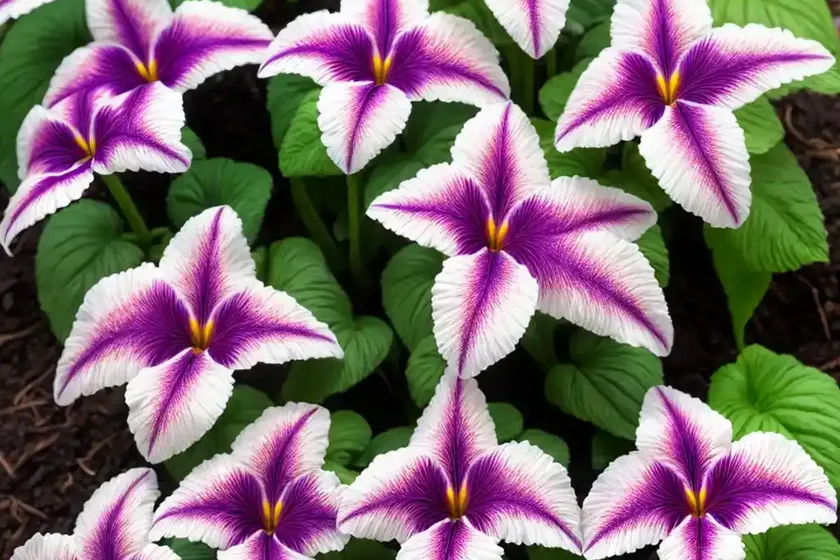
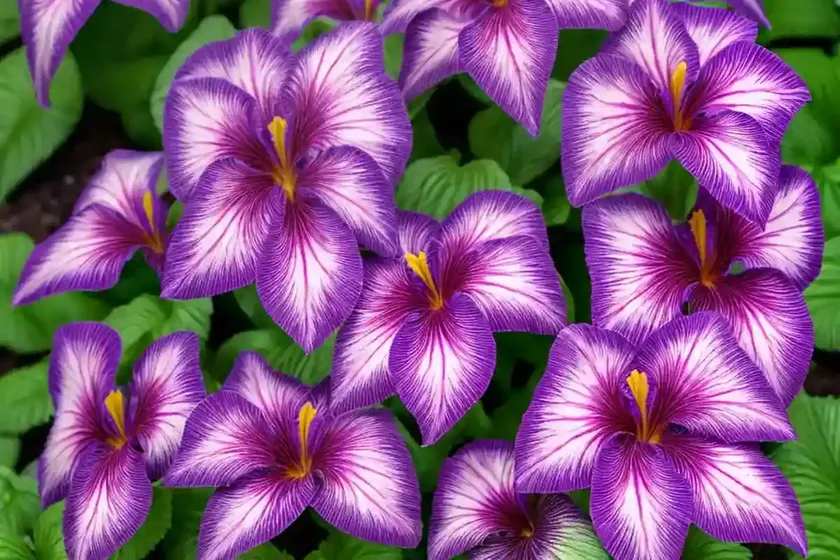
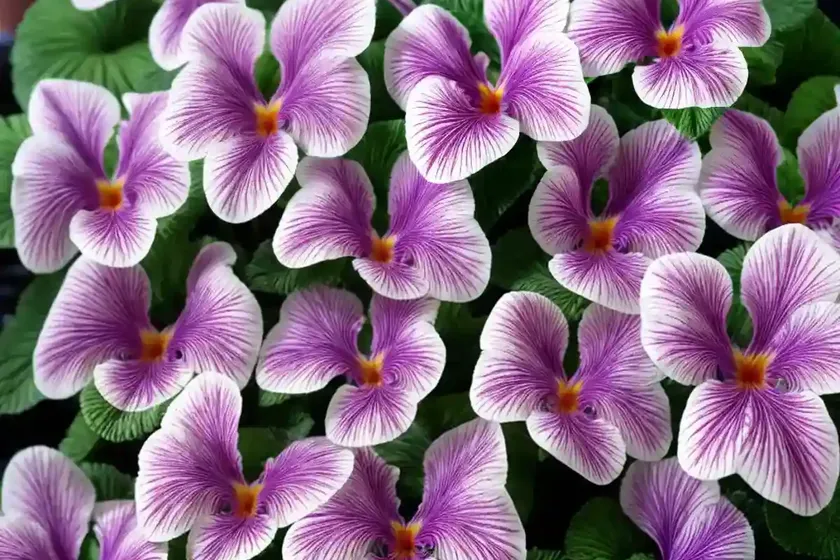
Streptocarpus ‘Harlequin Lace’, commonly known as Cape Primrose, is a delightful and vibrant flowering plant that has captured the hearts of many plant enthusiasts. In this comprehensive guide, we will delve into the various aspects of this enchanting plant, including its culture, uses, care requirements, propagation techniques, and much more. Whether you are a beginner looking to start your journey with Streptocarpus ‘Harlequin Lace’ or an experienced gardener seeking to expand your knowledge, this guide will provide you with valuable insights and tips to nurture and enjoy the beauty of this remarkable plant.
What is “Streptocarpus ‘Harlequin Lace’ (Cape Primrose)”?
Streptocarpus ‘Harlequin Lace’ is a member of the Gesneriaceae family, which also includes African violets, and is native to Southern Africa. It is prized for its stunning and intricate flowers, which come in a range of colors and patterns, and its lush, glossy foliage. The name “Cape Primrose” is derived from its resemblance to the Primrose plant, despite not being botanically related, and the fact that it hails from the Cape region of South Africa.
This plant has gained popularity among indoor gardeners due to its ability to thrive in indoor conditions and its prolific blooming habits. The ‘Harlequin Lace’ variety, in particular, is known for its striking and unique lace-like patterns on the flowers, adding an extra layer of elegance to its appearance.
Streptocarpus plants are known for their long flowering periods, with some varieties blooming almost continuously under the right conditions. The ‘Harlequin Lace’ is no exception, making it a delightful addition to any indoor or outdoor garden.
Key Takeaways – Streptocarpus ‘Harlequin Lace’ (Cape Primrose)
Before diving into the specifics of caring for Streptocarpus ‘Harlequin Lace’, let’s summarize the key takeaways that will guide our exploration:
- Scientific Name: Streptocarpus ‘Harlequin Lace’
- Common Name: Cape Primrose
- Family: Gesneriaceae
- Native Region: Southern Africa
- Distinct Feature: Intricate lace-like patterns on the flowers
- Popular Varieties: ‘Harlequin Lace’ and other Cape Primrose varieties
- Cultural Significance: Often used for indoor decoration and as a popular choice for plant enthusiasts
- Growing Conditions: Prefers moderate sunlight, well-draining soil, and regular watering
- Propagation: Can be propagated from leaf cuttings and seeds
Now that we have a general understanding of Streptocarpus ‘Harlequin Lace’, let’s explore each aspect in detail to ensure the successful cultivation and enjoyment of this captivating plant.
Culture
The culture of Streptocarpus ‘Harlequin Lace’ encompasses its natural habitat, traditional uses, and its significance in horticulture and ornamental gardening. Understanding the cultural aspects of this plant can provide valuable insights into its preferred growing conditions and the best practices for nurturing it.
Uses
Cape Primrose has been cherished for various uses, both traditional and contemporary. These include:
- Ornamental Purposes: The striking and vibrant flowers of Streptocarpus ‘Harlequin Lace’ make it a popular choice for ornamental and decorative purposes. Its ability to bloom prolifically adds a touch of color and elegance to indoor and outdoor spaces.
- Indoor Decoration: Due to its adaptability to indoor conditions, Cape Primrose is often used as a decorative houseplant, adding charm and beauty to living spaces.
- Gifts and Presents: Its captivating flowers and overall attractiveness make Streptocarpus ‘Harlequin Lace’ an ideal gift for plant enthusiasts and those passionate about gardening.
Water
Proper watering is crucial for the health and vitality of Streptocarpus ‘Harlequin Lace’. Here are some essential tips for watering this plant:
- Moderation: Avoid overwatering or allowing the soil to become waterlogged. Cape Primrose prefers moderate moisture levels and well-draining soil.
- Water Quality: Use room temperature water, preferably filtered or free of chlorine. Rainwater or distilled water can also be suitable choices to prevent mineral buildup in the soil.
Sunlight
To ensure optimal growth and flowering, providing the right amount of sunlight is essential for Streptocarpus ‘Harlequin Lace’. Consider the following sunlight requirements:
- Indirect Light: Place the plant in a location with bright, indirect light, such as near a north or east-facing window. Direct sunlight can scorch the leaves and flowers, so it’s best to avoid exposure to intense midday sun.
Fertilizer
Applying a balanced fertilizer is essential to provide the necessary nutrients for Cape Primrose to flourish. Consider the following tips for fertilizing this plant:
- Frequency: Feed the plant with a water-soluble fertilizer at half-strength once a month during the growing season (spring and summer). Reduce or discontinue fertilization during the plant’s rest period in fall and winter.
Soil
The type of soil and its quality play a significant role in the overall health and growth of Streptocarpus ‘Harlequin Lace’. Use the following guidelines for selecting suitable soil:
- Well-Draining Mix: Choose a well-draining potting mix that provides good aeration and prevents waterlogging. A mix designed for African violets is generally suitable for Cape Primrose.
Pruning
Pruning is an important aspect of maintaining the shape and health of Streptocarpus ‘Harlequin Lace’. Here are some key points to consider when pruning this plant:
- Deadheading: Remove spent flowers regularly to encourage continuous blooming and prevent the formation of seedpods, which can divert energy away from flower production.
- Trimming: Trim leggy or discolored foliage to maintain the plant’s compact and healthy appearance.
Propagation
Propagating Cape Primrose allows you to expand your collection or share this delightful plant with fellow gardening enthusiasts. Consider the following methods for propagating Streptocarpus ‘Harlequin Lace’:
- Leaf Cuttings: Propagate new plants by taking leaf cuttings with a portion of the petiole attached. Plant the cuttings in a well-draining potting mix and provide the necessary moisture and warmth for root development.
- Seeds: Collect seeds from mature seed pods and sow them in a suitable germination medium. Provide the ideal conditions for germination, including consistent moisture and warmth.
Container Popularity
Streptocarpus ‘Harlequin Lace’ is well-suited for container gardening, making it a popular choice for indoor and outdoor plant enthusiasts. The versatility and beauty of this plant make it an attractive addition to various types of containers, including pots, hanging baskets, and decorative planters.
Container Common Diseases
While Streptocarpus ‘Harlequin Lace’ is generally resilient, it is susceptible to certain diseases that can affect its overall health and appearance. Common diseases that may affect this plant include:
- Botrytis Blight: A fungal disease that causes brown spots on the leaves and flowers, often exacerbated by excessive moisture and poor air circulation.
- Powdery Mildew: A fungal infection that leads to a powdery white growth on the foliage, often due to high humidity and inadequate air movement.
Disease Diagnosis
Monitoring the health of Streptocarpus ‘Harlequin Lace’ is essential to diagnose and address any potential diseases or issues promptly. Look out for the following signs of disease and distress:
- Yellowing Leaves: Yellowing or browning of the leaves can indicate overwatering, nutrient deficiencies, or fungal infections.
- Spots and Discoloration: Brown spots, powdery residue, or unusual discoloration on the foliage can be a sign of fungal or bacterial diseases.
Common Pests
Several pests may pose a threat to the well-being of Cape Primrose if not addressed promptly. Common pests that may affect this plant include:
- Spider Mites: These tiny pests can cause webbing and stippling on the foliage, leading to weakened and discolored leaves.
- Aphids: Aphids may cluster on the tender growth of Cape Primrose, sucking sap and causing distorted or stunted growth.
Botanist’s Tips
As a botanist, I would like to offer the following tips for successfully nurturing and enjoying Streptocarpus ‘Harlequin Lace’:
- Maintain Moderate Moisture: Strive to keep the soil consistently moist but not waterlogged. Avoid extreme dryness or excessive wetness, as both can impact the health of the plant.
- Provide Adequate Air Circulation: Good air circulation is crucial to prevent fungal diseases and maintain the overall vigor of the plant. Consider using a fan or opening windows periodically to promote air movement.
- Monitor Light Levels: Keep a close eye on the plant’s response to light. Adjust its position if you notice signs of sunburn or insufficient light, ensuring it receives the ideal balance of brightness.
Fun Facts
To further appreciate the charm of Streptocarpus ‘Harlequin Lace’, here are some fascinating and delightful facts about this plant:
- The genus name “Streptocarpus” is derived from the Greek words “streptos” (twisted) and “karpos” (fruit), referring to the unique twisted fruit capsules of this plant.
- The Cape Primrose is known for its ability to bloom even in low light conditions, making it an excellent choice for brightening up shaded areas in gardens and indoor spaces.
- Hybridization has given rise to an array of captivating varieties within the Streptocarpus genus, offering a spectrum of flower colors, patterns, and sizes.
Links to External Resources
For further exploration and in-depth information about Streptocarpus ‘Harlequin Lace’ and Cape Primrose, consider the following external resources:
- African Violet and Gesneriad Society of America – An organization dedicated to the cultivation and appreciation of African violets and related plants, providing valuable resources and community support.
- Royal Horticultural Society: Streptocarpus – Detailed guidance on growing and caring for Streptocarpus plants, including specific varieties such as ‘Harlequin Lace’.
- Gardeners’ World: Growing Streptocarpus – Practical tips and advice for cultivating Streptocarpus plants, enhancing your gardening experience and success.
Conclusion
Streptocarpus ‘Harlequin Lace’ (Cape Primrose) stands as a captivating and versatile plant renowned for its alluring flowers and adaptability to indoor environments. By understanding its culture, optimal growing conditions, propagation techniques, and pest management strategies, you can cultivate and enjoy the beauty of this remarkable plant. Whether you are an experienced gardener seeking to expand your collection or a novice enthusiast embarking on your gardening journey, the enchanting qualities of Streptocarpus ‘Harlequin Lace’ are sure to inspire and delight. With the insights and tips provided in this comprehensive guide, you are well-equipped to nurture and admire the splendor of Cape Primrose in your own green oasis.
As you embark on your journey with Streptocarpus ‘Harlequin Lace’, may its vibrant blooms and graceful foliage bring joy and tranquility to your gardening endeavors, enriching your connection with nature and the wonders of horticulture.


