Streptocarpus ‘Blue Ice’ (Cape Primrose)
Streptocarpus ‘Blue Ice’ is an exquisite flowering plant that belongs to the genus Streptocarpus, commonly known as Cape Primrose. Known for its stunning.
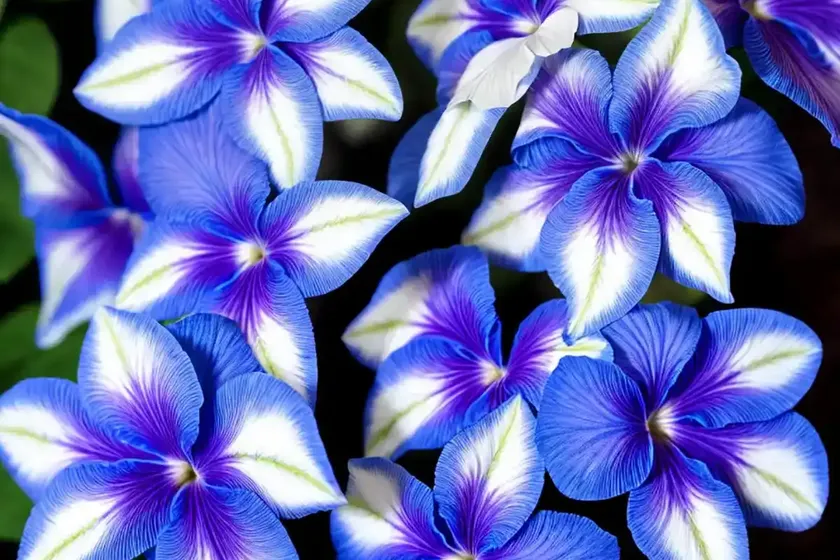
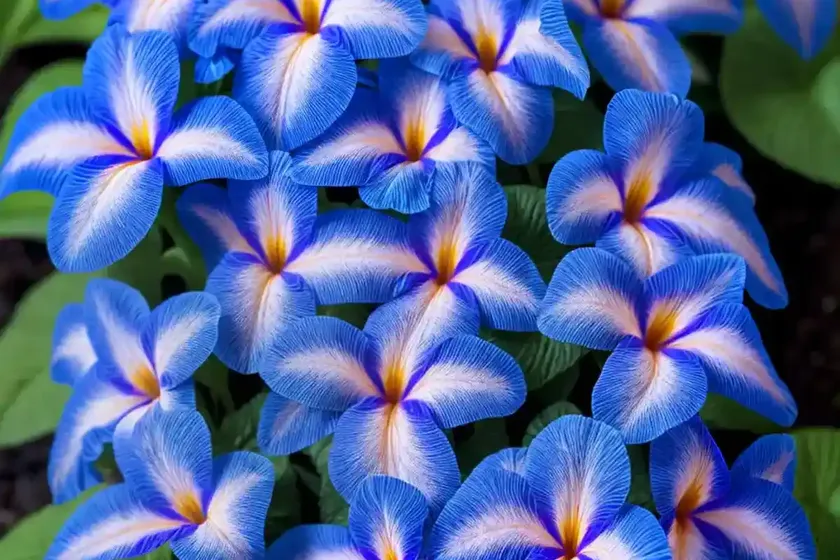
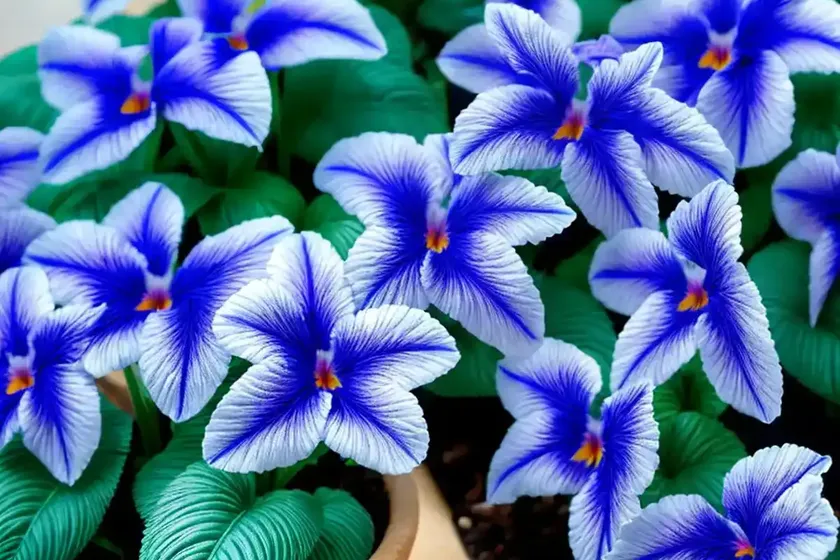
Streptocarpus ‘Blue Ice’ is an exquisite flowering plant that belongs to the genus Streptocarpus, commonly known as Cape Primrose. Known for its stunning blue and white flowers, this plant has become increasingly popular among indoor gardening enthusiasts due to its easy care requirements and impressive ornamental value.
In this comprehensive plant care guide, we will delve into the various aspects of cultivating and nurturing Streptocarpus ‘Blue Ice,’ providing valuable insights into its culture, uses, water and sunlight requirements, fertilizer and soil preferences, propagation methods, maintenance techniques, common diseases and pests, as well as fun facts and botanist’s tips for optimal growth. Whether you are a seasoned gardener or a novice plant enthusiast, this guide will equip you with the knowledge and techniques necessary to ensure the thriving health and beauty of this captivating plant.
What is Streptocarpus ‘Blue Ice’ (Cape Primrose)?
Streptocarpus ‘Blue Ice,’ also known as Cape Primrose, is a species of flowering plant native to the Eastern Cape province of South Africa. Belonging to the family Gesneriaceae, this attractive plant is celebrated for its striking and abundant blooms, featuring delicate shades of blue and white. With its lush foliage and impressive flowering capabilities, Streptocarpus ‘Blue Ice’ has gained widespread appreciation as a popular choice for indoor and container gardening.
The inherent beauty and low-maintenance nature of Cape Primrose make it a highly sought-after plant for both amateur and experienced gardeners. Its stunning flowers and elegant, elongated leaves make it an ideal addition to indoor spaces, thereby enhancing the aesthetic appeal of homes, offices, and other interior environments. By understanding the specific conditions and care requirements essential for its growth and development, plant enthusiasts can successfully cultivate and enjoy the remarkable attributes of this captivating species.
Key Takeaways – Streptocarpus ‘Blue Ice’ (Cape Primrose)
Before delving into the specifics of caring for Streptocarpus ‘Blue Ice,’ let’s highlight some key takeaways that encapsulate its essential features and requirements:
- Plant Name: Streptocarpus ‘Blue Ice’ (Cape Primrose)
- Botanical Family: Gesneriaceae
- Native Habitat: Eastern Cape province of South Africa
- Common Names: Cape Primrose, Blue Ice Streptocarpus
- Ornamental Features: Abundant blue and white flowers, lush foliage
- Cultivation: Suitable for indoor and container gardening
- Ease of Care: Low-maintenance plant with moderate care requirements
By keeping these key takeaways in mind, you can gain a comprehensive understanding of the characteristics and cultivation needs of Streptocarpus ‘Blue Ice,’ paving the way for successful and rewarding plant care practices.
Culture
Understanding the cultural requirements of Streptocarpus ‘Blue Ice’ is crucial for creating an environment that supports its optimal growth and blooming. The following aspects encompass various factors essential for the successful cultivation of Cape Primrose:
Uses
Streptocarpus ‘Blue Ice’ boasts versatile uses that contribute to its popularity and appeal as a captivating ornamental plant. Some of its prominent uses include:
- Indoor Decoration: With its abundant and colorful blooms, Cape Primrose serves as an attractive addition to interior spaces, including homes, offices, and conservatories.
- Container Gardening: Its compact growth habit and ornamental value make it suitable for container gardening, allowing enthusiasts to showcase its beauty on patios, balconies, and other outdoor areas.
- Gift Plant: Its stunning flowers and ease of care make it an excellent choice as a gift plant for gardening enthusiasts and plant lovers.
By recognizing the diverse uses of Streptocarpus ‘Blue Ice,’ individuals can appreciate its versatility and find creative ways to incorporate it into their indoor and outdoor gardening endeavors.
Water
Proper watering is essential for maintaining the health and vigor of Streptocarpus ‘Blue Ice.’ Consider the following watering guidelines to ensure optimal moisture levels for this plant:
- Moderate Moisture: Cape Primrose thrives in moderately moist conditions, requiring a consistent but not excessive supply of water to support its growth and blooming.
- Avoid Waterlogging: While it appreciates consistent moisture, it is crucial to prevent waterlogging and excessive saturation of the soil, which can lead to root rot and other detrimental effects.
By adhering to appropriate watering practices, plant enthusiasts can create an environment that favors the flourishing growth and development of Streptocarpus ‘Blue Ice.’
Sunlight
Understanding the sunlight requirements of Streptocarpus ‘Blue Ice’ is essential for providing an environment that promotes its overall well-being and blooming. Consider the following insights regarding its sunlight preferences:
- Indirect Light: Cape Primrose thrives in bright, indirect light, making it suitable for indoor locations with ample natural illumination or partially shaded outdoor areas.
- Filtered Sunlight: While it can tolerate periods of direct sunlight, it is important to provide filtered sunlight to prevent leaf scorch and maintain the health of the plant.
By ensuring appropriate exposure to sunlight, plant caretakers can support the photosynthetic processes and flowering capabilities of Streptocarpus ‘Blue Ice,’ contributing to its overall vitality and ornamental appeal.
Fertilizer
Proper fertilization is integral to nourishing Streptocarpus ‘Blue Ice’ and facilitating its robust growth and floral extravagance. Consider the following guidelines for fertilizing Cape Primrose:
- Balanced Fertilizer: Use a balanced, water-soluble fertilizer with a higher potassium content to support healthy flowering and overall plant vitality.
- Frequency: Apply fertilizer at half-strength every 2-4 weeks during the active growing season, reducing frequency during the plant’s dormant phase.
By providing appropriate fertilization, plant enthusiasts can promote the vigorous growth and abundant blooming of Streptocarpus ‘Blue Ice,’ enhancing its visual charm and appeal within the gardening space.
Soil
Understanding the soil preferences of Streptocarpus ‘Blue Ice’ is crucial for creating a growth medium that sustains its nutrient requirements and promotes optimal root development. Consider the following insights regarding its soil preferences:
- Well-Draining Medium: Cape Primrose thrives in a well-draining, porous soil mix that prevents waterlogging and facilitates healthy root aeration.
- Peat-Based Mix: Utilize a peat-based potting mix with added perlite or vermiculite to enhance the soil’s drainage and moisture retention capabilities.
By establishing a suitable soil environment, plant enthusiasts can provide the necessary foundation for the robust growth and vitality of Streptocarpus ‘Blue Ice,’ ensuring its overall health and ornamental appeal.
Pruning
Pruning is an essential aspect of caring for Streptocarpus ‘Blue Ice,’ allowing for the maintenance of its shape, vitality, and blooming potential. Consider the following guidelines for proper pruning techniques:
- Deadhead Spent Blooms: Regularly remove faded or spent blooms to encourage continuous flowering and maintain the plant’s ornamental elegance.
- Trimming Leggy Growth: Trim back leggy or elongated stems to promote a compact and balanced growth habit, enhancing the overall appearance of the plant.
By incorporating appropriate pruning practices, plant caretakers can preserve the aesthetic charm and health of Streptocarpus ‘Blue Ice,’ contributing to its long-term vibrancy and floral abundance.
Propagation
Propagation allows plant enthusiasts to multiply and share the beauty of Streptocarpus ‘Blue Ice,’ creating new plants through various reliable techniques. Consider the following propagation methods suitable for Cape Primrose:
- Division: Divide mature plants into smaller sections, ensuring that each division contains healthy roots and foliage for successful establishment.
- Leaf Cuttings: Propagate new plants from leaf cuttings by carefully selecting and rooting healthy leaves in a suitable growing medium, fostering the development of new plantlets.
By exploring these propagation methods, individuals can expand their collection of Streptocarpus ‘Blue Ice’ and share the captivating beauty of this plant with fellow gardening enthusiasts.
Container Popularity
The compact growth habit and ornamental value of Streptocarpus ‘Blue Ice’ contribute to its popularity as an ideal choice for container gardening. By cultivating this species in containers, plant enthusiasts can showcase its beauty in various indoor and outdoor settings, creating visually appealing displays that highlight its abundance of blue and white flowers and lush foliage. Moreover, the flexibility of container gardening allows for easy mobility and placement, enabling individuals to experiment with different arrangements and decorative concepts while enjoying the captivating allure of Cape Primrose.
Common Diseases
While Streptocarpus ‘Blue Ice’ is generally resilient and robust, it may be susceptible to certain diseases and health issues that can impact its overall vigor and appearance. Understanding and identifying these common diseases is essential for prompt intervention and effective management. Some common diseases that may affect Cape Primrose include:
- Leaf Spot: Characterized by the development of dark spots on the leaves, often caused by excessive moisture or poor air circulation.
- Botrytis Blight: A fungal disease that causes the formation of grayish mold on the leaves and flowers, particularly in conditions of high humidity.
- Root Rot: Resulting from waterlogging and poor drainage, root rot can cause wilting, yellowing foliage, and overall decline in plant health.
By recognizing the symptoms and causes of these common diseases, plant caretakers can implement appropriate preventive measures and treatment strategies to safeguard the health and vitality of Streptocarpus ‘Blue Ice,’ ensuring its resilience against detrimental pathogens and environmental stressors.
Disease Diagnosis
Diagnosing and addressing potential diseases affecting Streptocarpus ‘Blue Ice’ involves careful observation and proactive management. When encountering signs of disease, it is important to conduct a thorough assessment of the plant’s overall condition and seek to identify specific symptoms and causal factors. By closely examining the foliage, flowers, and root system, individuals can gain valuable insights into the nature of the disease and establish an effective course of action to mitigate its impact. Furthermore, consulting with experienced horticulturists or plant health professionals can provide valuable guidance and recommendations for addressing specific disease issues, thereby fostering the continued well-being and vitality of Cape Primrose.
Common Pests
In addition to potential diseases, Streptocarpus ‘Blue Ice’ may be vulnerable to certain pests that can affect its growth and overall health. Recognizing and addressing these common pests is essential for maintaining the resilience and ornamental beauty of this species. Some common pests that may affect Cape Primrose include:
- Aphids: These small, sap-sucking insects can cluster on the leaves and stems, causing damage and distortion to the plant.
- Spider Mites: These tiny arachnids can produce fine webbing and cause stippling on the leaves, leading to reduced vigor and overall decline in plant health.
- Mealybugs: White, cottony pests that can infest the foliage and stems, sapping the plant’s vitality and causing weakening effects.
By monitoring the presence of these common pests and implementing appropriate pest control measures, individuals can safeguard the beauty and health of Streptocarpus ‘Blue Ice,’ preventing potential infestations that may compromise its ornamental appeal and growth potential.
Botanist’s Tips
Drawing from the expertise of botanists and plant care specialists, the following tips provide valuable insights and recommendations for successfully growing and nurturing Streptocarpus ‘Blue Ice’:
- Optimal Watering: Maintain moderate moisture levels and avoid overwatering to prevent root issues and maintain the health of Cape Primrose.
- Sunlight Balance: Provide bright, indirect light while avoiding prolonged exposure to direct sunlight, ensuring optimal growth and floral display.
- Fertilization Frequency: Apply balanced fertilizer at regular intervals during the growing season to support robust flowering and overall plant vitality.
- Pruning Best Practices: Regularly deadhead spent blooms and trim back leggy growth to maintain a compact and balanced growth habit.
- Propagation Techniques: Explore division and leaf cutting methods for propagating new plants, allowing for the expansion and sharing of Cape Primrose’s captivating beauty.
- Disease and Pest Vigilance: Monitor the plant for signs of common diseases and pests, implementing proactive measures to prevent and address potential issues that may arise.
By integrating these botanist’s tips into the care routine for Streptocarpus ‘Blue Ice,’ individuals can foster the successful growth and blooming of this captivating species, ensuring its ongoing health and ornamental appeal within the gardening space.
Fun Facts
In addition to its ornamental beauty and care requirements, Streptocarpus ‘Blue Ice’ boasts captivating and intriguing characteristics that add to its allure and appeal. Consider the following fun facts about Cape Primrose:
- Inflorescence: The captivating flowers of Streptocarpus ‘Blue Ice’ form in loose clusters at the end of slender, arching stems, creating a graceful and abundant floral display.
- Hybrid Varieties: The popularity of Cape Primrose has led to the development of numerous hybrid varieties that showcase an array of flower colors and patterns, offering diverse options for plant enthusiasts.
- Native Habitat: Streptocarpus ‘Blue Ice’ is native to the Eastern Cape province of South Africa, where it thrives in shaded habitats and exhibits adaptability to diverse environmental conditions.
By appreciating these fun facts, individuals can deepen their understanding of Streptocarpus ‘Blue Ice’ and cultivate a greater sense of admiration for its unique attributes and natural history.
Links to External Resources
For additional insights and resources regarding the care and cultivation of Streptocarpus ‘Blue Ice’ (Cape Primrose), consider exploring the following external links:
- Streptocarpus Culture and Care Guide
- Cape Primrose Growing Tips and Techniques
- Streptocarpus ‘Blue Ice’ Propagation Methods
- Common Diseases and Pests of Streptocarpus
- Botanical Information and History of Cape Primrose
By leveraging these external resources, individuals can access valuable information and guidance for enhancing their knowledge and skills in caring for Streptocarpus ‘Blue Ice,’ ultimately contributing to its successful cultivation and enduring health within the gardening environment.
In conclusion, Streptocarpus ‘Blue Ice’ (Cape Primrose) stands as a mesmerizing and rewarding addition to indoor and container gardening, offering vibrant blooms, lush foliage, and ease of care for plant enthusiasts. By embracing its cultural requirements, propagation techniques, disease and pest management, and botanist’s tips, individuals can embark on a fulfilling journey of nurturing and appreciating the captivating beauty of this exquisite species. Through dedicated care and attention, Streptocarpus ‘Blue Ice’ can thrive as a cherished ornamental gem, enriching living spaces and inspiring a sense of natural wonder and tranquility.


