Strelitzia Reginae ‘Mandela’s Gold’ (Bird Of Paradise)
Strelitzia reginae ‘Mandela’s Gold’, also known as the Bird of Paradise, is a striking and iconic tropical plant that is famous for its bird-like flowers.
Introduction
Strelitzia reginae ‘Mandela’s Gold’, also known as the Bird of Paradise, is a striking and iconic tropical plant that is famous for its bird-like flowers and lush foliage. It is a cultivar of the South African native Strelitzia reginae, and it is named after the legendary anti-apartheid revolutionary and former President of South Africa, Nelson Mandela.
In this comprehensive guide, we will explore everything you need to know about the Strelitzia reginae ‘Mandela’s Gold’, including its culture, uses, care tips, and much more.
What is Strelitzia reginae ‘Mandela’s Gold’?
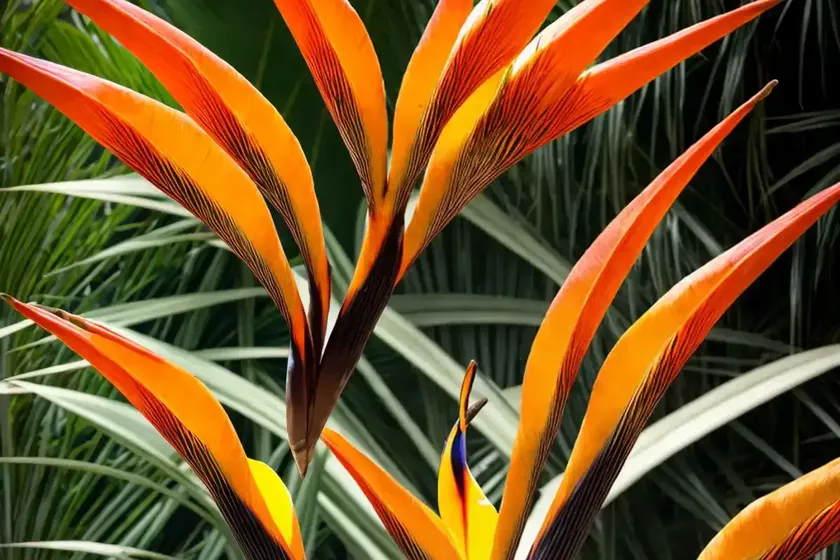
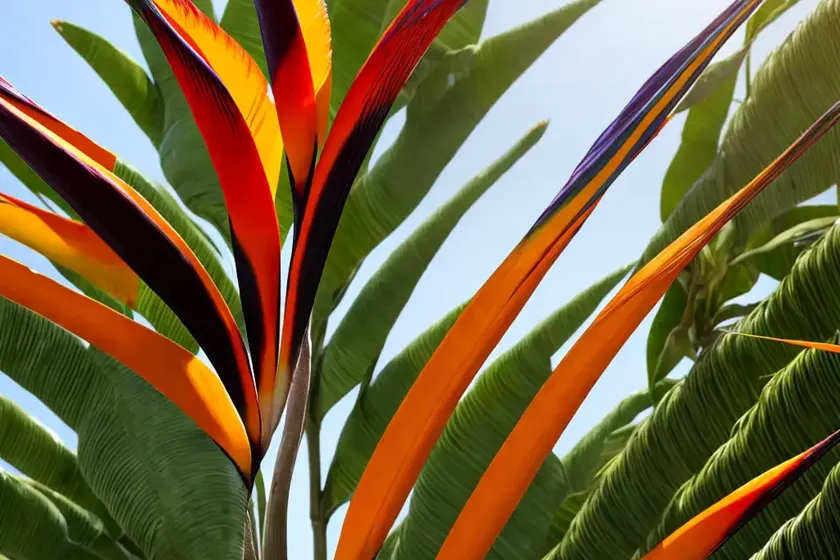
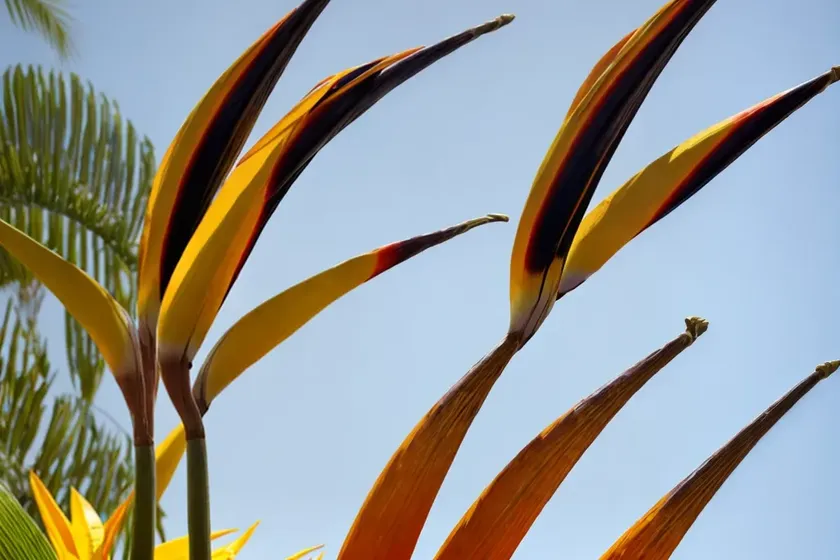
Strelitzia reginae ‘Mandela’s Gold’ is a stunning and rare variation of the Bird of Paradise plant. Its striking yellow flowers and vibrant foliage make it an exceptional choice for both indoor and outdoor ornamental plantings. This cultivar is a testament to the beauty and diversity of the natural world, and its unique characteristics make it a highly sought-after addition to any plant lover’s collection.
Key Takeaways – Strelitzia reginae ‘Mandela’s Gold’ (Bird of Paradise)
| Topic | Description |
|---|---|
| Culture | Tropical ornamental plant |
| Uses | Ornamental, landscaping, indoor houseplant |
| Water | Moderate, well-draining soil |
| Sunlight | Bright, indirect light |
| Fertilizer | Balanced liquid fertilizer during growing season |
| Soil | Well-draining, rich in organic matter |
| Pruning | Remove old leaves, spent flowers |
| Propagation | Division, seeds |
| Container Popularity | Highly suitable for container gardening |
| Container Common Diseases | Root rot, fungal diseases |
| Common Diseases | Leaf spot, fungal infections |
| Disease Diagnosis | Visual inspection, laboratory tests |
| Common Pests | Aphids, scales, spider mites, mealybugs, caterpillars |
| Botanist’s Tips | Regular inspection, proper care and maintenance |
| Fun Facts | Named after Nelson Mandela, revered for its unique flowers |
Strelitzia reginae ‘Mandela’s Gold’ Care Guide
Now, let’s delve deep into the specific care requirements for nurturing the beautiful Strelitzia reginae ‘Mandela’s Gold’. From watering to sunlight exposure and from fertilizer application to soil preferences, we will cover every aspect of caring for this exceptional plant.
Water
-
Water Requirements: Strelitzia reginae ‘Mandela’s Gold’ prefers moderate watering. It is essential to maintain a consistent moisture level in the soil without overwatering. Allow the top inch of soil to dry out before watering, especially in the winter months when the plant is in its dormant phase.
-
Watering Frequency: During the growing season, typically spring and summer, water thoroughly when the top inch of soil is dry. In autumn and winter, reduce watering frequency to prevent waterlogging and root rot.
Sunlight
-
Light Requirements: Strelitzia reginae ‘Mandela’s Gold’ thrives in bright, indirect light. It should be placed in a location with ample natural light, but it should be shielded from direct sun exposure, especially during the intense midday hours.
-
Sunlight Exposure: Position the plant near a window that receives plenty of indirect sunlight throughout the day. A north or east-facing window is often ideal for providing the right balance of light for the Bird of Paradise plant.
Fertilizer
-
Fertilization Schedule: During the active growing season, which typically spans from spring to early autumn, use a balanced liquid fertilizer every 2 weeks to promote healthy growth and vibrant blooms. However, during the fall and winter months, reduce the frequency to once a month or withhold fertilization altogether.
-
Fertilizer Type: Opt for a balanced liquid fertilizer with an N-P-K ratio of 10-10-10 or similar, which provides essential nutrients for robust foliage and prolific flowering.
Soil
-
Soil Type: Strelitzia reginae ‘Mandela’s Gold’ thrives in well-draining, nutrient-rich soil that is slightly acidic to neutral. A mixture of peat moss, perlite, and compost is often an excellent choice for promoting optimal growth and health.
-
Soil Moisture: Avoid waterlogged conditions by ensuring that the soil is well-draining and does not hold excessive moisture for prolonged periods.
Pruning
-
Purpose: Pruning helps maintain the Bird of Paradise plant’s overall shape, removes old or damaged leaves, and promotes new growth.
-
Pruning Frequency: Regularly inspect the plant for damaged or yellowing leaves and promptly prune them to encourage healthy foliage growth. Additionally, remove spent flowers to redirect the plant’s energy into producing new blooms.
Propagation
-
Propagation Methods: Strelitzia reginae ‘Mandela’s Gold’ can be propagated through division or seeds.
-
Division: Divide mature plants during repotting to create new plants.
-
Seeds: Sow fresh seeds in a well-draining seed-starting mix, maintain consistent moisture, and provide warmth for successful germination.
-
Container
-
Container Selection: Strelitzia reginae ‘Mandela’s Gold’ is highly suitable for container gardening, making it a fantastic choice for both indoor and outdoor plantings.
-
Container Size: Choose a spacious container that allows the plant’s roots to spread comfortably. Additionally, ensure that the pot has drainage holes to prevent waterlogging.
Popularity
-
Ornamental Appeal: The striking yellow flowers and lush foliage of Strelitzia reginae ‘Mandela’s Gold’ make it immensely popular as an ornamental plant for gardens, landscapes, and indoor spaces.
-
Indoor Houseplant: Its adaptability to indoor environments and its stunning visual appeal make it a highly sought-after choice among indoor plant enthusiasts.
Common Diseases
-
Leaf Spot: This fungal disease manifests as dark spots on the leaves and can be controlled by removing infected foliage and improving air circulation.
-
Fungal Infections: These can be prevented by avoiding overwatering and maintaining proper humidity levels around the plant.
Disease Diagnosis
-
Visual Inspection: Regularly inspect the plant for any signs of diseases, including discolored or spotted leaves, wilting, or unusual growth.
-
Laboratory Tests: If necessary, samples of the plant tissue can be sent for laboratory analysis to accurately diagnose specific diseases.
Common Pests
-
Aphids: These small, soft-bodied insects can cluster on the underside of leaves and cause damage by sucking sap from the plant. They can be controlled with insecticidal soap or horticultural oil.
-
Scales, Spider Mites, Mealybugs: These pests can also affect the Bird of Paradise plant and should be promptly addressed using appropriate control methods.
Botanist’s Tips
-
Regular Inspection: Periodically examine the plant for signs of stress, pests, or diseases to address any issues promptly.
-
Proper Care and Maintenance: Maintain an optimal watering and fertilization schedule, and ensure that the plant is positioned in a suitable light environment.
Fun Facts
- The cultivar ‘Mandela’s Gold’ is named after the iconic leader Nelson Mandela and bears vibrant yellow flowers, symbolizing the hope and positivity associated with the legendary figure.
Conclusion
The Strelitzia reginae ‘Mandela’s Gold’ (Bird of Paradise) is a captivating plant that adds an exotic touch to any indoor or outdoor setting. With its stunning golden-yellow flowers, lush foliage, and relatively low maintenance requirements, it is a favorite among plant enthusiasts and horticulturists alike.
By following the care tips and guidance provided in this comprehensive guide, you can cultivate and nurture the Strelitzia reginae ‘Mandela’s Gold’ to its full potential, ensuring that it thrives and continues to bring joy and beauty to its surroundings.
We hope that this guide has equipped you with valuable insights and practical knowledge to care for and appreciate this remarkable plant.
References
- Royal Botanic Gardens, Kew, “Strelitzia reginae ‘Mandela’s Gold’”, link.
- The Royal Horticultural Society, “Strelitzia reginae ‘Mandela’s Gold’”, link.
- University of Florida, IFAS Extension, “Bird of Paradise – Best Practices for Southern Gardens”, link.
- University of California, Agriculture and Natural Resources, “Strelitzia species: Bird-of-paradise plant”, link.


