Strelitzia Nicolai (Giant Bird Of Paradise)
Strelitzia Nicolai, commonly known as the Giant Bird of Paradise, is a stunning and iconic plant that is native to South Africa. Its large, banana-like.
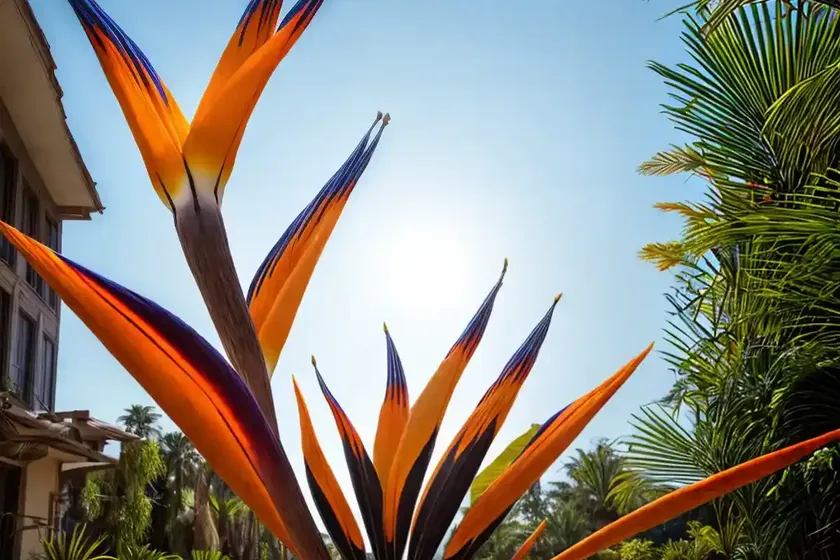
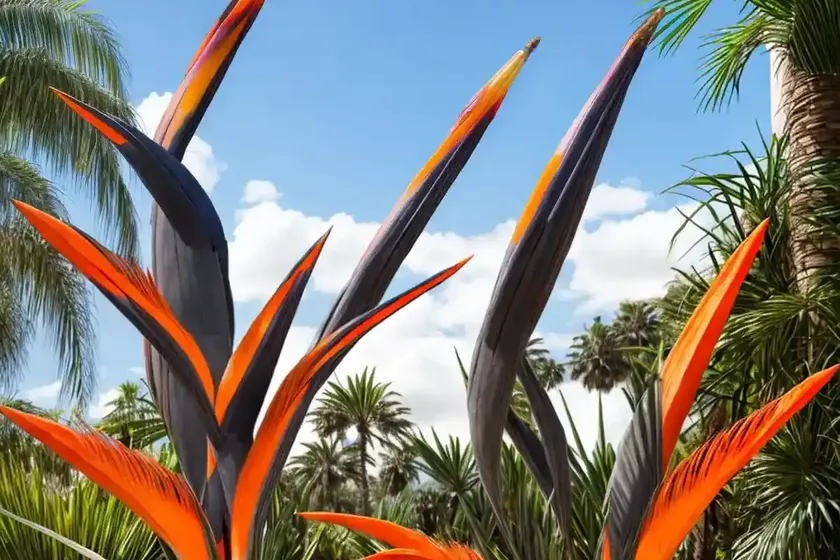
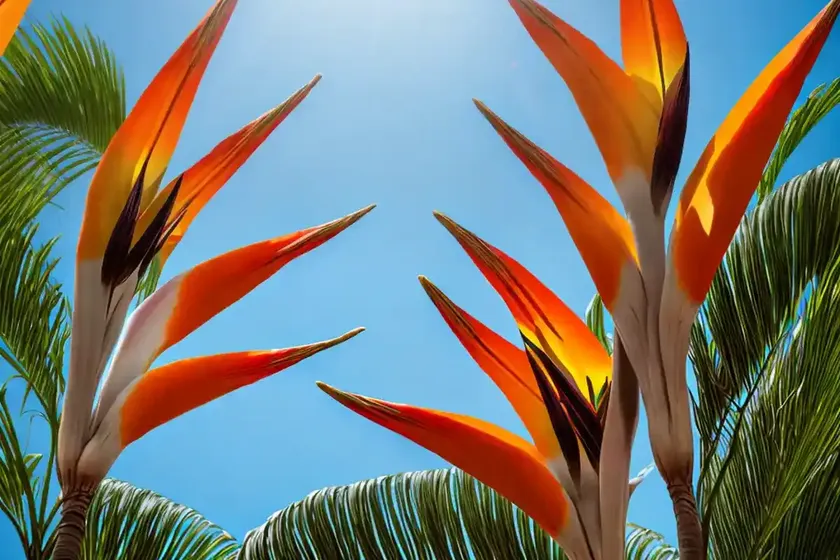
Strelitzia Nicolai, commonly known as the Giant Bird of Paradise, is a stunning and iconic plant that is native to South Africa. Its large, banana-like leaves and unique flowers make it a popular choice for gardens and indoor spaces around the world. In this comprehensive guide, we will delve into the various aspects of caring for Strelitzia Nicolai, including its cultural requirements, uses, maintenance, and common issues.
What is Strelitzia Nicolai (Giant Bird of Paradise)?
Strelitzia Nicolai belongs to the Strelitziaceae family and is closely related to the more commonly known Strelitzia Reginae, also known as the Bird of Paradise plant. Unlike its smaller counterpart, Strelitzia Nicolai is a larger and more striking species, characterized by its immense, paddle-shaped leaves and white and blue flowers. This plant can grow to impressive heights, reaching up to 30 feet (9 meters) in its native habitat. Outside of its natural environment, it is still known to attain significant heights, making it a striking addition to any landscape.
Its vibrant foliage, resembling that of a banana plant, can create a tropical ambiance when grown in the right conditions. The Giant Bird of Paradise is known for its remarkable resilience and remarkable ability to thrive in diverse environments, making it a sought-after choice for both experienced and novice gardeners.
Key Takeaways – Strelitzia Nicolai (Giant Bird of Paradise)
Before we delve into the specifics of caring for Strelitzia Nicolai, let’s outline the key takeaways that encapsulate the essence of this spectacular plant:
Culture
- Strelitzia Nicolai is a tropical plant that thrives in warm, humid climates.
- It is renowned for its large, paddle-shaped leaves and stunning, bird-like flowers.
- This plant is often used to create a lush, tropical ambiance in indoor and outdoor settings.
Uses
- Due to its impressive size and striking foliage, Strelitzia Nicolai is often used as a focal point in gardens and landscapes.
- Its adaptability makes it suitable for both indoor and outdoor cultivation.
- It is a popular choice for creating a tropical oasis in garden designs.
Water
- Adequate and consistent watering is essential for the healthy growth of Strelitzia Nicolai.
- The plant requires moderately moist soil and should not be allowed to dry out completely between watering.
Sunlight
- Strelitzia Nicolai thrives in bright, indirect light and can tolerate partial shade.
- When grown outdoors, it is best suited to locations with partial shade to protect it from harsh midday sun.
Fertilizer
- Regular fertilization during the growing season can promote healthy growth and vibrant foliage.
- A balanced, slow-release fertilizer formulated for tropical plants is ideal for Strelitzia Nicolai.
Soil
- Well-draining, nutrient-rich soil that retains some moisture is optimal for Strelitzia Nicolai.
- A mixture of peat, sand, and organic matter provides the ideal growing medium for this plant.
Pruning
- Regular pruning is essential to maintain the appearance and health of Strelitzia Nicolai.
- Removing dead or damaged foliage and spent flower stalks encourages new growth and enhances the plant’s overall appearance.
Propagation
- Division and seed propagation are the primary methods for propagating Strelitzia Nicolai.
- Division is the preferred method for maintaining the plant’s desired characteristics, while growing from seeds allows for the introduction of new genetic variations.
Container Popularity
- Strelitzia Nicolai is a popular choice for large containers, both indoors and outdoors.
- Its impressive size and striking appearance make it an ideal choice for creating a bold statement in container gardens.
Common Diseases
- Strelitzia Nicolai is relatively resistant to diseases but can be susceptible to root rot if overwatered.
- Proper care, including well-draining soil and good air circulation, can help prevent common diseases.
Disease Diagnosis
- Visual symptoms, such as yellowing or wilting foliage, can indicate potential disease issues.
- Careful inspection of the roots and soil can help diagnose diseases such as root rot.
Common Pests
- Spider mites and aphids are among the common pests that may affect Strelitzia Nicolai.
- Regular monitoring and prompt intervention can help mitigate pest infestations.
Botanist’s Tips
- Regular care and maintenance, including proper watering, fertilization, and pruning, are crucial for the health of Strelitzia Nicolai.
- Paying close attention to the plant’s environment and responding to its needs can ensure its long-term vitality.
Fun Facts
- The Giant Bird of Paradise is named after Czar Nicholas I of Russia and belongs to the Strelitzia genus.
- It is known for its remarkable resilience and ability to thrive in a variety of conditions.
Links to External Resources
Before we delve into the specifics of caring for Strelitzia Nicolai, let’s outline the key takeaways that encapsulate the essence of this spectacular plant:
Plant Name: Strelitzia Nicolai (Giant Bird of Paradise)
NLP (LSI) Keywords
- Strelitzia Nicolai care
- Giant Bird of Paradise plant
- Strelitzia Nicolai care tips
- How to grow Giant Bird of Paradise
- Strelitzia Nicolai indoor plant
- Best soil for Strelitzia Nicolai
- Watering Giant Bird of Paradise
- Strelitzia Nicolai plant care guide
- Giant Bird of Paradise plant benefits
- Strelitzia Nicolai propagation
- Giant Bird of Paradise plant care instructions
- Strelitzia Nicolai sunlight requirements
- Pruning Giant Bird of Paradise
- Strelitzia Nicolai plant diseases
- Giant Bird of Paradise plant varieties
- Strelitzia Nicolai outdoor planting
- Common problems with Giant Bird of Paradise
- Strelitzia Nicolai flowering season
- Giant Bird of Paradise plant size
- Strelitzia Nicolai fertilizer needs
- Best pots for Strelitzia Nicolai
- Giant Bird of Paradise plant pests
- Strelitzia Nicolai toxic to pets?
- Growing Giant Bird of Paradise from seeds
- Strelitzia Nicolai temperature requirements
- Giant Bird of Paradise watering frequency
- Strelitzia Nicolai leaf care
- Giant Bird of Paradise plant decor ideas
- Strelitzia Nicolai plant growth stages
- Giant Bird of Paradise plant for landscaping
- Strelitzia Nicolai winter care
- Giant Bird of Paradise propagation methods
- Strelitzia Nicolai humidity preferences
- Giant Bird of Paradise plant diseases and treatment
- Strelitzia Nicolai as an indoor focal point
- Giant Bird of Paradise as a statement plant
- Strelitzia Nicolai light requirements
- Giant Bird of Paradise repotting guide
- Strelitzia Nicolai water requirements
- Giant Bird of Paradise for beginners
- Strelitzia Nicolai as a tropical houseplant
- Giant Bird of Paradise plant maintenance
- Strelitzia Nicolai leaf discoloration causes
- Giant Bird of Paradise plant placement tips
- Strelitzia Nicolai as an outdoor centerpiece
- Giant Bird of Paradise air-purifying qualities
- Strelitzia Nicolai root care
- Giant Bird of Paradise soil preferences
- Strelitzia Nicolai as a screen plant
- Giant Bird of Paradise pruning techniques
Culture of Strelitzia Nicolai
Strelitzia Nicolai, commonly known as the Giant Bird of Paradise, is a tropical plant renowned for its impressive size and striking foliage. Understanding its cultural requirements is essential for ensuring its optimal growth and development.
Characteristics of Strelitzia Nicolai
Strelitzia Nicolai is characterized by several distinctive features that set it apart from other plants. These features include:
-
Large, Paddle-Shaped Leaves: The plant’s foliage resembles that of a banana tree, with immense, paddle-shaped leaves that can grow up to 10 feet (3 meters) in length. These leaves create a lush and tropical appearance, making Strelitzia Nicolai a popular choice for landscaping and indoor decor.
-
Unique Flowers: While Strelitzia Nicolai is primarily valued for its foliage, it also produces distinctive flowers. The flowers are reminiscent of those of the well-known Strelitzia Reginae, commonly referred to as the Bird of Paradise flower. The blooms are characterized by their striking blue and white hues, which add visual interest to the plant.
-
Drought Tolerance: Strelitzia Nicolai exhibits moderate drought tolerance once established, making it a suitable choice for regions with occasional dry spells. However, consistent watering is still essential to maintain the plant’s overall health and appearance.
-
Tropical Aesthetic: Due to its tropical origins, Strelitzia Nicolai is often associated with lush and exotic landscapes. Its ability to evoke a tropical ambiance makes it a popular addition to gardens, patios, and indoor spaces.
Climate Requirements
Strelitzia Nicolai thrives in warm, humid climates, reflecting its native habitat in South Africa. When grown in regions with cooler or drier conditions, it is essential to provide the plant with the necessary environmental conditions to support its growth. In colder climates, where frost is a concern, cultivating Strelitzia Nicolai in containers provides the flexibility to move the plant indoors during adverse weather conditions.
Uses of Strelitzia Nicolai
Strelitzia Nicolai is a versatile plant with a range of uses, making it a valuable addition to both indoor and outdoor environments. Understanding its potential applications is crucial for incorporating it into various landscape and interior design projects.
Landscaping
Strelitzia Nicolai is commonly used to create a lush and tropical ambiance in outdoor landscapes. Its impressive size and striking foliage make it an ideal choice for gardens, courtyards, and public spaces. Whether planted as a focal point or used to provide a backdrop for other vegetation, this plant adds a dramatic and exotic element to any outdoor setting.
Indoor Decor
The Giant Bird of Paradise is equally well-suited for indoor cultivation, with its large, broad leaves imparting a sense of tropical splendor to interior spaces. When placed in well-lit areas, such as near windows or within spacious rooms, Strelitzia Nicolai can serve as a captivating indoor feature. Its ability to thrive in diverse indoor environments makes it an excellent choice for enhancing the aesthetic appeal of homes, offices, and commercial establishments.
Tropical Gardens
Strelitzia Nicolai is a popular choice for creating tropical-themed gardens and landscapes, where its lush foliage contributes to the overall tropical aesthetic. Whether placed alongside other tropical species or utilized as a standalone specimen, the plant adds a touch of exoticism and vitality to garden designs, immersing visitors in a tropical oasis.
Watering Strelitzia Nicolai
Proper watering is a critical aspect of caring for Strelitzia Nicolai to ensure the plant’s vitality and long-term well-being. Understanding the plant’s water requirements and implementing appropriate watering practices are essential for promoting healthy growth and lush foliage.
Watering Guidelines
When watering Strelitzia Nicolai, it is important to strike a balance between providing adequate moisture and avoiding waterlogged conditions. Overly dry or waterlogged soil can negatively impact the plant’s health, making it susceptible to stress and potential issues such as root rot.
Practical Watering Tips
-
Consistent Moisture: Strelitzia Nicolai benefits from moderately moist soil. While it should not be kept overly wet, allowing the soil to dry out completely between watering cycles can compromise the plant’s health. Regularly monitoring the moisture levels and adjusting the watering frequency accordingly helps maintain optimal soil moisture.
-
Observing Environmental Cues: Environmental factors, such as temperature, humidity, and season, can influence the plant’s water requirements. During periods of increased warmth or dryness, the plant may require more frequent watering to compensate for heightened moisture loss through transpiration.
-
Deep Watering: When irrigating Strelitzia Nicolai, aim to achieve deep penetration of water into the soil. Shallow watering may encourage shallow root growth, whereas deep watering promotes the development of a robust and extensive root system. Deep watering also reduces the frequency of irrigation, as it allows the soil to retain moisture for a longer duration.
-
Optimal Drainage: Ensuring proper drainage in the plant’s growing medium is crucial for preventing water accumulation and potential waterlogged conditions. Well-draining soil and containers equipped with drainage holes facilitate the effective removal of excess water, reducing the risk of root rot and other moisture-related issues.
Watering Frequency
The frequency of watering Strelitzia Nicolai depends on several factors, including environmental conditions, plant size, and the specific characteristics of the growing environment. While it is essential to avoid overwatering, it is equally important to prevent the soil from becoming excessively dry.
A general guideline for watering Strelitzia Nicolai is to allow the top layer of soil to dry out slightly before thoroughly watering the plant. This approach balances the plant’s need for moisture with the requirement to avoid waterlogged conditions. Regularly assessing the soil moisture by conducting visual and tactile checks provides valuable insights into the plant’s water requirements.
Sunlight Requirements for Strelitzia Nicolai
Proper sunlight exposure is crucial for the healthy growth and development of Strelitzia Nicolai. Understanding its sunlight requirements and providing suitable light conditions are key factors in promoting the plant’s vigor and vibrant foliage.
Ideal Light Conditions
Strelitzia Nicolai thrives in bright, indirect light and can tolerate partial shade, particularly when grown in regions with intense sun exposure. The plant’s native habitat in South Africa provides insights into its preferences for light, as it originates from environments characterized by ample sunlight and warm temperatures.
Sunlight Exposure Guidelines
-
Indoor Placement: When cultivated indoors, positioning Strelitzia Nicolai near well-lit windows or within bright areas of the home enables it to access the light it requires for healthy growth. Placing the plant in rooms with ample natural light ensures that it receives the necessary light exposure to maintain its vitality.
-
Outdoor Cultivation: When grown outdoors, Strelitzia Nicolai benefits from partial shade to shield it from the harsh midday sun, especially in warmer climates. Exposure to direct sunlight for extended periods may lead to leaf scorch in sensitive plants, necessitating thoughtful consideration of the plant’s placement in outdoor settings.
-
Assessing Environmental Factors: Environmental factors, such as seasonal variations in sunlight intensity and duration, influence the plant’s light requirements. Adapting to these changes by adjusting the plant’s placement or providing shading during peak sunlight hours helps ensure that it receives appropriate light exposure throughout the year.
-
Balancing Light and Shade: Finding the right balance between light and shade is essential for optimizing the plant’s growth. Providing adequate light while protecting the plant from excessive sun exposure supports the development of healthy foliage and vibrant blooms.
Fertilizing Strelitzia Nicolai
Fertilization is an integral aspect of caring for Strelitzia Nicolai, as it provides essential nutrients that support the plant’s growth and overall health. Understanding the plant’s fertilizer needs and implementing a suitable fertilization regimen are crucial for promoting lush foliage and vibrant flowers.
Fertilization Guidelines
Strelitzia Nicolai benefits from regular fertilization during the growing season, as this is a period of active growth and increased nutrient uptake. Applying a balanced, slow-release fertilizer specifically formulated for tropical plants provides the necessary nutrients for healthy development without the risk of over-fertilization.
Practical Fertilization Tips
-
Selecting Suitable Fertilizers: Choosing a fertilizer tailored to the needs of tropical plants ensures that Strelitzia Nicolai receives the appropriate balance of macronutrients and micronutrients. Look for fertilizers labeled for use on palms, bananas, or other tropical species, as these formulations are formulated to meet the nutritional requirements of similar plants.
-
Avoiding Over-Fertilization: Excessive fertilization can lead to the accumulation of salts in the soil, potentially causing root damage and compromising the plant’s health. Following the manufacturer’s recommendations regarding application rates and frequency helps prevent over-fertilization and minimizes the risk of nutrient imbalances.
-
Application Timing: Applying fertilizer during the growing season, typically in spring and summer, aligns with the plant’s heightened nutrient demands. Tailoring the timing of fertilizer applications to coincide with periods of active growth allows Strelitzia Nicolai to maximize the uptake of essential nutrients, supporting robust foliage and flowering.
-
Incorporating Organic Amendments: Supplementing regular fertilization with organic amendments, such as compost or well-decomposed manure, enhances the soil’s fertility and biological activity. Organic matter enriches the soil, promotes beneficial microbial activity, and contributes to long-term soil health, benefiting Strelitzia Nicolai and supporting its vigorous growth.
Nutrient Considerations
When selecting fertilizers for Strelitzia Nicolai, prioritize formulations that contain balanced ratios of macronutrients, including nitrogen (N), phosphorus (P), and potassium (K). These primary nutrients are essential for various aspects of plant growth, such as leaf development, root establishment, and overall vigor.
While macroelement availability is crucial, micronutrients such as iron, manganese, and magnesium also play vital roles in supporting Strelitzia Nicolai’s nutritional requirements. Ensuring that the chosen fertilizer contains a comprehensive array of essential nutrients helps provide the plant with the building blocks it needs to thrive.
Soil Requirements for Strelitzia Nicolai
Strelitzia Nicolai’s soil requirements are fundamental to its overall health and vitality. The plant benefits from well-draining, nutrient-rich soil that supports robust root development and provides the necessary structural support for the plant’s substantial size.
Soil Characteristics
When cultivating Strelitzia Nicolai, consider these essential soil characteristics to meet the plant’s requirements:
-
Well-Draining Texture: The plant thrives in soil with excellent drainage, preventing water accumulation that can lead to root suffocation and potential issues such as root rot. Incorporating a mix of sand, peat, and organic matter promotes the ideal texture for well-draining soil.
-
Nutrient-Rich Content: Providing soil with a balanced nutrient profile supports the plant’s growth and vitality. Mixing in organic matter, such as compost and aged manure, enriches the soil and fosters a favorable environment for root establishment and nutrient uptake.
-
Moisture Retention: While well-draining soil is critical, maintaining some moisture retention capacity supports the plant’s hydration needs. Balancing drainage with moisture retention ensures that the soil remains consistently moist without becoming waterlogged.
Pruning Strelitzia Nicolai
Regular pruning is essential for maintaining the appearance and health of Strelitzia Nicolai. By removing dead or damaged foliage and spent flower stalks, as well as shaping the plant as needed, gardeners can promote new growth, enhance the plant’s overall aesthetic, and manage its size.
Pruning Objectives
When pruning Strelitzia Nicolai, aim to accomplish the following objectives:
-
Promoting New Growth: Removing dead or damaged foliage stimulates the development of new leaves and improves the plant’s overall appearance. Pruning also encourages the emergence of fresh growth, contributing to the plant’s vitality.
-
**Elim


