Strelitzia Juncea (Narrow-leaved Bird Of Paradise)
Strelitzia juncea, also known as the Narrow-leaved Bird of Paradise, is a stunning plant that captures attention with its unique appearance and vibrant.
Strelitzia juncea, also known as the Narrow-leaved Bird of Paradise, is a stunning plant that captures attention with its unique appearance and vibrant blooms. This iconic member of the Strelitziaceae family is cherished for its ornamental value and ability to thrive in diverse environments. In this guide, we’ll delve into the art of caring for Strelitzia juncea, exploring its cultural significance, growing requirements, maintenance, and much more.
What is Strelitzia juncea?
Strelitzia juncea, a native of South Africa, is a distinctive species within the Bird of Paradise genus. It stands out from other Strelitzia species due to its slender, reed-like leaves that are entirely absent of the typical broad leaf blades associated with other Bird of Paradise varieties. Its striking architectural form makes it a sought-after choice for both indoor and outdoor adornment.
Plant Characteristics
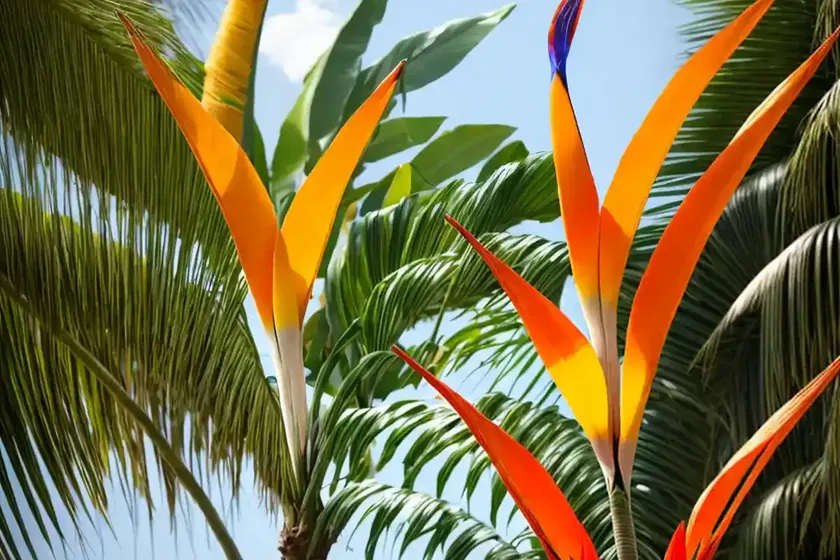
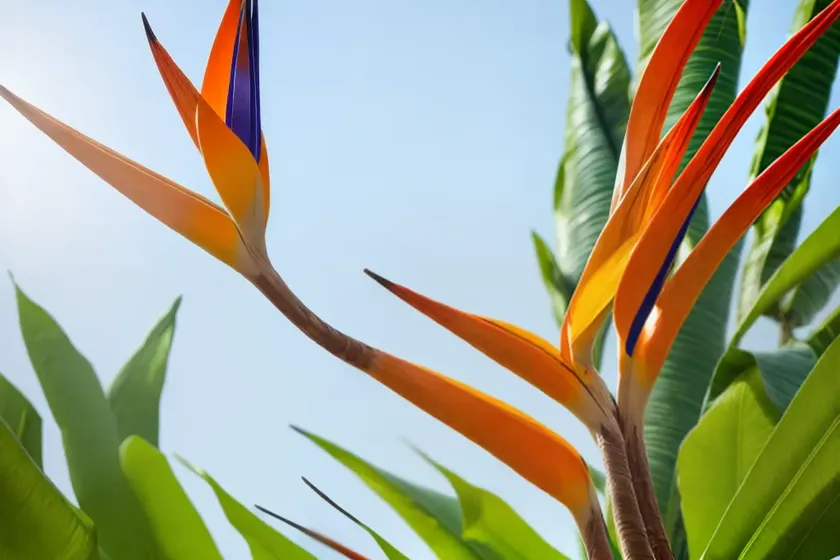
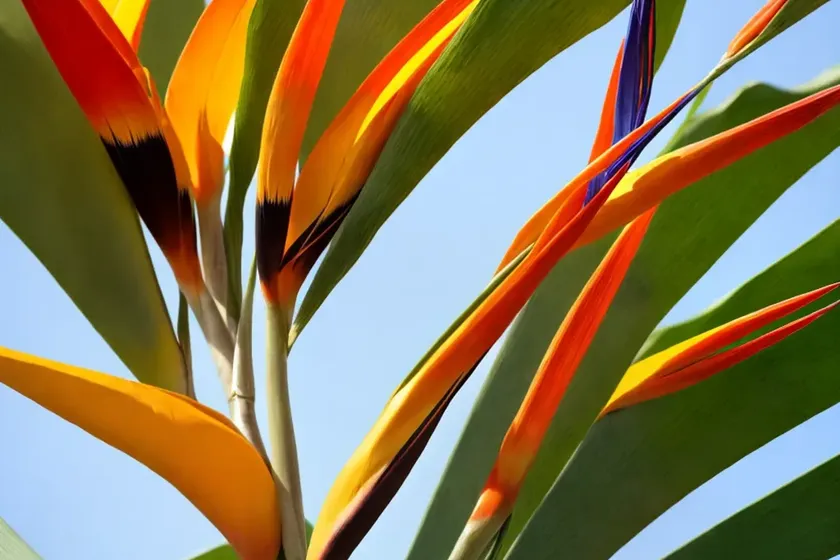
Strelitzia juncea can reach heights of 4 to 5 feet, and its evergreen, rigid, rush-like leaves can grow up to 6 feet long. The absence of the traditional leafy appearance creates an eye-catching silhouette that is both elegant and modern. The plant blooms stunning orange and blue flowers that resemble the head of an exotic bird, giving rise to the common name “Bird of Paradise.”
Key Takeaways – Strelitzia juncea
Culture
Strelitzia juncea is deeply embedded in South African culture, where it holds symbolic importance and is often associated with freedom and beauty. In addition to its cultural significance, this plant has also gained popularity across the globe for its striking appearance and low-maintenance nature.
Uses
- Ornamental: Strelitzia juncea is primarily prized for its ornamental value, serving as a focal point in landscapes, gardens, and indoor spaces.
- Landscaping: Its stately presence and intriguing form make it a favored choice in landscaping, where it adds a tropical flair to the surroundings.
Water
- Moderate water requirements: Strelitzia juncea thrives in moderately moist soil and benefits from regular watering, particularly during the growing season.
Sunlight
- Full sun to partial shade: While it appreciates full sun exposure, it can also adapt to partial shade, making it a versatile choice for different light conditions.
Fertilizer
- Balanced fertilizer: Regular feeding with a balanced, water-soluble fertilizer supports the growth and flowering of Strelitzia juncea. Feed every two weeks during the growing season.
Soil
- Well-draining soil: Strelitzia juncea thrives in well-draining, loamy soil. A mix of peat, pine bark, and perlite provides an ideal medium for its growth.
Pruning
- Minimal pruning needs: Removal of dead or damaged leaves and spent flower stalks is the primary focus of pruning for Strelitzia juncea.
Propagation
- Division: Propagation by division involves separating the rhizomes of mature plants, ensuring that each division has adequate roots and shoots for successful establishment.
Container Popularity
- Ideal for containers: The compact nature and striking appearance of Strelitzia juncea make it a popular choice for container gardening, adding an exotic touch to patios and indoor spaces.
Common Diseases
- Leaf spot: Under conditions of excessive moisture, Strelitzia juncea may be susceptible to leaf spot diseases caused by fungal pathogens.
Disease Diagnosis
- Proper drainage and adequate air circulation are crucial in preventing fungal diseases. Avoid overhead watering and provide good ventilation to minimize the risk of infections.
Common Pests
- Aphids and mealybugs: Regular monitoring helps in early detection of these common pests, and prompt intervention with neem oil or insecticidal soap can effectively manage infestations.
Botanist’s Tips
- Moderate watering: Avoid overwatering, as it can lead to root rot, adversely affecting the health of the plant.
- Regular feeding: Provide a balanced fertilizer on a regular basis during the growing season to support robust growth and prolific flowering.
- Well-draining soil: Ensure the use of well-draining soil to prevent waterlogging, which can compromise the health of the plant.
- Pruning care: Practice minimal pruning, focusing on the removal of dead or damaged foliage to maintain the plant’s aesthetic appeal.
Fun Facts
- Strelitzia juncea is an excellent choice for xeriscaping projects due to its ability to withstand dry conditions.
- In traditional medicine, various parts of the plant are used for their medicinal properties, offering remedies for certain ailments.
- The vibrant orange and blue flowers of Strelitzia juncea make it a popular subject for artistic inspiration and floral arrangements.
In the subsequent sections, we will delve deeper into the nuances of caring for Strelitzia juncea, covering its requirements for water, sunlight, soil, and much more, to ensure that your plant thrives and flourishes under your care.
Links to External Resources
- The Royal Botanic Garden Sydney – Strelitzia juncea
- Gardening Know How – Bird of Paradise Plant Care
- Garden Design – Bird of Paradise Plant Care
Now, let’s delve into the detailed care requirements for Strelitzia juncea, addressing the specific facets of its growth and maintenance.
Strelitzia juncea Plant Care
Strelitzia juncea, commonly known as the Narrow-leaved Bird of Paradise, has earned a revered status due to its captivating presence and stunning blooms. To ensure the successful cultivation of this remarkable plant, it is essential to understand and cater to its specific growing requirements.
Watering Requirements
An integral aspect of caring for Strelitzia juncea lies in providing appropriate watering to sustain its health and vigor.
Key Points:
- Moderate moisture: Strelitzia juncea thrives in moderately moist soil. While it appreciates consistent moisture, it is crucial to avoid waterlogging, which can lead to root rot.
- Frequency: Water the plant regularly, allowing the top inch of the soil to dry out between waterings.
- Seasonal adjustments: Adjust the watering frequency based on the environmental conditions. During the growing season, when the plant is actively growing and flowering, it may require more frequent watering compared to the dormant season.
Sunlight Requirements
Optimal exposure to sunlight is vital for the growth and flowering of Strelitzia juncea, ensuring its overall well-being and bloom production.
Key Points:
- Full sun to partial shade: Strelitzia juncea thrives in full sun conditions, benefiting from at least 6 hours of direct sunlight daily. However, it can also tolerate partial shade, making it adaptable to various light conditions.
- Indoor placement: When grown indoors, it is essential to position the plant near a bright, sunny window to provide it with the requisite light exposure.
Fertilizer Needs
Regular feeding with a balanced fertilizer is essential to supply Strelitzia juncea with the necessary nutrients for robust growth and prolific flowering.
Key Points:
- Balanced fertilizer: Utilize a balanced, water-soluble fertilizer with an equal NPK ratio, applying it every two weeks during the growing season.
- Dilution: Dilute the fertilizer to half the recommended strength to prevent the risk of fertilizer burn while ensuring adequate nourishment for the plant.
Soil Preferences
The choice of soil plays a pivotal role in the successful cultivation of Strelitzia juncea, influencing its growth, root development, and overall health.
Key Points:
- Well-draining soil: Strelitzia juncea thrives in well-draining, loamy soil that offers good aeration and prevents waterlogging.
- Soil components: A blend of peat, pine bark, and perlite provides an ideal growing medium for Strelitzia juncea, promoting healthy root development and overall vitality.
Pruning Tips
Pruning is an essential aspect of maintaining the aesthetic appeal and health of Strelitzia juncea, involving the removal of dead or damaged foliage and spent flower stalks.
Key Points:
- Regular inspection: Conduct routine inspections to identify and remove any dead or yellowing leaves, promoting the overall health and appearance of the plant.
- Spent flowers: Trim the spent flower stalks to encourage the continuous production of blooms and prevent the plant from expending energy on seed production.
Propagation Techniques
Propagation allows for the expansion of your Strelitzia juncea collection, offering the opportunity to create new plants from established ones.
Key Points:
- Division: Propagation of Strelitzia juncea is commonly achieved through division, involving the separation of the rhizomes of mature plants to create new, individual plants.
- Timing: Propagation via division is best carried out during the active growing season, providing the new divisions with optimal conditions for establishment.
Container Gardening
Strelitzia juncea’s compact nature and striking appearance make it an excellent choice for container gardening, allowing for its integration into diverse living spaces and outdoor settings.
Key Points:
- Container selection: Choose a spacious, well-draining container that accommodates the root system and allows for adequate airflow.
- Indoor placement: Position the container near a bright, sunny window to provide the plant with the requisite light exposure.
As we continue, we will explore the common diseases and pests that Strelitzia juncea may encounter, along with expert tips and insights to ensure the plant’s thriving health and vitality.
Common Diseases and Pests
Disease Management
Among the potential diseases that may affect Strelitzia juncea, leaf spot diseases are a common concern, particularly under conditions of excessive moisture and poor air circulation.
Tips for Preventing Diseases:
- Optimal drainage: Ensure that the soil provides proper drainage, preventing waterlogging and excess moisture that can create favorable conditions for fungal diseases.
- Ventilation: Good air circulation is crucial in minimizing the risk of fungal infections. Position the plant in an area with adequate airflow, both indoors and outdoors.
Pest Control
Strelitzia juncea may occasionally encounter infestations by common pests such as aphids and mealybugs, which can negatively impact the plant’s health and appearance.
Tips for Pest Management:
- Regular monitoring: Conduct regular inspections of the plant to detect any signs of pest activity, addressing infestations in their early stages.
- Natural remedies: Intervene with natural pest control measures such as neem oil or insecticidal soap, effectively managing pest populations without the use of harsh chemicals.
Botanist’s Tips for Disease and Pest Control:
- Preventative measures: Emphasize preventative strategies such as optimal watering practices, well-draining soil, and good ventilation to minimize the risk of diseases and pest infestations.
- Early intervention: Promptly address any signs of diseases or pests, intervening with suitable control measures to protect the health and vitality of Strelitzia juncea.
In the subsequent sections, we will explore additional aspects of caring for Strelitzia juncea, including its role in landscapes, as a container plant, and its cultural significance.
Strelitzia juncea in Landscapes and Containers
Role in Landscapes
Strelitzia juncea’s striking form and vibrant blooms grant it a significant role in landscapes, where it serves as a focal point, adding a tropical touch to the surroundings.
Landscape Ideas:
- Architectural presence: Utilize Strelitzia juncea as a key element in garden beds and borders, leveraging its architectural form to create visual interest.
- Tropical themes: Incorporate Strelitzia juncea into tropical landscape designs, where its distinctive appearance amplifies the exotic ambiance.
Container Gardening Tips
The compact nature and striking aesthetic of Strelitzia juncea make it an ideal choice for container gardening, allowing for its integration into diverse living spaces and outdoor settings.
Key Considerations:
- Container selection: Opt for a spacious, well-draining container that accommodates the plant’s root system and provides ample room for growth.
- Aesthetic appeal: Leverage Strelitzia juncea’s visual focal point to enhance the aesthetics of patios, balconies, and indoor spaces through container arrangements.
Moving forward, we will unravel the cultural significance of Strelitzia juncea, its role in sustainable gardening practices, and the rewards and challenges associated with its cultivation.
Strelitzia juncea: Cultural Significance and Gardening Practices
Cultural Significance
Strelitzia juncea holds cultural significance in its native habitat of South Africa, where it is often associated with freedom, beauty, and natural abundance.
Symbolism:
- Freedom and beauty: Strelitzia juncea symbolizes freedom and the inherent beauty of nature, holding a prominent place in South African cultural symbolism.
- National flower: Some varieties of Strelitzia, including Strelitzia reginae, are recognized as the national flower of South Africa, embodying the country’s natural heritage.
Sustainable Gardening Practices
Embracing Strelitzia juncea in gardening endeavors aligns with sustainable practices, promoting eco-friendly choices and horticultural mindfulness.
Environmental Benefits:
- Low-maintenance: Strelitzia juncea’s low-maintenance nature reduces the need for intensive interventions, aligning with sustainable gardening principles.
- Drought tolerance: Its ability to withstand dry conditions makes it an excellent choice for water-wise gardening and xeriscaping projects.
Rewards and Challenges
The cultivation of Strelitzia juncea offers both rewards and challenges, encompassing its visual appeal, health benefits, and the considerations involved in its care.
Rewards:
- Visual focal point: Strelitzia juncea serves as a captivating visual focal point, embellishing landscapes, gardens, and indoor spaces with its unique form and vibrant blooms.
- Air-purifying qualities: As an air-purifying plant, Strelitzia juncea contributes to indoor air quality, enhancing the overall well-being of its surroundings.
Challenges:
- Specific requirements: Meeting the specific growing needs of Strelitzia juncea, particularly in terms of light, water, and soil, requires careful attention and consideration.
- Disease susceptibility: Managing potential diseases and pests presents a challenge in maintaining the plant’s health and vitality.
In the subsequent sections, we will explore companion planting options for Strelitzia juncea, its role in wildlife habitats, and its portrayal as an eco-friendly and low-maintenance plant choice.
Strelitzia juncea: Companion Planting and Wildlife Habitats
Companion Planting
Integrating companion plants with Strelitzia juncea offers the opportunity to create harmonious and mutually beneficial plant combinations, enhancing the overall aesthetics and health of the garden or landscape.
Best Companion Plants:
- Tropical foliage: Incorporate tropical foliage plants to complement the exotic allure of Strelitzia juncea, creating a cohesive and vibrant setting.
- Groundcovers: Utilize low-growing groundcovers to accentuate the architectural form of Strelitzia juncea while providing a lush contrast.
Role in Wildlife Habitats
Strelitzia juncea plays a role in supporting wildlife and biodiversity, where its blooms and foliage contribute to the habitats of various organisms.
Wildlife Interaction:
- Nectar source: The flowers of Strelitzia juncea serve as a nectar source, attracting pollinators such as birds and insects, contributing to the local ecosystem.
- Shelter and foraging: The reed-like leaves offer shelter and foraging opportunities for small creatures, further enriching the habitat.
As we continue, we will delve into Strelitzia juncea’s seasonal care requirements, its suitability for urban gardening, and its portrayal as an eco-friendly and low-maintenance plant choice.
Strelitzia juncea: Seasonal Care and Urban Gardening
Seasonal Care
Adapting the care practices for Strelitzia juncea based on seasonal variations ensures that the plant receives the requisite attention and adjustments to support its growth and well-being.
Seasonal Considerations:
- Spring and summer: During the growing season, focus on regular feeding, adequate watering, and monitoring for pests and diseases, providing optimal conditions for growth and flowering.
- Fall and winter: Adjust the watering frequency and reduce feeding as the plant enters a dormant phase, allowing for a period of rest and conservation of energy.
Urban Gardening
Strelitzia juncea’s versatility and striking appearance make it well-suited for urban gardening, amplifying the aesthetics and greenery of urban environments.
Urban Benefits:
- Architectural appeal: Its architectural form and vibrant blooms make Strelitzia juncea a valuable addition to urban landscapes and rooftop gardens, enhancing visual appeal.
- Air purification: Strelitzia juncea contributes to air purification, a valuable trait in urban settings where air quality may be compromised.
Strelitzia juncea as an Eco-Friendly and Low-Maintenance Plant Choice
Eco-Friendly Practices
Incorporating Strelitzia juncea aligns with eco-friendly gardening practices, promoting sustainability and mindful approaches to horticulture.
Environmental Contributions:
- Drought tolerance: Strelitzia juncea’s ability to withstand dry conditions makes it an asset in water-wise gardening and xeriscaping projects, conserving water resources.
- Wildlife support: The blooms and foliage of Strelitzia juncea contribute to wildlife habitats, attracting pollinators and providing shelter for small creatures.
Low-Maintenance Appeal
The low-maintenance nature of Strelitzia juncea reduces the need for intensive interventions and upkeep, making it an attractive and practical choice for a range of gardening endeavors.
Key Features:
- Adaptability: Strelitzia juncea demonstrates adaptability to different growing conditions, requiring minimal intervention and specialized care.
- Visual impact: Its unique form and vibrant blooms deliver a visual impact without demanding excessive attention or resources.
As we conclude our comprehensive guide to caring for Strelitzia juncea, it is evident that this exceptional plant encompasses not only visual allure but also cultural significance, environmental value, and practical appeal. By understanding and embracing the specific requirements and nuances of Strelitzia juncea care, you can foster its growth and ensure its flourishing presence in your living spaces and outdoor settings.
I hope you found this guide insightful and informative, offering valuable insights into the world of Strelitzia juncea and its significance in the realm of horticulture and cultural symbolism.
If you have any gardening stories involving Strelitzia juncea or additional tips to enhance its care, feel free to share them in the comments below. Let’s continue to celebrate and nurture the natural wonders that enrich our lives and surroundings.
References:
- Royal Botanic Garden Sydney. (n.d.). Strelitzia juncea. https://www.rbgsyd.nsw.gov.au/The-collection/Plants/Strelitzia-juncea
- Gardening Know How. (n.d.). Bird of Paradise Plant Care. https://www.gardeningknowhow.com/ornamental/flowers/bop/bird-of-paradise-plant-care.htm
- Garden Design. (n.d.). Bird of Paradise


