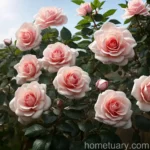
Plant Scientist’s Guide to Grandiflora Rose (Rosa ‘Wekisoblip’ WILD BLUE YONDER)
As a plant scientist with a passion for roses, I am excited to share my expertise on the grandiflora rose, specifically the stunning Rosa ‘Wekisoblip’ WILD BLUE YONDER. In this comprehensive guide, we will delve into every aspect of this beautiful rose variety, from its cultural requirements to common pests and diseases. Whether you are a seasoned gardener or a budding enthusiast, there is something for everyone to discover about this captivating plant.
What is a Grandiflora Rose?
Grandiflora roses are known for their large, showy blooms and their ability to grow in both clusters and singly on the stem. They are considered a cross between floribunda and hybrid tea roses, combining the best features of both. The Rosa ‘Wekisoblip’ WILD BLUE YONDER, in particular, is a stunning grandiflora rose variety that boasts striking blue-violet blooms. Its vigorous growth habit and disease resistance make it a popular choice for gardens and landscapes.
Key Takeaways – Grandiflora Rose (Rosa ‘Wekisoblip’ WILD BLUE YONDER)
Before we delve into the specifics of caring for the Rosa ‘Wekisoblip’ WILD BLUE YONDER, let’s take a look at the key takeaways:
- Culture
- Uses
- Water
- Sunlight
- Fertilizer
- Soil
- Pruning
- Propagation
- Container Popularity
- Common Diseases
- Disease Diagnosis
- Common Pests
- Botanist’s Tips
- Fun Facts
- Links to External Resources
Now, let’s explore each of these aspects in detail.
Culture of Grandiflora Rose (Rosa ‘Wekisoblip’ WILD BLUE YONDER)
Cultivating the Rosa ‘Wekisoblip’ WILD BLUE YONDER requires a good understanding of its specific cultural needs. From its water requirements to soil preferences, here is a detailed breakdown of its optimal growing conditions.
Uses
The grandiflora rose, particularly the Rosa ‘Wekisoblip’ WILD BLUE YONDER, serves several purposes in the garden and beyond. Its primary uses include:
- Ornamental Beauty: The stunning, large blooms of the Rosa ‘Wekisoblip’ WILD BLUE YONDER make it a popular choice for adding beauty and elegance to gardens and landscapes.
- Cut Flowers: Due to their long stems and showy blooms, grandiflora roses are often used in floral arrangements, adding a touch of beauty and fragrance to indoor spaces.
Water
Water is a crucial element in the successful cultivation of grandiflora roses. However, it’s essential to strike a balance and avoid overwatering, which can lead to root rot, or underwatering, which can stress the plant.
-
Watering Schedule: The Rosa ‘Wekisoblip’ WILD BLUE YONDER should be watered deeply but infrequently, allowing the soil to dry out slightly between waterings. In hot and dry conditions, more frequent watering may be necessary, while in cooler and more humid environments, less watering is required.
-
Watering Technique: To promote healthy root development, it’s advisable to water the base of the plant and avoid wetting the leaves to prevent fungal diseases.
Sunlight
Like most roses, the Rosa ‘Wekisoblip’ WILD BLUE YONDER thrives in full sunlight. Adequate sunlight is essential for robust growth and prolific blooming.
-
Sun Exposure: It is recommended to plant grandiflora roses in an area that receives at least 6-8 hours of direct sunlight per day. Insufficient sunlight can result in leggy growth and reduced flowering.
-
Shade Tolerance: While these roses prefer ample sunlight, they can tolerate some light shade, particularly in regions with intense afternoon sun to protect them from excessive heat.
Fertilizer
Proper nutrition is key to the health and vitality of grandiflora roses. A balanced fertilization regimen supports robust growth, abundant flowering, and overall plant resilience.
-
Fertilizer Type: A well-balanced, slow-release fertilizer formulated specifically for roses is ideal. Look for a formulation with a balanced ratio of nitrogen, phosphorus, and potassium, as well as essential micronutrients.
-
Application Frequency: Fertilize the Rosa ‘Wekisoblip’ WILD BLUE YONDER in spring as new growth appears and again in early summer to support the continuous blooming period. Avoid fertilizing in late summer to prevent encouraging new growth that may be susceptible to frost damage.
Soil
The soil composition plays a critical role in the overall health and vigor of grandiflora roses. Well-draining, nutrient-rich soil is essential for optimal growth.
-
Soil Type: These roses thrive in loamy, well-draining soil with a slightly acidic to neutral pH (pH 6.0-6.5). Amending heavy clay soils with organic matter such as compost or peat moss can improve drainage and soil structure.
-
Soil Preparation: Prior to planting, prepare the soil by incorporating organic matter and a balanced, slow-release fertilizer to provide essential nutrients for the Rosa ‘Wekisoblip’ WILD BLUE YONDER.
Pruning Grandiflora Rose (Rosa ‘Wekisoblip’ WILD BLUE YONDER)
Pruning is an essential aspect of grandiflora rose care, contributing to plant health, shape control, and the promotion of vigorous new growth and abundant blooms.
-
Pruning Time: The best time to prune grandiflora roses such as the Rosa ‘Wekisoblip’ WILD BLUE YONDER is in late winter or early spring before new growth emerges. During this time, remove any dead, damaged, or crossing branches to maintain an open, airy structure.
-
Pruning Technique: When making pruning cuts, use sharp, clean pruning shears to make clean cuts at a 45-degree angle just above a healthy outward-facing bud. This technique encourages outward growth and prevents the development of inward-facing branches that can congest the plant’s center.
Propagation of Grandiflora Rose (Rosa ‘Wekisoblip’ WILD BLUE YONDER)
For those interested in propagating the Rosa ‘Wekisoblip’ WILD BLUE YONDER to expand their rose collection, several methods can be employed, including:
-
Cuttings: Propagate grandiflora roses from semi-hardwood cuttings taken in summer or hardwood cuttings taken in late winter. Dip the cut ends in rooting hormone and place them in a well-draining propagation medium to encourage root development.
-
Layering: Another method of propagation involves layering a low-lying branch by making a small incision in the underside of the stem, applying rooting hormone, and covering the wounded area with soil to encourage root formation.
Popularity of Grandiflora Roses (Rosa ‘Wekisoblip’ WILD BLUE YONDER)
The Rosa ‘Wekisoblip’ WILD BLUE YONDER, with its exquisite blooms and robust growth habit, has garnered significant popularity among rose enthusiasts and landscapers. Its striking color and disease resistance make it a sought-after variety for various garden applications.
Common Diseases of Grandiflora Rose (Rosa ‘Wekisoblip’ WILD BLUE YONDER)
While the Rosa ‘Wekisoblip’ WILD BLUE YONDER exhibits good disease resistance, it is essential to be aware of potential diseases that can affect grandiflora roses and how to diagnose them effectively.
Disease Diagnosis
When observing the Rosa ‘Wekisoblip’ WILD BLUE YONDER for signs of disease, it is important to look out for common rose ailments, including:
-
Powdery Mildew: Identified by a powdery white film on the leaves and stems, powdery mildew can weaken the plant and inhibit flowering if left untreated.
-
Black Spot: This fungal disease manifests as circular, black lesions on the leaves, often leading to premature leaf drop and decreased plant vigor.
-
Botrytis Blight: Sometimes known as grey mold, botrytis blight presents as fuzzy, grey-brown mold on flowers and buds, particularly in wet and humid conditions.
Disease Prevention
To prevent diseases from affecting the Rosa ‘Wekisoblip’ WILD BLUE YONDER, it is essential to employ cultural and, if necessary, chemical control methods to mitigate the risk.
-
Cultural Practices: Proper spacing to encourage air circulation, watering at the base of the plant to avoid wet foliage, and removal of fallen leaves can help prevent the spread of fungal diseases.
-
Fungicidal Treatments: If diseases persist, consider applying a fungicidal treatment labeled for the specific disease according to the manufacturer’s instructions.
Common Pests Affecting Grandiflora Rose (Rosa ‘Wekisoblip’ WILD BLUE YONDER)
In addition to diseases, grandiflora roses are susceptible to various pests that can diminish their vigor and flowering performance.
Pest Management
Recognizing the signs of common rose pests such as aphids, thrips, and spider mites is crucial for effective pest management.
-
Integrated Pest Management: Implementing cultural and biological control measures, such as encouraging natural predators and regularly inspecting plants for early pest detection, can help manage pest populations without relying solely on chemical interventions.
-
Selective Insecticides: If pest populations reach problematic levels, targeted insecticidal treatments can be employed to control specific pests while minimizing impact on beneficial insect species.
Botanist’s Tips for Growing Grandiflora Rose (Rosa ‘Wekisoblip’ WILD BLUE YONDER)
As a botanist specializing in roses, I have gathered valuable insights and practical tips for success in growing the Rosa ‘Wekisoblip’ WILD BLUE YONDER:
-
Mulching: Apply a layer of organic mulch around the base of the plant to conserve soil moisture, suppress weed growth, and provide a gradual release of nutrients as it decomposes.
-
Companion Planting: Consider planting companion species that complement the grandiflora rose, such as low-growing perennials or grasses, to enhance the overall garden aesthetic and biodiversity.
-
Regular Observation: Take the time to regularly observe the Rosa ‘Wekisoblip’ WILD BLUE YONDER for any signs of stress, disease, or pest activity, addressing issues promptly to maintain plant health.
Fun Facts about Grandiflora Rose (Rosa ‘Wekisoblip’ WILD BLUE YONDER)
Amidst the detailed care and cultivation practices, it’s always enjoyable to discover some fun and intriguing facts about the Rosa ‘Wekisoblip’ WILD BLUE YONDER:
- The captivating blue-violet blooms of this grandiflora rose are a rarity in the rose world, making it a truly unique and sought-after variety.
- The name “WILD BLUE YONDER” aptly captures the mesmerizing and vibrant hue of the rose blooms, evoking a sense of whimsy and adventure in the garden.
- Grandiflora roses, including the Rosa ‘Wekisoblip’ WILD BLUE YONDER, have been hybridized to exhibit improved disease resistance and a longer blooming period, making them low-maintenance yet high-impact plants in the landscape.
Links to External Resources
For a deeper dive into the world of grandiflora roses, including the Rosa ‘Wekisoblip’ WILD BLUE YONDER, I recommend exploring the following external resources:
- American Rose Society: www.rose.org
- Royal Horticultural Society: www.rhs.org.uk
- University Cooperative Extension Services: Check your local extension service for specific guides on growing roses in your region.
In conclusion, the grandiflora rose, exemplified by the captivating Rosa ‘Wekisoblip’ WILD BLUE YONDER, is a versatile and enchanting addition to any garden or landscape. By understanding its cultural requirements, mastering essential care practices, and appreciating its unique attributes, gardeners can unlock the full potential of this extraordinary rose variety.
Whether you are drawn to its rare blue-violet blooms, its disease resistance, or its graceful growth habit, the Rosa ‘Wekisoblip’ WILD BLUE YONDER is sure to captivate and inspire a deep appreciation for the art and science of growing roses.
References
- Grandiflora Roses. (n.d.). American Rose Society. www.rose.org
- Growing Roses. (n.d.). Royal Horticultural Society. www.rhs.org.uk
- Local Extension Services. (n.d.). Cooperative Extension System. Check with your local extension service for region-specific rose growing guides.