Stemmy Four-nerve Daisy (Tetraneuris scaposa): A Comprehensive Plant Care Guide
Introduction
Plants play a significant role in balancing the ecosystem, adding beauty to our surroundings, and providing various benefits. As a plant scientist, I am thrilled to present this detailed guide on the Stemmy Four-nerve Daisy (Tetraneuris scaposa). This plant is a wonderful addition to any garden or landscape due to its charming appearance and low maintenance requirements.
In this comprehensive plant care guide, I will delve into the various aspects of cultivating and caring for the Stemmy Four-nerve Daisy. From understanding its characteristics and planting requirements to exploring its uses, pests, and diseases, this guide will equip both novice and experienced gardeners with valuable insights into this delightful plant. So, let’s embark on a journey to discover the enchanting world of the Stemmy Four-nerve Daisy.
What is the Stemmy Four-nerve Daisy (Tetraneuris scaposa)?
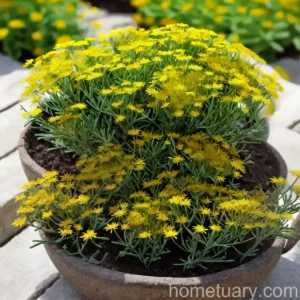
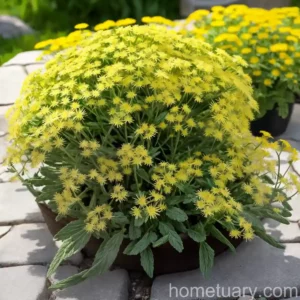
The Stemmy Four-nerve Daisy, scientifically known as Tetraneuris scaposa, is a perennial plant that belongs to the Asteraceae family. This native North American wildflower is also commonly referred to as the Stemmy Tetraneuris. It is a resilient and adaptive plant known for its striking yellow flowers and attractive foliage. The Stemmy Four-nerve Daisy typically thrives in open woodlands, deserts, and grasslands, adding vibrancy to its natural habitats.
Key Takeaways – Stemmy Four-nerve Daisy (Tetraneuris scaposa)
Before delving into the specific care requirements of the Stemmy Four-nerve Daisy, let’s summarize the key takeaways about this fascinating plant:
- Botanical Name: Tetraneuris scaposa
- Common Names: Stemmy Four-nerve Daisy, Stemmy Tetraneuris
- Plant Type: Perennial
- Family: Asteraceae
- Native Habitat: North America
- Flower Color: Yellow
- Foliage: Bright green, basal leaves
- Growth Habit: Compact and clump-forming
- Blooming Season: Spring to early summer
- Uses: Ornamental gardens, landscapes, and naturalistic settings
Now that we have familiarized ourselves with the basic characteristics of the Stemmy Four-nerve Daisy, let’s proceed to explore the essential care guidelines for this charming plant.
Culture
Cultivating the Stemmy Four-nerve Daisy involves understanding its specific cultural requirements to ensure optimal growth and blooming. Whether you are considering adding this plant to your garden or maintaining an existing specimen, it’s important to take into account the following cultural aspects:
Water
Proper watering is crucial for the health and vigor of the Stemmy Four-nerve Daisy. While this plant exhibits some degree of drought tolerance once established, it still benefits from regular watering, especially during dry spells. Here are some key points to consider when watering the Tetraneuris scaposa:
- Establishment Period: Newly planted Stemmy Four-nerve Daisies require consistent moisture to encourage root establishment. Water regularly during the first few months after planting, ensuring that the soil remains evenly moist but not waterlogged.
- Mature Plants: Once the plant is established, it can withstand periods of moderate drought. However, during prolonged dry periods, it is advisable to provide supplemental watering to support healthy growth and flowering.
- Watering Frequency: In general, water the Stemmy Four-nerve Daisy when the top inch of the soil feels dry to the touch. Aim for deep, thorough watering sessions that penetrate the root zone, rather than frequent light waterings.
Sunlight
Like many flowering plants, adequate sunlight is essential for the Stemmy Four-nerve Daisy to thrive and produce abundant blooms. Understanding its sunlight requirements will contribute to a successful cultivation experience. Here’s what you need to know about providing the right amount of sunlight for Tetraneuris scaposa:
- Full Sun: The Stemmy Four-nerve Daisy thrives in full sunlight and should be planted in locations that receive at least 6-8 hours of direct sunlight per day. Ensure that the chosen planting site receives ample sunlight to support robust growth and prolific blooming.
- Partial Shade: While the plant prefers full sun, it can tolerate some afternoon shade, especially in regions with intense summer heat. In such cases, providing partial shade during the hottest part of the day can help prevent stress and sunburn on the foliage.
- Sunlight Considerations: When selecting a planting site for the Stemmy Four-nerve Daisy, take into account the seasonal sun exposure to ensure that the plant receives the necessary sunlight throughout the year.
Fertilizer
Proper fertilization plays a significant role in promoting healthy growth and vigorous flowering in the Stemmy Four-nerve Daisy. By understanding the plant’s fertilizer requirements and timing, you can enhance its overall performance. Consider the following guidelines for fertilizing Tetraneuris scaposa:
- Balanced Fertilizer: Use a balanced, all-purpose fertilizer with equal NPK (nitrogen, phosphorus, and potassium) ratios to provide essential nutrients for the plant’s growth.
- Fertilizer Application: Apply a slow-release granular fertilizer around the root zone of the Stemmy Four-nerve Daisy in early spring, just as new growth begins. This will supply nutrients gradually over the growing season, supporting strong and healthy development.
- Frequency: Repeat the fertilizer application once or twice during the growing season, following the manufacturer’s recommendations for the specific product used. Avoid over-fertilization, as excessive nutrients can lead to an imbalance and potentially harm the plant.
Soil
Understanding the soil preferences of the Stemmy Four-nerve Daisy is vital for creating an optimal growing environment. Adequate soil preparation and maintenance contribute to the plant’s overall health and vitality. Consider the following soil-related factors when caring for Tetraneuris scaposa:
- Well-draining Soil: The Stemmy Four-nerve Daisy thrives in well-draining soil that prevents water from pooling around the roots. Avoid waterlogged or compacted soils, as they can lead to root rot and other complications.
- Soil Composition: Provide a well-amended, loamy soil with good organic content to support healthy growth. Incorporate organic matter such as compost or well-rotted manure into the soil before planting, enhancing its texture and fertility.
- Soil pH: Aim for a slightly acidic to neutral soil pH range between 6.0 and 7.0. Conduct a soil test to determine the existing pH and make necessary amendments to achieve the ideal pH level for the Stemmy Four-nerve Daisy.
Pruning
Proper pruning and maintenance practices contribute to the overall appearance and performance of the Stemmy Four-nerve Daisy. By implementing appropriate pruning techniques, you can ensure a tidy and attractive growth habit while promoting vigorous blooming. Here’s what you need to know about pruning Tetraneuris scaposa:
- Deadheading: Regular deadheading of faded flowers helps prolong the blooming period of the Stemmy Four-nerve Daisy and prevents the formation of seed heads. Use clean, sharp pruners to remove spent blooms, cutting the flower stalk down to a point just above the nearest healthy set of leaves.
- Thinning: Periodically thin out overcrowded or weak stems to improve air circulation and light penetration within the plant. This encourages better growth and reduces the risk of disease development.
- Rejuvenation: In late winter or early spring, consider rejuvenation pruning for older or overgrown Tetraneuris scaposa specimens. This involves cutting back the entire plant to a height of a few inches above the ground, stimulating fresh, vigorous growth in the upcoming season.
Propagation
To expand your garden’s Tetraneuris scaposa population or share this delightful plant with others, mastering the propagation techniques is essential. The Stemmy Four-nerve Daisy can be propagated through several methods, each providing an opportunity to create new plants. Here are the primary propagation methods for Tetraneuris scaposa:
- Division: Divide mature clumps of the Stemmy Four-nerve Daisy in early spring or early fall to create new plants. Use a sharp spade or garden knife to carefully separate the clumps, ensuring that each division has a good portion of healthy roots and foliage.
- Seed Propagation: Collect seeds from the mature Seed Four-nerve Daisy plants after the blooming period. Sow the seeds in well-prepared soil, providing adequate moisture and warmth for germination. Keep in mind that seed propagation may result in slight variations in flower color or other characteristics compared to the parent plants.
- Stem Cuttings: Propagate Tetraneuris scaposa through stem cuttings taken from healthy, actively growing plants. Select a stem with several sets of leaves and make a clean cut just below a node. Plant the cutting in a well-draining rooting medium and provide the necessary warmth and humidity for successful rooting.
Container Popularity
The versatility and charming appearance of the Stemmy Four-nerve Daisy make it a popular choice for container gardening. By growing Tetraneuris scaposa in containers, you can enjoy its delightful blooms on patios, balconies, or other confined spaces. Consider the following pointers when cultivating the Stemmy Four-nerve Daisy in containers:
- Container Selection: Choose a large, well-draining container with ample drainage holes to accommodate the plant’s root system. Terracotta or resin pots are excellent choices, providing stability and breathability for the roots.
- Potting Mix: Use a high-quality, well-draining potting mix that promotes healthy root growth and moisture retention. A mix formulated for flowering perennials or succulents can provide the ideal growing medium for Tetraneuris scaposa.
- Watering Considerations: Container-grown Stemmy Four-nerve Daisies may require more frequent watering than those planted in the ground, as the soil in containers tends to dry out faster. Monitor the moisture levels closely and adjust the watering frequency as needed to keep the soil consistently moist but not waterlogged.
Common Diseases
While the Stemmy Four-nerve Daisy is generally resilient and disease-resistant, it is still susceptible to certain issues that can affect its health and appearance. By familiarizing yourself with the common diseases that may impact Tetraneuris scaposa, you can take proactive measures to prevent and manage these challenges. Here are some common diseases that may affect the Stemmy Four-nerve Daisy:
- Powdery Mildew: This fungal disease often appears as a white, powdery coating on the foliage of the Stemmy Four-nerve Daisy. It thrives in humid conditions and can weaken the plant over time. To prevent powdery mildew, ensure good air circulation around the plant and avoid overhead watering.
- Root Rot: Waterlogged or poorly draining soils can lead to root rot in Tetraneuris scaposa. To prevent this issue, ensure that the soil is well-draining and avoid overwatering the plant. In severe cases, root rot can lead to wilting, yellowing foliage, and overall decline in the plant’s health.
- Aster Yellows: This phytoplasma disease affects plants in the Asteraceae family, including the Stemmy Four-nerve Daisy. Symptoms include abnormal growth, yellowing of foliage, and stunted flower development. There is no cure for Aster yellows, so prevention through the use of disease-free plants and proper sanitation practices is crucial.
Disease Diagnosis
Diagnosing potential diseases affecting the Stemmy Four-nerve Daisy involves close observation of the plant’s overall health and symptoms exhibited. Early detection and accurate identification of diseases enable prompt intervention and treatment. Here are some diagnostic tips for identifying potential diseases in Tetraneuris scaposa:
- Foliage Examination: Regularly inspect the foliage of the Stemmy Four-nerve Daisy for any signs of discoloration, spots, or abnormal growth. Discolored or distorted leaves can indicate potential disease issues that require further investigation.
- Symptom Comparison: Compare the observed symptoms with those associated with common plant diseases, focusing on any distinctive patterns or characteristics. This can provide valuable clues in narrowing down the potential causes of the plant’s health problems.
- Professional Consultation: If uncertain about the diagnosis or management of a particular disease affecting the Stemmy Four-nerve Daisy, seek the advice of a plant health professional or local agricultural extension service. They can provide expert guidance and potential treatment options.
Common Pests
In addition to diseases, the Stemmy Four-nerve Daisy may also face threats from various pests that can compromise its health and appearance. Understanding the common pests that may target Tetraneuris scaposa is essential for implementing proactive pest management strategies. Here are some common pests that may affect the Stemmy Four-nerve Daisy:
- Aphids: These small, soft-bodied insects often gather on the undersides of the foliage and stems, sucking sap from the plant. Aphid infestations can cause leaf curling, yellowing, and stunted growth in the Stemmy Four-nerve Daisy.
- Spider Mites: These tiny arachnids thrive in hot, dry conditions and can cause visible stippling on the foliage of Tetraneuris scaposa. Spider mite infestations may lead to discoloration and premature leaf drop if left untreated.
- Snails and Slugs: These mollusks can feed on the tender foliage and flowers of the Stemmy Four-nerve Daisy, causing visible damage and holes on the plant. Their feeding activity is most noticeable during periods of high humidity or after rainfall.
Botanist’s Tips
As a plant scientist deeply passionate about the world of botany and horticulture, I would like to share some valuable tips and insights for cultivating and caring for the Stemmy Four-nerve Daisy. These botanist’s tips aim to enhance your understanding of Tetraneuris scaposa and empower you to create a thriving environment for this enchanting plant. Here are some botanist’s tips for growing and caring for the Stemmy Four-nerve Daisy:
- Naturalistic Planting: Incorporate the Stemmy Four-nerve Daisy into naturalistic or wildflower garden settings to create a harmonious and diverse plant community. Its bright blooms and adaptable nature make it an excellent addition to meadows, prairies, and other informal landscapes.
- Companion Planting: Pair the Stemmy Four-nerve Daisy with other native wildflowers, such as Blanket Flower (Gaillardia) and Coneflowers (Echinacea), to create a visually captivating and ecologically beneficial planting scheme. These companion plants can attract pollinators and beneficial insects while enhancing the overall aesthetic of the garden.
- Seasonal Care: Provide seasonal care and maintenance based on the specific growth habits and blooming patterns of the Stemmy Four-nerve Daisy. Adjust watering, fertilization, and pruning practices to align with the plant’s seasonal needs, promoting healthy growth and prolific flowering.
Fun Facts
Uncovering fascinating and lesser-known facts about the Stemmy Four-nerve Daisy adds depth to our appreciation of this captivating plant. From its ecological significance to its unique characteristics, here are some fun facts about Tetraneuris scaposa that highlight its charm and versatility:
- The Stemmy Four-nerve Daisy is a valuable nectar source for pollinators such as bees, butterflies, and hoverflies, supporting the ecological balance in its native habitats.
- This plant’s bright yellow flowers are not only visually appealing but also play a role in attracting various beneficial insects, contributing to the biodiversity of the surrounding environment.
- The leaves of the Stemmy Four-nerve Daisy are edible and can be used in salads or as a garnish, offering a mild, slightly bitter flavor that adds diversity to culinary creations.
Links to External Resources
As we conclude this comprehensive guide to the Stemmy Four-nerve Daisy, I would like to provide you with links to external resources where you can further explore and expand your knowledge of Tetraneuris scaposa, gardening, and related topics. These external resources encompass reputable websites, publications, and organizations dedicated to plant care, horticulture, and botany. Feel free to delve into these valuable resources to continue your journey of learning and discovery:
-
The Royal Horticultural Society (RHS): The official website of the RHS offers a wealth of information on plant care, gardening advice, and horticultural resources, including articles on native wildflowers and perennials.
-
Botanical Society of America: Explore the Botanical Society of America’s website to access botanical publications, educational materials, and research insights pertaining to plants, their ecology, and conservation.
-
USDA Plant Database: The USDA’s online plant database provides comprehensive information on native plants, including Tetraneuris scaposa, their geographic distribution, and ecological attributes, offering a valuable resource for plant enthusiasts and researchers.
By engaging with these external resources, you can deepen your understanding of the Stemmy Four-nerve Daisy and gain access to a wealth of botanical knowledge and expertise. Continual learning and exploration are fundamental aspects of nurturing a passion for plants and cultivating thriving garden spaces.
In conclusion, the Stemmy Four-nerve Daisy (Tetraneuris scaposa) stands as a delightful and resilient plant that captivates with its sunny blooms and diverse uses in landscaping and naturalistic settings. As a plant scientist, it brings me great joy to share this in-depth plant care guide, equipping you with the knowledge and insights needed to cultivate, appreciate, and celebrate the beauty of Tetraneuris scaposa. By applying the principles and recommendations outlined in this guide, you can embark on a fulfilling journey of nurturing and enjoying the enchanting presence of the Stemmy Four-nerve Daisy in your garden and beyond.
References
- “Native Plant Database.” USDA. Link
- “Royal Horticultural Society.” Link
- “Botanical Society of America.” Link
I hope this comprehensive plant care guide proves to be a valuable resource for your botanical endeavors, inspiring a deeper appreciation for the natural world and the remarkable plants that enrich our lives. May your gardening experiences be filled with joy, discovery, and the enduring beauty of Tetraneuris scaposa.
Happy gardening!
Disclaimer: The information provided in this plant care guide is for educational purposes and does not constitute professional advice. Please consult with local horticultural experts and extension services for specific recommendations tailored to your unique gardening conditions and environmental factors.