Starfish Cacti (Stapelia Grandiflora)
Plants are an integral part of our ecosystem, playing a vital role in maintaining the balance of nature. They come in various forms, from towering trees in.
Plants are an integral part of our ecosystem, playing a vital role in maintaining the balance of nature. They come in various forms, from towering trees in tropical rainforests to tiny succulents in arid deserts. Each plant species possesses unique traits and characteristics that make them fascinating subjects for study and admiration.
In this blog post, we will explore one such captivating plant: the Starfish Cactus, scientifically known as Stapelia Grandiflora. We will delve into its cultural significance, uses, care requirements, and much more. By the end of this article, you will have a comprehensive understanding of this remarkable plant and how to nurture it to thrive in your own garden or indoor space.
Key Takeaways – Starfish Cacti (Stapelia Grandiflora)
Here are some key takeaways that we will cover in detail throughout this article:
- Plant Name: Starfish Cacti (Stapelia Grandiflora)
- Culture
- Uses
- Water
- Sunlight
- Fertilizer
- Soil
- Pruning
- Propagation
- Container Popularity
- Common Diseases
- Disease Diagnosis
- Common Pests
- Botanist’s Tips
- Fun Facts
Now, let’s embark on an enriching journey to uncover the wonders of the Starfish Cactus and how we can best care for and appreciate this unique plant.
Culture of Starfish Cacti (Stapelia Grandiflora)
Overview
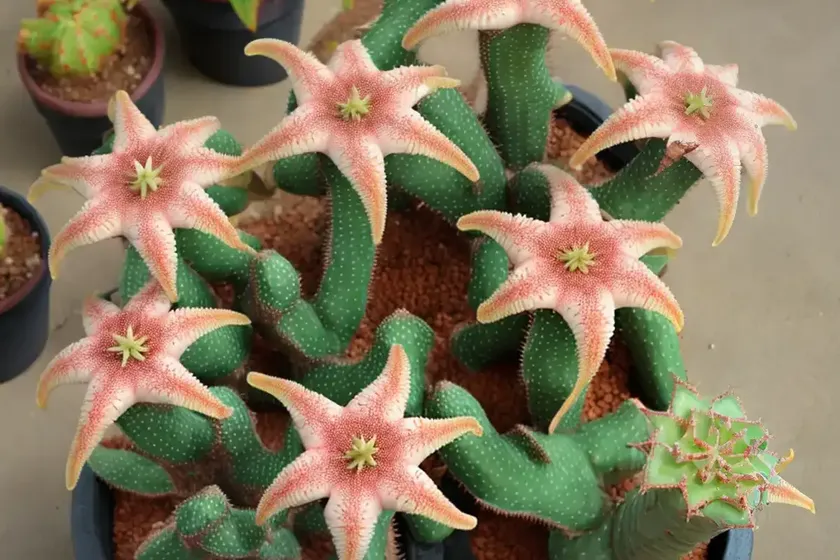
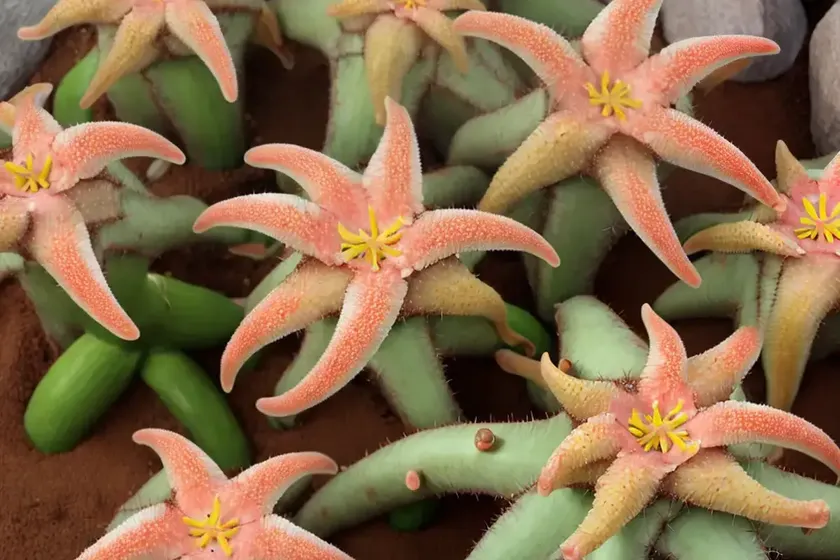
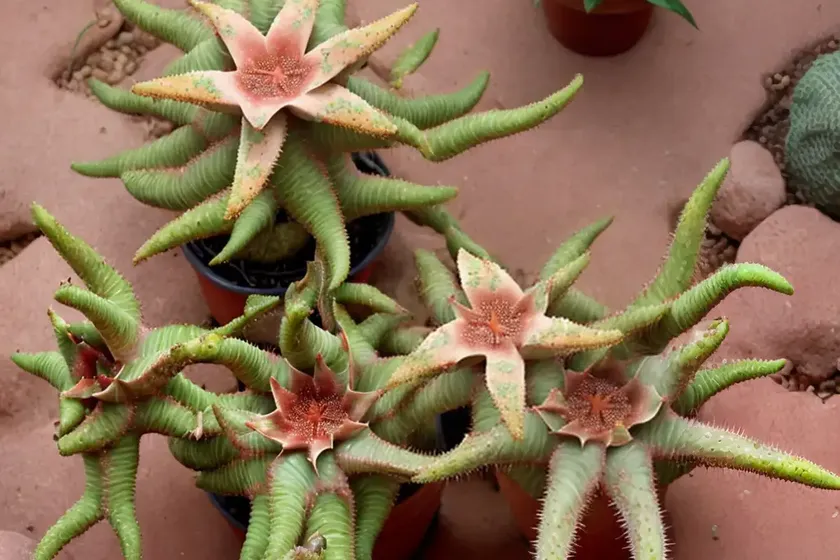
The Starfish Cactus, Stapelia Grandiflora, is a striking succulent that belongs to the Apocynaceae family. This low-growing, spineless cactus is native to southern Africa, where it thrives in arid, desert-like conditions. The plant is renowned for its unusual star-shaped flowers, which emit an odor resembling that of rotting flesh, a characteristic that attracts flies for pollination.
Uses
The Starfish Cactus holds cultural and medicinal significance in some indigenous communities. Traditionally, various parts of the plant are used for therapeutic purposes, and its unique appearance has also made it a desirable addition to gardens and indoor spaces around the world.
Care Requirements
Now, let’s delve into the specific care requirements for the Starfish Cactus, addressing aspects such as water, sunlight, fertilizer, soil, pruning, and propagation.
Water
Watering Tips
Starfish Cacti, being desert plants, have adapted to survive in low-water environments. It is crucial to avoid overwatering, as this can lead to root rot and other issues. Here are some tips for watering your Starfish Cactus:
- Frequency: Water the plant sparingly, allowing the soil to dry out completely between waterings. During the growing season, typically in spring and summer, a deep watering once every two weeks is usually sufficient. In colder months or during its dormant period, reduce watering even further.
- Soil Moisture: Before watering, check the moisture level of the soil by inserting your finger into the soil. If it feels dry at a depth of about an inch, it’s time to water.
- Drainage: Ensure that the pot has drainage holes to allow excess water to escape, preventing waterlogged soil.
Sunlight
Sunlight Needs
Proper sunlight is crucial for the healthy growth and flowering of the Starfish Cactus. Here are essential points to consider regarding sunlight requirements:
- Exposure: Place the plant in a location that receives ample indirect sunlight. A south-facing window is often ideal, as it provides bright, indirect light for most of the day.
- Protection: While the Starfish Cactus thrives in sunlight, it is important to shield it from intense midday sun, especially in regions with hot summers. Scorching rays can lead to sunburn on the plant’s surface.
- Rotate the Plant: To promote even growth, rotate the plant periodically to ensure that all sides receive uniform sunlight exposure.
Fertilizer
Fertilizing Guidelines
Fertilizing your Starfish Cactus can help support its growth and flowering. However, it’s essential to approach fertilizer application with caution to prevent over-fertilization. Here are some recommendations:
- Frequency: During the active growing season in spring and summer, feed the plant with a diluted, balanced fertilizer every 4-6 weeks. Avoid fertilizing in fall and winter when the plant is dormant.
- Dilution: Use a quarter-strength or half-strength liquid fertilizer to minimize the risk of over-fertilization.
- Type of Fertilizer: Opt for a balanced, water-soluble fertilizer specifically formulated for cacti and succulents.
Soil
Soil Requirements
The right soil mix is essential for providing the Starfish Cactus with the proper growing medium. Here’s what to consider when it comes to soil:
- Well-Draining Mix: Choose a well-draining cactus or succulent potting mix to prevent waterlogging and ensure optimal aeration for the roots.
- Additional Amendments: Consider adding materials such as perlite or coarse sand to the potting mix to enhance drainage and create a suitable environment for the plant’s roots.
- Repotting: Repot the plant every 2-3 years, refreshing the soil to maintain its quality and prevent compaction.
Pruning
Pruning Techniques
Pruning is generally minimal for Starfish Cacti, but there are certain circumstances where it may be necessary. Here’s what to keep in mind:
- Dead Flower Removal: After the flowering period, remove any spent or withered flowers to maintain the plant’s appearance and prevent the development of mold or fungi.
- Trimming Leggy Growth: If the plant becomes excessively tall or leggy, consider trimming back the stems to encourage bushier, more compact growth.
Propagation
Propagation Methods
Propagating the Starfish Cactus is an exciting way to expand your collection or share the plant with fellow enthusiasts. Here are some common propagation methods:
- Offsets: The plant naturally produces offsets, or “pups,” around its base. Carefully remove these offsets and allow them to callus before planting them in a well-draining potting mix to root.
- Stem Cuttings: Select a healthy stem and allow the cut end to dry and callus for a few days. Plant the cutting in a suitable rooting medium, keeping it lightly moist until roots develop.
Container Popularity
Container Gardening
The unique appearance and relatively compact size of the Starfish Cactus make it a popular choice for container gardening. Here’s what to consider when selecting a container for your plant:
- Drainage: Opt for a pot with ample drainage holes to prevent waterlogging.
- Size: Choose a container that accommodates the plant’s root system with some room for growth. Avoid oversized pots, as excessive soil volume can lead to water retention.
- Aesthetics: Given the plant’s distinctive appearance, consider a container that complements its unique characteristics. Terracotta or ceramic pots often suit the rustic charm of the Starfish Cactus.
Common Diseases
Disease Diagnosis
Despite its resilience, the Starfish Cactus may be susceptible to certain diseases and issues. Here are some common problems to be aware of:
- Root Rot: Overwatering or poorly draining soil can lead to root rot. Symptoms include wilting, yellowing, or mushy stems. To address this issue, allow the soil to dry out and adjust the plant’s watering regimen.
- Pest Infestations: In some cases, pests such as mealybugs or scale insects may target the Starfish Cactus. Inspect the plant regularly for signs of pest activity, and address infestations promptly with appropriate treatment.
Common Pests
Pest Management
Pest infestations can pose a threat to the health of the Starfish Cactus. Here are some common pests to watch out for and ways to address them:
- Mealybugs: These small, cotton-like insects often congregate in the crevices of the plant, feeding on its sap. Use a cotton swab dipped in rubbing alcohol to carefully remove mealybugs from the plant’s surface.
- Scale Insects: These pests appear as small, waxy bumps on the plant’s stems and leaves. Use a soft brush or cloth to physically remove scale insects, and consider applying insecticidal soap as a follow-up treatment.
Botanist’s Tips
Expert Advice
To provide you with a well-rounded understanding of the Starfish Cactus, here are some expert tips and insights from experienced botanists:
- Natural Habitat: Understanding the plant’s native environment can inform its care requirements. The Starfish Cactus thrives in arid, rocky regions with well-draining soil and abundant sunlight.
- Species Identification: While Stapelia Grandiflora is a well-known species, the Stapelia genus encompasses numerous other fascinating varieties, each with its own unique traits and adaptations.
- Growth Habits: Observing the plant’s growth habits and patterns can help you anticipate its needs and respond proactively to any changes in its appearance or behavior.
Fun Facts
Fascinating Tidbits
To conclude our exploration of the Starfish Cactus, here are a few intriguing and fun facts about this remarkable plant:
- Pollination Mechanism: The unpleasant odor emitted by the Starfish Cactus flowers serves a crucial purpose – it attracts flies for pollination, highlighting the plant’s intriguing adaptation to its environment.
- Landscape Uses: In some regions, the Starfish Cactus is utilized in xeriscaping and dry gardens, where it contributes to sustainable, water-wise landscaping.
- Flowering Habits: While the plant’s flowers may not appeal to all due to their distinctive scent, they are undeniably captivating, featuring intricate patterns and textures that reward close observation.
In conclusion, the Starfish Cactus, Stapelia Grandiflora, is a plant of remarkable beauty and resilience. By understanding and respecting its natural requirements, we can cultivate and appreciate this captivating succulent in our own homes and gardens.
We hope this comprehensive guide has equipped you with the knowledge and inspiration to embark on a rewarding journey of Starfish Cactus care and cultivation.
For further information and resources on the Starfish Cactus, the following external links can provide valuable insights and support:
- Royal Horticultural Society – Stapelia Grandiflora
- The Succulent Source – Cacti and Succulent Care Guide
Thank you for joining us on this exploration of the Starfish Cactus. May your gardening endeavors continue to flourish, enriched by the beauty and resilience of this extraordinary plant.
References
- Royal Horticultural Society. “Stapelia Grandiflora.” The Royal Horticultural Society, https://www.rhs.org.uk/.
- The Succulent Source. “Cacti and Succulent Care Guide.” The Succulent Source, https://www.thesucculentsource.com/.