Mandevilla Laxa (Chilean Jasmine)
Mandevilla laxa, commonly known as Chilean Jasmine or Chilean Dipladenia, is a stunning evergreen vine that can add a touch of elegance and beauty to any.
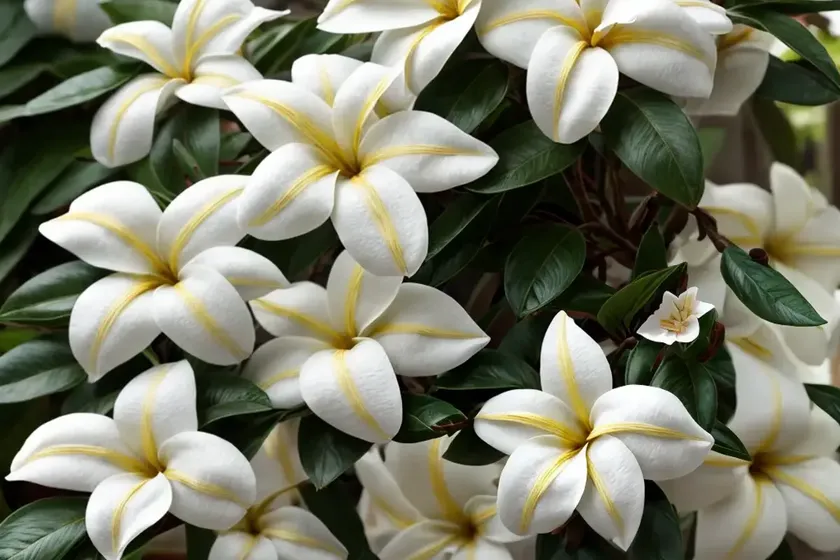
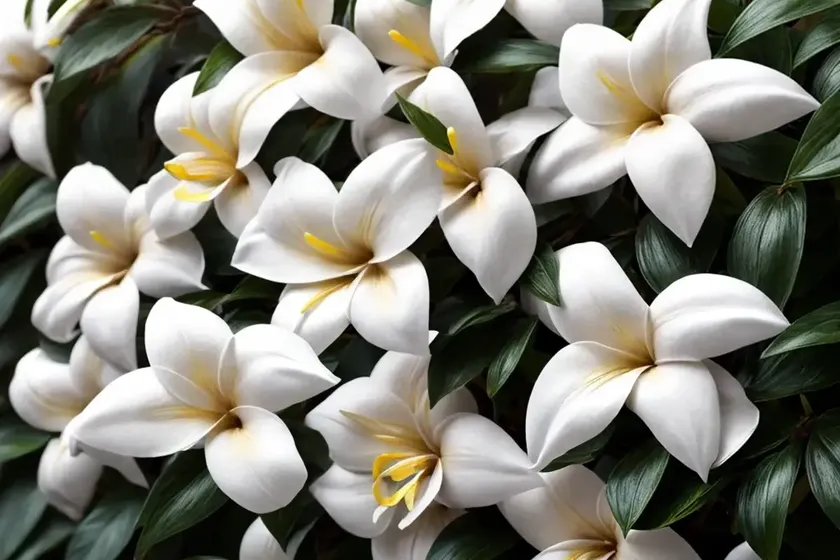
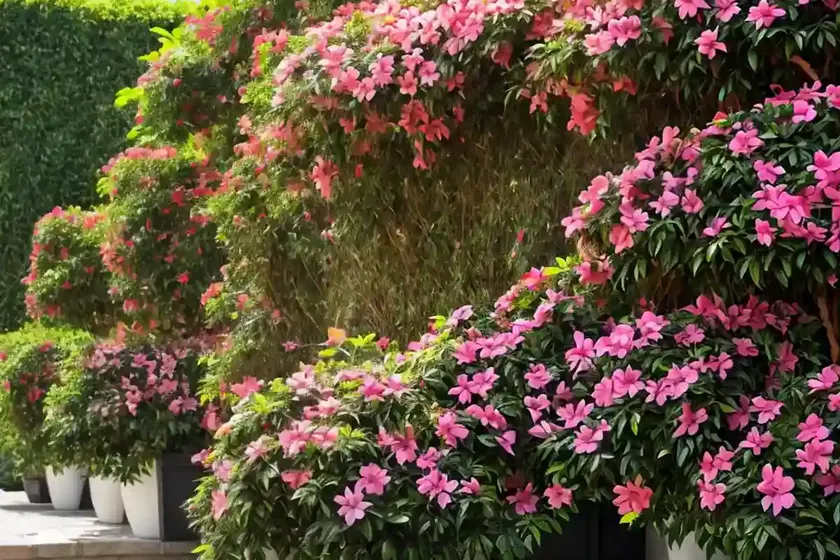
Mandevilla laxa, commonly known as Chilean Jasmine or Chilean Dipladenia, is a stunning evergreen vine that can add a touch of elegance and beauty to any garden or landscape. Originating from South America, specifically Chile, this plant is cherished for its exquisite, fragrant flowers and lush foliage. In this comprehensive guide, we will delve into the intricacies of nurturing Mandevilla laxa, including its cultural requirements, uses, and maintenance practices.
What is Mandevilla laxa?
Mandevilla laxa, a member of the Apocynaceae family, is a robust climbing shrub with woody stems that can reach up to 3-5 meters in height. The plant features dark green, glossy leaves that are arranged in opposite pairs along the stems, and it produces clusters of fragrant, trumpet-shaped white flowers. These blooms exude a delightful, sweet fragrance, which makes Mandevilla laxa a popular choice for gardens and outdoor spaces.
Key Takeaways – Mandevilla laxa (Chilean Jasmine)
Before delving into the cultural practices and care for Mandevilla laxa, let’s take a look at some key takeaways about this captivating plant:
- Plant Type: Evergreen vine
- Native Habitat: Chile, South America
- Flower Color: White
- Fragrance: Sweet and pleasant
- Uses: Ornamental, landscaping, and medicinal
- Growth Habit: Climbing and trailing
- Foliage: Glossy, dark green leaves
- Pruning Requirement: Regular maintenance for shape and size control
- Watering: Moderate – Avoid overwatering
- Sunlight: Full to partial sun
- Soil Type: Well-draining, fertile soil
- Propagation: From stem cuttings or seeds
- Common Diseases: Leaf spot, powdery mildew
- Common Pests: Aphids, spider mites
With these key takeaways in mind, we can now explore the cultural requirements and care practices for Mandevilla laxa, helping you create an optimal environment for this delightful plant to thrive.
Culture
Uses
Ornamental and Landscaping:
Mandevilla laxa is primarily used for its ornamental value, adorning gardens, arbors, trellises, and fences with its charming, fragrant flowers. Its climbing and trailing habits make it a perfect addition to pergolas, providing a natural, aesthetically pleasing cover. Furthermore, it can be utilized as ground cover when allowed to spread across the ground, creating a lush and vibrant carpet of foliage and flowers.
Medicinal:
In addition to its ornamental uses, Mandevilla laxa has been traditionally employed in natural medicine. The plant is believed to possess medicinal properties and has been utilized in herbal remedies.
Water
Proper watering is essential for the health and vitality of Mandevilla laxa. While it requires regular watering, it is crucial to avoid overwatering, as this can lead to issues such as root rot and fungal diseases.
- Established Plants: Water thoroughly once a week during the growing season, allowing the soil to dry out slightly between waterings.
- Container Plants: Ensure the containers have drainage holes to prevent waterlogging. Water when the top inch of the soil feels dry to the touch, allowing excess water to drain out.
Excessive moisture levels must be avoided, particularly during the dormant winter period, as this can lead to root rot and other water-related problems.
Sunlight
Mandevilla laxa thrives in bright, indirect sunlight. It requires approximately 6-8 hours of sunlight per day to bloom and grow optimally. When grown in partial shade, it may exhibit reduced flowering and growth rates.
- Outdoor Growing: Choose a location with full to partial sun exposure, ideally protected from intense midday sun.
- Indoor Growing: Place indoor plants near south or west-facing windows to ensure they receive sufficient sunlight.
Avoid exposing the plant to direct, harsh sunlight for extended periods, as this can lead to leaf scorch and sunburn.
Fertilizer
Fertilizing Mandevilla laxa is crucial for ensuring vigorous growth and abundant flowering. Utilize a balanced, water-soluble fertilizer formulated for flowering plants to provide essential nutrients.
- Application Frequency: Apply fertilizer every 2-3 weeks during the growing season (spring to early autumn).
- Reduction in Winter: Reduce or cease fertilizer application during the winter months when the plant enters a period of dormancy.
Take care not to over-fertilize, as excessive nutrient levels can result in salt build-up in the soil and cause fertilizer burn, negatively impacting the plant’s health.
Soil
The choice of soil directly influences the growth and overall health of Mandevilla laxa. Well-draining, fertile soil is essential for promoting robust growth and preventing issues such as waterlogging and root rot.
- Soil Type: Utilize a well-draining potting mix or amend the garden soil with organic matter to enhance drainage and fertility.
- pH Range: Mandevilla laxa thrives in slightly acidic to neutral soil, with a pH range of 5.5-7.0.
Regularly check the soil moisture levels and ensure that the soil neither dries out completely nor becomes waterlogged, as this can adversely impact the plant’s health.
Pruning
Pruning plays a vital role in maintaining the shape, size, and overall appearance of Mandevilla laxa, while also promoting healthy growth and abundant flowering. It is essential to carry out pruning activities at the correct times and with appropriate techniques.
- Pruning Time: Perform pruning during the early spring before the active growing season to remove any dead, damaged, or overgrown branches.
- Pruning Techniques: Utilize sharp, sterilized pruning shears to make clean cuts, removing unwanted growth and shaping the plant as desired.
- Deadheading: Regularly remove spent flowers to encourage continuous blooming and prevent the formation of seed pods.
Pruning also helps in managing the plant’s size, making it an excellent option for container gardening and small spaces.
Propagation
Mandevilla laxa can be propagated from stem cuttings or seeds, allowing for the expansion of your plant collection or sharing with fellow gardening enthusiasts.
Stem Cuttings:
- Selection: Choose healthy, non-flowering stems and cut them at a 45-degree angle, ensuring each cutting has at least 2-3 nodes.
- Rooting Medium: Dip the cut end in rooting hormone and plant it in a well-draining rooting medium, such as perlite or a mixture of peat and sand.
- Rooting Environment: Provide bright, indirect light, and maintain consistent moisture levels until the cuttings establish roots.
Seeds:
- Sowing: Sow the seeds in a seed-starting mix, ensuring they are planted at the appropriate depth and provided with consistent moisture and warmth.
- Germination: Maintain a warm, humid environment to facilitate germination, and provide sufficient light once the seedlings emerge.
Propagation from stem cuttings typically offers a more rapid and reliable method of reproducing Mandevilla laxa, allowing you to ensure the propagation of desirable traits and characteristics.
Container Popularity
Mandevilla laxa is well-suited for container gardening, making it a popular choice for individuals with limited outdoor space or those seeking to enhance their patios, balconies, and indoor areas.
- Container Selection: Opt for spacious containers with adequate drainage holes, allowing the plant’s roots to establish and preventing waterlogging.
- Potting Mix: Use a high-quality, well-draining potting mix, enriched with organic matter to supply essential nutrients.
- Growth Support: Provide a trellis, stakes, or other support structures within the container to guide the plant’s climbing and trailing growth.
Container-grown Mandevilla laxa can be easily maneuvered to achieve the desired sunlight exposure, and it offers the flexibility to bring the plant indoors during cooler weather or as an ornamental accent.
Common Diseases
While Mandevilla laxa is relatively resilient, it can be susceptible to certain diseases, particularly if grown in unfavorable conditions or subjected to stress. Being aware of these common diseases and employing preventive measures can aid in safeguarding the plant’s health.
Disease Diagnosis
Leaf Spot:
- Symptoms: Circular, water-soaked spots on foliage, which may develop darkened edges and cause leaf yellowing and defoliation.
- Preventive Measures: Ensure proper spacing and ventilation to reduce humidity levels, and avoid overhead watering.
Powdery Mildew:
- Symptoms: Powdery white patches on leaves, stems, and flowers, often accompanied by leaf distortion and stunted growth.
- Preventive Measures: Provide adequate air circulation and avoid over-fertilizing, as excessive nitrogen levels can promote powdery mildew.
Regularly inspecting the plant for signs of disease and promptly employing appropriate remedies can prevent the spread of infections and maintain the plant’s vigor.
Common Pests
Mandevilla laxa may encounter pest issues, necessitating vigilant monitoring and appropriate pest management strategies to protect the plant from damage.
Aphids:
- Identification: Small, soft-bodied insects, often found congregating on new growth and the undersides of leaves.
- Management: Use a strong stream of water to dislodge aphids, and employ insecticidal soap or neem oil if infestations persist.
Spider Mites:
- Symptoms: Fine webbing on leaves, stippled or yellowing foliage, and reduced plant vigor.
- Control: Increase humidity levels, particularly in indoor environments, and utilize miticides to combat spider mite infestations.
By regularly inspecting the plant for signs of pest activity and intervening as necessary, it is possible to mitigate pest-related damage and maintain the plant’s vitality.
Botanist’s Tips
To optimize the growth and blooming of Mandevilla laxa, consider the following expert tips and recommendations from botanists and experienced gardeners:
- Climbing Support: Provide a sturdy trellis or arbor to support the plant’s climbing and trailing growth, allowing it to showcase its full ornamental potential.
- Regular Inspection: Regularly inspect the plant for signs of pests, diseases, or deficiencies, addressing issues promptly to prevent their escalation.
- Companion Planting: Pair Mandevilla laxa with complementary plants that share similar cultural requirements, enhancing the visual appeal of the landscape and encouraging biodiversity.
- Winter Protection: Shield outdoor plants from frost and freezing temperatures by providing adequate insulation or bringing container-grown specimens indoors.
- Pruning Best Practices: Adhere to proper pruning techniques, focusing on removing dead or overcrowded growth while preserving the plant’s natural form and structure.
By integrating these valuable insights into your care routine, you can cultivate flourishing and vibrant Mandevilla laxa specimens, creating enchanting outdoor spaces and garden landscapes.
Fun Facts
Intriguing and delightful, here are some captivating fun facts about Mandevilla laxa that illustrate its unique qualities and allure:
- Wildlife Attraction: The fragrant flowers of Mandevilla laxa attract various pollinators, including bees, butterflies, and hummingbirds, enhancing the ecological diversity and vitality of the garden.
- Traditional Uses: In addition to its ornamental and medicinal applications, Mandevilla laxa has historical traditional uses, deeply rooted in the cultural practices of its native habitats.
- Fragrance: The sweet, intoxicating fragrance of Mandevilla laxa flowers can permeate the surrounding air, creating a captivating and sensory-rich garden experience.
These fun facts add depth to the appreciation of Mandevilla laxa, shedding light on the plant’s ecological role, historical significance, and sensory allure.
Links to External Resources
To further delve into the world of Mandevilla laxa and expand your knowledge and appreciation for this captivating plant, consider exploring the following external resources:
- Plant Name: Explore detailed plant profiles, characteristics, and care guidelines for Mandevilla laxa on reputable botanical websites and plant databases.
- Cultural Practices: Learn from experienced gardeners, horticulturists, and botanical experts through forums, articles, and publications dedicated to ornamental plants and vines.
- Medicinal Uses: Delve into the traditional and contemporary applications of Mandevilla laxa in herbal medicine, drawing insights from ethnobotanical resources and research publications.
By engaging with these external resources, you can gain diverse perspectives, practical insights, and enriching knowledge about Mandevilla laxa, contributing to your proficiency in nurturing and appreciating this extraordinary plant.
In conclusion, Mandevilla laxa, with its charming flowers, captivating fragrance, and versatile growth habits, stands as a remarkable addition to gardens, landscapes, and indoor spaces. By understanding its cultural requirements, uses, and maintenance practices, you can cultivate thriving and visually stunning specimens while appreciating the ecological, aesthetic, and sensory gifts that Mandevilla laxa brings to the natural world.
References
- Amur, E., Rubinstein, J., Santamour, F. S., Stein, R. (2018). [Mandevilla L.] (https://www.ces.ncsu.edu/depts/pp/notes/Ornamental/odin010/odin010.htm)
- Cabello, A. & Sanfuentes, E. (2014). Ethnopharmacological importance of the medicinal flora from the Mapuche people of Chile. Acta Societatis Botanicorum Poloniae, 83(2), 113-122. link
- Maladonado, A. M. (2004). Chilean Traditional Medicine of Central Chile: Pharmacopoea. Boletín Latinoamericano y del Caribe de Plantas Medicinales y Aromáticas, 3(5), 95-98. link