Pratia Angulata (Lobelia Angulata)
Plants offer an incredible diversity of colors, forms, and functions, making them a fascinating subject for study and gardening. Among the myriad of plant.
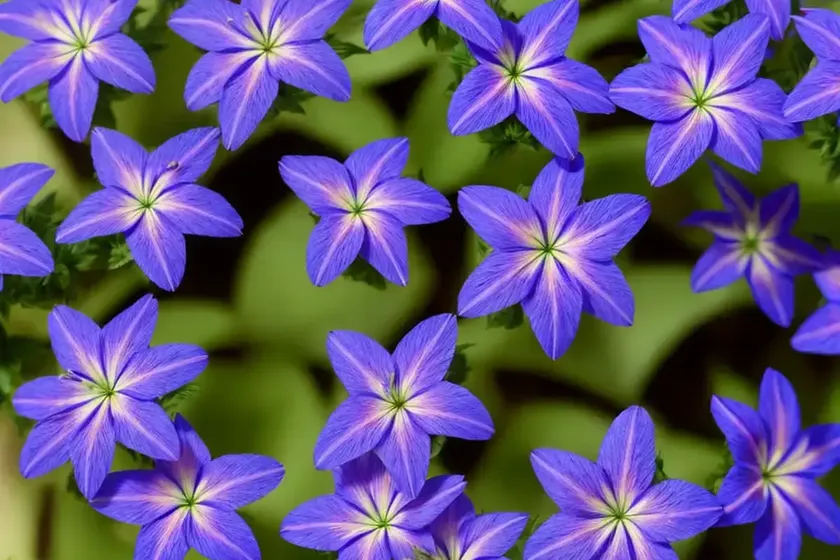
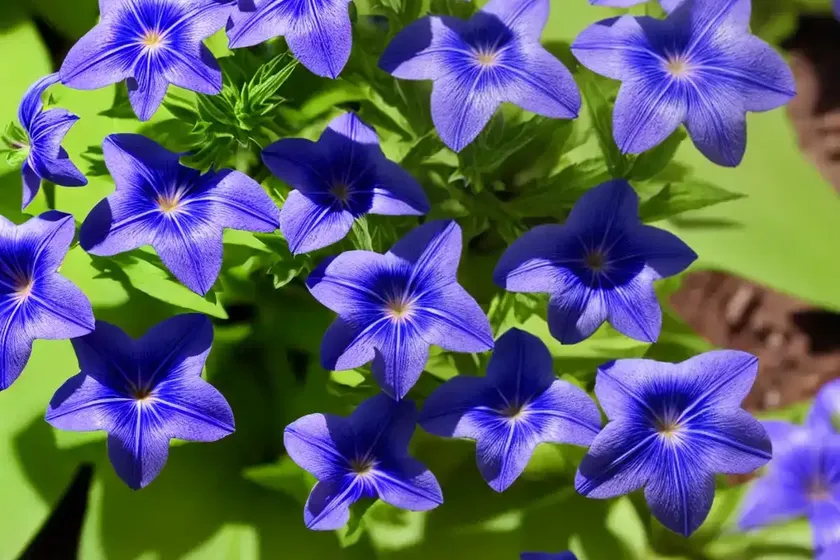
Plants offer an incredible diversity of colors, forms, and functions, making them a fascinating subject for study and gardening. Among the myriad of plant species, the Pratia Angulata, commonly known as Lobelia Angulata, stands out as a beautiful and versatile ground cover plant. In this comprehensive guide, we will delve into the world of Pratia Angulata, exploring its culture, uses, care requirements, and much more.
What is Pratia Angulata (Lobelia Angulata)?
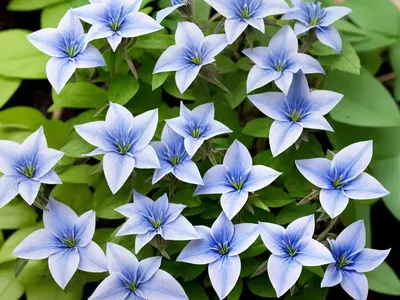
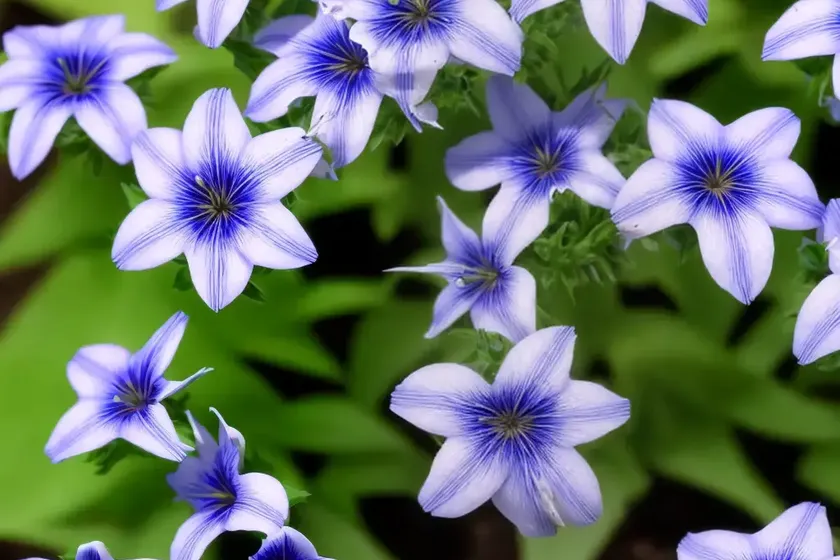
Pratia Angulata, known by the common name Lobelia Angulata, is a low-growing, evergreen plant native to New Zealand. Belonging to the Campanulaceae family, this species is characterized by its small, angular leaves and delicate, light blue flowers. As a ground cover plant, it forms dense mats, making it an excellent choice for filling in spaces between stepping stones, cascading over edges, or creating a lush carpet in gardens.
Key Takeaways – Pratia Angulata (Lobelia Angulata)
Culture
Uses
- Ground cover
- Erosion control
- Rock garden plant
- Container plant
- Accent in borders and edging
- Trail down walls or in hanging baskets
Water
- Regular watering during the establishment phase
- Once established, it is moderately drought-tolerant
- Maintain evenly moist soil
Sunlight
– Partial to full shade is preferred
– Can tolerate some morning or evening sun
– Protect from intense midday sun in warmer climates
Fertilizer
– Application of a balanced, slow-release fertilizer in spring
– Avoid excessive nitrogen which can result in lanky growth
– Supplement with compost if necessary
Soil
– Rich, well-draining soil
– Mulching can help retain moisture and suppress weeds
– Maintain slightly acidic to neutral pH levels
Pruning
– Regular trimming to encourage dense growth and maintain shape
– Avoid heavy pruning to prevent damage to the plant
– Trim after flowering to promote new growth and maintain a tidy appearance
Propagation
– Division of established clumps
– Softwood or semi-hardwood cuttings in spring and early summer
– Seed propagation is possible but less common
Container Popularity
- Well-suited for containers due to its low, spreading growth habit
- Excellent choice for hanging baskets and window boxes
- Adds a pop of color and texture to container gardens
Common Diseases
– Crown and root rots under overly wet conditions
– Powdery mildew in humid environments
– Ensure proper air circulation and soil drainage to mitigate disease risks
Common Pests
– Slugs and snails can damage foliage
– Aphids may infest new growth
– Regular monitoring and proper sanitation practices can help manage pest infestations
Botanist’s Tips
- Understanding Growth Habits: Pratia Angulata exhibits a prostrate, spreading growth habit, forming a dense mat of foliage and delicate flowers.
- Companion Planting: Pair with plants that share similar cultural requirements, such as ferns and hostas, for a cohesive and visually appealing garden design.
- Regular Maintenance: Periodic pruning and tidying not only shape the plant but also promote healthy growth, prevent pest infestations, and encourage flowering.
Fun Facts
- Pratia Angulata is often used for its versatility in landscaping, from rock gardens to woodland settings, due to its adaptability and aesthetic appeal.
- The delicate blue flowers of Pratia Angulata attract pollinators, adding lively activity to the garden.
- This resilient plant offers both ornamental and functional benefits, making it a valuable addition to various garden settings.
Links to External Resources
Plant Name: “Pratia Angulata (Lobelia Angulata)”
For more information about Pratia Angulata and related topics, you can visit the following resources:
- Royal Horticultural Society – Lobelia Angulata
- The New Zealand Plant Conservation Network – Pratia Angulata
In this guide, we’ve covered an array of essential aspects of Pratia Angulata, from its cultural requirements to its role in horticulture and landscaping. Whether you’re a gardening enthusiast looking to add a charming ground cover to your landscape or a botanist intrigued by the diverse growth habits of Lobelia Angulata, this comprehensive resource serves as a valuable reference. Stay tuned for more insights, tips, and fascinating information about the captivating world of plants.