Star Magnolia (Magnolia Stellata)
Magnolia stellata, commonly known as the Star Magnolia, is a captivating, low-maintenance, and visually appealing deciduous shrub that belongs to the.
Introduction
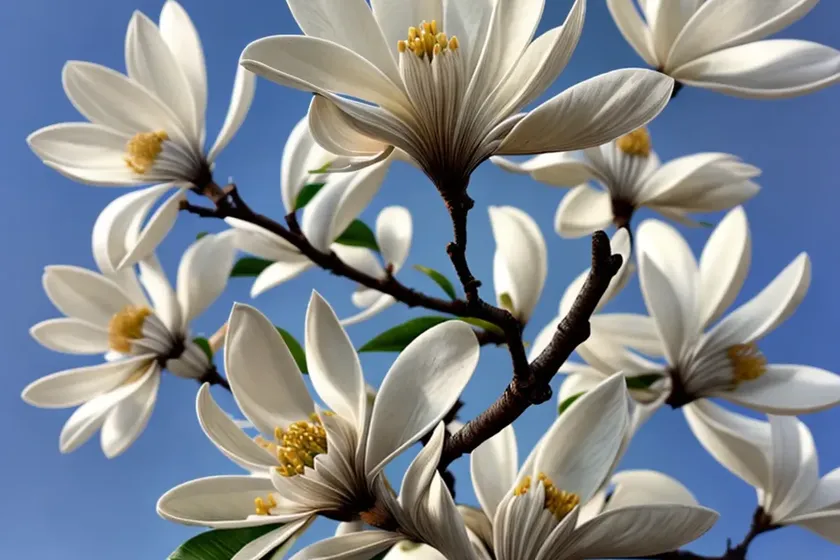
Magnolia stellata, commonly known as the Star Magnolia, is a captivating, low-maintenance, and visually appealing deciduous shrub that belongs to the Magnoliaceae family. This plant is native to Japan and is highly regarded for its showy, fragrant flowers and attractive, star-shaped petals. The Star Magnolia is a popular choice among gardeners and landscapers due to its versatility and adaptability to various climatic conditions. Its enchanting blooms, easy-to-maintain nature, and landscape appeal make it a desirable addition to any garden or landscape.
In this comprehensive guide, we will delve into all aspects of Star Magnolia care, from cultivation and maintenance to addressing common diseases and pests. By the end of this guide, you will have a thorough understanding of how to nurture and enjoy the beauty of the Star Magnolia in your outdoor space.
What is Star Magnolia (Magnolia Stellata)?
Star Magnolia, scientifically known as Magnolia stellata, is a deciduous shrub that typically reaches a height of 15-20 feet and a spread of 10-15 feet at maturity. However, there are also compact varieties that grow to a smaller size, making them suitable for smaller gardens and landscapes. This plant is characterized by its multiple stems, spreading habit, and dense, bushy nature.
Key Takeaways – Star Magnolia (Magnolia Stellata)
Cultivation
- Optimal pH: Slightly acidic to neutral soil with a pH range of 5.5-7.0.
- Hardiness Zone: A versatile plant that can thrive in hardiness zones 4-8.
- Planting Time: Ideal to plant in early spring or late fall to allow the roots to establish before extreme temperatures set in.
Uses
- Ornamental: Primarily cultivated for its captivating spring blooms and attractive foliage, making it a prized ornamental plant.
- Landscaping: Often used in gardens, parks, and landscapes as a focal point or foundation planting due to its aesthetic appeal.
Water
- Watering Requirements: Regular watering, especially during the first year of growth, to facilitate establishment.
- Soil Moisture: Requires well-draining soil to prevent waterlogging, which can lead to root rot.
Sunlight
- Sun Exposure: Prefers full sun to partial shade, with at least 6 hours of direct sunlight for optimal growth and flowering.
Fertilizer
- Fertilization: Apply a balanced, slow-release fertilizer in early spring to promote healthy growth and abundant blooms.
- Organic Matter: Incorporate organic compost into the soil to enhance fertility and nutrient availability.
Soil
- Soil Type: Thrives in moist, well-drained loamy soil with good fertility and organic content.
- Mulching: Apply a layer of organic mulch around the base of the plant to conserve moisture and suppress weed growth.
Pruning
- Pruning Time: Best done right after flowering to avoid disrupting the next year’s bloom cycle.
- Pruning Technique: Remove dead, damaged, or crossing branches while maintaining the plant’s natural shape and form.
Propagation
- Propagation Methods: Can be propagated through seeds, cuttings, or layering, with cuttings being the most common method.
- Timing: Propagation is typically carried out in late spring or early summer for optimal success.
Container Popularity
- Suitable for Containers: Compact varieties make excellent container plants for patios, balconies, and small outdoor spaces.
- Container Size: Select a container that provides ample room for root development and stability while allowing for sufficient drainage.
Common Diseases
- Disease Resistance: Relatively resistant to major diseases, but may be susceptible to fungal leaf spot in humid and poorly ventilated conditions.
- Preventive Measures: Proper sanitation, good air circulation, and well-draining soil can mitigate disease development.
Disease Diagnosis
- Symptoms: Irregular brown spots or patches on the leaves, accompanied by leaf yellowing and premature defoliation.
- Treatment: Prune affected foliage, improve air circulation, and apply fungicidal sprays if necessary.
Common Pests
- Pest Susceptibility: Generally not heavily targeted by pests, but occasional infestations by scale insects, aphids, and spider mites may occur.
- Integrated Pest Management: Regular monitoring, natural predators, and horticultural oils can effectively manage pest populations.
Botanist’s Tips
- Enhancing Soil Quality: Amending the soil with organic matter such as compost or well-rotted manure can significantly improve soil structure, fertility, and moisture retention.
- Mulching Benefits: A layer of organic mulch not only conserves soil moisture and suppresses weeds but also contributes to the gradual enrichment of the soil as it decomposes.
- Proper Pruning: Careful and selective pruning can help maintain the plant’s natural form, eliminate dead or diseased wood, and rejuvenate older specimens.
- Watering Wisdom: Consistent and adequate watering, particularly during dry spells, ensures steady growth and robust flowering without water stress.
Fun Facts
- The Star Magnolia’s scientific name, Magnolia stellata, is derived from the Latin word “stella,” meaning star, and refers to the plant’s star-shaped flowers.
- The fragrant flowers of the Star Magnolia attract pollinators such as bees and butterflies, contributing to ecological diversity in the garden or landscape.
- While the Star Magnolia is primarily known for its spring blooms, its attractive silvery-gray bark and fall foliage add seasonal interest to the landscape.
Links to External Resources
To further supplement your knowledge of Star Magnolia care, here are some valuable resources:
- Royal Horticultural Society – Magnolia stellata
- University of Florida IFAS Extension – Magnolia stellata: Star Magnolia
- Missouri Botanical Garden – Magnolia stellata
By consulting these resources, you can gain a deeper understanding of the specific care requirements, variety selection, and potential challenges associated with nurturing Star Magnolias.
In summary, the Star Magnolia is a versatile and visually striking plant that enriches outdoor spaces with its elegant blooms and ornamental features. By implementing the insights and recommendations outlined in this guide, you can cultivate and enjoy the charm of the Star Magnolia while fostering its health and vitality in your garden or landscape.


