The Wonderful World of Staghorn Sumac (Rhus typhina)
Introduction
Welcome to the fascinating world of staghorn sumac (Rhus typhina), a plant deeply rooted in history, folklore, and modern botanical appreciation. As a plant scientist, I have the privilege of exploring the many facets of this remarkable plant. Today, we’ll delve into its characteristics, growing tips, uses, folklore, and much more. Whether you’re an avid gardener, a nature enthusiast, or a seeker of natural remedies, the staghorn sumac has something to offer everyone.
Staghorn Sumac Characteristics
Staghorn sumac, scientifically known as Rhus typhina, is a deciduous shrub that belongs to the Anacardiaceae family. This plant is native to eastern North America and is known for its striking ornamental features. The name “staghorn” refers to the densely hairy stems that resemble the velvet-covered antlers of a young stag.
Key Characteristics
- Height: Staghorn sumac typically grows to a height of 15 to 25 feet, making it a substantial presence in the landscape.
- Leaves: The pinnately compound leaves consist of several lance-shaped leaflets with serrated edges, which turn vibrant shades of red, orange, and yellow in the fall.
- Flowers: In late spring to early summer, staghorn sumac produces erect, pyramidal clusters of small greenish-yellow flowers that are a valuable food source for pollinators.
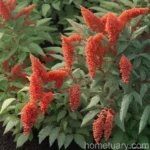
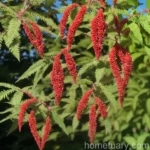
- Fruit: The plant’s most distinctive feature is its dense clusters of crimson, fuzzy berries called drupes. These clusters persist throughout winter, providing a striking visual display and serving as a crucial food source for overwintering birds.
- Habitat: Staghorn sumac is often found in disturbed areas, woodland edges, and roadsides, where it can form large colonies through its spreading root system.
- Autumn Colors: The brilliant fall foliage, coupled with the showy red fruit clusters, make staghorn sumac a standout feature in the autumn landscape.
Rhus typhina: A Closer Look
Native Range
Staghorn sumac is native to eastern North America, where it thrives in a range of habitats, from dry, rocky slopes to moist bottomlands. Its adaptability to various soil types and moisture regimes makes it a versatile component of both natural and cultivated landscapes.
Ethnobotanical Significance
The indigenous peoples of North America have long utilized various parts of the staghorn sumac for a multitude of purposes. From food and medicine to crafting and dyeing, Rhus typhina holds significant ethnobotanical significance in the region’s history and culture.
Habitat Restoration and Wildlife Support
In addition to its ornamental and cultural value, staghorn sumac plays a crucial role in ecological restoration efforts, offering habitat and food for a diverse array of wildlife, including birds, insects, and mammals.
Staghorn Sumac Benefits
Beyond its aesthetic appeal, staghorn sumac offers a host of benefits, making it a valuable addition to both natural and cultivated environments.
Environmental Benefits
- Soil Erosion Control: The extensive root system of staghorn sumac helps stabilize soil on slopes and prevents erosion, making it an excellent choice for erosion-prone areas.
- Wildlife Habitat: The dense clusters of fruit provide a vital source of winter sustenance for birds, while the plant’s structure offers nesting sites and protective cover.
Medicinal and Cultural Uses
- Traditional Medicine: Various parts of the staghorn sumac, including its bark and berries, have been used in traditional medicine for their astringent, antimicrobial, and anti-inflammatory properties.
- Dye Production: The berries yield a natural dye that has been traditionally used for coloring textiles and creating pigments for artistic purposes.
Growing Tips for Rhus typhina
Staghorn sumac is relatively low-maintenance and well-suited to a range of growing conditions, making it an attractive option for both novice and experienced gardeners. Here are some tips for cultivating and caring for Rhus typhina:
Culture
- Hardiness: Staghorn sumac is well-adapted to a variety of climates, thriving in zones 4-8 in the United States.
- Growth Rate: This shrub has a moderate to fast growth rate, especially when provided with ample sunlight and moisture.
Water
- Established Plants: Once established, staghorn sumac is relatively drought-tolerant and can thrive with minimal supplemental watering. However, consistent moisture is beneficial for optimal growth.
Sunlight
- Full Sun: Staghorn sumac flourishes in full sunlight and is best suited to open, sunny locations.
- Shade Tolerance: While it prefers full sun, it can tolerate partial shade, though this may result in reduced fruit production and less vibrant fall coloration.
Soil
- Adaptability: Rhus typhina is adaptable to a wide range of soil types, including sandy, loamy, and rocky soils. It is tolerant of acidic, alkaline, and neutral pH levels.
Fertilizer
- Minimal Requirements: Staghorn sumac typically does not require additional fertilization when grown in a naturalized setting. In cultivated landscapes, a slow-release, balanced fertilizer may be applied in the spring to support growth.
Pruning
- Minimal Pruning: Staghorn sumac generally requires minimal pruning, primarily for shaping or to remove dead or damaged branches. Pruning is best done during the dormant season in late winter to early spring.
Propagation
- Seed Propagation: Staghorn sumac can be propagated from seeds collected from mature fruit clusters. Seeds should be stratified before sowing to improve germination rates.
- Root Cuttings: Root cuttings can also be used to propagate staghorn sumac, particularly for the propagation of selected cultivars.
Container Cultivation
- Suitability: While staghorn sumac is typically grown in open landscapes, it can also be cultivated in large containers for patio or urban gardens.
- Container Size: When grown in containers, choose a large and sturdy pot with adequate drainage to accommodate the plant’s root system.
Staghorn Sumac Uses
The versatility of staghorn sumac extends far beyond its aesthetic and environmental contributions. From culinary endeavors to herbal remedies, this plant offers numerous practical applications.
Culinary Uses
- Edible Berries: The red drupes of staghorn sumac are edible and have a tangy flavor. They can be used to make sumac-ade, a refreshing summer beverage, or added to spice blends and marinades.
Medicinal Properties
- Traditional Medicine: In traditional medicine, staghorn sumac has been used to make an astringent tea for soothing sore throats and alleviating gastrointestinal discomfort.
Natural Dye Production
- Crafting and Artistic Uses: The crimson berries yield a natural dye that has been historically used for coloring textiles, creating inks, and producing pigments for art and craft projects.
Common Uses for Rhus typhina
Landscaping Design
Staghorn sumac is a popular choice for landscaping and garden design due to its striking visual appeal and adaptability to various environments.
Erosion Control
Its extensive root system and spreading habit make staghorn sumac effective for stabilizing soil and preventing erosion on embankments and slopes.
Wildlife Gardens
By providing food, shelter, and nesting sites, staghorn sumac contributes to the creation of wildlife-friendly gardens and natural habitats.
Pollinator Attraction
The nectar-rich flowers of staghorn sumac attract a variety of pollinators, including bees, butterflies, and hummingbirds, making it a valuable addition to pollinator-friendly landscapes.
Staghorn Sumac in Landscaping
Ornamental Appeal
Staghorn sumac’s vibrant autumn colors and persistent fruit clusters make it a captivating feature in the autumn landscape. Its architectural form and adaptability to various soil types and moisture conditions further enhance its appeal in landscaping.
Seasonal Care
In cultivated landscapes, staghorn sumac may benefit from occasional mulching, especially in drier or more exposed locations, to help retain soil moisture and ensure optimal growth.
Companion Plants
When designing a landscape that incorporates staghorn sumac, consider pairing it with other native or compatible species to create visually appealing and ecologically functional plant communities.
Staghorn Sumac: Pests and Diseases
While staghorn sumac is generally resistant to many pests and diseases, it is still important to be aware of potential issues that may affect the plant’s health and appearance.
Common Diseases
- Powdery Mildew: In humid or poorly ventilated conditions, staghorn sumac may be susceptible to powdery mildew, a fungal disease that can affect the foliage.
- Leaf Spot: Certain environmental conditions and stressors may lead to the development of leaf spot diseases, resulting in the appearance of dark spots on the foliage.
Disease Diagnosis
If signs of disease or decline are observed on staghorn sumac, it is important to accurately diagnose the issue in order to implement appropriate management strategies. Contact a local agricultural extension or plant health specialist for guidance on disease diagnosis and management.
Common Pests
- Gall Aphids: Certain species of aphids may induce the formation of galls on the stems and leaves of staghorn sumac.
- Scale Insects: Scale insects may infest the plant, leading to the formation of small, waxy bumps on the stems and undersides of leaves.
Botanist’s Tips
As a plant scientist, I would like to offer some additional insights and recommendations for those interested in staghorn sumac and its cultivation:
- Native Plant Landscaping: Incorporating native plants like staghorn sumac into landscaping projects can offer ecological benefits while celebrating regional biodiversity.
- Habitat Enhancement: When planting staghorn sumac, consider its potential to enhance wildlife habitat and contribute to broader ecological connectivity in the landscape.
- Ethical Harvesting: If harvesting staghorn sumac for culinary or medicinal purposes, ensure that it is done sustainably and in accordance with local regulations.
Fun Facts
- The fuzzy red fruit clusters of staghorn sumac are a rich source of vitamin C and have been historically used to make a tart, lemonade-like beverage.
- Staghorn sumac is dioecious, meaning that individual plants are either male or female, with only the female plants producing fruit.
- The common name ‘staghorn’ refers to the densely hairy stems of the plant, reminiscent of the velvet-covered antlers of a young stag.
Links to External Resources
For further exploration of staghorn sumac and related topics, consider consulting the following resources:
- Lady Bird Johnson Wildflower Center – Rhus typhina
- USDA Plants Database – Rhus typhina
- University of Maryland Extension – Staghorn Sumac
- North Carolina State University – Rhus typhina
The world of staghorn sumac is a rich tapestry of natural beauty, ecological significance, and cultural heritage. Whether gracing the autumn landscape with its fiery foliage, providing sustenance for wildlife, or offering a myriad of practical uses, Rhus typhina continues to captivate and enrich our lives in numerous ways. As you embark on your journey of discovery with staghorn sumac, may this blog serve as a guide to unraveling the many wonders of this extraordinary plant.