“Winged Sumac (Rhus copallinum): A Comprehensive Guide to Cultivation and Uses”
Introduction to Winged Sumac
Winged sumac (Rhus copallinum) is a fascinating plant species that is valued for its ornamental, ecological, and medicinal properties. This resilient shrub is native to North America and belongs to the Anacardiaceae family. It is known for its winged branches, attractive foliage, and vibrant fall colors, making it a popular choice for landscaping and wildlife habitat restoration.
In this detailed guide, we will explore the key characteristics, cultivation requirements, and various uses of the winged sumac plant. Whether you are a gardening enthusiast, a landscape designer, or a nature lover, this comprehensive resource will provide you with valuable insights into the world of Rhus copallinum.
Key Takeaways – Winged Sumac (Rhus copallinum)
Before we delve into the specific aspects of cultivating and utilizing winged sumac, let’s highlight some key takeaways about this remarkable plant:
- Scientific Name: Rhus copallinum
- Common Names: Winged sumac, shining sumac, dwarf sumac
- Plant Type: Deciduous shrub or small tree
- Native Habitat: Eastern and central regions of North America
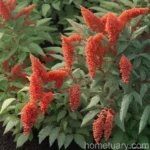
- Key Characteristics: Winged branches, pinnate leaves, red drupes, vibrant fall foliage
- Cultivation Uses: Landscaping, wildlife habitat enhancement, traditional medicine, natural dye production
- Growth Habits: Drought-tolerant, low-maintenance, adaptable to various soil types
- Ecological Importance: Attracts wildlife such as birds and butterflies, erosion control, soil stabilization
With these key points in mind, we will now explore the specific cultural requirements, propagation techniques, and practical uses of winged sumac.
1. Culture
Water
Winged sumac is known for its adaptability to various moisture conditions. Once established, this plant exhibits a remarkable tolerance to drought, making it suitable for xeriscaping and low-water gardens. However, during the initial establishment phase, it is important to provide regular watering to support healthy root development. In general, a moderate watering regimen is sufficient for mature winged sumac plants, and they can thrive in well-drained soils with moderate moisture levels.
Sunlight
In terms of sunlight requirements, winged sumac is a versatile plant that can tolerate a wide range of light conditions. It can thrive in full sun to partial shade, making it suitable for diverse landscape settings. When grown in full sun, winged sumac often displays more prolific flowering and intense fall foliage colors. However, it can also adapt to partial shade, especially in regions with hot summer climates.
Fertilizer
One of the remarkable attributes of winged sumac is its ability to thrive in nutrient-poor soils. As such, it generally does not require regular fertilizer applications. In fact, excessive fertilization can lead to overly lush growth and reduced drought tolerance. However, for plants growing in particularly poor or degraded soils, a light application of balanced slow-release fertilizer in early spring can support healthy growth. It is important to avoid high nitrogen fertilizers, as they can promote excessive vegetative growth at the expense of overall plant resilience.
Soil
Winged sumac demonstrates a remarkable adaptability to different soil types, ranging from sandy to clay soils. It prefers well-drained soils and is often found in dry, rocky, or sandy habitats in its native range. The plant has a moderate tolerance for alkaline soils, but it generally thrives in slightly acidic to neutral soil pH levels. When selecting a planting site for winged sumac, it is important to consider soil drainage and avoid waterlogged conditions, particularly in heavier clay soils.
2. Uses
Landscaping
Winged sumac is a popular choice for landscaping due to its attractive ornamental features and low-maintenance requirements. Its vibrant fall foliage, clusters of red drupes, and unique winged branches make it an eye-catching addition to gardens, naturalized areas, and roadside plantings. It can be used as a standalone specimen plant, in mass plantings to create visual interest, or as part of native plant landscapes. The plant’s drought tolerance and resilience make it ideal for sustainable landscaping projects and restoration efforts in challenging environments.
Wildlife Habitat Enhancement
The ecological value of winged sumac cannot be overstated, as it plays a crucial role in supporting wildlife populations. The plant’s dense growth habit and nutritious red drupes provide shelter and food for a variety of bird species, including songbirds and game birds. The nectar-rich flowers and foliage also attract pollinators, such as bees and butterflies, contributing to overall biodiversity in the landscape. Additionally, winged sumac’s ability to stabilize soils and prevent erosion makes it a valuable component of habitat restoration projects and wildlife corridors.
Traditional Medicine
In traditional medicine practices, various parts of winged sumac have been used for their medicinal properties. The dried and powdered bark has been employed as an astringent and antiseptic agent, while the fruits have been utilized to prepare herbal remedies for conditions such as diarrhea and sore throats. It is important to note that the utilization of winged sumac for medicinal purposes should be approached with caution, and consulting with a qualified healthcare professional is advisable before using any plant-based remedies.
Natural Dye Production
The inner bark of winged sumac contains tannins and pigments that have been historically used for dyeing purposes. The bark can yield various shades of reddish-brown to black dyes, and when combined with mordants, it can produce a range of colors suitable for textile and fiber dyeing. While natural dyeing with winged sumac is less common in modern industrial contexts, it holds cultural and historical significance as a sustainable source of colorants for artisanal crafts.
3. Pruning
Pruning Tips
Proper pruning can help maintain the health and aesthetic appeal of winged sumac plants. While the plant generally has a naturally attractive growth habit, occasional pruning may be necessary to remove dead or diseased branches, promote air circulation, and manage overall size and shape. Pruning is best performed during the dormant season, preferably in late winter or early spring before new growth begins. When pruning, it is important to use clean and sharp tools to make precise cuts, and to avoid over-pruning, which can diminish the plant’s natural form and vigor.
Seasonal Changes
One of the notable features of winged sumac is its striking seasonal changes, particularly during the fall. As the temperatures cool, the plant’s foliage undergoes a remarkable transformation, turning from vibrant green to vivid shades of red, orange, and yellow. This display of fall colors makes winged sumac an exceptional choice for adding visual interest to autumn landscapes and mixed perennial borders. The plant’s deciduous nature allows the sunlight to reach the forest floor, facilitating the growth of understory plants and contributing to the overall ecological dynamics of the landscape.
4. Propagation
Methods of Propagation
Winged sumac can be propagated through several methods, including seed propagation, division of suckers, and softwood cuttings. Each technique offers its own advantages and challenges, and the choice of propagation method depends on the specific requirements and constraints of the propagation project. Here is an overview of the key propagation methods for winged sumac:
-
Seed Propagation: Collecting and germinating seeds is a common method for propagating winged sumac. The seeds should be sown in well-draining, sterile medium and kept consistently moist until germination occurs. It is important to stratify the seeds by cold treatment to break dormancy and enhance germination rates.
-
Division of Suckers: Winged sumac naturally forms clumps through the production of underground stems, or rhizomes, which give rise to new shoots or suckers. These suckers can be carefully dug up and divided into separate plants for propagation. This method is particularly effective for expanding the plant population in a specific area or for transplanting established plants to new locations.
-
Softwood Cuttings: Taking softwood cuttings from young, actively growing branches is another viable propagation method. The cuttings should be taken in late spring to early summer and treated with rooting hormone to promote root formation. The success of softwood cuttings depends on providing a suitable rooting environment with the right moisture levels and protection from excessive heat and direct sunlight.
Propagation Tips
Regardless of the chosen propagation method, it is important to provide appropriate care and monitoring to ensure the success of the newly propagated plants. Adequate water, light, and protection from extreme environmental conditions can significantly enhance the survival rates of propagated winged sumac. It is also essential to select healthy and disease-free plant materials for propagation, as this can minimize the risk of introducing pests and pathogens to the new plants.
5. Container Popularity
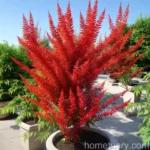
Winged sumac can be successfully grown in containers, making it a versatile option for urban gardens, patios, and balconies. The plant’s compact size, resilient nature, and ornamental value make it well-suited for container cultivation. When growing winged sumac in containers, it is important to select appropriately sized pots with good drainage to prevent waterlogging. A well-draining potting mix that mimics the plant’s preferred soil conditions, along with regular watering and occasional fertilization, can support healthy growth in containers. Moreover, container-grown winged sumac can be moved to different locations to optimize sunlight exposure and aesthetic arrangements, providing flexibility for gardeners with limited outdoor space.
Container Common Diseases
While winged sumac is generally resistant to many common diseases, certain issues may arise when the plant is grown in containers. Proper container maintenance, watering practices, and soil health can help prevent the occurrence of diseases such as root rot and fungal infections. Vigilant monitoring for signs of stress or disease in container-grown winged sumac, including leaf discoloration, wilting, or unusual growth patterns, can aid in early detection and prompt intervention to mitigate potential disease issues.
Disease Diagnosis
In the event of suspected disease problems in container-grown winged sumac, it is advisable to consult with a plant health specialist or horticulturist for a thorough diagnosis. Diagnostic methods may include visual examination of plant symptoms, laboratory testing of plant tissues or soil samples, and assessment of environmental factors that could contribute to disease development. Identifying the specific disease or pest issue impacting the plant is critical for implementing targeted and effective management strategies.
6. Common Pests
Pest Resistance
Winged sumac exhibits a notable level of resistance to many common pests and diseases, contributing to its overall resilience and low maintenance requirements. The plant’s natural defenses and adaptability to diverse environmental conditions make it less susceptible to pest infestations compared to more vulnerable plant species. As a result, winged sumac is often favored for sustainable landscaping and wildlife-friendly gardens where chemical interventions are minimized, and natural ecological processes are encouraged.
Pest Management
While winged sumac is generally resistant to pests, occasional encounters with insect pests such as aphids or scale insects may occur, particularly in stressed or weakened plants. Monitoring the plant for signs of pest activity, such as distorted growth, honeydew secretion, or visible insect presence, can aid in early pest detection. Non-disruptive pest management methods, including physical removal of pests, targeted applications of horticultural oils or insecticidal soaps, and the promotion of natural predator populations, can effectively address pest issues without causing harm to beneficial organisms or the surrounding ecosystem.
7. Botanist’s Tips
As a plant scientist, here are some additional tips and insights for successfully cultivating and appreciating winged sumac:
-
Environmental Stewardship: Incorporating native plants such as winged sumac into landscape designs and restoration projects promotes biodiversity, supports pollinators and wildlife, and contributes to the conservation of native plant species. By prioritizing the use of locally adapted plant species, we can create resilient and ecologically sound landscapes that endure and thrive in their native environments.
-
Cultural Significance: The historical, cultural, and ecological importance of winged sumac extends beyond its botanical attributes. Its deep-rooted connections to indigenous cultures, traditional crafts, and ecological interactions serve as a reminder of the interwoven relationships between plants, people, and the natural world. By acknowledging and celebrating these connections, we deepen our appreciation for the multifaceted roles of plants in human societies and ecosystems.
-
Educational Outreach: Sharing knowledge about the unique features, cultivation practices, and uses of winged sumac can inspire curiosity and appreciation for native plants. Educational initiatives, such as botanical garden exhibits, interpretive signage, and community workshops, can engage diverse audiences and foster a deeper understanding of the value of native plant species in our daily lives and the broader environment.
8. Fun Facts
To further enrich our understanding of winged sumac, let’s explore some intriguing and lesser-known facts about this remarkable plant:
-
In addition to its ecological benefits, winged sumac has been recognized for its potential to support sustainable land reclamation and phytoremediation efforts due to its ability to thrive in degraded or disturbed soils.
-
The red drupes of winged sumac are an important food source for wildlife, and they have been traditionally used by humans to prepare a tangy and citrus-flavored beverage known as “sumac-ade.”
-
The velvety texture and vibrant color of winged sumac’s new growth add visual interest to the plant’s appearance, especially in spring when the tender shoots emerge and mature.
-
Winged sumac has been historically utilized for its tannins, which were employed in leather tanning processes and as a natural mordant for fixing dyes in textile arts.
-
Through its role in supporting pollinators and enhancing local biodiversity, winged sumac contributes to the resilience and stability of ecological communities, highlighting the interconnectedness of plant species in natural ecosystems.
9. Links to External Resources
For further exploration and in-depth information about winged sumac (Rhus copallinum), the following external resources are valuable references:
- USDA Plants Database – Rhus copallinum
- Lady Bird Johnson Wildflower Center – Rhus copallinum
- University of Florida IFAS Extension – Winged Sumac
- Missouri Botanical Garden – Rhus copallinum
- North Carolina State University Extension – Rhus copallinum
These resources offer a wealth of botanical, ecological, and horticultural information about winged sumac, ranging from its taxonomic details and distribution to its ecological significance and practical applications.
As we conclude this comprehensive guide to winged sumac (Rhus copallinum), we hope that you have gained a deeper appreciation for the remarkable attributes and multifaceted uses of this native plant species. Whether you are drawn to its ecological benefits, ornamental appeal, traditional uses, or cultural significance, winged sumac exemplifies the rich tapestry of nature’s offerings and its enduring relevance in our lives.
By embracing the wisdom of sustainable cultivation practices, ecological stewardship, and informed plant appreciation, we can continue to foster meaningful connections with plants such as winged sumac, and contribute to the preservation and celebration of our natural heritage.
Stay curious, stay inspired, and keep exploring the botanical wonders that enrich our world!