Staghorn Sumac (Rhus Typhina ‘Bailtiger’ TIGER EYES)
Staghorn sumac, scientifically known as Rhus typhina ‘Bailtiger’ TIGER EYES, is a striking deciduous shrub that belongs to the Anacardiaceae family. It is.

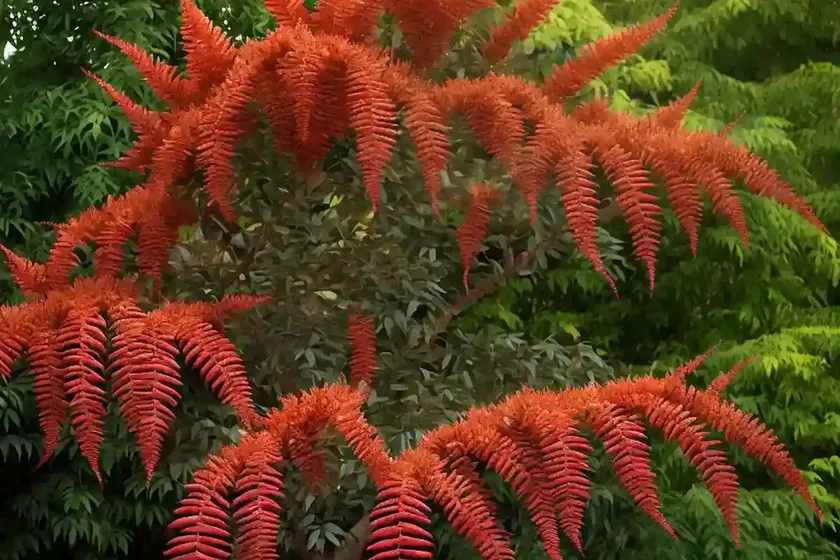
Staghorn sumac, scientifically known as Rhus typhina ‘Bailtiger’ TIGER EYES, is a striking deciduous shrub that belongs to the Anacardiaceae family. It is cherished for its vibrant foliage and ability to enhance the landscape with its ornamental features. The Tiger Eyes cultivar, also commonly referred to as Tiger Eyes sumac, has gained popularity as a landscaping favorite, admired for its resistance to diseases, wildlife attraction, and low-maintenance requirements. In this comprehensive plant profile, we will delve into the culture, uses, care, and essential elements of staghorn sumac to understand why it has become a sought-after choice for gardens and landscapes.
What is Staghorn Sumac?
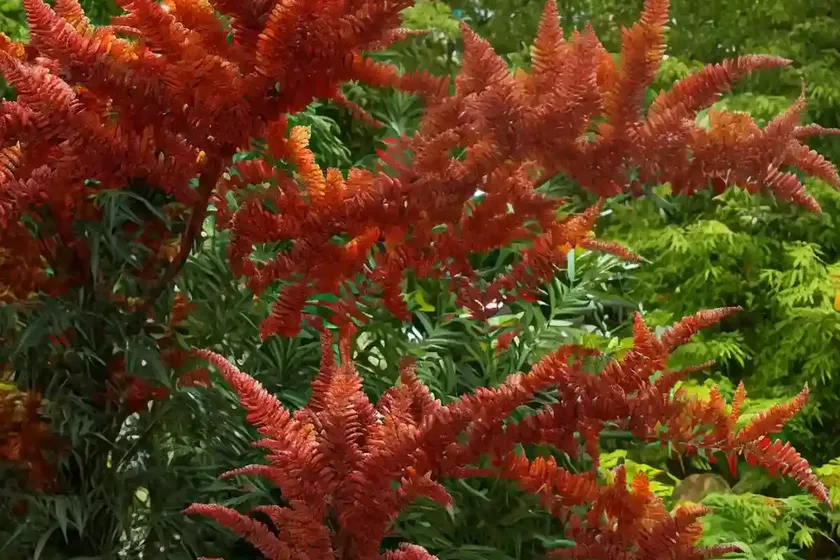
Staghorn sumac is a medium-sized, spreading, deciduous shrub that typically reaches a height and spread of 5 to 15 feet. It is characterized by its velvety, upright, and branching stems resembling the antlers of a stag – hence the name “staghorn.” The ‘Bailtiger’ TIGER EYES variety is particularly renowned for its exceptional foliage. The compound leaves emerge as chartreuse in spring, transforming into a radiant, golden-yellow hue in summer, and culminating in a brilliant display of orange, scarlet, and fiery red tones in autumn. The vivid leaves set against the interesting, fuzzy branches make staghorn sumac a captivating addition to any landscape.
Key Takeaways – Staghorn Sumac (Rhus typhina ‘Bailtiger’ TIGER EYES)
Before delving deeper into the specific aspects of staghorn sumac, let’s establish a preliminary understanding of the key takeaways of this cultivar.
- Plant Name: Staghorn Sumac
- Botanical Name: Rhus typhina ‘Bailtiger’ TIGER EYES
- Common Names: Tiger Eyes sumac, red sumac
- Family: Anacardiaceae
- Foliage: Chartreuse in spring, golden-yellow in summer, vibrant orange and red in autumn
- Height: 5 to 15 feet
- Spread: 5 to 15 feet
- Notable Features: Velvety, upright, branching stems resembling stag horns
- Uses: Ornamental landscaping, wildlife attraction
- Characteristics: Disease-resistant, low-maintenance, vibrant foliage
Now, let’s explore the different elements of staghorn sumac in detail, including its culture, uses, and essential care requirements.
Culture of Staghorn Sumac
Understanding the culture of staghorn sumac is crucial for successfully incorporating it into garden landscapes. It involves recognizing the plant’s preferences for water, sunlight, soil, and fertilizer.
Water
Staghorn sumac is known for its exceptional drought tolerance, making it an ideal choice for landscapes with well-drained soils and limited water availability. However, it is essential to provide adequate irrigation, especially during the establishment phase and prolonged dry spells, to promote healthy growth and vibrant foliage.
Sunlight
Tiger Eyes sumac thrives in full sun to partial shade. It exhibits the best coloration in full sun, but it can also adapt to partial shade conditions, albeit with potentially less intense fall foliage colors. When selecting a planting location, it’s important to consider providing the plant with sufficient sunlight to achieve the desired ornamental display.
Fertilizer
Generally, staghorn sumac does not require heavy fertilization. In fact, excessive fertilization can lead to excessive vegetative growth at the expense of autumn coloration. A balanced, slow-release fertilizer applied in early spring can provide the necessary nutrients for healthy growth and vibrant foliage without stimulating excessive vegetative development.
Soil
Staghorn sumac prefers moderately fertile, well-drained soils. It can tolerate a wide range of soil types, including sandy and rocky substrates, as long as they offer good drainage. While the plant can adapt to various soil pH levels, it thrives in slightly acidic to neutral soils.
Uses of Staghorn Sumac
The ornamental attributes and low-maintenance nature of staghorn sumac make it a versatile option for various landscape applications. Understanding its uses can guide gardeners and landscapers in implementing this cultivar effectively.
- Landscaping: Staghorn sumac serves as a captivating focal point or a naturalistic massing element in landscapes. Its vibrant foliage and spreading habit make it particularly suitable for filling open spaces or creating visual interest in mixed borders or naturalized areas.
- Wildlife Habitat: This cultivar attracts pollinators with its spring blooming, while its berries offer a food source for birds, further enhancing its value as a wildlife-friendly plant.
- Erosion Control: The spreading habit and robust root system of staghorn sumac make it an effective option for erosion control on slopes or embankments.
- Medicinal Uses: Various parts of the staghorn sumac plant have been traditionally used for medicinal purposes, including the preparation of herbal remedies. However, it is important to consult with healthcare professionals before using staghorn sumac for medicinal purposes.
- Natural Dye Source: The bark and roots of staghorn sumac contain tannins that have been historically used for dyeing purposes, imparting hues ranging from light yellows to deep browns.
Staghorn Sumac: Plant Care Practices
Maintaining staghorn sumac in optimal condition calls for specific care practices that address its unique requirements. From pruning to propagation, understanding the essential care guidelines is crucial for fostering healthy growth and vibrant foliage.
Pruning
Pruning staghorn sumac is primarily focused on maintaining its desired shape, size, and overall health. Here are some key considerations for pruning this cultivar:
- Formative Pruning: Young staghorn sumac plants can be shaped through selective pruning to establish an open, balanced framework of branches.
- Seasonal Pruning: The ideal time for pruning staghorn sumac is during late winter or early spring before new growth emerges. This allows for the removal of dead or damaged wood and the enhancement of the plant’s overall appearance.
- Pruning Techniques: It is advisable to use clean, sharp pruning tools to make precise cuts, avoiding unnecessary damage to the plant’s structure.
Propagation
Staghorn sumac can be propagated through several methods, including seed propagation and hardwood cuttings. Keep in mind the following considerations when propagating this cultivar:
- Seed Propagation: Collect seeds from ripe fruits, scarify them to enhance germination, and sow them in well-draining, moist soil. Seeds often require a period of stratification to break dormancy.
- Hardwood Cuttings: Take hardwood cuttings from the current year’s growth, ensure they have several nodes, and plant them in a rooting medium. Provide appropriate humidity and warmth to encourage root development.
Container Popularity
While staghorn sumac is primarily grown in ground landscapes, it can also thrive in containers with the right care and maintenance. When cultivating it in containers, ensure the following:
- Container Size: Choose a sufficiently large container to accommodate the plant’s spreading habit and robust root system while providing adequate room for growth.
- Drainage: Opt for containers with drainage holes to prevent waterlogging, ensuring the soil remains consistently moist but not waterlogged.
- Soil Quality: Use well-draining, fertile potting mix to support healthy growth and minimize the risk of root rot.
Common Diseases and Pests
Staghorn sumac is celebrated for its resistance to many common diseases and pests. However, being aware of potential issues and proactive management practices is essential for maintaining the plant’s vigor and ornamental appeal.
Disease Diagnosis
The following diseases can occasionally affect staghorn sumac:
- Powdery Mildew: This fungal disease can manifest as a powdery, white coating on the leaves, usually during periods of high humidity. Proper air circulation and the removal of infected plant debris can help manage powdery mildew.
Common Pests
Staghorn sumac is relatively resistant to pest infestations, but a few potential pests to watch out for include:
- Scale Insects: These small, oval-shaped insects can infest the stems and undersides of leaves, leading to yellowing and weakening of the plant. Mechanical removal and horticultural oil applications can help manage scale infestations.
Botanist’s Tips for Staghorn Sumac Care
As a plant scientist with expertise in horticulture and botany, here are some specialized tips for nurturing staghorn sumac to promote its optimal growth and ornamental display:
- Mulching: Apply a layer of organic mulch around the base of staghorn sumac to conserve soil moisture, suppress weed growth, and insulate the root system.
- Naturalizing: Encourage the naturalizing tendencies of staghorn sumac by allowing it to spread in designated areas, creating vibrant, low-maintenance clusters in the landscape.
- Companion Planting: Pair staghorn sumac with companion plants that complement its ornamental features and thrive in similar growing conditions, creating visually appealing and ecologically beneficial plant combinations.
Fun Facts about Staghorn Sumac
- Staghorn sumac has been used historically for various purposes, including the production of beverages, herbal medicines, and natural dyes.
- The name “Tiger Eyes” is a nod to the cultivar’s striking golden-yellow foliage, which mimics the captivating appearance of a tiger’s eyes.
- Indigenous cultures in North America have traditionally utilized staghorn sumac for its culinary, medicinal, and dye-producing properties, highlighting its cultural and historical significance.
Links to External Resources
Explore the following resources to delve deeper into staghorn sumac cultivation, benefits, and landscape uses:
- Missouri Botanical Garden – Rhus typhina ‘Bailtiger’
- University of Connecticut Plant Database – Rhus typhina ‘Tiger Eyes’
- University of New Hampshire Extension – Growing Tiger Eyes Sumac
In conclusion, staghorn sumac, particularly the ‘Bailtiger’ TIGER EYES variety, stands out as a captivating and resilient option for ornamental landscaping. Its vibrant foliage, wildlife-friendly attributes, and low-maintenance requirements contribute to its popularity among gardeners and landscapers. By understanding its culture, uses, and care practices, enthusiasts can optimize the growth and visual impact of staghorn sumac in various garden landscapes, fostering a harmonious balance between ornamental appeal and ecological value.
Remember, while the information provided here serves as a comprehensive guide, it is important to consider local climate conditions, soil characteristics, and specific site requirements when cultivating staghorn sumac to ensure successful establishment and long-term vitality. Whether it’s adorning a garden border, accentuating a wildlife-friendly area, or adding color to a naturalized landscape, staghorn sumac can serve as a dynamic and charismatic component of diverse outdoor spaces.
This article has examined staghorn sumac (Rhus typhina ‘Bailtiger’ TIGER EYES) in great detail, covering its culture, uses, care requirements, common diseases, pests, and botanist’s tips, providing a comprehensive resource for plant enthusiasts and horticulture professionals alike. With its remarkable attributes and adaptable nature, staghorn sumac continues to leave a lasting impression in the world of ornamental plants and ecological landscaping.
This work is licensed under a Creative Commons Attribution-NonCommercial 4.0 International License.