Stachyurus praecox (Early Stachyurus)
Stachyurus praecox, commonly known as Early Stachyurus, is a captivating and versatile shrub that belongs to the Stachyuraceae family. This deciduous plant is native to East Asia, particularly Japan and China, where it thrives in woodlands and mountainsides. Stachyurus praecox is prized for its elegant, pendulous racemes of flowers that appear in late winter or early spring, often before the leaves emerge. Its delicate charm, combined with its adaptability to various gardening conditions, makes it a sought-after addition to both home gardens and public landscapes.
In this comprehensive guide, we will explore the various facets of Stachyurus praecox, including its cultural requirements, uses, care tips, propagation, as well as common diseases and pests that may affect this species. Whether you are an experienced horticulturist or a gardening enthusiast, this article will equip you with the knowledge needed to cultivate and appreciate the unique qualities of the Early Stachyurus.
Key Takeaways – Stachyurus praecox (Early Stachyurus)
Before delving into the specifics of Stachyurus praecox, let’s provide a brief overview of the key aspects associated with this plant:
- Scientific Name: Stachyurus praecox
- Common Name: Early Stachyurus
- Plant Type: Deciduous shrub
- Native Habitat: East Asia
- Notable Feature: Graceful, pendulous racemes of flowers
- Cultural Uses: Ornamental landscaping, wildlife attraction
- Cultural Requirements: Partial shade, well-drained soil, regular watering
- Propagation Methods: Seed propagation, semi-hardwood cuttings
- Challenges: Susceptible to certain diseases and pests
- Landscape Applications: Woodland gardens, mixed borders, wildlife gardens
By delving into specific areas such as cultural care, propagation, and disease management, we aim to provide a comprehensive analysis of Stachyurus praecox, catering to the varied interests and requirements of gardeners and landscaping professionals.
What is Stachyurus praecox (Early Stachyurus)?
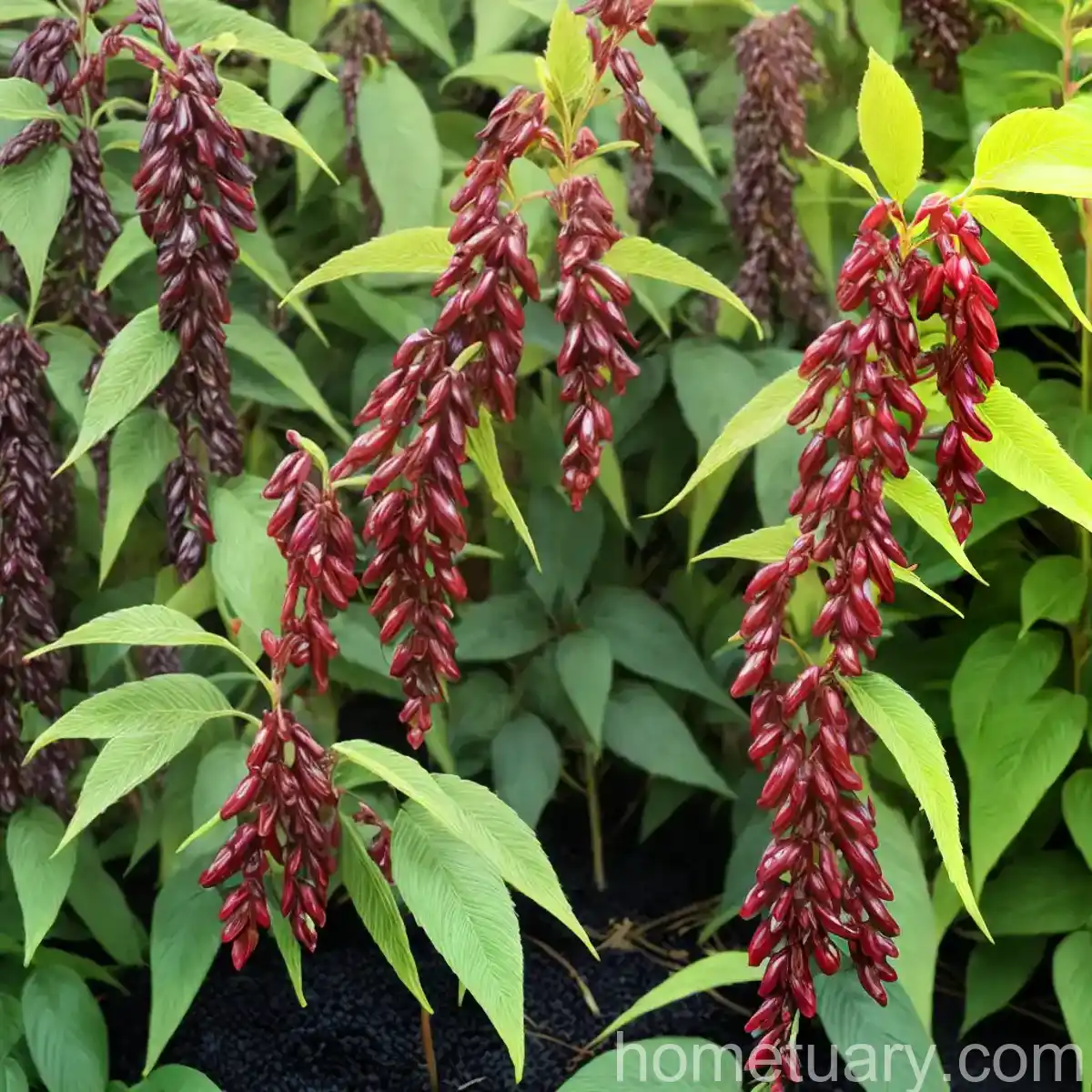
Stachyurus praecox is an early-flowering deciduous shrub that attracts attention with its dangling clusters of bell-shaped, pale yellow flowers. These ornamental blooms emerge on bare stems in late winter to early spring, adding a touch of elegance to the garden when few other plants are in bloom. As the flowering season progresses, the lush green leaves of Stachyurus praecox unfurl, providing a verdant backdrop to the lingering floral display.
The botanical characteristics of Stachyurus praecox can be summarized as follows:
- Morphology: Stachyurus praecox typically grows as a multi-stemmed shrub, reaching a height of 6 to 10 feet with a similar spread. Its arching branches create a graceful silhouette, while the alternate, ovate leaves add texture and volume to the plant’s appearance.
- Flowers: The pendant racemes of Stachyurus praecox bear numerous small, bell-shaped flowers that dangle elegantly from the branches. The flowers are generally pale yellow in color and possess a subtle fragrance, attracting early-season pollinators such as bees and other beneficial insects.
- Foliage: The leaves of Stachyurus praecox are deciduous and serrated, with a vibrant green hue that turns golden-yellow in the autumn, extending the plant’s seasonal appeal.
- Habitat: In its native range, Stachyurus praecox is often found in woodlands, understory settings, and mountainous regions with well-drained soil and partial shade.
As with any plant, understanding the natural habitat and growth habits of Stachyurus praecox is crucial for successfully integrating it into cultivated landscapes and gardens. By mimicking its preferred conditions, gardeners can optimize the plant’s health and overall aesthetic impact.
Culture
Uses
Stachyurus praecox holds significant value in ornamental horticulture, offering a range of uses in landscape design and gardening. Some of the primary uses of Early Stachyurus include:
- Ornamental Feature: The graceful, pendulous flowers of Stachyurus praecox contribute to the visual appeal of woodland and shaded gardens, where they provide an early burst of color and interest. When planted against a backdrop of evergreen shrubs or within mixed borders, this shrub stands out as a striking focal point.
- Wildlife Attraction: The early-season flowers of Stachyurus praecox are a valuable nectar source for pollinators, including bees and butterflies. By supporting these beneficial insects, the plant contributes to the overall ecological balance of the garden.
- Specimen Planting: Due to its unique floral display and graceful form, Stachyurus praecox is often used as a standalone specimen in gardens, where its seasonal changes and distinctive architecture can be fully appreciated.
The multifaceted uses of Stachyurus praecox underscore its versatility and adaptability in enhancing diverse outdoor spaces, from private residences to public parks and botanical gardens.
Water
Watering Requirements
Stachyurus praecox, like many woody plants, benefits from regular, consistent moisture throughout the growing season. While it is important to avoid waterlogged conditions, especially in poorly-drained soils, ensuring an adequate water supply is essential for the plant’s health and blooming capacity.
Key Considerations for Watering:
- Establishment Phase: Newly planted Stachyurus praecox specimens require diligent watering, particularly during the first year. This helps the plants develop a strong root system and adapt to their new environment.
- Summer Maintenance: During dry spells and in regions with hot summers, irrigating Stachyurus praecox at regular intervals helps prevent stress and dehydration. Providing a deep soaking once or twice a week may be necessary, depending on local climate conditions.
- Winter Vigilance: While Stachyurus praecox is relatively tolerant of winter conditions, ensuring adequate soil moisture before the onset of freezing temperatures is beneficial. This helps protect the plant from desiccation during cold, windy conditions.
By prioritizing appropriate watering practices, gardeners can support the vigor and vitality of Stachyurus praecox, enabling it to thrive and grace the landscape with its distinctive attributes.
Sunlight
Sun Exposure
Stachyurus praecox exhibits a preference for partial shade, particularly in regions with intense sunlight or during the peak of summer. While it can tolerate dappled sunlight and some morning sun, providing some degree of shelter from the harsh midday and afternoon rays is advisable.
Ideal Sun Conditions for Stachyurus praecox:
- **Morning Sun: ** A location that receives gentle morning sunlight can promote healthy growth and flowering without excessive heat and potential leaf scorch.
- **Dappled Shade: ** In woodland gardens or shaded borders, Stachyurus praecox thrives under the filtered light provided by adjacent trees or taller shrubs.
- **Avoiding Harsh Sun: ** When planted in full sun, particularly in warmer climates, Stachyurus praecox may exhibit signs of stress, such as leaf yellowing or reduced flowering.
Given its partial shade preference, Stachyurus praecox is well-suited to various garden settings, from urban courtyards to suburban landscapes, where it introduces beauty without demanding direct sunlight.
Fertilizer
Nutrient Requirements
While Stachyurus praecox is generally undemanding in terms of fertility, providing supplemental nutrients can support its overall growth and flowering performance. The following considerations can guide the application of fertilizer to Stachyurus praecox:
Balanced Fertilization:
– Early Spring Feeding: Applying a balanced, slow-release fertilizer in early spring, before the initiation of new growth, can provide the necessary nutrients for a vibrant floral display and healthy foliage development.
– Organic Amendments: Incorporating well-rotted compost or aged manure around the base of Stachyurus praecox in spring can enhance soil structure and fertility, promoting long-term health and resilience.
Caution: Overfertilization
– Impact on Flowering: Excessive nitrogen from fertilizers high in this nutrient may encourage lush foliage at the expense of flowers. Moderation and attentiveness to the plant’s natural growth habits are essential to prevent potential imbalances.
By adopting a mindful approach to fertilization, gardeners can strike a harmonious nutrient balance, ensuring the sustained well-being of Stachyurus praecox without overwhelming it with excessive fertilizers.
Soil
Soil Preferences
The soil environment significantly influences the growth and performance of Stachyurus praecox, shaping its overall health and blooming capacity. Understanding and addressing the plant’s soil preferences is essential for cultivating it successfully.
Optimal Soil Conditions:
– Well-Drained Soil: Ensuring good drainage is critical for preventing waterlogged conditions, which can adversely affect the root health of Stachyurus praecox.
– Moisture Retention: While well-drained, the soil should retain sufficient moisture to support the plant’s water needs, particularly during dry periods or in prolonged heat.
– Acidic pH: Stachyurus praecox thrives in slightly acidic to neutral soil conditions (pH 5.5 to 7.5), a characteristic commonly found in woodland and forest soils.
By prioritizing soil quality and composition, gardeners can provide an optimal growth medium for Stachyurus praecox, enabling it to establish and flourish in a diverse range of garden settings.
Pruning
Pruning Techniques
Pruning is an essential aspect of managing the growth and form of Stachyurus praecox, helping to maintain its natural elegance and invigorate flowering performance. The following pruning techniques are relevant for Stachyurus praecox:
Pruning Timing:
– Post-Flowering Pruning: After the flowering phase, typically in late spring or early summer, is an ideal time for pruning Stachyurus praecox. This allows for rejuvenation and reduction of older growth without compromising the next season’s floral display.
– Maintenance Pruning: Throughout the year, selective removal of dead, damaged, or overly congested branches can improve ventilation and sunlight penetration, promoting plant health and vigor.
Pruning Objectives:
– Encouraging Structure: Pruning can help shape the natural form of Stachyurus praecox, removing wayward or crossing branches to maintain an open, airy growth habit.
– Blooming Enhancement: Proper pruning promotes the production of new growth and flower buds, optimizing the plant’s capacity for a bountiful floral presentation in the subsequent season.
Caution: Pruning After Flowering
– Risk of Flower Removal: Pruning too late after flowering may result in the removal of potential flower buds for the following year. Therefore, timing and discretion are key to optimizing Stachyurus praecox’s ornamental value.
By adhering to appropriate pruning practices, gardeners can harness the aesthetic appeal and long-term health of Stachyurus praecox, enhancing its contribution to diverse landscaping compositions.
Propagation
Methods of Propagation
To expand the presence of Stachyurus praecox within a garden or to share its beauty with others, propagation through various methods can be pursued. The following approaches are relevant for multiplying the presence of Stachyurus praecox:
Seed Propagation:
– Collection and Sowing: Harvesting mature seeds from Stachyurus praecox and sowing them in well-prepared soil during the spring can allow for the growth of new plants.
– Germination Requirements: Providing a consistent moisture and temperature regime conducive to seed germination is essential for successful propagation.
Semi-Hardwood Cuttings:
– Cutting Selection: Choosing healthy, semi-matured stems and taking cuttings in summer or early autumn can facilitate the propagation of Stachyurus praecox.
– Rooting Conditions: Utilizing a rooting hormone and providing gentle bottom heat and consistent moisture can enhance the rooting success of semi-hardwood cuttings.
By exploring diverse propagation techniques, gardeners can expand their collection of Stachyurus praecox, preserving its beauty and diversity within the cultivated landscape.
Container Popularity
Container Gardening
While Stachyurus praecox is commonly cultivated in outdoor spaces, its versatility extends to container gardening, offering opportunities to introduce its allure to various settings. The following considerations are pertinent to cultivating Stachyurus praecox in containers:
Container Selection:
– Size and Depth: Choosing a sufficiently large and deep container ensures ample space for root growth and stability, accommodating the development of a healthy, robust shrub.
– Drainage Capacity: Opting for containers with adequate drainage holes and a well-drained growing medium facilitates root aeration and moisture control.
Cultural Considerations:
– Watering Regimen: Monitoring soil moisture and providing consistent watering, particularly during the growing season, is crucial for container-grown Stachyurus praecox.
– Fertilization Management: Applying a balanced, slow-release fertilizer suitable for container plants can support the nutritional needs of Stachyurus praecox.
By embracing container gardening, gardeners can integrate the captivating presence of Stachyurus praecox into diverse urban and suburban landscapes, fostering a dynamic visual impact.
Common Diseases
Disease Diagnosis
While Stachyurus praecox is generally robust and resilient, it may face certain disease challenges that require prompt identification and management. The following common diseases may affect Stachyurus praecox:
- Powdery Mildew: Characterized by a white, powdery coating on the leaves, powdery mildew can impact the overall health and aesthetics of Stachyurus praecox, particularly in humid or poorly ventilated conditions.
- Leaf Spot: Leaf spot diseases may manifest as dark, discrete spots on the foliage, potentially leading to leaf discoloration and premature defoliation if left unaddressed. Proper sanitation and monitoring are key to managing this condition.
- Root Rot: Excessive soil moisture or poorly drained conditions can predispose Stachyurus praecox to root rot, presenting symptoms such as wilting, yellowing foliage, and overall decline in plant vigor.
Vigilance and proactive management strategies, such as promoting good air circulation, moderating irrigation, and maintaining overall plant health, are integral to minimizing the impact of these diseases on Stachyurus praecox.
Common Pests
Pest Control
The resilience of Stachyurus praecox can be compromised by certain pests that seek to exploit its foliage and overall vitality. Recognizing and addressing potential pest issues is essential for maintaining the plant’s well-being. Some common pests that may affect Stachyurus praecox include:
- Aphids: These small, sap-sucking insects can congregate on the tender new growth of Stachyurus praecox, leading to distorted foliage and diminished plant vigor.
- Scale Insects: Scale insects may attach themselves to the surfaces of branches and leaves, feeding on plant sap and compromising the overall health of the shrub.
- Caterpillars: Certain caterpillar species may consume the foliage of Stachyurus praecox, leading to defoliation and reduced aesthetic appeal.
Implementing integrated pest management practices, including manual removal, organic insecticidal soaps, and beneficial insect conservation, can help mitigate the impact of these pests on Stachyurus praecox, preserving its ornamental value.
Botanist’s Tips
Cultivation Insights
Drawing from botanical expertise and practical observations, the following tips and insights can inform the successful cultivation and appreciation of Stachyurus praecox:
- Promoting Air Circulation: Ensuring good air movement around Stachyurus praecox can minimize the risk of foliar diseases, promoting overall plant health and vigor.
- Maintaining Moist, Well-Drained Soil: Striking a balance between adequate moisture retention and efficient drainage is essential for the sustained well-being of Stachyurus praecox.
- Pruning for Structure and Aesthetics: Regular, selective pruning can accentuate the natural grace and form of Stachyurus praecox, enhancing its visual impact within the garden.
- Seasonal Monitoring: Observing the plant’s seasonal changes and responding to its evolving needs can help tailor cultural practices to maximize its ornamental and ecological contributions.
By heeding these botanical insights, gardeners can cultivate and enjoy the inherent beauty and resilience of Stachyurus praecox, fostering a meaningful connection with this captivating plant.
Fun Facts
Fascinating Tidbits
Discovering the unique traits and captivating qualities of Stachyurus praecox can further enrich the gardening experience and deepen the appreciation for this remarkable shrub. Some fun facts and intriguing elements about Stachyurus praecox include:
- Ancient Origins: Stachyurus praecox has a rich heritage, with its cultivation documented in traditional East Asian gardens and landscapes for centuries.
- Early Floral Enchantment: The early flowering period of Stachyurus praecox makes it a coveted addition to garden designs, providing an early burst of color and fragrance.
- Seasonal Metamorphosis: The dynamic seasonal changes of Stachyurus praecox, from vibrant green foliage and pendulous flowers to golden autumnal hues, underscore its enduring appeal throughout the year.
- Wildlife Support: Beyond its ornamental value, Stachyurus praecox serves as a valuable nectar source for early-season pollinators, bolstering the ecological health of the garden.
- Cultural Resilience: Stachyurus praecox showcases remarkable adaptability and resilience, tolerating a diverse range of garden conditions, from partial shade to moist, well-drained soils.
By embracing these fun facts, enthusiasts and horticultural aficionados can deepen their admiration for Stachyurus praecox, celebrating its unique attributes and enduring legacy in cultivated landscapes.
Links to External Resources
To supplement the insights and practical guidance provided in this article, exploring reputable external resources can further enrich the understanding and cultivation of Stachyurus praecox. Some valuable links to external resources include:
- Royal Horticultural Society – Stachyurus praecox
- Missouri Botanical Garden – Stachyurus praecox
- North Carolina State University Extension – Stachyurus praecox: An Outstanding Winter Flowering Shrub
These reputable sources offer comprehensive insights, cultivation advice, and botanical details that can augment and refine the understanding of Stachyurus praecox, empowering enthusiasts and professionals alike with valuable knowledge.
In conclusion, Stachyurus praecox, known as Early Stachyurus, captivates with its elegant floral display, versatile uses, and engaging attributes, enriching diverse landscapes and gardens. By integrating