St John’s Wort (Hypericum Perforatum)
St. John’s Wort (Hypericum perforatum) is a well-known perennial herb native to Europe, Asia, and North Africa. Traditionally, it has been utilized for its.
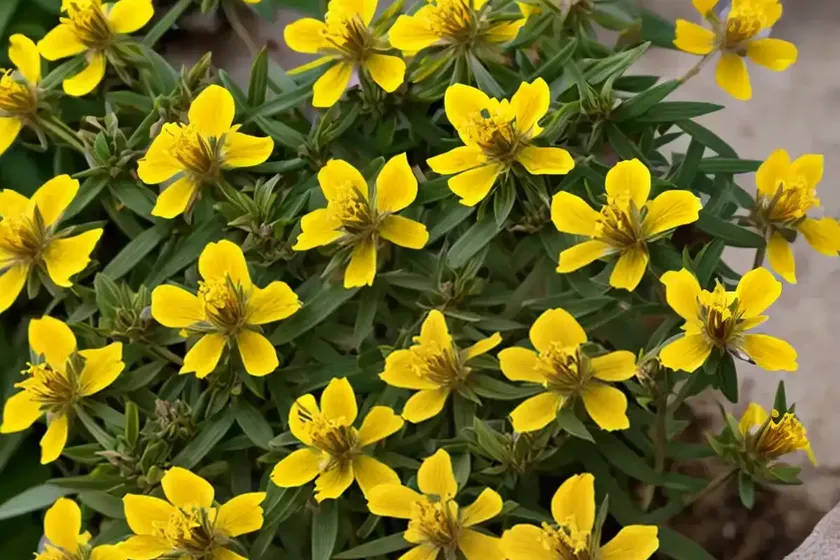
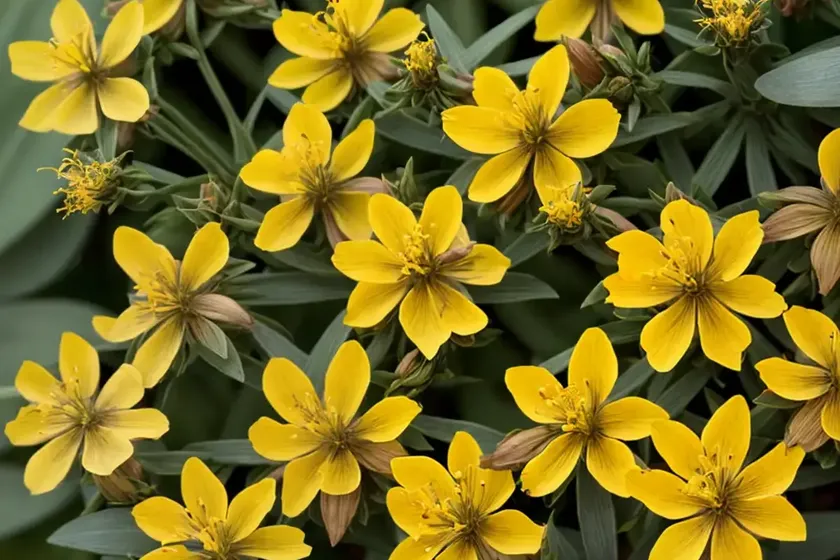
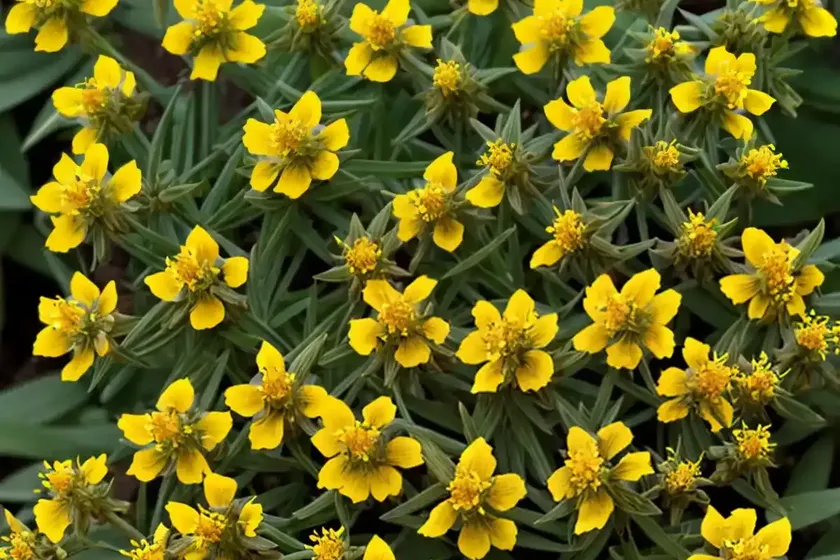
St. John’s Wort (Hypericum perforatum) is a well-known perennial herb native to Europe, Asia, and North Africa. Traditionally, it has been utilized for its medicinal properties, and in recent years, it has gained popularity in alternative medicine and herbal remedies for its potential health benefits. In this blog post, we will delve into various aspects of St. John’s Wort, including its cultural requirements, uses, and benefits, while also exploring its historical significance and traditional uses. Additionally, we will discuss its significance from a botanical perspective, its cultivation requirements, common pests and diseases, and some interesting fun facts. So, let’s embark on a journey to unravel the secrets of St. John’s Wort and gain a deeper understanding of its role in natural remedies and health.
What is St. John’s Wort (Hypericum Perforatum)?
St. John’s Wort, scientifically known as Hypericum perforatum, is a flowering plant that belongs to the Hypericaceae family. It is characterized by its bright yellow flowers and is typically found in sunny, open spaces, such as meadows, fields, and along roadsides. The plant is known for its phototoxic properties, causing sensitivity to light, and it has a long history of traditional use for various health purposes.
Historical Significance and Traditional Uses
St. John’s Wort has a rich historical background, dating back centuries. Its name is derived from the fact that it traditionally blooms around the birthday of John the Baptist, which falls on the 24th of June. The plant has been associated with numerous folklore and traditional beliefs, especially in European cultures. It was believed to have powerful protective properties and was often hung over doors and windows on St. John’s Eve to ward off evil spirits and to bring good luck to the household.
From a medicinal standpoint, St. John’s Wort has been used traditionally to address a wide range of health issues, including wounds, burns, and various nervous system disorders. The herb has been incorporated into teas, tinctures, and infusions for its potential therapeutic effects. Its traditional uses reflect the belief in its ability to alleviate symptoms of several health conditions, making it a significant component of traditional herbal medicine.
Key Takeaways – St John’s Wort (Hypericum Perforatum)
Before delving into the specifics of cultivating and caring for St. John’s Wort, let’s take a look at some key takeaways regarding its uses and benefits, particularly in the context of natural remedies and alternative medicine.
– St John’s Wort Benefits
Potential for Nervous System Support: St. John’s Wort has been traditionally used for its potential to support the nervous system and address symptoms of mild depression and anxiety.
Wound Healing Properties: The herb has been employed for its perceived ability to promote wound healing and alleviate skin-related issues.
Mood Enhancement: It has been suggested to have mood-enhancing effects, potentially aiding in mood stability and mental well-being.
– Hypericum Perforatum Uses
Traditional Medicinal Purposes: Hypericum perforatum has a long history of traditional use for addressing various health conditions, including wounds, burns, and mental health issues.
Herbal Remedies: It is frequently utilized in the preparation of herbal remedies and natural health products.
Cultural Significance: The plant holds cultural and historical significance in various traditions, folklore, and beliefs.
– St John’s Wort Side Effects
Photosensitivity: The plant contains compounds that can cause increased sensitivity to sunlight, leading to skin irritation.
Potential Drug Interactions: It is important to be aware of potential interactions with medications, as St. John’s Wort can affect the metabolism of certain drugs.
– Hypericum Perforatum Properties
Active Compounds: St. John’s Wort contains several bioactive compounds, including hypericin and hyperforin, which are believed to contribute to its medicinal properties.
Antidepressant Effects: These properties may be responsible for the herb’s potential antidepressant effects.
Pharmacological Profile: Understanding the pharmacological profile of Hypericum Perforatum is crucial for comprehending its potential health benefits.
– St John’s Wort Dosage
Dosage Considerations: When using St. John’s Wort for medicinal purposes, it is essential to consider appropriate dosages and consult with healthcare professionals.
Standardized Extracts: Standardized extracts are available, providing consistent dosing of key active constituents.
St John’s Wort for Anxiety
Traditional Use: St. John’s Wort has been historically employed to address symptoms of anxiety and stress.
Potential Benefits: Research suggests that the herb may offer support for anxiety-related concerns, but further investigation is warranted.
Hypericum Perforatum for Depression
Antidepressant Properties: The plant’s potential as a natural remedy for mild to moderate depression has been a subject of scientific interest.
Clinical Studies: Numerous studies have explored the efficacy of St. John’s Wort in managing symptoms of depression.
St. John’s Wort Supplement
Availability: St. John’s Wort is accessible in various forms, including capsules, tinctures, and teas, as a dietary supplement.
Regulatory Considerations: It is important to ensure that any St. John’s Wort supplements are obtained from reputable sources and comply with regulatory standards.
– Hypericum Perforatum Extract
Concentrated Form: Extracts of St. John’s Wort offer a concentrated source of the herb’s active constituents.
Therapeutic Applications: These extracts have been explored for their potential therapeutic applications in several health conditions.
– St John’s Wort Natural Remedy
Herbal Medicine: St. John’s Wort has been an integral part of herbal medicine traditions, offering natural remedies for various health concerns.
Holistic Approach: Its use as a natural remedy aligns with the principles of holistic health and well-being.
– Hypericum Perforatum Herbal Medicine
Herbal Preparations: The plant is used in the formulation of diverse herbal medicines, highlighting its significance in herbal traditions.
Botanical Knowledge: Understanding the plant’s botanical properties is essential for effective utilization in herbal formulations.
– St John’s Wort Antidepressant
Mild to Moderate Depression: The herb has been investigated for its potential as a natural antidepressant for mild to moderate depressive symptoms.
Comparative Studies: Research has examined the comparative efficacy of St. John’s Wort against conventional antidepressants.
– Hypericum Perforatum Mood Enhancer
Psychological Well-being: Hypericum perforatum has been associated with potential mood-enhancing effects, contributing to overall emotional well-being.
Neurotransmitter Modulation: Its effects on neurotransmitter levels may underlie its mood-enhancing properties.
– St John’s Wort Health Benefits
Multi-faceted Potential: St. John’s Wort is believed to offer a range of health benefits, encompassing mental, emotional, and physical well-being.
Holistic Wellness: Its traditional uses reflect a holistic approach to health and healing.
– Hypericum Perforatum Tea
Herbal Infusions: St. John’s Wort is often prepared as a soothing herbal tea, offering a convenient way to access its potential benefits.
Brewing Techniques: Understanding the proper methods for preparing St. John’s Wort tea is important to maximize its therapeutic properties.
– St John’s Wort Alternative Medicine
Complementary Health Practices: St. John’s Wort holds significance in the realm of alternative medicine and holistic health approaches.
Integrative Well-being: Its integration into alternative medicine reflects a broader perspective on health and healing.
– Hypericum Perforatum Plant Profile
Botanical Characteristics: Detailed knowledge of the plant’s profile is crucial for recognizing it in its natural habitat and in cultivation.
Taxonomic Identity: Understanding its taxonomic classification aids in its overall botanical comprehension.
– St John’s Wort Folklore
Cultural Beliefs: St. John’s Wort has been intertwined with various folklore beliefs and customs, underscoring its cultural significance.
Folk Remedies: Traditional practices involving St. John’s Wort highlight its role in folk medicine and healing traditions.
– Hypericum Perforatum Traditional Uses
Historical Utilization: The plant has a history of diverse traditional uses, including medicinal, ceremonial, and superstition-based applications.
Cultural Heritage: These traditional uses are an integral part of the plant’s cultural heritage.
Now that we have outlined the key takeaways related to the uses and properties of St. John’s Wort, let’s explore the cultural and botanical aspects of the plant, while also delving into its cultivation requirements and best practices.
Cultural Aspects of St. John’s Wort
Understanding the cultural significance and traditional context of St. John’s Wort is essential for appreciating its holistic value and historical influence. The plant has been deeply embedded in various cultural beliefs, customs, and traditional practices, contributing to its enduring legacy.
Cultural Significance
St. John’s Wort holds significant cultural meaning, especially in European traditions, where it has been intertwined with customs, folklore, and festivals. The association of the plant with St. John’s Day, celebrated on June 24th, has contributed to its name and its symbolic role in ceremonial and superstitious practices. The herb has been believed to possess protective powers and was often used in rituals aimed at warding off negative influences and ensuring well-being.
Folklore and Customs
Folklore surrounding St. John’s Wort involves an array of beliefs and customs, ranging from its role in warding off evil spirits to its association with love divination. In some cultures, it was hung in homes to provide protection, while in others, it was deemed to have magical attributes for ensuring fertility and happiness. Such customs have played a part in shaping the plant’s place in popular imagination and cultural heritage.
St. John’s Wort Festivals
In various regions, festivals and celebrations dedicated to St. John’s Wort have been observed as part of traditional customs. These events often include rituals, music, and ceremonial activities centered around the plant, showcasing its enduring relevance in local cultures. The festivals serve as a means of preserving and honoring the plant’s historical and cultural significance.
Plant Essential Needs
When it comes to growing St. John’s Wort, it is crucial to understand its essential requirements and environmental preferences. Providing the right cultural conditions is fundamental to ensuring the plant’s well-being and maximizing its potential for growth and vitality. Let’s explore the key factors that contribute to the successful cultivation of St. John’s Wort.
Water
Moderate Moisture: St. John’s Wort thrives in well-drained soil with moderate moisture levels.
Avoid Waterlogging: It is important to prevent waterlogging, as excessive moisture can lead to root rot and other issues.
Regular Watering: Consistent, moderate watering is preferable, especially during dry spells, to support healthy growth.
Sunlight
Full Sun: St. John’s Wort is ideally suited to sunny locations and requires ample sunlight for optimal development.
6-8 Hours of Sun: Providing 6 to 8 hours of direct sunlight daily is beneficial for robust flowering and overall plant vigor.
Shade Tolerance: While it prefers full sun, it can tolerate some partial shade, particularly in regions with intense heat.
Fertilizer
Moderate Feeding: St. John’s Wort benefits from a balanced, slow-release fertilizer applied in the spring to support steady growth and flowering.
Avoid Excess Fertilization: Over-fertilization should be avoided, as it can lead to excessive foliage at the expense of flower production.
Organic Amendments: Incorporating organic matter into the soil can contribute to long-term soil fertility and plant health.
Soil
Well-Drained Soil: St. John’s Wort thrives in well-drained, slightly acidic to neutral soil with good aeration.
Sandy Loam to Loamy Soil: Soil with a mix of sand, silt, and clay provides an ideal balance for the plant’s root development.
Soil Amendment: For heavy clay or compacted soils, amending with organic matter can enhance drainage and soil structure.
Pruning
Spring Pruning: Light pruning in the spring helps promote bushier growth and encourages the development of new shoots.
Deadheading Spent Flowers: Removing spent flowers can prolong the blooming period and prevent self-seeding in the garden.
Pruning for Air Circulation: Thinning out overcrowded growth improves air circulation and reduces the risk of diseases.
Propagation
Seed Propagation: St. John’s Wort can be propagated from seeds, which should be sown in well-prepared soil in the spring or fall.
Division: Division of mature plants in the early spring or late fall is another method of propagation, yielding genetically identical offspring.
Root Cuttings: Root cuttings taken in the dormant season can also be utilized for propagation, leading to the development of new plants.
Container Popularity
Container Cultivation: St. John’s Wort is well-suited to container gardening, especially for individuals with limited outdoor space.
Patio and Balcony Gardens: It is an appealing option for patio and balcony gardens, where containers can provide a suitable growing environment.
Cultural Adaptation: In containers, the plant’s cultural needs can be accommodated, enabling it to flourish in diverse gardening settings.
Common Diseases and Pests
St. John’s Wort, like many other plants, is susceptible to certain diseases and pests. Understanding the common issues that can affect the plant is essential for implementing proactive measures to protect its health and vitality. Let’s review some prevalent diseases and pests that can impact St. John’s Wort.
Disease Diagnosis
Powdery Mildew (Erysiphe hyperici): This fungal condition manifests as a powdery, white coating on the plant’s leaves, leading to reduced photosynthesis and impaired growth.
Leaf Spot (Phyllosticta hyperici): Circular spots with dark borders on the foliage indicate this fungal disease, potentially causing defoliation when severe.
Root Rot (Phytophthora spp.): Excessive soil moisture and poor drainage can result in root rot, characterized by wilting, yellowing leaves, and eventual plant decline.
Common Pests
Aphids: These small, soft-bodied insects can cluster on the plant’s new growth, causing distortion and stunted development.
Spider Mites: Infestations of spider mites can lead to stippled, discolored leaves and weakened plant vigor.
Beetles (Chrysomelidae family): Various beetle species can feed on St. John’s Wort, leading to leaf damage and decreased aesthetic appeal.
Botanist’s Tips
From a botanical perspective, St. John’s Wort presents an array of interesting characteristics and growth patterns, making it an intriguing subject for plant enthusiasts and botanists. Understanding the plant from a botanical standpoint enhances our appreciation for its unique features and contributes to its effective cultivation and utilization.
Botanical Characterization
Leaf Morphology: St. John’s Wort leaves are characterized by their opposite arrangement, oval shape, and punctuated glands, which release aromatic oils.
Floral Structure: The plant’s bright yellow flowers are comprised of five petals and numerous stamens, forming an attractive floral display.
Medicinal Compounds: Bioactive constituents such as hypericin and hyperforin contribute to the plant’s medicinal properties and are of botanical interest.
Cultivation Insights
Adaptability: St. John’s Wort demonstrates adaptability to diverse growing conditions, making it relevant for a range of gardening environments.
Invasive Potential: In some regions, the plant’s vigorous growth and self-seeding behavior necessitate caution to prevent its naturalization and potential invasiveness.
Botanical Nomenclature: Understanding the scientific taxonomy of Hypericum perforatum aids in its precise identification and study.
Fun Facts
Uncovering intriguing and lesser-known facts about St. John’s Wort adds an element of fascination to our exploration of this remarkable plant. Let’s uncover some fun and surprising details that contribute to its allure and significance.
-
Floral Symbolism: In some cultures, St. John’s Wort has been associated with love and romance, symbolizing affection and devotion.
-
Tincture and Infusion: St. John’s Wort is frequently used to prepare tinctures and infusions, showcasing its versatility in herbal applications.
-
Traditional Harvest Rituals: Harvesting St. John’s Wort on St. John’s Day has been a traditional practice, believed to imbue the herb with heightened potency.
-
Hypericin and Light Sensitivity: The presence of hypericin in the plant’s tissues contributes to its photosensitivity and its use in light-sensitive applications.
-
Folklore Remedies: Folk remedies involving St. John’s Wort span a diverse range of health concerns, emphasizing its historical role in traditional healing.
Links to External Resources
To further expand your knowledge and exploration of St. John’s Wort, here are some valuable external resources that offer detailed information, research findings, and practical insights into the plant’s uses, properties, and cultural significance:
-
National Center for Complementary and Integrative Health – St. John’s Wort
-
The European Medicines Agency – Assessment report on Hypericum perforatum L., herba
In Conclusion
St. John’s Wort, or Hypericum perforatum, emerges as a captivating and multifaceted plant with a rich history, diverse cultural significance, and potential medicinal properties. Its traditional uses and modern applications in natural remedies and alternative medicine underscore its enduring relevance in the realm of holistic health and well-being. By incorporating the insights and best practices shared in this blog post, individuals can deepen their understanding of St. John’s Wort and harness its unique qualities for herbal cultivation, botanical study, and holistic health pursuits.
As we conclude our exploration of St. John’s Wort, I encourage you to continue your journey of discovery, drawing inspiration from the plant’s cultural heritage, botanical intricacies, and potential health benefits. Embrace the holistic wisdom encapsulated in St. John’s Wort and celebrate its role as a natural remedy steeped in tradition and natural beauty. Whether in the garden, the apothecary, or the realm of folklore, St. John’s Wort stands as a testament to the enduring allure and therapeutic potential of botanical treasures.
Remember to tread the path of knowledge with open curiosity, in pursuit of understanding and appreciation for the remarkable gifts of nature.
Happy gardening, learning, and embracing the wonders of St. John’s Wort!
*Please note: The information provided in this blog post


