St. Andrew’s Cross (Hypericum Hypericoides)
St. Andrew’s Cross, scientifically known as Hypericum Hypericoides, is a captivating and versatile plant that holds significant cultural, medicinal, and.
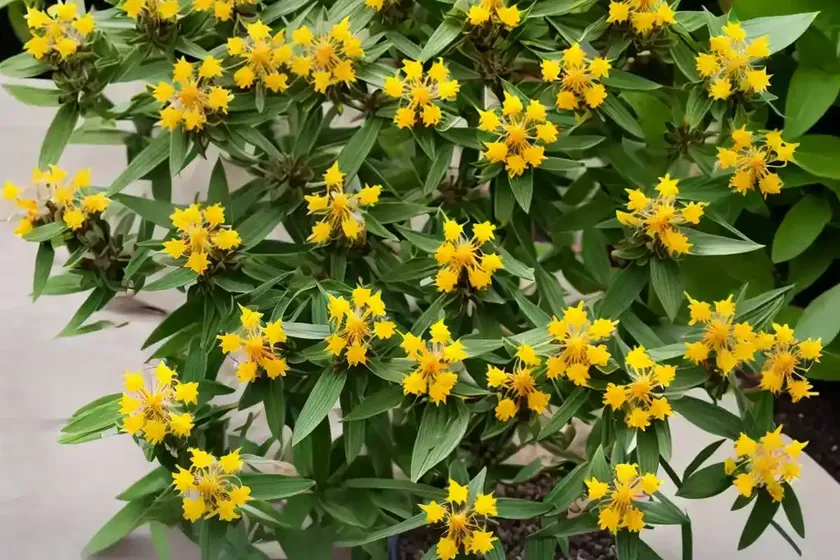
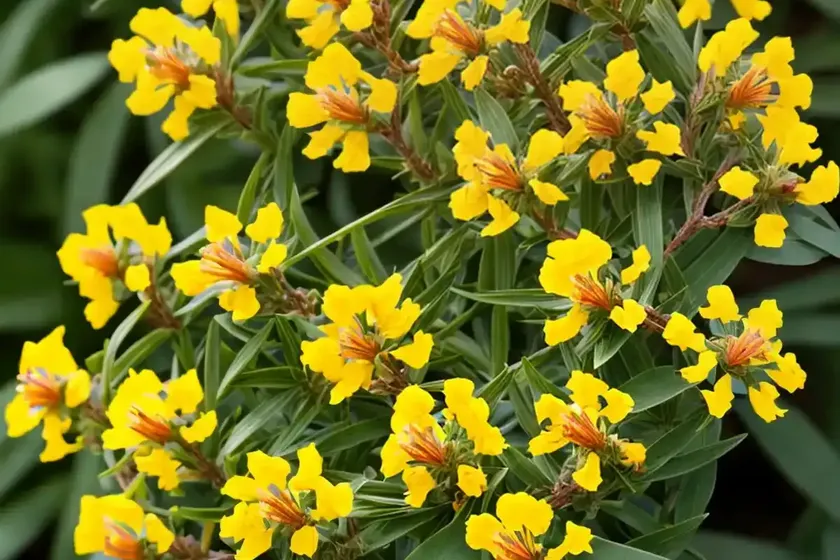
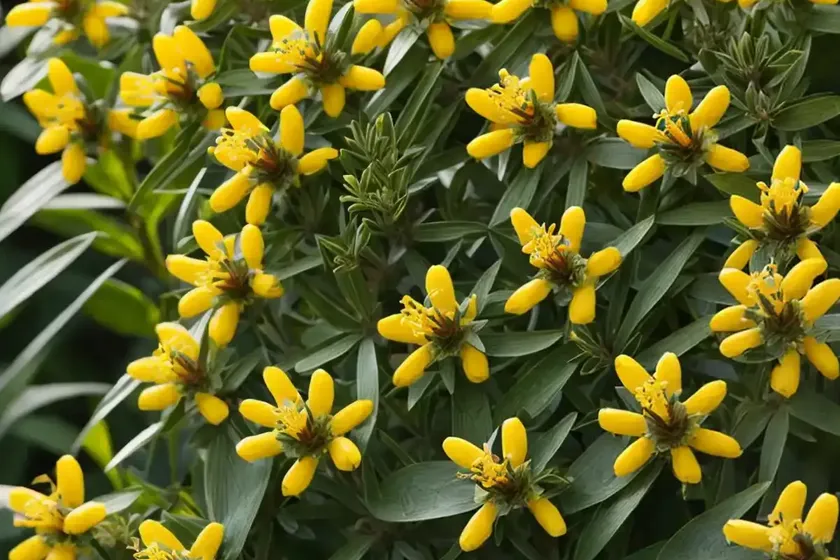
St. Andrew’s Cross, scientifically known as Hypericum Hypericoides, is a captivating and versatile plant that holds significant cultural, medicinal, and environmental relevance. This plant, part of the Hypericum genus, is renowned for its uniquely shaped flowers, medicinal properties, and ecological importance. In this extensive guide, we will explore the diverse facets of St. Andrew’s Cross, ranging from its cultural uses to its growth requirements, common diseases, and propagation methods. Whether you are an avid gardener, a nature enthusiast, or a botany scholar, this comprehensive resource will enrich your understanding of this remarkable plant.
-
What is St. Andrew’s Cross (Hypericum Hypericoides)?
St. Andrew’s Cross, also referred to as Hypericum Hypericoides, is a herbaceous perennial plant native to North America. It is a member of the Hypericum genus, which encompasses over 400 species distributed across temperate and subtropical regions globally. St. Andrew’s Cross stands out for its distinctive, visibly crossed leaves and bright yellow flowers. This plant’s botanical name “Hypericum” is derived from the Greek words “hyper” (above) and “eikon” (picture), emphasizing its traditional use of hanging over religious pictures.
St. Andrew’s Cross is a significant component of the natural landscape, often found in woodland edges, fields, and meadows. Beyond its alluring appearance, St. Andrew’s Cross has been historically valued for its medicinal properties, particularly in traditional herbal medicine. As a landscaping plant, it embellishes gardens with its ornamental flowers and contributes to wildlife habitats, attracting pollinators and supporting biodiversity.
In the following sections, we will delve into the various aspects of St. Andrew’s Cross, from its culture and uses to its botanical requirements, propagation methods, and ecological significance.
-
Key Takeaways – St. Andrew’s Cross (Hypericum Hypericoides)
Before delving into the intricate details of St. Andrew’s Cross, let’s take a quick look at the key takeaways of this plant. This section will provide a succinct overview of the essential aspects of St. Andrew’s Cross, offering a foundational understanding before we embark on an in-depth exploration.
- Scientific Name: Hypericum Hypericoides
- Common Names: St. Andrew’s Cross, St. Andrew’s herb, Hypericoides flower
- Plant Type: Herbaceous perennial
- Flower Color: Bright yellow
- Natural Habitat: Woodland edges, fields, meadows
- Uses: Cultural, medicinal, landscaping
- Growth Requirements: Water, sunlight, soil, fertilizer
- Propagation: Seeds, cuttings
- Ecological Importance: Wildlife attraction, biodiversity support
With a foundational understanding of the key aspects of St. Andrew’s Cross, let’s proceed to unravel the intricate details of this captivating plant.
-
Culture
Understanding the cultural significance and uses of St. Andrew’s Cross is pivotal in appreciating the diverse ways in which this plant has intertwined with human traditions and practices. From its historical symbolism to its contemporary applications, St. Andrew’s Cross carries a rich cultural heritage.
Historical and Symbolic Significance
St. Andrew’s Cross has historical and symbolic significance in various cultures and traditions. The name “St. Andrew’s Cross” is derived from a legend about the Christian apostle Saint Andrew, who was martyred on an X-shaped cross, which later became known as the St. Andrew’s Cross. This cross is depicted on the national flags of Scotland and Barbados, signifying its enduring cultural and symbolic importance.
Medicinal Uses
St. Andrew’s Cross has been utilized for centuries in traditional medicine for its perceived therapeutic properties. It was historically employed in herbal remedies as an astringent, to treat wounds, and as a neuralgic. Additionally, it was used for its purported antispasmodic and diuretic properties. However, it is essential to consult with healthcare professionals before using any plant-derived remedies to ensure safety and efficacy.
Landscaping and Ornamental Uses
In contemporary landscaping, St. Andrew’s Cross is valued for its ornamental qualities. Its bright yellow flowers and distinctive foliage make it an attractive addition to gardens, bringing vibrant colors and visual interest. The plant is often incorporated into wildflower gardens, naturalistic landscapes, and woodland-themed settings, adding a touch of natural beauty to outdoor spaces.
-
Uses
The versatile St. Andrew’s Cross possesses various uses that extend beyond its mere aesthetic appeal. Understanding its multifaceted applications provides a comprehensive insight into the plant’s significance and benefits.
Cultural Uses
St. Andrew’s Cross holds cultural significance as a symbol, particularly in the context of the Christian faith due to its association with Saint Andrew. It is also integrated into various cultural and religious practices, where its distinctive cross-shaped leaves and cheerful yellow flowers may hold symbolic importance.
Medicinal Uses
Historically, St. Andrew’s Cross has been used in traditional medicine for a range of therapeutic purposes, including wound treatment, astringent applications, and as a neuralgic. While its medicinal uses are not as prevalent in modern times, the plant’s potential health benefits have been a subject of interest for herbalists and natural health practitioners.
Landscaping and Decorative Purposes
St. Andrew’s Cross is widely utilized in landscaping and horticulture for its ornamental value. It is prized for its golden-yellow blooms and attractive foliage, adding visual appeal to gardens, naturalistic landscapes, and wildflower meadows. The plant’s adaptability to diverse environmental settings further enhances its value as a decorative element in outdoor spaces.
-
Water
The water requirements of St. Andrew’s Cross are fundamental to ensuring its vitality and optimal growth. Understanding the plant’s water needs is essential for maintaining its health and vigor in diverse environmental conditions.
Water Needs
St. Andrew’s Cross thrives in well-drained soil and generally prefers moderate moisture levels. While it can tolerate short periods of dryness, consistent watering is crucial, particularly during the plant’s establishment phase and in hot, dry climates. Adequate moisture contributes to robust growth and supports the development of vibrant blooms.
Irrigation Practices
When cultivating St. Andrew’s Cross, it is advisable to water the plant deeply but infrequently, allowing the soil to dry out slightly between watering sessions. This approach encourages the development of a robust root system while preventing waterlogged conditions that may lead to root rot. Additionally, mulching the soil around the plant aids in moisture retention, reducing the frequency of irrigation.
Environmental Considerations
The plant’s water requirements may vary based on environmental factors such as temperature, humidity, and soil composition. During periods of high temperatures or prolonged dry spells, diligent monitoring of soil moisture is crucial to prevent drought stress. By adjusting the watering frequency based on climatic conditions, the water needs of St. Andrew’s Cross can be effectively managed to promote its overall well-being.
-
Sunlight
Adequate sunlight is vital for the growth and development of St. Andrew’s Cross, influencing the plant’s flowering capacity, foliage quality, and overall vigor. Understanding its sunlight preferences is essential for strategically positioning the plant in outdoor settings and ensuring its thriving condition.
Light Requirements
St. Andrew’s Cross thrives in partial to full sunlight, requiring at least 6 hours of direct sunlight daily for optimal growth. While it can tolerate partial shade, insufficient sunlight may result in reduced flowering and diminished foliage density. Ample exposure to sunlight stimulates robust photosynthesis, essential for the plant’s energy production and nutrient utilization.
Sun Exposure Management
When selecting a planting site for St. Andrew’s Cross, it is advisable to choose locations with adequate sunlight exposure, particularly in regions characterized by partial to full sun conditions. Observing the plant’s response to sunlight and adjusting its positioning as needed contributes to maximizing its photosynthetic efficiency and promoting healthy growth.
Shade Considerations
While the plant prefers sunlight, it can adapt to partial shade, making it a versatile landscaping choice. However, in shaded environments, vigilant monitoring of the plant’s growth and flowering patterns is essential to assess its response to light conditions. Additionally, periodic pruning or thinning of surrounding vegetation can enhance sunlight penetration, benefiting the overall health of St. Andrew’s Cross.
-
Fertilizer
Employing an appropriate fertilization strategy is crucial for nurturing the growth and development of St. Andrew’s Cross, facilitating robust foliage production and prolific flowering. Understanding the plant’s fertilizer requirements is essential for promoting its overall vigor and ornamental appeal.
Nutrient Needs
St. Andrew’s Cross benefits from a balanced fertilizer regimen, incorporating essential nutrients such as nitrogen, phosphorus, and potassium, along with micronutrients. While the plant can thrive in moderately fertile soils, the application of a well-balanced, slow-release fertilizer supports steady growth and enhances flower production.
Fertilization Schedule
When fertilizing St. Andrew’s Cross, it is advisable to apply a controlled-release fertilizer in early spring, coinciding with the plant’s active growth phase. Subsequent applications can be administered according to the specific fertilizer’s instructions, adjusting the frequency based on the plant’s response and the soil’s nutrient content. Avoid overfertilization, as excessive nutrients can lead to imbalanced growth and reduced flowering.
Organic Alternatives
Organic fertilizers, such as compost and well-decomposed manure, can also be utilized to augment the soil’s nutrient content and microbial activity. Incorporating organic matter into the planting site enriches the soil, fostering a fertile growing environment for St. Andrew’s Cross. Additionally, organic fertilizers contribute to long-term soil health and sustainability.
-
Soil
The soil requirements of St. Andrew’s Cross are pivotal in establishing an optimal growing environment that supports the plant’s vitality and longevity. Understanding the plant’s soil preferences facilitates informed decision-making when selecting planting sites and addresses its specific needs for nutrient uptake and root development.
Soil Type
St. Andrew’s Cross thrives in well-drained, loamy soils that offer a balance of moisture retention and permeability. The plant is adaptable to various soil textures, including sandy loam, loam, and silt loam, provided that adequate drainage is maintained. Avoid waterlogged or excessively compacted soils, as they can impede root respiration and lead to fungal issues.
Soil pH
The plant prefers slightly acidic to neutral soil pH, ranging between 6.0 and 7.0, which supports optimal nutrient availability and root function. Conducting a soil pH test before planting St. Andrew’s Cross enables the modification of soil acidity levels, if necessary, to create an ideal growing substrate for the plant.
Soil Amendment
Incorporating organic matter, such as compost or peat moss, into the soil augments its structure and fertility, enhancing moisture retention and nutrient retention capacities. Amending the soil with organic materials contributes to the sustainable cultivation of St. Andrew’s Cross, fostering a nourishing growing medium that promotes robust growth and flowering.
-
Pruning
Pruning is an essential horticultural practice that influences the aesthetic appeal, health, and longevity of St. Andrew’s Cross. By understanding the principles of plant pruning and its application to St. Andrew’s Cross, gardeners can optimize the plant’s form, flowering potential, and overall vigor.
Pruning Objectives
The primary objectives of pruning St. Andrew’s Cross include maintaining a desirable shape, promoting flower production, and removing damaged or diseased growth. Pruning also alleviates overcrowding, enhances air circulation, and stimulates new growth, allowing for the rejuvenation of the plant over successive growing seasons.
Pruning Techniques
When undertaking pruning activities, it is essential to employ sharp, sterilized pruning tools to achieve clean cuts and minimize the risk of introducing diseases. Removing spent blooms, leggy stems, and excessive growth can encourage the development of compact, bushy foliage and stimulate the plant to produce abundant flowers.
Pruning Timing
Pruning St. Andrew’s Cross is typically performed in late winter to early spring, before the onset of new growth. This timing allows for the removal of winter-damaged or dead foliage and prepares the plant for vigorous growth during the upcoming growing season. Additionally, periodic deadheading of spent flowers can prolong blooming and maintain the plant’s visual appeal.
-
Propagation
Understanding the propagation methods of St. Andrew’s Cross is instrumental in expanding its presence in gardens, conservatories, and natural landscapes. By exploring the diverse techniques for propagating this plant, enthusiasts and horticulturists can perpetuate its genetic diversity and ornamental value.
Seed Propagation
St. Andrew’s Cross can be propagated from seeds, which are sown in well-prepared seedbeds or containers filled with a sterile, well-draining growing medium. Sowing the seeds at the appropriate depth and maintaining consistent moisture levels fosters successful germination. After the seedlings have developed several sets of true leaves, they can be transplanted into individual pots or outdoor planting sites.
Cutting Propagation
Stem cuttings provide a reliable method for propagating St. Andrew’s Cross, enabling the generation of genetically identical plant clones. By taking semi-hardwood cuttings from healthy, disease-free parent plants and employing effective rooting hormone treatments, root establishment can be facilitated. Once rooted, the cuttings can be transplanted into separate containers or directly into the garden soil.
Division Propagation
Dividing mature clumps of St. Andrew’s Cross presents a straightforward approach to propagate the plant, particularly during its dormant phase. Carefully separating the root mass into individual sections with viable roots and shoots allows for the expansion of plant populations and the establishment of new growing sites.
-
Container Popularity
St. Andrew’s Cross holds significant popularity as a container plant, offering versatility and decorative appeal for indoor and outdoor settings. Understanding the plant’s suitability for container cultivation enhances its accessibility to gardening enthusiasts, urban dwellers, and individuals with limited garden space.
Indoor Containers
Cultivating St. Andrew’s Cross indoors in containers provides an opportunity to enjoy the plant’s aesthetics and potential health benefits within home environments. Selecting appropriately sized containers with adequate drainage, well-draining potting mix, and suitable light conditions promotes the plant’s well-being and decorative value as an indoor ornamental.
Outdoor Containers
When employed as an outdoor container plant, St. Andrew’s Cross enlivens patios, balconies, and garden spaces with its vibrant blooms and distinct foliage. Utilizing varied container styles, such as terracotta pots, decorative planters, and hanging baskets, allows for creative display options and the integration of St. Andrew’s Cross into diverse outdoor design schemes.
Compact Growth Habit
The plant’s compact growth habit and suitability for container cultivation make it an appealing choice for small-space gardening and urban greening initiatives. Its adaptability to containerized environments broadens the accessibility of St. Andrew’s Cross, enabling its incorporation into an array of indoor and outdoor design scenarios.
-
Common Diseases
The management of common diseases affecting St. Andrew’s Cross is essential for preserving the plant’s health and decorative appeal. By identifying and addressing prevalent diseases, gardeners can implement proactive measures to mitigate their impact and facilitate the sustained well-being of the plant.
Anthracnose
Anthracnose, caused by various fungal pathogens, may manifest as dark, sunken lesions on the foliage of St. Andrew’s Cross. To mitigate anthracnose, it is crucial to promote adequate air circulation around the plant, avoid overhead irrigation, and promptly remove and dispose of infected plant material to prevent the spread of the disease.
Powdery Mildew
Powdery mildew, characterized by a white, powdery growth on the plant’s leaves and stems, can compromise the aesthetic quality of St. Andrew’s Cross. Employing cultural practices such as spacing the plants to optimize airflow and applying fungicidal treatments can aid in managing and preventing powdery mildew.
Root Rots
Excessive soil moisture and poor drainage can predispose St. Andrew’s Cross to various root rot pathogens, leading to wilting, stunted growth, and foliage discoloration. Implementing proper watering practices, ensuring well-drained soil, and minimizing overwatering are critical measures for preventing root rots and preserving the plant’s root health.
-
Disease Diagnosis
Accurately diagnosing diseases afflicting St. Andrew’s Cross is paramount for implementing targeted management strategies and safeguarding the plant’s overall health. By evaluating the visible symptoms and utilizing diagnostic resources, gardeners can efficiently identify and address diseases that may compromise the plant’s vitality.
Symptom Assessment
When observing potential disease symptoms on St. Andrew’s Cross, it is essential to note the specific characteristics of the abnormalities, including leaf discoloration, lesions, or abnormal growth patterns. Assessing the distribution and progression of the symptoms aids in formulating an accurate diagnosis of the underlying disease.
Laboratory Analysis
In instances where disease symptoms are ambiguous or atypical, obtaining laboratory analyses, such as fungal cultures or molecular tests, can aid in identifying the causative pathogens and guiding targeted disease management approaches. Collaborating with diagnostic laboratories and botanical experts facilitates precise disease diagnosis and informed remedial actions.
Integrated Observations
Integrated observations, such as environmental conditions, plant history, and coexisting symptoms, provide valuable context for disease diagnosis. Considering the plant’s growth trajectory, recent changes in cultivation practices, and prevalent environmental stressors enhances the accuracy of disease diagnosis and enables tailored intervention strategies.
-
Common Pests
St. Andrew’s Cross may encounter various pests that can compromise its growth and visual appeal. Understanding the specific pests affecting the plant and implementing proactive pest management measures are pivotal for preserving its overall health and ornamental value.
Aphids
Aphids are common pests that may infest St. Andrew’s Cross, feeding on the plant’s sap and causing distorted growth and the development of sticky honeydew. Employing natural enemies, such as predatory insects, and utilizing insecticidal soaps or horticultural oils can effectively manage aphid populations and prevent substantial damage to the plant.
Spider Mites
Spider mites, characterized by their webbing and stippled foliage, can pose a threat to St. Andrew’s Cross, particularly in dry and warm conditions. Mitigating spider mite infestations involves maintaining adequate humidity levels, regular foliage misting, and applying targeted acaricidal treatments to deter their proliferation.
Caterpillars
Caterpillars, including those of moth species, can feed on the foliage of St. Andrew’s Cross, resulting in visible grazing damage and defoliation. Monitoring the plant for early signs of caterpillar infestation and employing physical removal or biological control agents can effectively manage caterpillar populations and protect the plant’s foliage.
-
Botanist’s Tips
Botanist’s tips offer expert insights and practical recommendations for cultivating, conserving, and appreciating St. Andrew’s Cross. By integrating professional advice and scientific perspectives, gardeners and enthusiasts can enhance their understanding and stewardship of this remarkable plant.
Selective Pruning
When pruning St. Andrew’s Cross, employ selective pruning techniques to maintain the distinctive form and visual appeal of the plant. Targeting the removal of dead


