Dragon Scale Fern (Pyrrosia Piloselloides)
Plants have been an integral part of human life since ancient times, providing not only aesthetic pleasure but also contributing to the maintenance of.
Plants have been an integral part of human life since ancient times, providing not only aesthetic pleasure but also contributing to the maintenance of ecological balance. One fascinating plant that has gained popularity among plant enthusiasts is the Dragon Scale Fern, scientifically known as Pyrrosia Piloselloides. This unique fern possesses distinctive characteristics and offers several benefits, making it a valuable addition to any indoor or outdoor plant collection.
In this comprehensive guide, we will delve into the world of the Dragon Scale Fern, exploring its origins, cultural requirements, uses, maintenance tips, and more. Whether you are new to plant care or an experienced gardener seeking in-depth knowledge, this guide aims to provide valuable insights into the enchanting realm of Pyrrosia Piloselloides.
What is Dragon Scale Fern (Pyrrosia Piloselloides)?
The Dragon Scale Fern, Pyrrosia Piloselloides, is a striking species of fern known for its unique texture and appearance. This epiphytic fern is native to Southeast Asia, including countries such as Thailand, Indonesia, and Malaysia. It is a member of the Polypodiaceae family, which includes a diverse range of fern species.
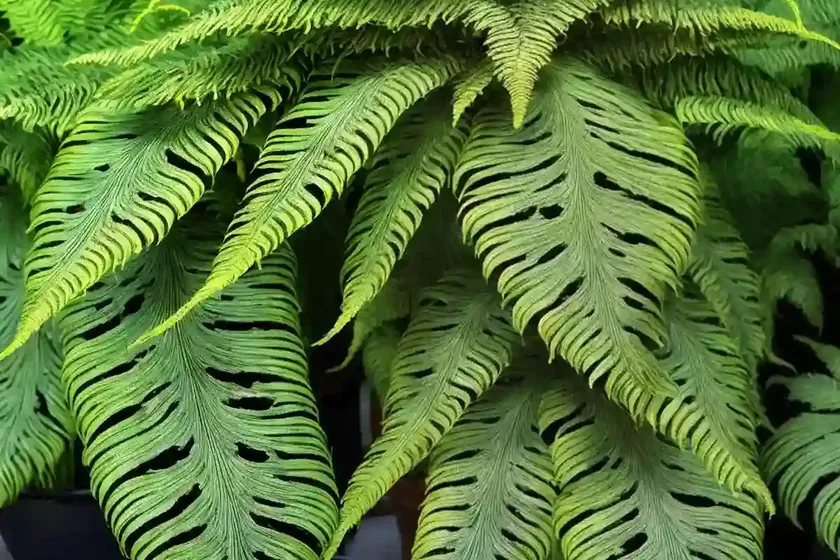
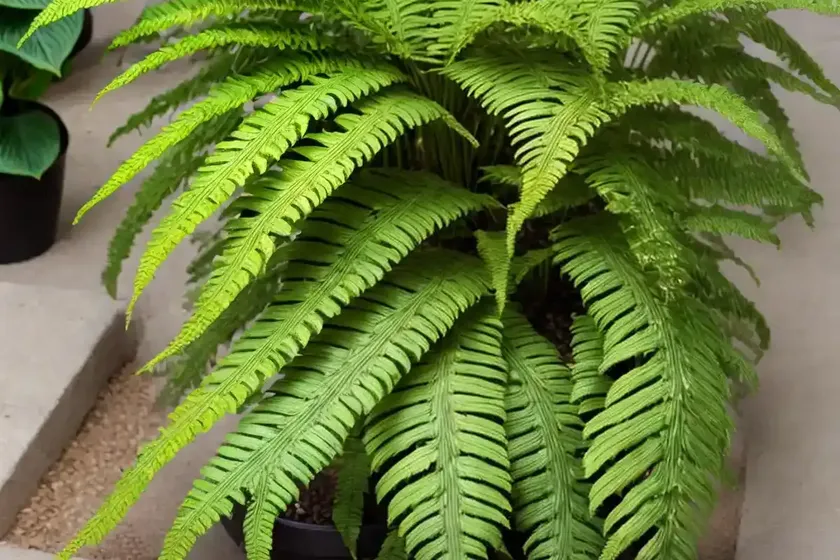
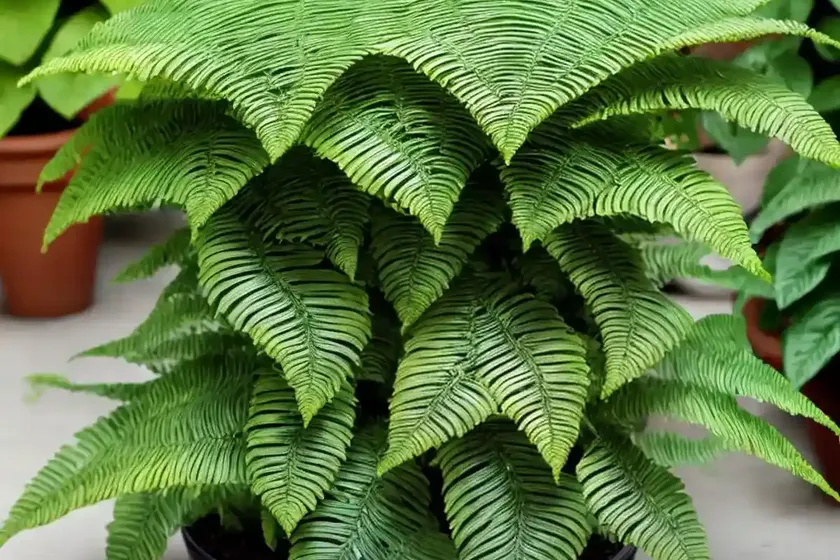
This fern’s common name, “Dragon Scale,” is derived from the resemblance of its foliage to the overlapping scales of a mythical dragon. Its fronds exhibit a fascinating pattern of tessellated scales, creating a visually captivating display that sets it apart from other fern varieties.
In its natural habitat, the Dragon Scale Fern is often found growing on trees, rocks, and cliffs, displaying its adaptability to diverse environments. The distinct morphology and adaptability of Pyrrosia Piloselloides make it a sought-after choice for both indoor and outdoor plant enthusiasts.
Key Takeaways – Dragon Scale Fern (Pyrrosia Piloselloides)
Before delving into the specifics of caring for the Dragon Scale Fern, let’s outline the key takeaways of this remarkable plant. From cultural considerations to maintenance guidelines, understanding these essential points will set the foundation for successful Pyrrosia Piloselloides cultivation.
Cultural Considerations:
- Origin: Southeast Asia, including Thailand, Indonesia, and Malaysia.
- Family: Polypodiaceae
- Characteristics: Epiphytic fern with visually striking tessellated scales on fronds.
Uses:
- Ornamental: Valued for its unique texture and visual appeal.
- Air Purification: Possesses air-purifying qualities, contributing to improved indoor air quality.
Cultural Requirements:
- Water: Moderate watering, allowing the soil to dry out slightly between waterings.
- Sunlight: Indirect or filtered light, avoiding prolonged exposure to direct sun.
- Fertilizer: Balanced, diluted fertilizer application during the growing season.
- Soil: Well-draining, moisture-retentive substrate, such as a peat-based mix or orchid potting mix.
- Pruning: Occasional removal of damaged fronds to maintain plant health and appearance.
Propagation:
- Spores: Propagation via spores, necessitating a controlled environment with appropriate humidity and temperature.
Container Popularity:
- Terrariums: Well-suited for terrarium environments due to its compact size and humidity preferences.
- Container Gardening: Adaptable to containers, making it an excellent choice for indoor and outdoor cultivation.
Common Diseases:
- Leaf Spot: Fungal disease manifesting as dark spots on the fronds.
- Root Rot: Resulting from overwatering or poor soil drainage, leading to root damage.
Common Pests:
- Scale Insects: Known to infest the fronds and stems, requiring diligent pest control measures.
- Mealybugs: Common pests that can affect the overall health of the plant if left unaddressed.
Botanist’s Tips:
- Humidity: Maintaining adequate humidity levels is crucial for the optimal growth of Pyrrosia Piloselloides.
- Environmental Mimicry: Replicating its natural habitat conditions can enhance its overall health and vigor.
Fun Facts:
- Medicinal Uses: In some cultures, extracts from Pyrrosia Piloselloides are used to treat various ailments.
- Cultural Significance: Regarded as a symbol of resilience and adaptability in certain folklore and traditions.
Links to External Resources:
- Royal Horticultural Society – Pyrrosia Piloselloides
- University of Florida IFAS Extension – Dragon Scale Fern
Now that we have outlined the central aspects of the Dragon Scale Fern, let’s delve into each of these components in further detail to gain a comprehensive understanding of Pyrrosia Piloselloides care and cultivation techniques.
Culture
Cultivating the Dragon Scale Fern involves understanding and accommodating its unique cultural requirements. As an epiphytic plant native to Southeast Asia, this fern thrives in environments that mimic its natural habitat, necessitating specific considerations for watering, sunlight, soil, and more.
Water
The watering regimen for Pyrrosia Piloselloides is a critical factor in maintaining its health and vitality. As an epiphytic species, it is important to strike a balance between providing adequate moisture and preventing waterlogged conditions, which can lead to root rot. Here are essential watering guidelines for the Dragon Scale Fern:
- Frequency: Water the plant when the top inch of the soil feels slightly dry to the touch.
- Water Quality: Use room temperature water to avoid shocking the plant with extreme temperature differentials.
- Drainage: Ensure that the container has drainage holes to prevent water accumulation, especially after watering.
- Avoid Overwatering: Refrain from overwatering, as this can lead to root rot and other moisture-related issues.
- Humidity: Maintain moderate to high humidity levels to support the fern’s moisture requirements.
Sunlight
Proper sunlight exposure is vital for the healthy growth of the Dragon Scale Fern. Due to its native habitat’s characteristics, Pyrrosia Piloselloides thrives in environments with filtered or indirect light, avoiding prolonged exposure to intense sunlight. Consider the following sunlight recommendations when caring for this fern:
- Indirect Light: Position the plant in a location with moderate to bright, indirect light. Direct exposure to sunlight may lead to leaf scorching and damage.
- Filtered Light: If natural light sources are limited, consider using sheer curtains or other means to filter direct sunlight while still providing adequate illumination.
- Artificial Lighting: In indoor settings, supplemental grow lights can be used to provide the necessary light intensity and spectrum for optimal growth.
- Avoid Drafts: Protect the fern from exposure to drafts and sudden temperature fluctuations, as it may adversely affect its overall health.
Fertilizer
While the Dragon Scale Fern is relatively low-maintenance, it benefits from occasional fertilization to support its growth and overall vigor. Selecting an appropriate fertilizer and adhering to specific application guidelines will help ensure the plant’s nutritional needs are met. Consider the following fertilizer recommendations for Pyrrosia Piloselloides:
- Balanced Fertilizer: Use a balanced, water-soluble fertilizer with a dilution of half strength during the plant’s active growing season.
- Frequency: Apply fertilizer every 4-6 weeks during the spring and summer months, reducing frequency during fall and winter.
- Avoid Overfertilization: Refrain from overfertilizing, as this can lead to fertilizer burn and adversely impact the fern’s health.
- Flush the Soil: Periodically flush the soil with plain water to remove excess salts and prevent fertilizer buildup.
Soil
Providing the Dragon Scale Fern with an appropriate growing medium is crucial for its overall health and well-being. Due to its epiphytic nature, a well-draining, moisture-retentive substrate is essential to prevent waterlogging and root-related issues. Consider the following soil recommendations for cultivating Pyrrosia Piloselloides:
- Well-Draining Mix: Use a well-draining soil mix that retains moisture, such as a peat-based mix or an orchid potting mix.
- Aeration: Incorporate materials such as perlite or coarse sand to enhance soil aeration and drainage.
- Moisture Retention: Ensure that the soil maintains adequate moisture without becoming waterlogged, striking a balance between water retention and drainage.
Pruning
Periodic pruning is an essential aspect of Dragon Scale Fern maintenance, contributing to the plant’s overall appearance and health. Removing dead or damaged fronds and maintaining a tidy growth habit can help ensure the fern remains healthy and visually appealing. Consider the following pruning techniques for Pyrrosia Piloselloides:
- Sanitize Tools: Use clean, sharp pruning shears or scissors to prevent the spread of disease or injury to the plant.
- Remove Dead Fronds: Trim away any dead or discolored fronds to maintain a neat and tidy appearance and promote new growth.
- Damaged Fronds: If any fronds show signs of damage or disease, promptly remove them to prevent further spread and maintain plant health.
- Pruning Frequency: As needed, inspect the fern for any damaged or unsightly fronds and prune accordingly.
Propagation
Propagating the Dragon Scale Fern can be a rewarding endeavor for plant enthusiasts seeking to expand their collection or share the beauty of Pyrrosia Piloselloides with others. While propagation methods may require a degree of patience and attention to detail, successful reproduction can be achieved through spore propagation. Consider the following guidelines for propagating the Dragon Scale Fern:
- Spore Propagation: Collect mature fronds with sporangia (spore clusters) and place them in a controlled environment with appropriate humidity and temperature for spore release.
- Humidity and Temperature: Maintain high humidity levels (above 70%) and consistent temperatures around 70-75°F (21-24°C) to encourage spore germination and subsequent growth.
- Sterile Environment: Ensure a clean, sterile environment for spore propagation to minimize the risk of contamination and increase the likelihood of successful germination.
- Expectations: Spore propagation may take several months before visible signs of new growth appear, requiring patience and diligent monitoring of environmental conditions.
Container Popularity
The Dragon Scale Fern’s adaptability to container environments makes it a versatile and attractive option for indoor and outdoor cultivation. From terrariums to container gardens, this fascinating fern thrives in various container settings and adds a touch of natural elegance to any space.
Terrariums
Terrariums provide an ideal microclimate for the Dragon Scale Fern, allowing for controlled humidity levels and environmental conditions conducive to its growth. When selecting and setting up a terrarium for Pyrrosia Piloselloides, consider the following key points:
- Size and Scale: Choose a terrarium of appropriate size to accommodate the mature dimensions of the fern while allowing space for growth and expansion.
- Humidity Control: Ensure the terrarium maintains high humidity levels to support the fern’s moisture requirements, especially in drier indoor environments.
- Substrate Selection: Use a well-draining, moisture-retentive substrate in the terrarium, such as a peat-based or orchid potting mix, to create an optimal growing environment.
Container Gardening
In addition to terrariums, the Dragon Scale Fern thrives in traditional container gardening settings, whether indoors or outdoors. Its compact size and adaptability to container environments make it an attractive choice for plant enthusiasts seeking to incorporate greenery into their living spaces. When considering container gardening with Pyrrosia Piloselloides, keep the following factors in mind:
- Container Selection: Choose a container with adequate drainage holes and sufficient depth to accommodate the root system while allowing excess water to escape.
- Positioning: Select an appropriate location for the container, taking into account the plant’s light and humidity preferences to support healthy growth.
- Maintenance: Regularly monitor the moisture levels in the container and adjust watering frequency as needed to prevent waterlogging or drought stress.
Now that we have covered the various aspects of cultural considerations and container popularity for the Dragon Scale Fern, let’s explore its uses and potential benefits, along with essential tips for maintaining its health and vitality.
Uses
The Dragon Scale Fern offers a range of uses and benefits, from its ornamental value to its potential contributions to indoor air purification. Understanding these uses and the unique qualities of Pyrrosia Piloselloides can further enhance one’s appreciation for this captivating plant.
Ornamental Value
One of the primary uses of the Dragon Scale Fern is its ornamental value, adding unique texture and visual interest to indoor and outdoor spaces. Its tessellated fronds create an enchanting display, making it a sought-after choice for plant enthusiasts and collectors.
Air Purification
Like many fern species, the Dragon Scale Fern possesses air-purifying qualities, contributing to improved indoor air quality. Its presence can help reduce indoor pollutants and enhance the overall environmental health within enclosed spaces.
Botanist’s Tips
In addition to understanding the fundamental care and maintenance practices for the Dragon Scale Fern, incorporating botanist’s tips can further enrich the cultivation experience and promote the fern’s overall well-being. Consider the following expert tips for cultivating Pyrrosia Piloselloides:
- Humidity Management: Maintain moderate to high humidity levels, especially in indoor settings, to simulate its natural habitat conditions and support optimal growth.
- Environmental Mimicry: Replicate the fern’s native habitat conditions, including filtered light, adequate moisture, and controlled humidity, to create an ideal growing environment.
Common Diseases
While the Dragon Scale Fern is relatively resilient, it is not immune to certain diseases that can affect its overall health and appearance. Recognizing common diseases and understanding their diagnosis and management is crucial for maintaining the plant’s vitality. Here are some common diseases that may affect Pyrrosia Piloselloides:
Leaf Spot
Leaf spot is a fungal disease that can manifest as dark, water-soaked spots on the fronds. If left untreated, it can spread and lead to significant damage to the foliage.
- Diagnosis: Dark or discolored spots on the fronds, often accompanied by a decline in overall foliage health.
- Management: Improve air circulation around the plant, avoid overhead watering, and consider applying an appropriate fungicide if the disease persists.
Root Rot
Root rot is a common issue in plants that develop from overwatering or poor soil drainage, leading to the decay and damage of the plant’s root system.
- Diagnosis: Soft, mushy roots, yellowing or wilting foliage, and a noticeable decline in overall plant health.
- Management: Address the underlying cause of overwatering or poor drainage, and consider repotting the fern in a well-draining substrate to promote root recovery.
Common Pests
Pest infestations can pose a threat to the health and vigor of the Dragon Scale Fern, requiring prompt intervention and pest control measures to mitigate potential damage. Familiarizing oneself with common pests and effective control strategies is essential for preserving the plant’s well-being.
Scale Insects
Scale insects are known for infesting the fronds and stems of the Dragon Scale Fern, feeding on plant sap and potentially causing significant damage if left unaddressed.
- Identification: Small, immobile pests resembling scales on the fronds, often accompanied by sticky honeydew secretions.
- Control: Use a soft brush or cloth to physically remove the pests, and consider applying insecticidal soap or neem oil for persistent infestations.
Mealybugs
Mealybugs are another common pest that can affect the overall health of the Dragon Scale Fern, often congregating on the undersides of fronds and along stem joints.
- Signs of Infestation: White, cottony masses on the foliage, along with stunted growth and yellowing of affected areas.
- Management: Remove mealybugs by hand and consider applying insecticidal solutions to target and eliminate the pests.
Fun Facts
Exploring the fascinating world of the Dragon Scale Fern unveils a tapestry of intriguing facts and trivia, shedding light on its cultural significance, medicinal uses, and more. Delving into these fun facts can enrich one’s understanding of Pyrrosia Piloselloides and its unique attributes.
Medicinal Uses
In certain cultures, extracts derived from Pyrrosia Piloselloides are utilized for their purported medicinal properties, believed to address various ailments and health concerns.
Cultural Significance
In folklore and traditional beliefs, the Dragon Scale Fern may hold symbolic significance, often representing resilience, adaptability, and strength in certain cultural contexts.
Now that we have explored the cultural considerations, uses, maintenance tips, and fun facts of the Dragon Scale Fern, it is essential to provide additional resources and external links for readers seeking further information and guidance on caring for Pyrrosia Piloselloides. By directing readers to reputable sources and institutions, they can access valuable insights and expert knowledge to support their plant cultivation journey.
Links to External Resources
For additional information and in-depth guidance on the care and cultivation of the Dragon Scale Fern, consider exploring the following external resources:
- Royal Horticultural Society – Pyrrosia Piloselloides
- University of Florida IFAS Extension – Dragon Scale Fern
These resources offer valuable insights, expert recommendations, and comprehensive plant profiles to assist readers in their exploration of Pyrrosia Piloselloides and its cultivation requirements.
Conclusion
In conclusion, the Dragon Scale Fern (Pyrrosia Piloselloides) stands as an alluring symbol of natural beauty and wonder, captivating plant enthusiasts with its distinctive texture, resilience, and ornamental value. By understanding and embracing its cultural considerations, uses, maintenance guidelines, and fun facts, individuals can embark on a fulfilling journey of cultivating and caring for this captivating fern. Whether adorning terrariums, container gardens, or indoor spaces, the Dragon Scale Fern brings a touch of green elegance and air-purifying qualities to any setting, enriching the environment and inspiring a deeper connection with nature.
By integrating expert insights, essential care tips, and access to external resources, this guide strives to equip readers with the knowledge and confidence to embark on their Dragon Scale Fern cultivation journey successfully. With a blend of cultural significance, botanical expertise, and practical guidance, the enchanting world of Pyrrosia Piloselloides unfolds, inviting plant enthusiasts to embrace and celebrate the allure of this remarkable fern species.
As we partake in the journey of appreciating and cultivating the Dragon Scale Fern, let us honor its enduring symbolism of resilience and beauty, intertwining with our lives and nurturing our spirits through the captivating marvels of nature.
Happy Gardening!
Keywords: Pyrrosia Piloselloides Dragon Scale Fern, Dragon Scale Fern care tips, Pyrrosia Piloselloides plant guide, Growing Dragon Scale Fern indoors, Pyrrosia Piloselloides varieties, Dragon Scale Fern propagation methods, Pyrrosia Piloselloides care instructions, Dragon Scale Fern watering requirements, Pyrrosia Piloselloides sunlight needs, How to pot Dragon Scale Ferns, Pyrrosia Piloselloides soil preferences, Dragon Scale Fern pruning techniques, Pyrrosia Piloselloides pest control, Best fertilizers for Dragon Scale Ferns, Dragon Scale Fern potting options


