Spiraea X Cinerea ‘Grefsheim’ (Garland Spirea)
Spiraea x cinerea ‘Grefsheim’, commonly known as Garland Spirea, is a delightful flowering shrub that belongs to the Rosaceae family. This compact and.
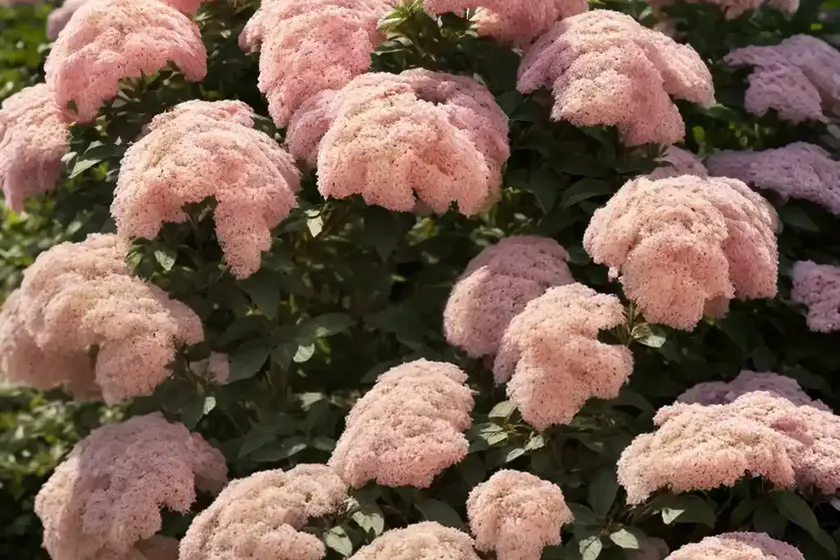
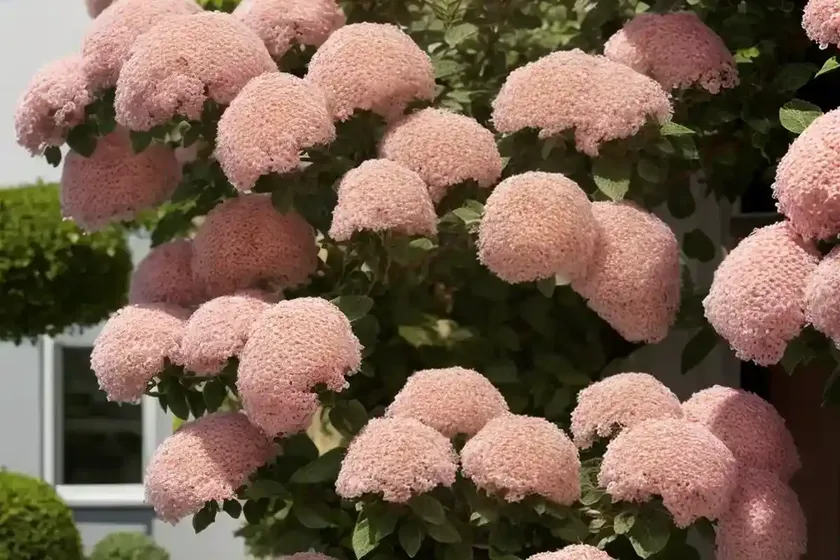
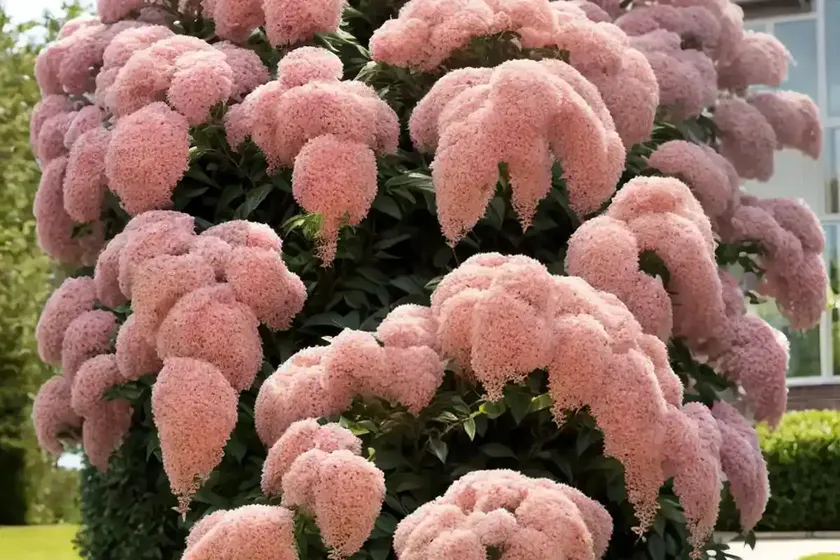
Spiraea x cinerea ‘Grefsheim’, commonly known as Garland Spirea, is a delightful flowering shrub that belongs to the Rosaceae family. This compact and mounding shrub is cherished for its beautiful white flowers and attractive foliage. In this comprehensive guide, we will delve into the cultural requirements, uses, propagation methods, common diseases, and many more aspects of Spiraea x cinerea ‘Grefsheim’.
What is Spiraea x cinerea ‘Grefsheim’ (Garland Spirea)?
Spiraea x cinerea ‘Grefsheim’ is a deciduous flowering shrub that is a hybrid of two other spirea species – Spiraea douglasii (Western spirea) and Spiraea x cinerea. This delightful plant is native to Europe and is widely cultivated as an ornamental plant in gardens and landscapes. ‘Grefsheim’ is appreciated for its compact and mounding habit, making it an excellent choice for small gardens, mixed borders, and container gardening.
This plant is popular for its reliable, showy flowers, which emerge in the spring, adding a burst of beauty to any landscape. The leaves of ‘Grefsheim’ are also appealing, with an attractive green color that persists throughout the growing season. Its versatility and low maintenance requirements make it a favorite among gardeners and landscaping professionals.
Key Takeaways – Spiraea x cinerea ‘Grefsheim’ (Garland Spirea)
Before diving into the specifics of caring for Spiraea x cinerea ‘Grefsheim’, let’s highlight the key takeaways that encapsulate the plant’s characteristics and uses.
Culture
- Plant Type: Deciduous flowering shrub
- Mature Height: 2-3 feet
- Mature Spread: 3-4 feet
- Growth Rate: Fast
- Bloom Time: Spring
- Bloom Color: White
- Foliage: Green, attractive throughout the growing season
- Hardiness Zone: 3-8
Uses
- Landscaping: Borders, mixed borders, cottage gardens, small gardens, erosion control
- Containers: Suitable for container gardening
- Wildlife: Attracts pollinators such as bees and butterflies
- Fragrance: Mildly fragrant flowers
- Foliage: Provides an attractive backdrop for other flowering plants
Water
- Watering Needs: Regular watering, especially during the first growing season
- Drought Tolerance: Moderate
Sunlight
- Sun Exposure: Full sun to partial shade
- Preferred Light: Thrives in full sun but tolerates partial shade
Fertilizer
- Fertilization: Benefits from an annual application of balanced fertilizer in spring
- Soil Enrichment: Mulching with organic matter can enhance soil fertility and moisture retention
Soil
- Soil Type: Well-draining, fertile soil
- pH Range: Slightly acidic to neutral (pH 6.0-7.0)
- Soil Moisture: Moderate moisture
Pruning
- Pruning Time: Immediately after flowering
- Pruning Technique: Trim back spent flower clusters and shape the shrub if necessary
Propagation
- Propagation Methods: Softwood cuttings, division
- Optimal Time for Propagation: Early summer for softwood cuttings
Container Popularity
- Suitability for Containers: Ideal for container gardening
- Space-Saving: Compact habit makes it perfect for small spaces
Common Diseases
- Disease Resistance: Generally resistant to diseases
- Potential Risks: Susceptible to root rot in poorly-drained soils
Disease Diagnosis
- Symptoms of Root Rot: Yellowing or browning of leaves, wilting despite adequate moisture, root discoloration
Common Pests
- Pest Resilience: Generally resistant to pests
- Vulnerability: Aphids and spider mites in stressed conditions
Botanist’s Tips
- Companion Planting: Pair with other early-flowering shrubs for a vibrant spring display
- Adaptability: Well-suited to a variety of garden styles, from formal to naturalistic
Fun Facts
- Butterfly Gardens: Attracts butterflies with its nectar-rich flowers
- Hardiness: Withstands cold winters and harsh growing conditions
Links to External Resources
For further information on Spiraea x cinerea ‘Grefsheim’ and related gardening topics, consider exploring the following resources:
Now that we have outlined the essential attributes and uses of Spiraea x cinerea ‘Grefsheim’, let’s delve into the details of its cultural requirements and care.
Culture of Spiraea x cinerea ‘Grefsheim’ (Garland Spirea)
Water
Proper watering is crucial for the establishment and ongoing health of Spiraea x cinerea ‘Grefsheim’. Adequate moisture is particularly important during the first growing season to encourage robust root development. While ‘Grefsheim’ showcases moderate tolerance to drought once established, it should not be left to wilt in prolonged dry spells.
- Watering Schedule:
- Keep the soil consistently moist but not waterlogged during the first year.
-
Established plants usually require watering during extended dry periods.
-
Watering Technique:
- Water at the base of the plant to minimize wetting the foliage.
-
Use a soaker hose or drip irrigation system for efficient watering.
-
Moisture Monitoring:
- Monitor the soil moisture by checking the top few inches of soil regularly.
- Adjust the watering frequency based on weather conditions and soil moisture levels.
Sunlight
Spiraea x cinerea ‘Grefsheim’ flourishes in full sun to partial shade. However, it achieves optimal flowering and foliage density when grown in a location with abundant sunlight. In regions with intense summer heat, providing some afternoon shade can help prevent leaf scorch and maintain the plant’s vigor.
- Sun Exposure:
- Maximum bloom production and dense foliage are achieved in full sun conditions.
-
Tolerates partial shade, especially in hot climates or during hot summer afternoons.
-
Sunlight Duration:
- Aim for at least 6 hours of direct sunlight for robust growth and prolific flowering.
- Extended periods of shade can lead to reduced flowering and less compact growth.
Fertilizer
Fertilizing ‘Grefsheim’ spirea is an essential aspect of its care, contributing to healthy growth and abundant blooms. Choosing a balanced, slow-release fertilizer specifically formulated for flowering shrubs can provide the necessary nutrients for sustained vigor and prolific flowering.
- Fertilizer Type:
- Select a balanced, granular fertilizer with an NPK ratio of 10-10-10 or similar.
-
Alternatively, utilize a specialized shrub and tree fertilizer to cater to specific nutrient requirements.
-
Fertilizer Schedule:
- Apply the fertilizer in early spring, just as new growth begins to emerge.
-
Avoid fertilizing late in the growing season to prevent stimulating new growth that may be vulnerable to frost damage.
-
Application Method:
- Scatter the fertilizer evenly around the base of the plant according to the manufacturer’s recommendations.
- Follow up with thorough watering to ensure the nutrients reach the root zone.
Soil
Spiraea x cinerea ‘Grefsheim’ thrives in well-draining, fertile soil that provides a conducive environment for strong root development and nutrient uptake. The soil’s texture and composition directly influence the plant’s ability to access essential elements and withstand environmental stressors.
- Soil Composition:
- Preferably loamy soil with good water retention and drainage capabilities.
-
Incorporate organic matter such as compost or well-rotted manure to improve soil structure and fertility.
-
Soil pH:
- The optimal pH range for ‘Grefsheim’ spirea is slightly acidic to neutral, approximately 6.0-7.0.
-
Conduct a soil test to determine the pH level and make adjustments if necessary using lime or sulfur.
-
Soil Moisture:
- Maintain moderate soil moisture to support consistent growth and flowering.
- Avoid waterlogged conditions, as they can lead to root suffocation and disease susceptibility.
Pruning Spiraea x cinerea ‘Grefsheim’ (Garland Spirea)
Proper pruning is essential to maintain the shape, size, and blooming potential of Spiraea x cinerea ‘Grefsheim’. By understanding the optimal timing and technique for pruning, gardeners can promote a robust and visually appealing shrub that enhances the overall landscape.
Pruning Time
The ideal time for pruning ‘Grefsheim’ spirea is immediately after the spring bloom cycle concludes. This timing allows the plant to set floral buds for the following year while ensuring that the pruning process does not interfere with the current year’s flowering.
- Post-Bloom Pruning:
- Schedule pruning for late spring to early summer, typically around late May to early June.
-
Avoid delaying the pruning process, as it can impact the subsequent year’s bloom production.
-
Avoid Fall Pruning:
- Refrain from significant pruning in the fall, as it can remove the potential blooms for the following spring.
- Minor deadheading and light shaping can be performed in the fall if necessary.
Pruning Technique
When approaching the pruning of Spiraea x cinerea ‘Grefsheim’, it is essential to utilize proper techniques to encourage healthy growth and maintain the plant’s natural form. Pruning should focus on the removal of spent flowers, the shaping of the plant, and the removal of damaged or crossing branches.
- Techniques for Pruning:
- Remove faded flower clusters by cutting just below the spent blooms to encourage additional flowering.
-
Trim back any overly long or straggly branches to maintain a compact and tidy appearance.
-
Shaping the Shrub:
- Consider the ultimate size and shape desired for ‘Grefsheim’ when determining the extent of pruning.
- Aim to accentuate the natural form of the plant while enhancing its overall appearance.
Maintenance Pruning
In addition to the post-bloom pruning, occasional maintenance pruning may be necessary to address wayward growth or encourage denser foliage. Regular monitoring of the plant’s growth and form allows for targeted pruning that contributes to a healthy and visually appealing shrub.
- Pruning Frequency:
- Monitor the growth throughout the growing season, addressing any wayward or overcrowded branches promptly.
-
Light pruning during the growing season can redirect the plant’s energy and improve its overall appearance.
-
Thinning Technique:
- Remove a portion of the oldest stems at ground level every few years to rejuvenate the plant and promote new growth.
- Thinning out dense areas of growth can enhance air circulation and sunlight penetration.
Propagation of Spiraea x cinerea ‘Grefsheim’ (Garland Spirea)
Spiraea x cinerea ‘Grefsheim’ can be propagated through various methods such as softwood cuttings and division. By understanding the optimal timing and techniques for each propagation method, gardeners can successfully create new plants to expand their garden or share with others.
Softwood Cuttings
Softwood cuttings of Spiraea x cinerea ‘Grefsheim’ are taken from the current season’s growth, typically in early summer when the stems are still flexible and actively growing. With the appropriate care and conditions, these cuttings can develop roots and establish themselves as independent plants.
- Optimal Time for Cuttings:
- Select healthy, non-flowering shoots in early summer, usually around late May to early June.
-
Apply a rooting hormone to the cut ends to encourage the development of roots.
-
Rooting Environment:
- Ensure the cuttings are placed in a well-draining, sterile rooting medium to prevent rot and disease.
- Maintain consistent moisture and humidity levels to support root development.
Division
Division is another viable method for propagating Spiraea x cinerea ‘Grefsheim’, particularly when dealing with established clumps or overgrown plants. By carefully dividing the root mass and replanting the sections, gardeners can create multiple new plants that retain the characteristics of the parent plant.
- Timing for Division:
- Opt for division in early spring or late summer when the plant is not actively blooming.
-
Choose a cool, overcast day for division to minimize stress on the plant and the newly established divisions.
-
Division Technique:
- Use a sharp spade or garden knife to divide the root ball into manageable sections.
- Ensure each division retains sufficient root mass and healthy, vigorous growth.
Common Diseases and Pests of Spiraea x cinerea ‘Grefsheim’ (Garland Spirea)
Common Diseases
Despite its overall resilience, Spiraea x cinerea ‘Grefsheim’ may be susceptible to certain diseases, particularly if grown in unfavorable conditions. Understanding the signs and treatment of common diseases can enable prompt intervention and the maintenance of a healthy plant.
Disease Diagnosis
One of the potential risks for Spiraea x cinerea ‘Grefsheim’ is root rot, especially when planted in poorly-draining or excessively wet soil. Monitoring the plant for symptoms of root rot and implementing appropriate measures is crucial to prevent its detrimental impact.
- Symptoms of Root Rot:
- Yellowing or browning of the leaves, particularly in a spotted or patchy pattern.
-
Wilting of the foliage and overall decline despite adequate moisture in the soil.
-
Root Examination:
- Gently dig around the base of the plant to inspect the roots for discoloration and rot.
- Healthy roots appear firm and white, while rotted roots may be dark, mushy, or disintegrating.
Common Pests
While Spiraea x cinerea ‘Grefsheim’ is generally resistant to pests, certain stressors or environmental conditions can make it vulnerable to infestations. Identifying and addressing potential pest issues in a timely manner can prevent significant damage to the plant.
- Vulnerability to Pests:
- In stressed conditions, ‘Grefsheim’ may attract aphids and spider mites, particularly during periods of drought or suboptimal growing conditions.
- A healthy, well-maintained plant is better equipped to resist pest infestations and recover from potential damage.
Botanist’s Tips for Spiraea x cinerea ‘Grefsheim’ (Garland Spirea)
Companion Planting
When incorporating Spiraea x cinerea ‘Grefsheim’ into the landscape, consider its potential as a companion plant for other early-flowering shrubs and perennials. By strategically positioning ‘Grefsheim’ alongside compatible plants, gardeners can create visually appealing and diverse garden beds and borders.
- Spring Companions:
- Pair ‘Grefsheim’ with early-blooming bulbs such as daffodils and tulips for a burst of color in the spring.
- Consider combining it with flowering perennials like bleeding hearts, lungwort, or coral bells for a harmonious spring display.
Adaptability
The adaptability of Spiraea x cinerea ‘Grefsheim’ makes it an excellent choice for a wide range of garden styles and aesthetics. Whether utilized in formal or naturalistic settings, ‘Grefsheim’ can contribute to the overall beauty and charm of the landscape.
- Formal Gardens:
- Use ‘Grefsheim’ as a low hedge or border plant in formal gardens to create defined planting areas and pathways.
-
Incorporate it into symmetrical arrangements alongside other shrubs and perennials with contrasting foliage and bloom colors.
-
Naturalistic Settings:
- Integrate ‘Grefsheim’ into woodland or cottage garden settings to provide structure and seasonal interest while maintaining a relaxed and informal ambiance.
- Combine it with native woodland plants or wildflowers to promote a naturalistic and biodiverse environment.
Fun Facts about Spiraea x cinerea ‘Grefsheim’ (Garland Spirea)
Butterfly Gardens
The nectar-rich flowers of Spiraea x cinerea ‘Grefsheim’ hold significant appeal for butterflies, making it a valuable addition to butterfly gardens. Its ability to attract these charismatic pollinators contributes to the ecological diversity and visual allure of the garden.
- Butterfly Attraction:
- Butterflies are drawn to the abundant nectar of the white flowers, fluttering around ‘Grefsheim’ during the spring bloom.
- Pairing ‘Grefsheim’ with other nectar-rich flowering plants can create a haven for butterflies and contribute to their conservation.
Hardiness
Spiraea x cinerea ‘Grefsheim’ is renowned for its resilience and adaptability, displaying remarkable tolerance to harsh growing conditions and environmental stressors. These attributes make it a valuable component of gardens and landscapes in various climates and regions.
- Winter Survivability:
- The hardiness of ‘Grefsheim’ enables it to withstand cold winters and emerge unscathed, adding early season interest to the landscape.
- In temperate and colder regions, ‘Grefsheim’ provides reliable performance and enduring beauty throughout the year.
Conclusion
In conclusion, Spiraea x cinerea ‘Grefsheim’ (Garland Spirea) stands out as an exceptional flowering shrub that offers enduring beauty, versatility, and ecological value. Its compact and mounding form, exquisite white flowers, and attractive foliage make it a cherished addition to a wide range of garden styles and landscaping designs. By understanding its cultural requirements, propagation methods, and potential challenges, gardeners can cultivate healthy, flourishing ‘Grefsheim’ specimens that enrich the outdoor environment and captivate the senses with their springtime display.
In the creation of this comprehensive guide to Spiraea x cinerea ‘Grefsheim’ (Garland Spirea), we aimed to provide valuable insights for plant enthusiasts, gardeners, and landscaping professionals. By incorporating the provided information, individuals can confidently cultivate and appreciate the beauty and benefits of this remarkable ornamental shrub, enhancing their outdoor spaces with its charm and allure.
So, whether you are planning a new garden design, seeking to revitalize existing landscapes, or simply drawn to the allure of white-flowered spireas, Spiraea x cinerea ‘Grefsheim’ beckons with its vibrant blooms and evergreen beauty as an exceptional addition to your outdoor sanctuary.
Happy gardening!
References
[1] Royal Horticultural Society. “General Advice on Pruning Shrubs”. https://www.rhs.org.uk/advice/profile?pid=355
[2] University of Minnesota Extension. “Shrub Selection and Landscape Design for your Home”. https://www.extension.umn.edu/garden/yard-garden/landscaping/shrub-selection-and-landscape-design/
[3] American Horticultural Society. “Gardening Resources”. https://www.ahsgardening.org/resources


