Spiraea Prunifolia (Bridal Wreath)
Plants have always been an integral part of human life, offering aesthetic appeal, environmental benefits, and in some cases, utility. Among the numerous.
Plants have always been an integral part of human life, offering aesthetic appeal, environmental benefits, and in some cases, utility. Among the numerous plant species, Spiraea prunifolia, commonly known as Bridal Wreath, stands out as a beautiful and resilient shrub that has become a favorite in gardens and landscapes worldwide. In this comprehensive guide, we will explore everything there is to know about Spiraea prunifolia, from its cultural requirements and uses to its maintenance, common diseases, and tips for healthy growth.
What is Spiraea prunifolia (Bridal Wreath)?
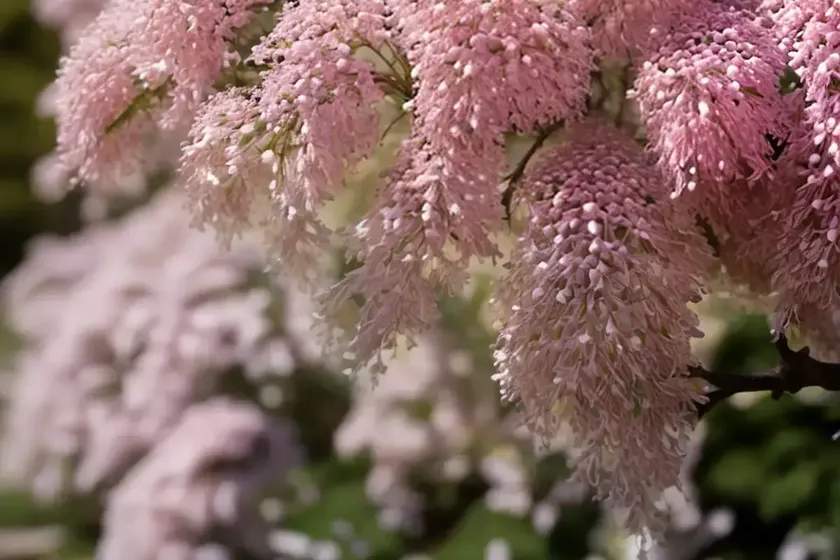
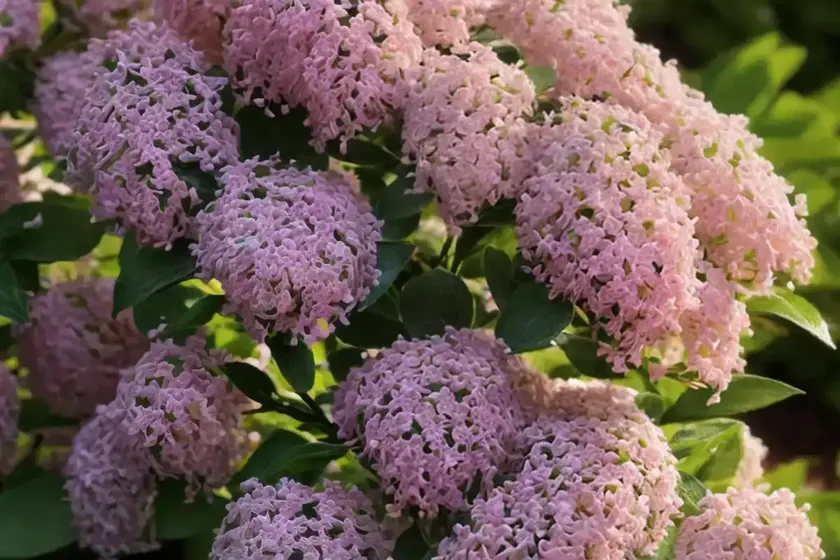
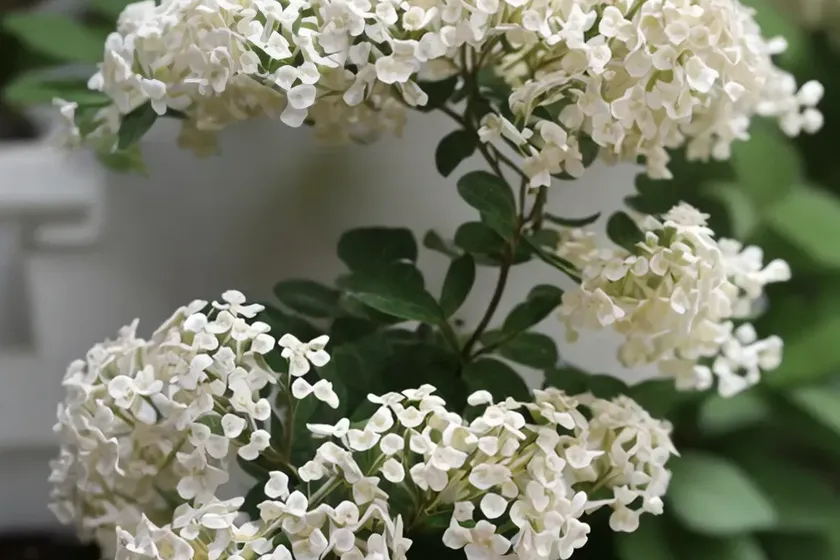
Spiraea prunifolia, belonging to the Rosaceae family, is a deciduous shrub native to East Asia, particularly China, Korea, and Japan. Commonly known as Bridal Wreath due to its cascading clusters of white flowers that resemble a bride’s bouquet, this plant is celebrated for its stunning spring bloom and graceful arching branches. The genus “Spiraea” includes about 80-100 different species, and Spiraea prunifolia is among the most popular choices for gardeners and landscapers.
Key Takeaways – Spiraea prunifolia (Bridal Wreath)
Before we delve into the detailed aspects of Spiraea prunifolia, here are the key takeaways that we will cover in this guide:
- Spiraea prunifolia, also known as Bridal Wreath, is a deciduous shrub with cascading clusters of white flowers.
- This plant is resilient and relatively low-maintenance, making it a popular choice for gardens and landscapes.
- Cultivating Bridal Wreath requires attention to factors such as water, sunlight, soil, and pruning to ensure healthy growth and abundant flowering.
- Common diseases and pests can affect Spiraea prunifolia, and proper diagnosis and management are essential for maintaining its health.
- Knowledge about propagation, container gardening, and landscaping with Bridal Wreath will be provided.
- We will share interesting fun facts about this beautiful shrub and provide additional external resources for further exploration.
Now, let’s dive deeper into the cultural aspects, uses, and maintenance requirements of Spiraea prunifolia to help you cultivate and appreciate this enchanting plant in your own space.
Culture
Understanding the specific cultural requirements of Spiraea prunifolia is essential for successfully growing and maintaining this plant. By addressing the key factors of water, sunlight, fertilizer, soil, and pruning, you can ensure the health and vibrancy of your Bridal Wreath shrub.
Water
Proper watering is crucial for the health and vigor of Spiraea prunifolia, especially during its establishment phase and dry periods. Here are some guidelines for watering Bridal Wreath:
- Establishment Phase: Newly planted Spiraea prunifolia should be watered deeply and regularly to aid in root establishment. Ensure that the soil remains consistently moist but not waterlogged.
- Mature Plants: Once established, Bridal Wreath is relatively drought-tolerant, but regular watering during dry spells will promote optimal growth and flowering.
- Watering Techniques: Water at the base of the plant to avoid wetting the foliage, which can potentially lead to disease issues. Using a soaker hose or drip irrigation system can provide consistent and efficient watering for Spiraea prunifolia.
Sunlight
Spiraea prunifolia thrives in full sun to partial shade, displaying abundant flowering and healthy foliage under the right light conditions. Consider the following sunlight requirements for Bridal Wreath:
- Full Sun: Planting Spiraea prunifolia in a location that receives at least six hours of direct sunlight daily will encourage robust growth and profuse flowering.
- Partial Shade: While Bridal Wreath can tolerate some shade, it may result in reduced flowering and a more open growth habit. However, in hot climates, providing partial shade during the hottest part of the day can benefit the plant.
Fertilizer
Feeding Spiraea prunifolia with the right nutrients can support its growth and flowering, ensuring a healthy and vibrant appearance throughout the growing season. Here are some fertilizer guidelines for Bridal Wreath:
- Timing: Apply a balanced fertilizer, such as a 10-10-10 formulation, in early spring before new growth begins to support Spiraea prunifolia’s nutritional needs.
- Application: Spread the fertilizer evenly around the base of the plant and water thoroughly to allow the nutrients to reach the root zone. Avoid over-fertilization, as this can lead to excessive foliage growth at the expense of flowering.
Soil
The right soil conditions play a vital role in the overall health and performance of Spiraea prunifolia. Understanding the soil requirements for Bridal Wreath is essential for creating an environment in which it can thrive:
- Well-Drained Soil: Plant Spiraea prunifolia in well-draining soil to prevent waterlogging, which can cause root rot and other issues.
- pH Level: Bridal Wreath prefers slightly acidic to neutral soil with a pH range of 6.0 to 7.0. Conduct a soil test to determine the pH of your soil and make necessary amendments to achieve the ideal range.
Pruning
Pruning is an important aspect of maintaining the shape, size, and flowering potential of Spiraea prunifolia. By following proper pruning techniques, you can promote a healthy and attractive growth habit in your Bridal Wreath shrub:
- Timing: Prune Spiraea prunifolia right after flowering in late spring to early summer to avoid cutting off the next year’s flower buds. This timing allows you to shape the plant and remove any damaged or dead wood.
- Techniques: Use sanitized and sharp pruning shears to make clean cuts, removing no more than one-third of the plant’s overall growth. Focus on cutting back overgrown or crossing branches to encourage a more open and well-ventilated structure.
Uses
The versatile and ornamental nature of Spiraea prunifolia makes it suitable for various uses in gardens, landscapes, and even as a cut flower. Here are some common applications of Bridal Wreath:
- Garden Borders: Planting Spiraea prunifolia along garden borders or walkways adds a charming and graceful element to the landscape. Its arching branches and abundant white flowers create an alluring display, especially during the spring bloom.
- Hedging: Due to its dense and mounding growth habit, Bridal Wreath can be shaped into a beautiful and low-maintenance hedge. Regular pruning will help maintain a neat and uniform appearance.
- Cut Flowers: The cascading clusters of white flowers make Spiraea prunifolia a popular choice for cut flower arrangements, adding elegance and a touch of the natural landscape to indoor spaces.
- Pollinator Gardens: Bridal Wreath’s flowers attract pollinators such as bees and butterflies, making it a valuable addition to pollinator-friendly gardens that support biodiversity and ecological balance.
- Erosion Control: The dense root system and resilience of Spiraea prunifolia make it suitable for stabilizing slopes and preventing soil erosion in landscaping projects.
Propagation
You can propagate Spiraea prunifolia through various methods, including softwood cuttings, hardwood cuttings, and division. Here’s a brief overview of these propagation techniques for Bridal Wreath:
- Softwood Cuttings: Gather softwood cuttings from the current season’s growth in late spring to early summer. Remove the lower leaves, dip the cut end in rooting hormone, and plant the cutting in a well-draining rooting medium. Provide consistent moisture and warmth for successful rooting.
- Hardwood Cuttings: Hardwood cuttings collected from mature growth in late fall to winter can also be used to propagate Spiraea prunifolia. Plant the cuttings in a prepared rooting area and protect them from harsh winter conditions until they establish roots.
- Division: Mature Spiraea prunifolia plants can be divided in early spring before new growth emerges. Carefully separate the root ball into sections, ensuring that each division has adequate roots and shoots for successful establishment.
Container Popularity
Spiraea prunifolia is well-suited for container gardening, allowing plant enthusiasts to enjoy its beauty and elegance on patios, decks, and small outdoor spaces. The popularity of growing Bridal Wreath in containers is attributed to the following factors:
- Size: Its moderate size and manageable growth habit make Spiraea prunifolia adaptable to container culture, allowing for mobility and flexibility in placement.
- Aesthetics: The cascading and abundant white flowers of Bridal Wreath create a captivating display in containers, adding a touch of charm and sophistication to outdoor living areas.
- Ease of Care: Spiraea prunifolia is relatively low-maintenance, making it suitable for container gardening, especially for those with limited time or space for tending to plants in the landscape.
Common Diseases
Though generally resilient, Spiraea prunifolia is susceptible to certain diseases that can affect its health and appearance. Being familiar with these common diseases, their diagnosis, and management is crucial for maintaining the vitality of Bridal Wreath.
Disease Diagnosis
Identifying symptoms and patterns associated with common diseases can aid in accurate diagnosis and timely intervention for Spiraea prunifolia. Here are some common diseases and their diagnostic features:
- Powdery Mildew: A fungal disease characterized by white powdery growth on the leaves, stems, and flowers of Bridal Wreath. It can lead to distorted growth and reduced flowering if left untreated.
- Fire Blight: This bacterial disease causes wilting, blackening, and death of the blossoms, shoots, and branches of Spiraea prunifolia. The affected parts may exhibit a scorched appearance, resembling fire damage.
- Leaf Spot: Leaf spot diseases cause dark, sometimes sunken lesions on the foliage of Bridal Wreath, leading to premature leaf drop and reduced overall plant vigor.
- Root Rot: Excessive moisture and poor drainage can lead to root rot in Spiraea prunifolia, resulting in stunted growth, wilting, and yellowing of the foliage.
Management
Implementing appropriate management strategies can help control and prevent the occurrence of common diseases in Spiraea prunifolia. Consider the following measures for disease management:
- Cultural Practices: Providing proper air circulation, avoiding overhead watering, and maintaining optimal plant health through regular watering and fertilization can reduce disease pressure.
- Sanitation: Remove and dispose of affected plant parts, such as leaves and branches showing signs of disease, to prevent the spread of pathogens within Spiraea prunifolia and to nearby plants.
- Fungicides and Bactericides: When necessary, apply recommended fungicidal or bactericidal sprays following label instructions to manage specific diseases such as powdery mildew and fire blight.
Common Pests
Several pests can potentially infest Spiraea prunifolia, impacting its growth and overall vitality. Understanding the common pests and their management is essential for mitigating their impact on Bridal Wreath.
- Aphids: These small, soft-bodied insects can congregate on the new growth and undersides of leaves, causing yellowing, stunted growth, and the development of sooty mold.
- Spider Mites: Spider mites are tiny arachnids that feed on the foliage of Spiraea prunifolia, causing stippling, discoloration, and webbing on the affected plant parts.
- Scale Insects: Scale insects may appear as raised bumps or lumps on the stems and foliage of Bridal Wreath, sucking plant sap and weakening the overall vigor of the plant.
Management
Integrated pest management strategies can effectively control common pests and prevent severe infestations in Spiraea prunifolia. Here are some approaches for managing pests:
- Horticultural Oils: Applying horticultural oils can help suffocate and control aphids, spider mites, and scale insects on Spiraea prunifolia without significantly impacting beneficial insects.
- Natural Predators: Encouraging the presence of natural predators such as ladybugs, lacewings, and predatory mites can help control pest populations in the garden, including those affecting Bridal Wreath.
- Pruning and Removal: Removing heavily infested plant parts and reducing excessive plant debris can help mitigate pest pressure and prevent their spread to other areas of the garden.
Botanist’s Tips
For those who are fascinated by the intricate details of plants and are eager to delve deeper into the world of Spiraea prunifolia, here are some botanist’s tips to enhance your understanding and appreciation of this enchanting shrub:
- Varieties: Explore the various cultivars and varieties of Spiraea prunifolia, each offering unique characteristics such as flower color, growth habit, and foliage variegation. Consider incorporating different varieties to create visual interest and diversity in your garden or landscape.
- Companion Plants: Research and select suitable companion plants that complement the beauty and growing requirements of Bridal Wreath, creating harmonious and visually appealing plant combinations.
- Natural Habitats: Learn about the native habitats of Spiraea prunifolia and its ecological significance, gaining insights into its evolutionary adaptations and relationships with other organisms in its environment.
Fun Facts
Uncovering the fascinating and sometimes surprising aspects of Spiraea prunifolia can add another layer of appreciation for this charismatic plant. Here are some fun facts about Bridal Wreath to pique your curiosity:
- Cultural Significance: In some cultures, the cascading clusters of white flowers of Spiraea prunifolia symbolize purity and new beginnings. It is often used in wedding bouquets and floral arrangements to represent the bride’s innocence and beauty.
- Historical Uses: The woody stems of Bridal Wreath have been traditionally used in basket weaving and crafts, showcasing the plant’s historical relevance in artisanal practices.
- Wildlife Support: Beyond its ornamental value, Spiraea prunifolia serves as a valuable nectar source for pollinators, contributing to the ecological balance of natural landscapes.
Links to External Resources
For further exploration and in-depth information about Spiraea prunifolia (Bridal Wreath), consider the following external resources:
- The Royal Horticultural Society – Spiraea prunifolia
- Missouri Botanical Garden – Spiraea prunifolia
- University of Florida IFAS Extension – Bridal Wreath Plume Spiraea prunifolia
- The Spruce – Spiraea prunifolia
Conclusion
Spiraea prunifolia, known as Bridal Wreath, captivates plant enthusiasts and landscaping professionals alike with its graceful form, abundant white flowers, and adaptability to various growing conditions. By embracing the cultural requirements, uses, maintenance practices, and interesting aspects of this charming shrub, you can cultivate and enjoy the beauty of Spiraea prunifolia in your own garden or landscape. Whether used as a standalone specimen, a focal point in a mixed border, or a delightful addition to a container garden, Bridal Wreath continues to enchant and inspire with its timeless elegance and resilience in the natural world.
Now armed with a comprehensive understanding of Spiraea prunifolia, let your gardening journey be enriched by the allure and grace of this remarkable plant.
This comprehensive guide provides in-depth insights into Spiraea prunifolia (Bridal Wreath), covering its cultural requirements, uses, maintenance, common diseases, and botanist’s tips. By exploring the various aspects of this charming shrub, you can gain a deeper appreciation for its beauty and vitality. For further details and external resources, refer to the provided links for additional information.


