Spiraea Nipponica (Spiraea Nipponica)
Spiraea nipponica, commonly known as the Japanese spirea, is a beautiful and versatile plant that is popular in gardens and landscapes around the world..
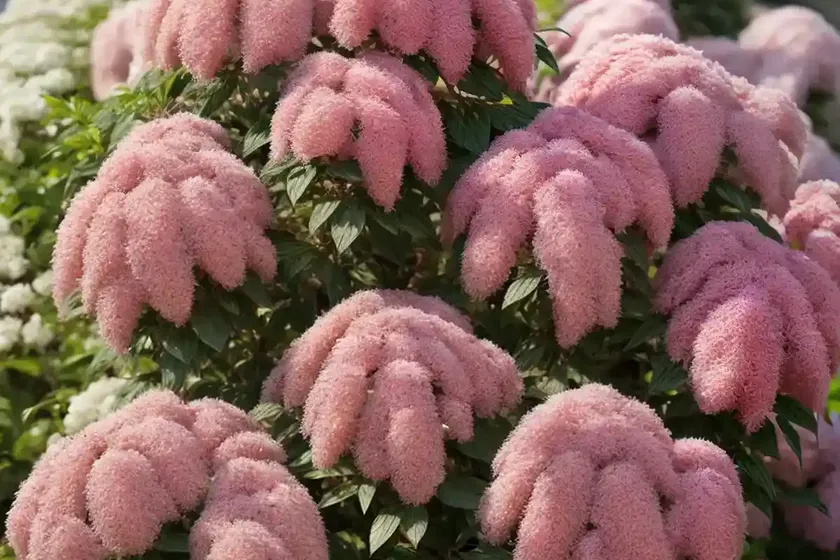
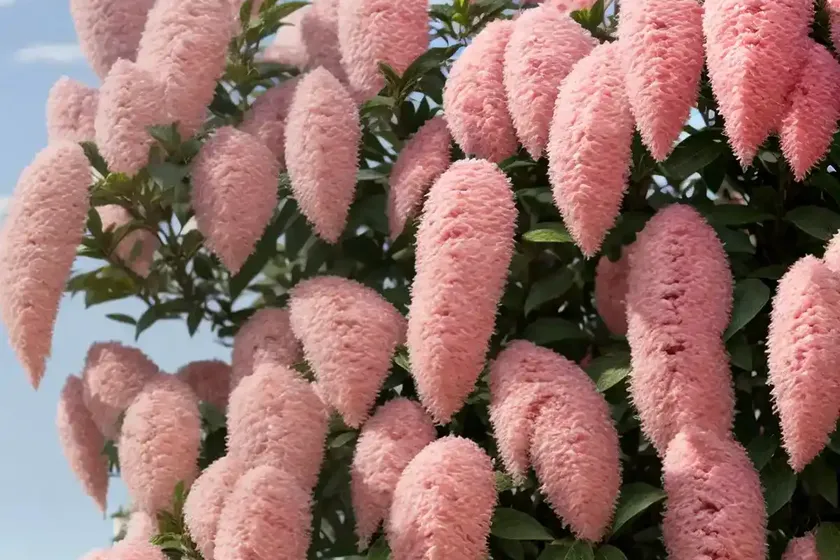
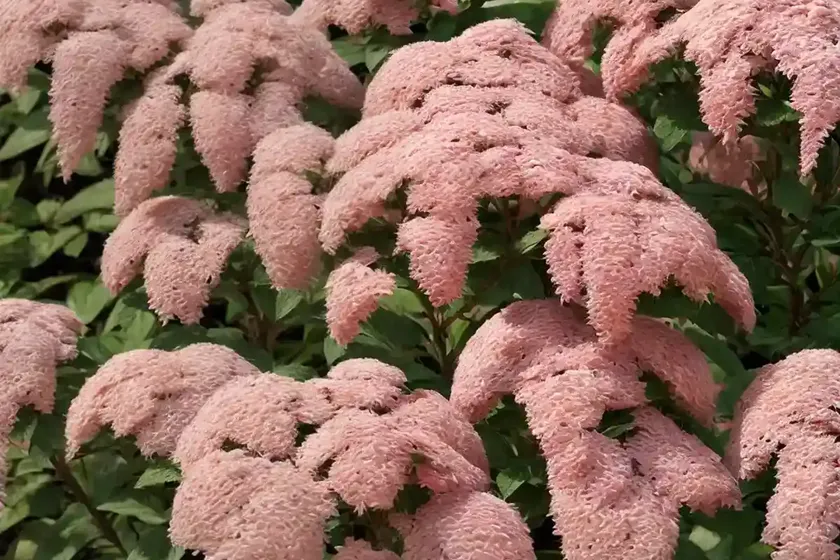
Spiraea nipponica, commonly known as the Japanese spirea, is a beautiful and versatile plant that is popular in gardens and landscapes around the world. With its delicate clusters of flowers and attractive foliage, Spiraea nipponica adds elegance and charm to any outdoor space. In this comprehensive guide, we will explore everything you need to know about cultivating, caring for, and maintaining Spiraea nipponica, including its culture, uses, water and sunlight requirements, fertilizer needs, soil preferences, pruning techniques, propagation methods, container planting, popularity, common diseases, pest management, and much more. Whether you are a seasoned gardener or a beginner enthusiast, this guide will provide you with the knowledge and tips to help your Spiraea nipponica thrive in any setting.
What is Spiraea nipponica?
Spiraea nipponica is a deciduous shrub native to Japan, Korea, and China. It belongs to the Rosaceae family and is known for its graceful arching branches and profuse clusters of small, white flowers that bloom in late spring to early summer. The plant typically grows to a height of 3 to 4 feet and spreads out to form a mounded shape. Spiraea nipponica is prized for its ornamental value and is commonly used in borders, mass plantings, and naturalistic landscapes.
Key Takeaways – Spiraea nipponica
Before delving into the specifics of cultivating and caring for Spiraea nipponica, let’s review the key takeaways for this popular plant:
- Scientific Name: Spiraea nipponica
- Common Name: Japanese spirea
- Family: Rosaceae
- Type: Deciduous shrub
- Height: 3 to 4 feet
- Flowering Season: Late spring to early summer
- Native Range: Japan, Korea, China
- Landscape Uses: Borders, mass plantings, naturalistic landscapes
With these key points in mind, let’s explore the various aspects of Spiraea nipponica’s cultivation, care, and maintenance in detail.
Culture of Spiraea nipponica
Cultivating Spiraea nipponica successfully involves understanding its specific cultural requirements. This includes considerations related to water, sunlight, fertilizer, soil, pruning, and propagation. By addressing these aspects, you can create an optimal growing environment for Spiraea nipponica and ensure its health and vitality.
Water
Spiraea nipponica thrives in well-drained soil and requires regular watering, particularly during the initial stages of growth and establishment. However, it is important to avoid waterlogging the soil, as excessive moisture can lead to root rot and other issues. Once the plant is established, it exhibits moderate drought tolerance but benefits from occasional deep watering during dry periods, especially in the summer months.
Sunlight
When it comes to sunlight requirements, Spiraea nipponica performs best in full sun to partial shade. Providing the plant with at least 6 hours of sunlight per day results in optimal growth and flowering. In warmer regions, some afternoon shade can be beneficial to protect the plant from intense heat and sun exposure.
Fertilizer
To promote healthy growth and prolific flowering, it is recommended to fertilize Spiraea nipponica in early spring, just before the onset of new growth. A balanced, slow-release fertilizer can be applied around the base of the plant, taking care to follow the manufacturer’s instructions regarding application rates. Additionally, organic compost can be used as a natural and enriching fertilizer for Spiraea nipponica.
Soil
Spiraea nipponica thrives in well-drained, loamy soil with a slightly acidic to neutral pH. Good soil drainage is essential to prevent waterlogging and root suffocation. Amending the soil with organic matter, such as compost or peat moss, can improve its structure and fertility, creating an ideal growing medium for Spiraea nipponica.
Pruning
Pruning is an important aspect of maintaining the shape, size, and flowering performance of Spiraea nipponica. The best time to prune Spiraea nipponica is in late winter to early spring, before new growth begins. During this time, you can selectively remove dead, damaged, or weak branches, as well as perform rejuvenation pruning to encourage new growth and abundant flowering.
Propagation
Spiraea nipponica can be propagated through various methods, including softwood cuttings, hardwood cuttings, and division. Softwood cuttings are typically taken in late spring to early summer, while hardwood cuttings are collected in fall or winter. Division can be undertaken during the plant’s dormant period, with careful attention to preserving the root system and ensuring the successful establishment of new divisions.
Container Planting and Popularity
In addition to being grown in traditional garden beds and landscapes, Spiraea nipponica is well-suited for container planting. Its compact size, elegant appearance, and low maintenance requirements make it an attractive choice for adding visual interest to patios, balconies, and small outdoor spaces. When planting Spiraea nipponica in containers, it is crucial to select a container with adequate drainage holes, use high-quality potting mix, and provide regular watering and fertilization to support healthy growth.
Common Diseases
Like all plants, Spiraea nipponica is susceptible to certain diseases that can affect its overall health and appearance. It is important for gardeners to be aware of these potential issues and take preventive measures to minimize the risk of disease development. Some common diseases that can impact Spiraea nipponica include:
- Powdery Mildew: A fungal disease characterized by the appearance of powdery, white spots on the leaves and stems.
- Leaf Spot: A fungal infection that leads to the formation of dark, irregular spots on the leaves, ultimately resulting in leaf yellowing and drop.
- Root Rot: Caused by waterlogged soil conditions, leading to rotting of the plant’s root system and subsequent decline in overall health.
By monitoring the plant closely, providing proper air circulation, and avoiding overwatering, gardeners can effectively manage and prevent many common diseases from affecting Spiraea nipponica.
Disease Diagnosis
Diagnosing plant diseases can be challenging, especially for individuals who are less familiar with the symptoms and characteristics of specific pathogens. When encountering signs of disease on Spiraea nipponica, it is beneficial to seek the advice of a knowledgeable botanist or plant specialist. By accurately identifying the disease and its underlying causes, appropriate treatment strategies can be implemented to restore the plant’s health and vitality.
Common Pests
In addition to diseases, Spiraea nipponica may also face challenges associated with pest infestations. Common pests that can affect this plant include aphids, scales, spider mites, and caterpillars. These pests can cause damage to the foliage, stems, and flowers of Spiraea nipponica, leading to aesthetic deterioration and potential decline in overall vigor.
To manage pest infestations, gardeners can employ various strategies, including the use of insecticidal soaps, neem oil, natural predators, and cultural practices, such as regular pruning and sanitation. By adopting an integrated pest management approach, it is possible to minimize the impact of pests on Spiraea nipponica while maintaining a healthy and balanced ecosystem in the garden.
Botanist’s Tips for Spiraea nipponica Care
As a plant scientist and enthusiast, I have compiled a set of valuable tips to guide you in successfully cultivating and caring for Spiraea nipponica. These tips are based on scientific knowledge and practical experience, aiming to help you optimize the growth and performance of this delightful shrub.
-
Mulch Application: Applying a layer of organic mulch, such as wood chips or shredded bark, around the base of Spiraea nipponica can help conserve soil moisture, suppress weed growth, and provide insulation to the root system.
-
Companion Planting: Pairing Spiraea nipponica with complementary plants, such as flowering perennials, ornamental grasses, and evergreen shrubs, can enhance the visual appeal and ecological diversity of the garden, creating a harmonious and vibrant landscape.
-
Regular Inspection: Periodically inspecting Spiraea nipponica for signs of disease, pest activity, and nutrient deficiencies enables early detection and prompt intervention, safeguarding the plant’s health and vitality.
-
Seasonal Care: Adapting cultural practices, such as watering frequency, fertilization, and pruning, to coincide with seasonal changes can support Spiraea nipponica’s natural growth cycles and ensure its resilience throughout the year.
By incorporating these tips into your plant care routine, you can optimize the growing conditions for Spiraea nipponica and enjoy the rewards of a thriving and picturesque landscape.
Fun Facts about Spiraea nipponica
As we explore the world of Spiraea nipponica, it’s fascinating to uncover some intriguing and delightful facts about this beloved shrub. Whether you are a seasoned gardener or simply curious about the natural world, these fun facts offer a captivating glimpse into the allure of Spiraea nipponica:
-
Wildlife Attraction: The flowers of Spiraea nipponica attract pollinators, such as bees and butterflies, contributing to the biodiversity and ecological balance of the garden.
-
Seasonal Changes: Throughout the year, Spiraea nipponica undergoes dynamic transformations, from the emergence of fresh foliage in spring to the brilliant display of fall colors in autumn, captivating observers with its ever-changing beauty.
-
Cultural Significance: In traditional Japanese gardens, Spiraea nipponica holds cultural significance and is often cultivated for its symbolic representation of grace, beauty, and natural harmony.
-
Medicinal Uses: In some traditional herbal remedies, certain parts of Spiraea nipponica have been used for their purported medicinal properties, offering potential health benefits in folk medicine practices.
-
Native Range: Spiraea nipponica’s native range encompasses diverse landscapes and ecosystems, reflecting its adaptability and resilience in various climatic and environmental conditions.
As we uncover these fun facts, we gain a deeper appreciation for the unique qualities and intriguing attributes of Spiraea nipponica, further enriching our connection to the natural world.
Links to External Resources
For further in-depth information and resources on Spiraea nipponica, I recommend exploring the following links to enhance your knowledge and understanding of this remarkable plant:
- Royal Horticultural Society – Spiraea nipponica
- Missouri Botanical Garden – Spiraea nipponica ‘Snowmound’
- University of Florida IFAS Extension – Japanese Spiraea for Florida Landscapes
- North Carolina State University Extension – Spiraea Pruning Guide
By delving into these reputable sources, you can gain valuable insights, practical tips, and expert guidance on all aspects of Spiraea nipponica’s cultivation, care, and landscape uses.
In conclusion, Spiraea nipponica stands as a captivating and versatile plant that enriches gardens, landscapes, and natural surroundings with its graceful presence and enduring charm. By embracing the knowledge and recommendations provided in this guide, you can embark on a rewarding journey of nurturing and enjoying the beauty of Spiraea nipponica in your own outdoor spaces. Whether adorning a traditional garden border, enhancing a contemporary container display, or contributing to a biodiverse landscape design, Spiraea nipponica remains a cherished and cherished addition to the botanical tapestry of our natural world.
With its exquisite blooms, elegant foliage, and enduring resilience, Spiraea nipponica invites us to celebrate the wonders of nature and the timeless allure of ornamental plants. As we cultivate, care for, and appreciate Spiraea nipponica, we not only engage in horticultural pursuits but also foster a deeper connection to the intricate and captivating ecosystems that surround us. May the beauty and grace of Spiraea nipponica inspire us to explore, cherish, and perpetuate the splendor of plant life, enriching our lives and the world around us.


