Spiraea Japonica (Japanese Spirea)
Spiraea japonica, commonly known as Japanese Spirea, is a charming and versatile shrub that has found its way into countless gardens and landscapes around.
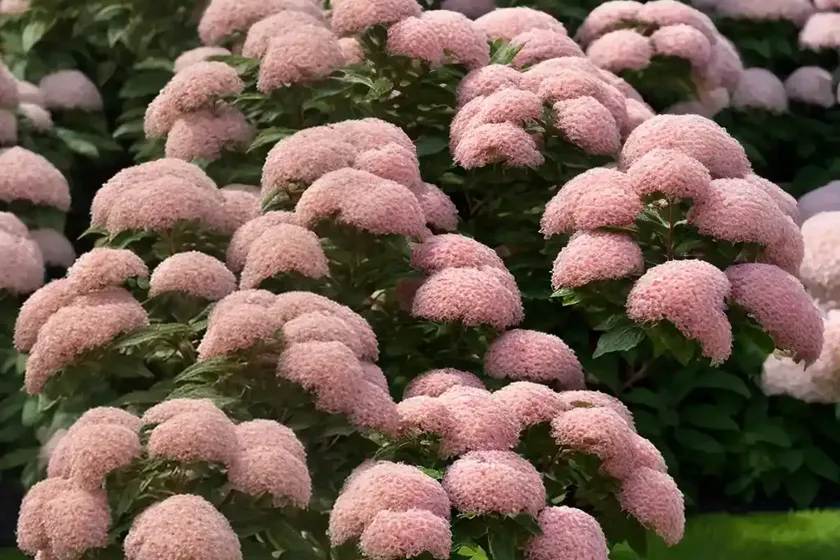
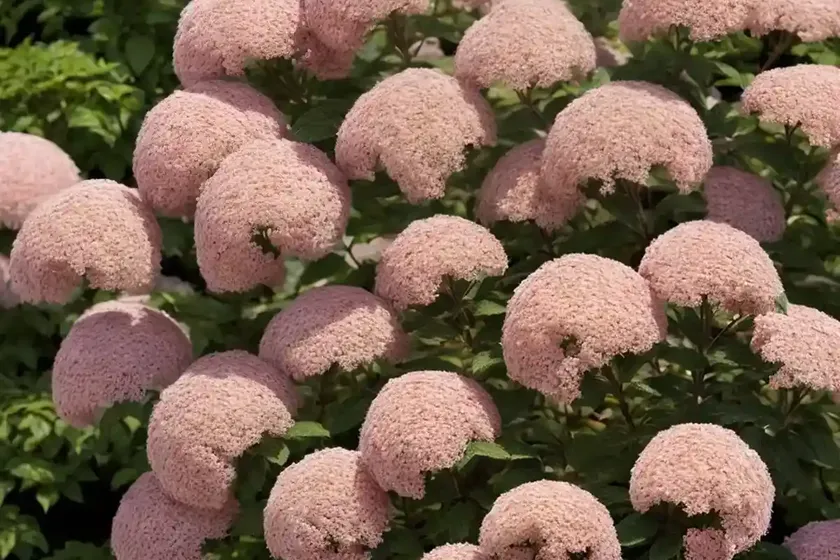
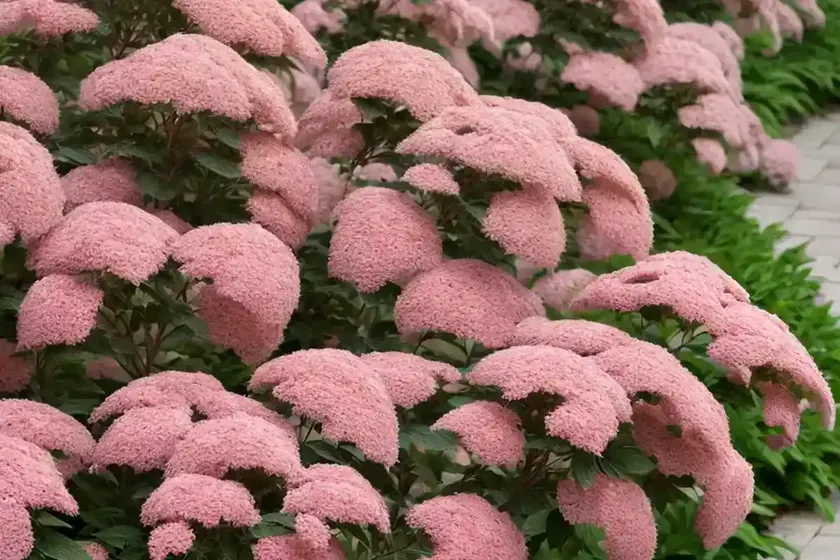
Spiraea japonica, commonly known as Japanese Spirea, is a charming and versatile shrub that has found its way into countless gardens and landscapes around the world. Its delicate flowers, attractive foliage, and ease of maintenance make it a popular choice for both amateur and experienced gardeners. In this extensive guide, we will delve into the various aspects of Spiraea japonica, including its culture, uses, care requirements, and much more. Whether you are looking to add Japanese Spirea to your garden or already have it and want to ensure its thriving, this guide will equip you with the knowledge needed to cultivate and enjoy this beautiful plant to its fullest potential.
What is Spiraea japonica?
Spiraea japonica, a member of the Rosaceae family, is a deciduous flowering shrub that is native to Japan, China, and Korea. It is appreciated for its abundant clusters of small, delicate flowers that bloom in various shades of pink, red, or white, depending on the cultivar. The leaves of Spiraea japonica are typically oval and serrated, providing an attractive backdrop to the profusion of blooms. This plant is known for its relatively compact size and mounding growth habit, making it a wonderful addition to borders, hedges, and mixed shrubbery plantings.
Key Takeaways – Spiraea japonica (Japanese Spirea)
Before delving into the detailed care and cultivation of Spiraea japonica, let’s highlight the key takeaways that will be covered in this comprehensive guide. These takeaways encompass essential aspects of Japanese Spirea that are crucial for its successful growth and maintenance.
-
Spiraea japonica (Japanese Spirea) Varieties: An exploration of various Spiraea japonica varieties and their unique characteristics.
-
Japanese Spirea Plant Care: Comprehensive insights into the cultural requirements, including water, sunlight, fertilizer, and soil preferences.
-
Spiraea japonica Pruning: Guidance on the proper techniques for pruning Spiraea japonica to maintain its shape and promote optimal flowering.
-
Japanese Spirea Landscaping: Use of Spiraea japonica in landscape design, including its growth habits, pruning, and propagation for landscaping purposes.
-
Spiraea japonica Diseases: Identification and management of common diseases that may affect Spiraea japonica.
-
Japanese Spirea Common Pests: Exploration of prevalent pests that can impact the health of Spiraea japonica and strategies for their control.
-
Botanist’s Tips: Expert recommendations and best practices for cultivating Spiraea japonica in various gardening situations.
-
Fun Facts: Intriguing and lesser-known facts about Spiraea japonica that enrich the understanding and appreciation of this plant.
-
Links to External Resources: Further reading and resources for individuals interested in Spiraea japonica and related topics.
Now, let’s embark on a comprehensive journey through the world of Spiraea japonica, exploring its culture, uses, care requirements, and much more.
Culture
The successful cultivation of Spiraea japonica hinges on understanding its cultural preferences and requirements. By aligning its growth conditions with its natural habitat, gardeners can ensure the optimal development and blooming of this charming shrub.
Uses
Spiraea japonica lends itself to a myriad of uses in the garden and landscape. Its versatile nature allows it to be incorporated in various design schemes, from formal hedges to informal cottage gardens.
Garden Planting
As a garden plant, Spiraea japonica shines in mixed borders, where its vibrant blooms add splashes of color to the landscape. It also serves as an excellent filler plant within perennial beds, providing a burst of seasonal interest as it blooms.
Hedge and Border Planting
The mounding growth habit and dense foliage make Spiraea japonica a popular choice for hedges and borders. When planted en masse, it creates a uniform and visually appealing boundary that can define spaces within the garden.
Container Planting
Spiraea japonica can also be grown in containers, making it a versatile choice for patios, balconies, and smaller outdoor spaces. Its compact size and adaptability to container culture enable it to thrive in a controlled environment.
Water
Proper watering is essential for the health and vigor of Spiraea japonica. Understanding its water needs and implementing appropriate irrigation practices can support robust growth and flowering.
Spiraea japonica Water Needs
Spiraea japonica prefers consistently moist soil, especially during the active growing season and flowering period. While it is relatively adaptable to varying moisture levels, prolonged periods of drought can lead to stress and reduced flowering.
Watering Guidelines
- Established Plants: During dry spells, provide supplemental irrigation to ensure that the soil does not dry out completely. A deep watering once a week, or as needed based on weather conditions, is generally sufficient for established plants.
- Newly Planted Specimens: Newly planted Spiraea japonica should receive more frequent watering to aid in root establishment. Keep the root zone consistently moist, but not waterlogged, for the first growing season.
Sunlight
Spiraea japonica thrives in full to partial sunlight, making it an adaptable addition to a range of garden environments. Understanding its sunlight preferences is crucial for selecting the optimal planting locations and ensuring vigorous growth.
Sunlight Preferences
- Full Sun: Spiraea japonica flourishes in full sun, defined as six or more hours of direct sunlight per day. In such conditions, it produces abundant blooms and maintains a compact, well-branched form.
- Partial Shade: While it prefers full sun, Spiraea japonica can tolerate partial shade, particularly in regions with intense afternoon sun. However, plants may exhibit reduced flowering in shadier locations.
Fertilizer
The judicious application of fertilizer can enhance the growth and blooming of Spiraea japonica, providing it with the essential nutrients needed for robust performance.
Fertilization Guidelines
- Timing: Apply a balanced, slow-release fertilizer in early spring before new growth emerges. This nourishes the plant as it enters its active growth phase and prepares it for the forthcoming flowering season.
- Application Rate: Use a granular fertilizer formulated for flowering shrubs, following the manufacturer’s recommended application rates. Avoid overfertilization, as excessive nutrients can lead to lush foliage growth at the expense of flowering.
Soil
Spiraea japonica demonstrates a degree of adaptability to different soil types, but it thrives in well-draining, moderately fertile soils. Understanding its soil requirements is pivotal for ensuring optimal growth and resilience.
Soil Preferences
- Drainage: Good drainage is essential, as Spiraea japonica is susceptible to root rot in waterlogged or poorly drained soils. Amend heavy clay soils with organic matter or coarse sand to improve their drainage characteristics.
- pH Range: Spiraea japonica prefers slightly acidic to neutral soil conditions, with a pH range of 6.0 to 7.0 being ideal. Conduct a soil test to gauge the pH of the planting site and make necessary adjustments using lime or sulfur.
Pruning
Pruning is a fundamental aspect of Spiraea japonica care, enabling gardeners to shape the plant, remove spent flowers, and rejuvenate older specimens. Understanding the principles of pruning is crucial for maintaining the plant’s health and aesthetic appeal.
Pruning Guidelines
- Timing: Prune Spiraea japonica in late winter to early spring, before new growth emerges. This allows for the removal of dead, damaged, or undesirable wood while promoting vigorous regrowth during the upcoming growing season.
- Techniques: Utilize sharp, clean pruning tools to make precise cuts, removing no more than one-third of the plant’s overall growth. Focus on selectively thinning out crowded branches, shaping the plant, and rejuvenating older stems to encourage new shoots and blooms.
Propagation
Propagating Spiraea japonica allows for the expansion of its presence in the garden and provides an opportunity to share this beautiful shrub with fellow gardening enthusiasts. Understanding the various propagation methods empowers gardeners to propagate new plants successfully.
Propagation Methods
- Softwood Cuttings: Propagate Spiraea japonica from softwood or semi-ripe cuttings taken during the active growth phase in late spring to early summer. Prepare the cuttings with a rooting hormone and provide bottom heat to encourage swift root development.
- Division: Divide established clumps of Spiraea japonica in early spring, carefully separating the root mass into individual sections. This method is effective for rejuvenating crowded or overgrown plants while yielding new, healthy specimens.
Container Popularity
The adaptability of Spiraea japonica to container culture has contributed to its popularity as an ornamental shrub for smaller gardens, urban landscapes, and patio spaces.
Container Considerations
- Container Size: Select a spacious container with adequate drainage holes, providing ample room for the roots to spread. A 15- to 20-gallon container is generally suitable for accommodating a mature Spiraea japonica specimen.
- Growing Medium: Utilize a well-draining potting mix formulated for shrubs and outdoor container plants. Incorporate organic matter to enhance moisture retention and nutrient availability for the plant.
Common Diseases
Despite its hardiness, Spiraea japonica is susceptible to certain diseases that can compromise its health and overall appearance. Recognizing the symptoms and implementing timely interventions are critical for managing these diseases effectively.
Disease Diagnosis
Powdery Mildew (Erysiphales)
Symptoms:
– Powdery white growth on the upper leaf surfaces, often concentrated on the newer growth.
– Distorted foliage and stunted growth in severe cases.
– Premature leaf drop and reduced flowering.
Management:
– Increase air circulation around the plant by pruning out congested growth and ensuring proper spacing between neighboring plants.
– Apply fungicidal sprays containing sulfur, neem oil, or potassium bicarbonate at the first signs of powdery mildew to halt its progression.
Leaf Spot (Cercospora, Septoria, or Alternaria spp.)
Symptoms:
– Circular to irregular brown spots on the foliage, often surrounded by a darker border.
– Yellowing and premature defoliation of infected leaves, leading to aesthetic decline.
Management:
– Remove and dispose of infected plant debris to prevent the spread of leaf spot fungi.
– Apply fungicidal sprays during wet and humid periods to protect the foliage from fungal pathogens.
Common Pests
A range of pests can pose a threat to the health and vitality of Spiraea japonica, potentially impacting its foliage, blooms, and overall vigor. Identifying these pests and deploying appropriate control measures is integral to safeguarding the plant from infestations.
Aphids (Aphidoidea)
Identification:
– Small, soft-bodied insects clustering on the tender shoots and foliage of Spiraea japonica.
– En masse, aphids can distort the new growth and excrete honeydew, leading to sooty mold formation.
Control Measures:
– Dislodge aphids with a strong blast of water or remove them manually using gloves.
– Apply insecticidal soaps or neem oil to suppress aphid populations while minimizing harm to beneficial insects.
Spider Mites (Tetranychidae)
Identification:
– Tiny, arachnid-like pests that colonize the undersides of Spiraea japonica leaves, extracting plant fluids and causing stippled discoloration.
– Fine webbing may be present, particularly in heavily infested areas.
Control Measures:
– Increase ambient humidity to create a less hospitable environment for spider mites.
– Apply horticultural oils to suffocate and diminish mite populations, particularly during the early stages of infestation.
Botanist’s Tips
Spiraea japonica in Mixed Borders
Integrating Spiraea japonica into mixed borders offers an opportunity to showcase its charming blooms and diverse foliage textures. Pair it with complementary plants, such as ornamental grasses, cone flowers (Echinacea spp.), and salvia varieties, to create visually captivating and dynamic planting combinations.
Rejuvenating Overgrown Specimens
For older Spiraea japonica specimens that have become overgrown or are flowering less profusely, rejuvenation pruning can revitalize the plant. In late winter, prune back approximately one-third of the oldest stems, focusing on the removal of thick, congested growth to encourage the development of new shoots and enhance the plant’s overall appearance.
Encouraging Repeat Blooming
After the initial flush of flowering has concluded, lightly deadhead spent blooms to prompt the development of additional blooms later in the season. This practice prolongs the display of Spiraea japonica’s charming flowers, ensuring a continuous show of color in the garden.
Fun Facts
- Historical Significance: In traditional Japanese folklore, Spiraea japonica was believed to possess protective qualities and was included in ceremonial bouquets and arrangements to ward off malevolent spirits.
- Wildlife Attractant: The nectar produced by Spiraea japonica flowers is a valuable food source for pollinators, including butterflies and bees, promoting biodiversity in the garden.
- Ornamental Value: Certain Spiraea japonica cultivars, such as ‘Goldflame’ and ‘Magic Carpet,’ are esteemed for their vibrant, multi-colored foliage, adding year-round interest to the landscape.
- Medicinal Uses: In traditional Chinese medicine, the roots and aerial parts of Spiraea japonica have been utilized for their purported medicinal properties, including as an anti-inflammatory and antipyretic agent.
Links to External Resources
For individuals seeking further information and resources on Spiraea japonica and related topics, the following external links provide valuable insights and guidance:
- The Royal Horticultural Society – Spiraea japonica
- A Guide to Powdery Mildew Management in Ornamental Plants
- Integrated Pest Management for Home Gardeners
In conclusion, Spiraea japonica (Japanese Spirea) holds a well-deserved place in the hearts of gardeners and landscape enthusiasts for its beauty, resilience, and adaptability. With an understanding of its cultural preferences, care requirements, and potential uses, individuals can cultivate and appreciate this charming shrub in various horticultural settings. Whether employed as a focal point in the garden, a versatile border plant, or a delightful container specimen, Spiraea japonica enriches outdoor spaces with its captivating blooms and elegant foliage.
Through the integration of expert insights, fun facts, and valuable resources, this comprehensive guide aims to empower plant lovers to foster healthy, thriving Spiraea japonica specimens, while nurturing an enduring appreciation for this beloved ornamental shrub.


