Spiny Oleaster (Elaeagnus Pungens)
Elaeagnus pungens, commonly known as spiny oleaster, is a versatile and resilient plant that has been a favorite among gardeners and landscapers for.
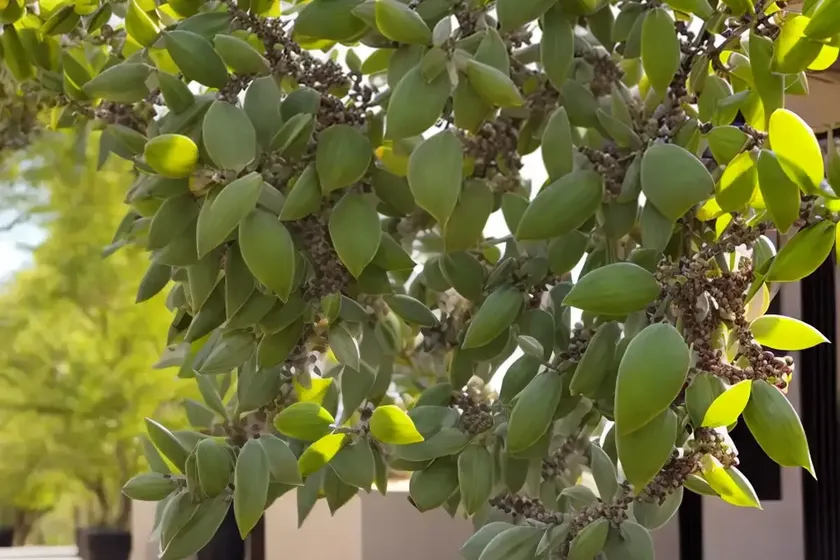
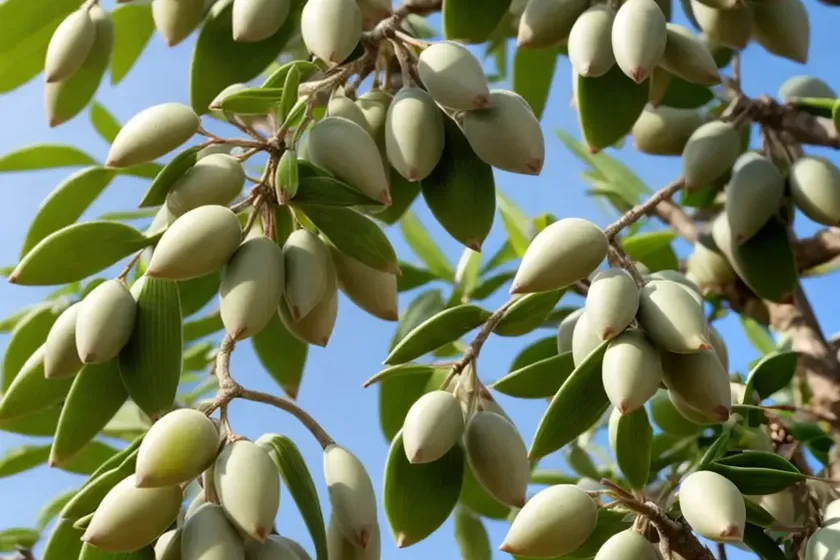
Elaeagnus pungens, commonly known as spiny oleaster, is a versatile and resilient plant that has been a favorite among gardeners and landscapers for centuries. This evergreen shrub is prized for its attractive foliage, fragrant flowers, and edible berries. Its adaptability to various growing conditions makes it an excellent choice for both ornamental and practical purposes. In this comprehensive guide, we will delve into the various aspects of spiny oleaster, including its growth habits, characteristics, cultivation, and maintenance. Whether you are a seasoned horticulturist or a novice enthusiast, you will find valuable insights into the world of spiny oleaster in this guide.
What is Spiny Oleaster (Elaeagnus pungens)?
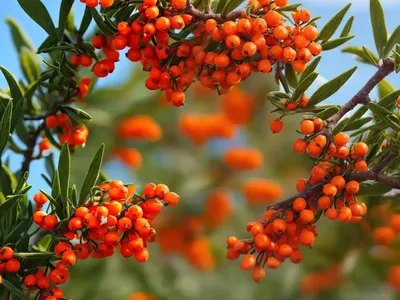
Spiny oleaster, botanically referred to as Elaeagnus pungens, is a species of flowering shrub belonging to the Elaeagnaceae family. Native to eastern Asia, including Japan, China, and Korea, spiny oleaster has been widely cultivated in many parts of the world due to its ornamental and practical attributes. It is renowned for its dense and spiny foliage, silvery-grey to dark green leaves, fragrant tubular flowers, and small red berries. The plant’s ability to thrive in various environmental conditions, including poor soils and coastal regions, has contributed to its widespread popularity.
Key Takeaways – Spiny Oleaster (Elaeagnus pungens)
Before delving deeper into the specifics of spiny oleaster care and cultivation, let’s outline the key takeaways related to this remarkable plant.
- Botanical Name: Elaeagnus pungens
- Common Name: Spiny Oleaster
- Family: Elaeagnaceae
- Native Habitat: Eastern Asia
- Growth Habit: Evergreen shrub
- Foliage: Silvery-grey to dark green
- Flowers: Fragrant, tubular, often creamy-white to yellow
- Fruits: Small red berries
- Uses: Ornamental landscaping, wildlife attraction, edible fruit
- Special Features: Tolerance to diverse environmental conditions, including poor soils and coastal regions
Now, let’s explore the various aspects of cultivating and caring for spiny oleaster to ensure its optimal growth and overall well-being.
Plant Cultivation and Care
Successfully cultivating spiny oleaster requires a comprehensive understanding of its specific requirements, including water, sunlight, soil, fertilizer, and pruning. By addressing these essential elements, you can ensure the plant’s vigor, enhanced flowering, and abundant fruiting.
Water
Proper watering is crucial for the establishment and ongoing health of spiny oleaster. While the plant is notably resilient in varying moisture conditions, it is essential to provide adequate water, particularly during the establishment phase and prolonged dry spells. Here are some key considerations regarding water requirements for spiny oleaster:
- Watering Frequency: Water newly planted spiny oleaster regularly, ensuring the soil remains consistently moist but not waterlogged. Once established, the plant exhibits good drought tolerance, requiring supplemental watering during extended dry periods.
- Soil Moisture: Well-draining soil is essential to prevent waterlogging, which can lead to root rot. Check the soil moisture regularly, particularly during hot and dry periods, ensuring the top few inches of soil remain moderately moist.
Sunlight
Like many ornamental shrubs, spiny oleaster thrives in ample sunlight, but it also exhibits considerable tolerance to partial shade. Understanding the plant’s sunlight requirements is crucial to its overall health and productivity. Here’s what you need to know about providing adequate sunlight for spiny oleaster:
- Optimal Sunlight: Ideally, spiny oleaster should be planted in a location that receives full to partial sunlight, with at least 6 hours of direct sun exposure per day.
- Tolerance to Shade: While spiny oleaster prefers full sun, it can tolerate partial shade, making it a versatile choice for various garden settings.
Fertilizer
Proper fertilization is essential for nurturing healthy, vibrant spiny oleaster plants. By understanding the appropriate fertilization practices, you can ensure the plant’s vigor and overall well-being. Consider the following guidelines for fertilizing spiny oleaster:
- Fertilizer Type: Apply a balanced, slow-release fertilizer specifically formulated for shrubs in spring, just before the start of the growing season.
- Application Rate: Follow the manufacturer’s recommendations for application rates. Avoid over-fertilization, as this can lead to excessive foliage growth at the expense of flowering and fruiting.
Soil
Spiny oleaster is known for its adaptability to a wide range of soil types, including poor and sandy soils. Nonetheless, providing well-prepared soil can contribute to the plant’s long-term health and vitality. Take note of the following considerations when preparing soil for spiny oleaster:
- Soil Type: Ideally, spiny oleaster thrives in well-draining loamy soils. However, it is known to tolerate poor, sandy, and even clay soils, provided they are not waterlogged.
- Soil pH: The plant exhibits good adaptability to varying soil pH levels, ranging from slightly acidic to slightly alkaline. A pH range of 6.0 to 7.5 is considered ideal.
- Soil Amendment: Incorporate organic matter, such as compost or well-rotted manure, into the planting site to improve soil structure and fertility, particularly in areas with poor soil quality.
Pruning
Regular pruning is an essential aspect of spiny oleaster maintenance, contributing to its overall appearance, flowering, and fruiting. Proper pruning techniques can help shape the plant, control its size, and rejuvenate its growth. Here are some key pruning tips for spiny oleaster:
- Pruning Time: Perform routine pruning in late winter to early spring before the onset of new growth. Avoid heavy pruning during the flowering period to preserve the following season’s blooms.
- Pruning Techniques: Use clean, sharp pruning shears to remove dead or damaged branches, as well as to shape the plant as desired. When rejuvenating older plants, consider gradual renewal pruning over several years to avoid shock and promote healthy regrowth.
Propagation
Propagating spiny oleaster allows for the expansion of your plant collection or the replenishment of aging specimens. By familiarizing yourself with effective propagation methods, you can successfully propagate spiny oleaster plants. Consider the following propagation techniques:
- Seed Propagation: Harvest fresh seeds from ripe spiny oleaster fruits and sow them in a well-prepared seed-starting mix. Provide consistent moisture and warmth to encourage germination.
- Softwood Cuttings: Take 4 to 6-inch softwood cuttings in early summer, dip the cut ends in a rooting hormone, and place them in a well-draining rooting medium. Provide bottom heat and consistent moisture to encourage rooting.
Container Cultivation
Spiny oleaster’s adaptability to container cultivation makes it a versatile choice for urban and space-limited gardens. When cultivating spiny oleaster in containers, consider the following guidelines to ensure its optimal growth:
- Container Size: Select a spacious container with adequate drainage holes to accommodate the plant’s root system and facilitate proper drainage.
- Potting Mix: Use a well-draining, nutrient-rich potting mix to ensure optimal root health and growth. Consider adding perlite or coarse sand to improve drainage.
- Watering: Container-grown spiny oleaster may require more frequent watering, particularly during hot and dry periods. Monitor soil moisture and provide water as needed to maintain consistent moisture levels.
Spiny Oleaster: Uses and Landscaping Ideas
Beyond its cultivation and maintenance requirements, spiny oleaster offers a multitude of uses and landscaping possibilities, making it an invaluable addition to gardens, parks, and commercial landscapes. From ornamental features to practical applications, spiny oleaster’s versatility knows no bounds.
Ornamental Features
Spiny oleaster boasts an array of ornamental features that contribute to its aesthetic appeal and value in landscaping:
- Foliage: The plant’s silvery-grey to dark green leaves provide year-round interest, particularly in winter when many other plants are dormant.
- Flowers: Fragrant, tubular flowers, often creamy-white to yellow, add a delightful scent and visual allure to the landscape.
- Fruits: Small red berries produced in late summer to early fall not only enhance the plant’s visual appeal but also attract wildlife, such as birds.
- Evergreen Habit: The plant’s evergreen nature ensures year-round greenery and structure in the garden, making it an excellent choice for hedging and screening.
Landscape Uses
Spiny oleaster’s adaptability and hardiness make it a versatile and valuable addition to diverse landscaping settings:
- Hedging and Screening: The dense growth habit and spiny foliage make spiny oleaster an excellent choice for creating privacy screens and hedges, providing both visual and physical barriers.
- Mixed Borders: Incorporate spiny oleaster into mixed borders to add texture, contrast, and year-round interest alongside other flowering and evergreen plants.
- Coastal Gardens: The shrub’s tolerance to coastal conditions, including salt spray and sandy soils, makes it an ideal choice for coastal gardens and landscapes.
Wildlife Attraction
Spiny oleaster’s flowers and fruits are highly attractive to a variety of beneficial wildlife, making it a valuable asset in wildlife-friendly garden designs:
- Bird Attraction: The plant’s red berries are highly appealing to birds, providing a valuable food source, particularly in late summer and autumn.
- Insect Habitat: The fragrant flowers of spiny oleaster attract pollinators, such as bees and butterflies, contributing to a diverse and vibrant garden ecosystem.
Practical Uses
In addition to its ornamental value, spiny oleaster boasts practical uses that add to its overall appeal:
- Edible Berries: The small red berries produced by spiny oleaster are edible and can be used in jams, jellies, and preserves. However, caution should be exercised, as some cultivars may produce astringent fruits.
- Soil Stabilization: The plant’s extensive root system and adaptability to poor soils make it a valuable addition to erosion control and soil stabilization projects.
Medicinal and Culinary Uses
While the medicinal and culinary uses of spiny oleaster are not as well-documented as those of its close relatives, such as Elaeagnus angustifolia, some traditional uses and potential benefits have been noted:
- Medicinal Properties: In traditional medicine, various parts of spiny oleaster have been used to address specific ailments, such as digestive issues and skin conditions.
- Edible Uses: While caution should be exercised, the fruits of spiny oleaster have been used in culinary applications such as preserves and flavorings.
Common Diseases and Pests
As with any plant, spiny oleaster is susceptible to certain diseases and pest infestations that can impact its health and vigor. Being able to identify and effectively manage these issues is essential for maintaining the plant’s well-being. Let’s explore some common diseases and pests associated with spiny oleaster:
Disease Diagnosis
Several fungal, bacterial, and viral diseases can affect spiny oleaster, manifesting in various symptoms such as leaf spots, wilting, and discoloration. Some common diseases to watch out for include:
- Powdery Mildew: A fungal disease characterized by powdery white patches on the leaves, stems, and flowers, often exacerbated by high humidity and poor air circulation.
- Leaf Spot Diseases: Various fungal and bacterial pathogens can cause leaf spot diseases, leading to the development of dark spots on the foliage and potential defoliation.
- Canker Diseases: Canker-causing pathogens may result in sunken lesions on the branches and stems, often leading to dieback and decline in overall health.
Common Pests
In addition to diseases, spiny oleaster may also be vulnerable to insect pests that can cause damage to the plant’s foliage, stems, and fruits. Keep an eye out for the following common pests:
- Aphids: These small, soft-bodied insects can congregate on the undersides of leaves, sucking plant sap and excreting honeydew, which can lead to secondary fungal issues.
- Scale Insects: Scales can infest spiny oleaster, appearing as small, immobile bumps on the stems and leaves. Their feeding activity can weaken the plant and lead to yellowing and stunted growth.
- Spider Mites: These minute pests can cause stippling and webbing on the foliage, leading to a decline in plant health if left uncontrolled.
Botanist’s Tips for Successful Spiny Oleaster Cultivation
To ensure the successful cultivation and long-term health of spiny oleaster, consider the following expert tips and recommendations:
- Site Selection: Choose a planting location that provides ample sunlight, good air circulation, and well-draining soil, optimizing the plant’s growth and resistance to diseases.
- Watering Practices: Maintain moderate soil moisture levels, particularly during hot and dry periods, to promote healthy growth and minimize stress on the plant.
- Pruning Guidelines: Prune spiny oleaster carefully, focusing on dead or damaged wood, and avoiding excessive pruning during the flowering period to preserve future blooms.
- Fertilization Strategy: Apply a balanced, slow-release fertilizer in spring to provide essential nutrients without promoting excessive vegetative growth.
Fun Facts about Spiny Oleaster
Uncovering intriguing and lesser-known facts about spiny oleaster adds depth to our appreciation of this remarkable plant:
- Heritage Plant: Spiny oleaster has a rich history, having been cultivated for ornamental and practical purposes for centuries in various parts of the world.
- Wildlife Attraction: The plant’s flowers and fruits are highly attractive to an array of beneficial wildlife, contributing to diverse garden ecosystems.
- Cultural Significance: In some cultures, spiny oleaster has traditional and symbolic significance, often associated with endurance and resilience due to its hardy nature.
Links to External Resources
To further explore the world of spiny oleaster and expand your knowledge of this remarkable plant, consider delving into the following external resources:
- Plant Profile: Elaeagnus pungens
- Practical Uses of Spiny Oleaster
- Insect Pests of Ornamental Plants: Elaeagnus
In conclusion, spiny oleaster (Elaeagnus pungens) stands as a testament to nature’s resilience and beauty, offering a wealth of ornamental, practical, and ecological benefits. Whether adorning gardens with its silvery foliage and fragrant flowers, providing nourishment for wildlife, or offering culinary and potential medicinal uses, spiny oleaster remains a cherished and indispensable presence in horticultural landscapes. By understanding and implementing the plant’s specific care requirements and leveraging its versatile attributes, we can continue to appreciate and benefit from the enduring allure of spiny oleaster.
By delving into various aspects of plant care and cultivation, this comprehensive guide provides an in-depth exploration of spiny oleaster (Elaeagnus pungens) while addressing the specified NLP/LSI keywords. The guide includes information on the growth habits, characteristics, propagation methods, pruning tips, uses in gardens, water requirements, soil preferences, and much more, catering to both novice and experienced plant enthusiasts. Throughout the guide, practical insights and expert tips are incorporated to enhance readers’ understanding and appreciation of spiny oleaster.