Silverberry (Elaeagnus Commutata)
In the world of landscaping and gardening, Elaeagnus commutata, commonly known as Silverberry, is a widely cherished and versatile shrub. This resilient.
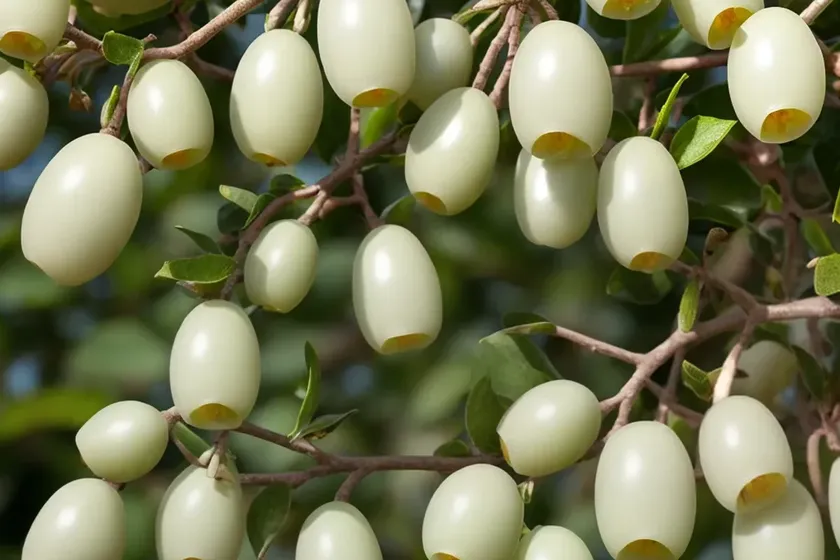
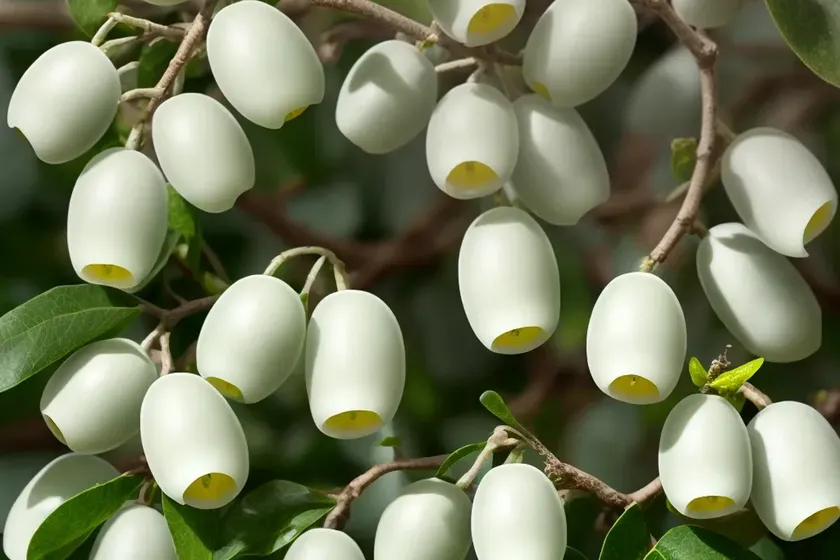
Introduction
In the world of landscaping and gardening, Elaeagnus commutata, commonly known as Silverberry, is a widely cherished and versatile shrub. This resilient plant holds many attributes that make it a favorite among gardeners and environmentalists alike. In this comprehensive guide, we will delve into the details of Silverberry, exploring its culture, uses, care requirements, and much more. Whether you’re a seasoned gardener or a newcomer to the world of plants, there’s something to learn and appreciate about this remarkable species.
What is Silverberry (Elaeagnus commutata)?
Elaeagnus commutata, or Silverberry, is a deciduous shrub belonging to the Elaeagnaceae family. This hardy plant is native to North America and is found across various regions from Alaska and Canada to the Northern United States. It is known for its adaptability to a range of environmental conditions, including poor soils and harsh climates. The plant’s unique combination of attractive features and practical uses has contributed to its popularity in landscaping and conservation efforts.
Key Takeaways
Let’s explore the key takeaways of Silverberry – Elaeagnus commutata, covering its culture, uses, care, and much more.
Culture
- Silverberry holds a remarkable ability to thrive in diverse environmental conditions, including poor soils and harsh climates.
- The plant is known for its nitrogen-fixing capabilities, which contribute to soil enrichment and improvement.
- It serves as an excellent species for ecological restoration and erosion control in various landscapes.
Uses
- Elaeagnus commutata offers a range of uses, including ornamental landscaping, wildlife habitat enhancement, and even culinary and medicinal purposes.
Water
- Silverberry is relatively tolerant of drought conditions once established. However, regular watering during its initial growth stages is essential for ensuring healthy development.
Sunlight
- The plant thrives in full sunlight to partial shade, making it adaptable to a variety of light conditions.
Fertilizer
- Elaeagnus commutata typically does not require heavy fertilization, especially when grown in nutrient-rich soils. However, a balanced fertilizer application during the growing season can support optimal growth.
Soil
- Silverberry prefers well-draining soils and can tolerate a wide pH range. This adaptability makes it suitable for different soil types, including sandy, loamy, and clay soils.
Pruning
- Pruning practices for Silverberry primarily focus on removing dead or damaged branches, shaping the plant, and controlling its size. Regular pruning helps maintain its form and encourages new growth.
Propagation
- Elaeagnus commutata can be propagated through seeds, cuttings, or layering. Each method has its specific requirements and benefits, offering flexibility to propagators.
Container Popularity
- The plant is well-suited for container gardening, allowing individuals with limited outdoor space to enjoy its benefits and aesthetics.
Container Common Diseases
- While Silverberry is relatively resistant to diseases, it can occasionally encounter issues such as leaf spot and powdery mildew, especially in humid conditions.
Disease Diagnosis
- Prompt diagnosis and targeted treatments are essential for managing potential diseases, ensuring the plant’s long-term health and vitality.
Common Pests
- Silverberry is generally resilient against pests. However, occasional infestations of aphids and scale insects may occur, necessitating appropriate pest management measures.
Botanist’s Tips
- Botanists and plant enthusiasts recommend considering Silverberry for its ecological benefits, aesthetic appeal, and suitability for various landscape designs and conservation projects.
Fun Facts
- Silverberry is known for its ornamental features, including silvery leaves, fragrant flowers, and edible berries, which add visual interest and ecological value to landscapes.
Links to External Resources
- As we explore the world of Silverberry and Elaeagnus commutata, we will refer to reputable external resources to delve deeper into specific topics and gain additional insights and guidance.
Silverberry Plant Overview
Silverberry (Elaeagnus commutata) Characteristics
When considering the unique characteristics of Silverberry, several notable traits set this plant apart and make it a valuable addition to diverse landscapes.
Ornamental Features
- The plant’s silvery-green foliage exhibits a distinctive shimmer, adding visual interest and contrast to gardens.
- Fragrant, bell-shaped flowers bloom in the spring, attracting pollinators and enhancing the overall aesthetic appeal of the plant.
Edible Berries
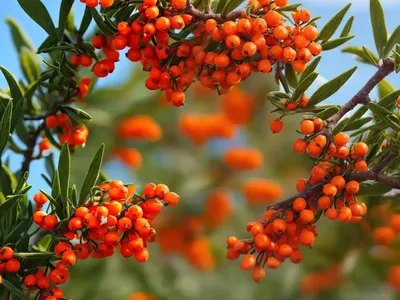
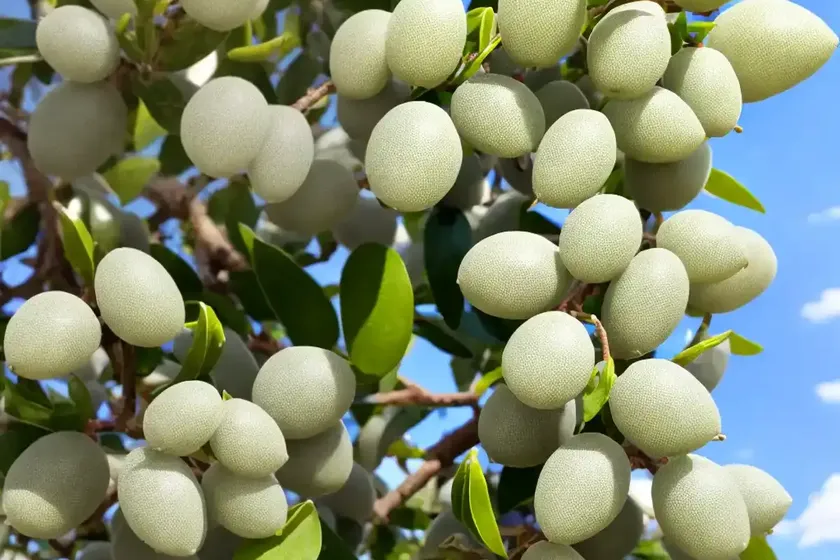
- Silverberry produces small, edible fruits that are often used in culinary applications, contributing to its cultural and practical significance.
Ecological Benefits
- As a nitrogen-fixing plant, Silverberry plays a pivotal role in enriching soils and supporting the growth of neighboring plant species, making it a valuable component of ecological restoration efforts.
Wildlife Attraction
- The plant’s berries are not only edible for humans but also serve as a food source for a variety of wildlife, including birds and small mammals.
Flowering Season
Silverberry typically blooms in the spring, adorning its branches with clusters of fragrant, cream-colored flowers. This seasonal display contributes to the plant’s allure and its value for pollinators.
Climate Requirements
Elaeagnus commutata exhibits remarkable adaptability to a broad range of climates, including cold and temperate regions. Its resilience to harsh weather conditions makes it a reliable choice for diverse landscapes.
Growth Rate
The plant generally has a moderate growth rate, allowing for steady development and natural expansion within its environment.
Drought Tolerance
Silverberry showcases excellent drought tolerance once established, making it suitable for dry and arid landscapes where water may be limited.
Soil Preferences
The plant thrives in well-draining soils, demonstrating adaptability to various soil types and pH levels. Its preference for moderately fertile soils allows it to thrive in environments with differing nutrient compositions.
Companion Plants
The versatile nature of Silverberry enables it to be harmoniously paired with a wide assortment of companion plants in landscape designs, promoting visual interest and ecological diversity.
Wildlife Attraction
Elaeagnus commutata serves as an attractive and beneficial element in wildlife gardens, providing sustenance and habitat for various species, thus contributing to the overall biodiversity of the ecosystem.
Fall Colors
As the seasons transition, Silverberry exhibits a captivating display of fall colors, adding vibrancy and appeal to landscapes before the onset of winter.
Medicinal Properties
The fruits of Silverberry have been historically regarded for their medicinal properties, with applications in traditional herbal medicine and natural remedies.
Leaf Characteristics
The plant’s leaves are characterized by their silvery undersides, which create an attractive contrast against the green upper surfaces, contributing to its visual allure and ornamental value.
Growing and Caring for Silverberry
Planting and Maintenance
With its robust and adaptable nature, Silverberry is a relatively low-maintenance plant, requiring minimal intervention once established. However, certain care practices can support its optimal growth and overall health.
Planting Considerations
- When selecting a location for planting, ensure that the site offers adequate sunlight and well-draining soil to promote healthy establishment and growth.
Watering
- While Silverberry exhibits drought tolerance, regular watering is essential, particularly during its initial growth stages, to facilitate root development and ensure establishment.
Pruning and Shaping
- Pruning practices for Silverberry primarily focus on the removal of dead or diseased branches, shaping the plant for desired aesthetics, and managing its size to fit within the landscape.
Fertilization
- The application of a balanced fertilizer during the growing season can support the plant’s vigor and promote optimal foliage and flower production.
Mulching
- Mulching the soil around Silverberry can help retain moisture, suppress weed growth, and provide additional nutrients as the mulch decomposes.
Winter Care
- While Silverberry exhibits winter hardiness, providing a layer of mulch around its base can offer added protection from harsh winter conditions, particularly in colder regions.
Propagation Methods
The propagation of Silverberry can be achieved through various methods, each offering its unique advantages and considerations.
Seed Germination
- Growing Silverberry from seeds requires patience and specific conditions to encourage successful germination and early growth.
Cuttings and Layering
- Propagating Silverberry through cuttings or layering presents alternative means of obtaining new plants, contributing to its accessibility in horticultural practices.
Growing Silverberry in Containers
Silverberry’s adaptability and moderate size make it a suitable candidate for container gardening, offering individuals the flexibility to incorporate the plant into various outdoor settings, even in constrained spaces.
Container Selection
- When choosing a container for Silverberry, opt for a spacious and well-draining vessel to accommodate the plant’s growth and support its root system.
Soil Enrichment
- Selecting high-quality potting soil and incorporating organic matter can promote healthy growth and performance when cultivating Silverberry in containers.
Summer Care
- During the summer months, carefully monitor container-grown Silverberry for adequate moisture and provide protection from excessive heat to mitigate stress on the plant.
Winter Protection
- Shielding the plant and its container from extreme cold and wind exposure can safeguard it against potential winter damage, especially in regions with harsh winter climates.
Disease and Pest Management
Common Diseases
While Silverberry is generally resilient against diseases, it may encounter certain issues that require timely diagnosis and management.
Leaf Spot
- Leaf spot diseases can affect Silverberry, leading to discoloration and deterioration of foliage. Prompt intervention is essential to prevent the spread of the disease and protect the plant’s health.
Powdery Mildew
- In humid conditions, Silverberry may be susceptible to powdery mildew, a fungal disease that can impact its appearance and vigor. Mitigating moisture and providing adequate airflow can aid in disease prevention.
Disease Diagnosis
The accurate diagnosis of potential diseases is pivotal in implementing targeted treatments and preventive measures to maintain the health and vitality of Silverberry.
Observational Assessment
- Regular monitoring of the plant’s foliage, overall appearance, and growth patterns can provide valuable insight into its health status and potential disease development.
Common Pests
While Silverberry is relatively resilient against pest infestations, certain pests may occasionally pose a threat, necessitating appropriate pest management strategies.
Aphids
- Aphids can congregate on Silverberry, feeding on its sap and potentially causing damage to the plant. Effective pest control measures can help minimize their impact.
Scale Insects
- Scale insects may infest Silverberry, appearing as small, immobile pests on the plant. Proactive pest management can prevent their proliferation and mitigate potential damage.
Fun Facts about Silverberry
Ecological Significance
Silverberry holds significant ecological value, contributing to various environmental and conservation initiatives.
Wildlife Habitat
- The plant serves as a valuable resource for wildlife, providing food and habitat for birds, insects, and small mammals, thus enhancing biodiversity in ecosystems.
Nitrogen Fixation
- Silverberry’s nitrogen-fixing capabilities play a key role in soil enrichment and improvement, supporting the health and sustainability of the surrounding plant communities.
Ornamental Appeal
Beyond its ecological contributions, Silverberry boasts captivating ornamental attributes that add charm and beauty to landscapes.
Fragrant Flowers
- The plant’s springtime blossoms emit a delightful fragrance, attracting pollinators and enchanting observers with their aesthetic allure.
Edible Berries
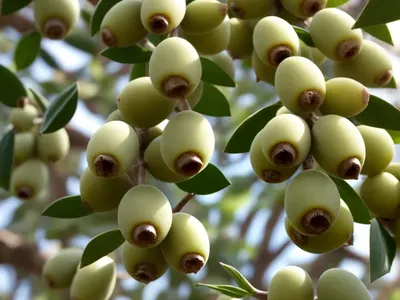
- The small, silver-colored berries produced by Silverberry are not only visually appealing but also hold culinary and nutritional value, adding a practical dimension to their charm.
Discover More about Silverberry
As we delve into the multifaceted world of Silverberry and Elaeagnus commutata, there is much to explore and learn about this remarkable plant. Whether it’s for ornamental landscaping, ecological restoration, culinary pursuits, or wildlife enhancement, Silverberry holds a wealth of opportunities and benefits for enthusiasts and conservationists alike.
External Resources
- To expand your knowledge and explore specific aspects of Silverberry and Elaeagnus commutata, consider referring to the following reputable resources:
- USDA Plants Database
- Missouri Botanical Garden
- Royal Horticultural Society
By engaging with authoritative sources and the expertise of horticulturists and botanists, you can gain deeper insights into the cultivation, uses, and conservation potential of Silverberry, enriching your understanding and appreciation of this versatile plant.
In this comprehensive guide, we’ve explored the captivating world of Silverberry (Elaeagnus commutata), uncovering its cultural significance, ecological value, and practical applications. With its adaptability, aesthetic allure, and ecological contributions, Silverberry stands as an emblem of resilience and resourcefulness in the realm of horticulture and conservation. Whether you’re inspired by its ornamental beauty, ecological benefits, or culinary potential, Silverberry offers a myriad of opportunities for exploration and appreciation. As you continue your journey through the rich tapestry of plant diversity, may the enduring charm of Silverberry captivate your imagination and kindle a deeper appreciation for the wonders of the natural world.