Canadian Buffalo-berry (Shepherdia Canadensis)
Canada is home to a diverse array of native plant species, many of which have been valued for their ecological, cultural, and economic significance. One.
Canada is home to a diverse array of native plant species, many of which have been valued for their ecological, cultural, and economic significance. One such notable plant is the Canadian buffalo-berry (Shepherdia canadensis), a shrub that thrives in the Canadian ecosystems and offers a range of benefits. In this comprehensive guide, we will delve into the captivating world of the Canadian buffalo-berry plant, exploring its culture, uses, care requirements, and significance in Canadian landscapes.
What is Shepherdia canadensis?
Overview
Shepherdia canadensis, commonly known as Canadian buffalo-berry, is a deciduous shrub that belongs to the genus Shepherdia within the family Elaeagnaceae. This native Canadian plant is a resilient species that can be found across various regions of Canada, particularly in the northern territories and provinces.
Morphology
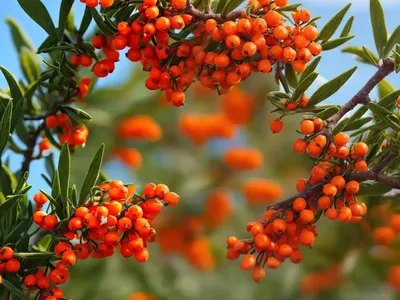
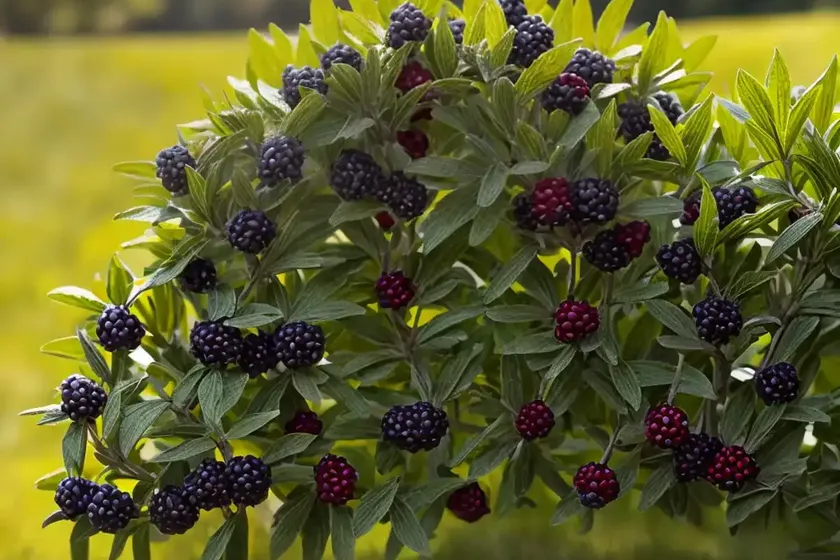
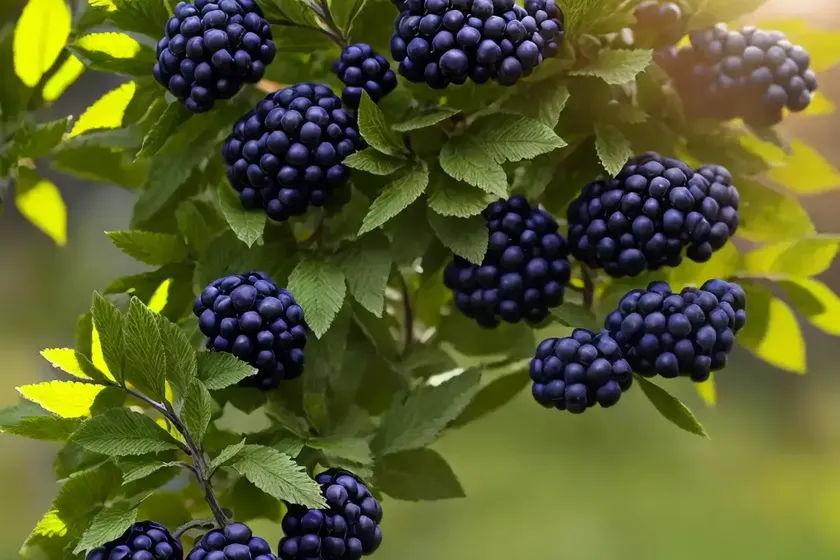
The Canadian buffalo-berry plant typically exhibits a spreading growth habit, with a height ranging from 2 to 10 feet. It is characterized by its slender branches, silvery-green foliage, and small, clustered yellow flowers that bloom in spring. One of the most distinctive features of the Canadian buffalo-berry is its bright red-orange berries, which adorn the plant in late summer and persist throughout the winter months.
Ecological Importance
In its natural habitat, Shepherdia canadensis plays a crucial role in ecological systems, providing food and habitat for wildlife, aiding in soil stabilization, and contributing to the overall biodiversity of Canadian landscapes. Moreover, the plant is well-adapted to withstand cold temperatures and harsh environmental conditions, making it an integral component of Canada’s northern ecosystems.
Key Takeaways – Canadian Buffalo-Berry (Shepherdia canadensis)
Before delving into the specifics of Canadian buffalo-berry care and utilization, let’s outline the key takeaways regarding Shepherdia canadensis:
- Native to Canada: Shepherdia canadensis is a native plant species of Canada, with a natural range that extends across various Canadian regions.
- Ecological Significance: The plant plays a vital role in the ecological balance of Canadian ecosystems, providing sustenance for wildlife and contributing to soil stability.
- Cultural and Historical Importance: Throughout history, various Indigenous communities have utilized the berries of Shepherdia canadensis for sustenance and medicinal purposes.
- Resilient and Adaptable: Canadian buffalo-berry is renowned for its hardiness and adaptability, thriving in diverse environmental conditions.
Culture of Canadian Buffalo-Berry (Shepherdia canadensis)
Natural Habitat
Canadian buffalo-berry, as its name suggests, is native to Canada and can be found in provinces and territories such as Alberta, British Columbia, Manitoba, Ontario, Saskatchewan, Yukon, and others. The plant is well-suited to various habitats, including open woodlands, prairies, and the edges of forests. It thrives in well-drained soils and exhibits a remarkable ability to withstand cold climates, making it a prominent feature of Canada’s northern landscapes.
Indigenous Uses and Traditions
The Canadian buffalo-berry has been an important plant for Indigenous communities throughout the ages. Its bright red berries are rich in vitamins and have been traditionally utilized as a food source, providing sustenance especially during the winter months. Additionally, parts of the plant have been used for medicinal purposes, with the bark and roots known to possess certain therapeutic properties.
Symbolism
In Indigenous cultures, the Canadian buffalo-berry plant holds symbolic significance, often representing resilience, adaptability, and the ability to thrive in challenging environments. Its presence in traditional stories, art, and ceremonies reflects its deep-rooted importance in Indigenous traditions and worldviews.
Uses of Shepherdia canadensis
Culinary Utilization
The berries of Shepherdia canadensis, commonly referred to as buffalo-berries, have been historically utilized in culinary applications by Indigenous communities. While the berries are generally tart and astringent when consumed raw, they can be processed into jams, jellies, sauces, and beverages. The addition of sweeteners or cooking methods can help mitigate the tartness, resulting in flavorful and nutritious products.
Medicinal Properties
Beyond its culinary uses, the Canadian buffalo-berry plant possesses potential medicinal properties. Traditionally, various parts of the plant have been utilized to address ailments and enhance well-being. For instance, preparations made from the bark and roots have been used to alleviate digestive issues and provide a source of nutrients during times of scarcity.
Wildlife Habitat and Forage
Shepherdia canadensis plays a crucial role in supporting wildlife populations, particularly in the northern regions of Canada. The berries of the plant serve as an essential food source for numerous bird species, such as thrushes, waxwings, and grouse, especially during the winter when other sources of sustenance may be scarce. Additionally, the dense foliage of the plant offers nesting sites and shelter for various small mammals and birds.
Canadian Buffalo-Berry (Shepherdia canadensis) Care Guide
For individuals interested in integrating the Canadian buffalo-berry into their landscapes or gardens, understanding its care requirements is essential. Whether utilized for its ornamental appeal, culinary potential, or ecological benefits, proper cultivation and maintenance are vital for the successful growth of Shepherdia canadensis.
Water
Canadian buffalo-berry is renowned for its resilience in drought-like conditions, making it well-suited for regions with low precipitation. While the plant can tolerate dry spells, particularly once established, adequate watering is recommended during its initial establishment phase and prolonged periods of drought. Well-drained soils are crucial to prevent waterlogging, especially in the context of container cultivation.
Sunlight
Shepherdia canadensis thrives in full sun to partial shade, exhibiting optimal growth and berry production when provided with abundant sunlight. Thus, when selecting a planting site, it is advisable to choose an area that receives at least six hours of direct sunlight per day. In shady or less sunny locations, the plant may still grow but might produce fewer berries and exhibit reduced vigor.
Fertilizer
Generally, Canadian buffalo-berry plants are not heavy feeders and can thrive in nutrient-deficient soils. However, for optimal growth and berry production, a balanced, slow-release fertilizer applied in spring can provide the plant with the necessary nutrients. It is important to follow the manufacturer’s recommendations and avoid excessive fertilization, which may lead to excessive foliage growth at the expense of berry production.
Soil
The Canadian buffalo-berry plant prefers well-drained soils with a slightly acidic to alkaline pH ranging from 6.0 to 7.5. Additionally, the plant is tolerant of various soil types, including sandy, loamy, and rocky soils. Prior to planting, it is advisable to conduct a soil test to assess the pH and nutrient levels, amending the soil as necessary to create an optimal growing environment for Shepherdia canadensis.
Pruning
Pruning is beneficial for maintaining the shape, size, and vigor of Canadian buffalo-berry plants. In late winter or early spring, it is advisable to prune the shrubs to remove any dead, damaged, or diseased branches. Additionally, selective pruning can encourage branching and berry production, contributing to a more robust and attractive plant.
Propagation
Shepherdia canadensis can be propagated through various methods, including seed propagation, hardwood cuttings, and division of mature plants. The selection of a suitable propagation method depends on factors such as timing, desired quantity of plants, and environmental conditions. For instance, seed propagation is commonly used for establishing new plants, while hardwood cuttings may be employed for cloning specific cultivars or varieties.
Container Cultivation
The Canadian buffalo-berry can be grown in containers, making it a viable option for individuals with limited garden space or those seeking to incorporate the plant into patio and balcony settings. When cultivating Shepherdia canadensis in containers, it is essential to ensure adequate drainage and select a potting mix that promotes good aeration and water retention. Regular monitoring of moisture levels and fertilization is crucial for the successful growth of the plant in containers.
Popularity of Canadian Buffalo-Berry (Shepherdia canadensis)
In recent years, there has been a growing appreciation for native plant species, including the Canadian buffalo-berry, due to their ecological benefits, low maintenance requirements, and cultural significance. The ornamental appeal of Shepherdia canadensis, characterized by its silvery foliage and vibrant berries, has also contributed to its rising popularity among gardeners and landscapers.
Landscaping
Canadian buffalo-berry is increasingly being utilized in landscaping and garden design, particularly in regions that experience cold winters and have a preference for low-maintenance plantings. Its tolerance of harsh environmental conditions, coupled with its aesthetic appeal, makes it an attractive choice for both residential and commercial landscapes, contributing to the overall visual interest and ecological value of these settings.
Ecological Restoration
Shepherdia canadensis is a valuable component of ecological restoration efforts, especially in areas where native plant communities have been disturbed or degraded. The plant’s ability to thrive in various soil types and its role in supporting wildlife make it a desirable species for rehabilitating natural habitats, promoting biodiversity, and re-establishing native plant communities.
Cultural and Culinary Interest
The cultural and culinary significance of the Canadian buffalo-berry has piqued the interest of individuals seeking to reconnect with traditional Indigenous knowledge and incorporate native foods into their diets. Efforts to promote the utilization of buffalo-berries in culinary applications and the conservation of traditional harvesting practices have contributed to the heightened recognition and appreciation of Shepherdia canadensis.
Common Diseases of Shepherdia canadensis
While the Canadian buffalo-berry is generally a resilient and low-maintenance plant, it can occasionally be susceptible to certain diseases and environmental stressors. Understanding the common diseases and their management is crucial for maintaining the health and vitality of Shepherdia canadensis.
Leaf Spot Diseases
Leaf spot diseases, caused by various fungal pathogens, can affect the foliage of Canadian buffalo-berry plants, leading to the development of dark, necrotic spots on the leaves. These diseases are often favored by wet and humid conditions, making proper air circulation and moisture management essential for their prevention. Fungicidal treatments may be employed if severe infections occur.
Rust Diseases
Rust diseases, characterized by the appearance of orange or yellowish pustules on the leaves and stems, can impact the overall vigor and aesthetics of Shepherdia canadensis. These diseases are often prevalent in humid environments and can be managed through the removal of infected plant debris, proper sanitation practices, and, if necessary, the application of appropriate fungicides.
Powdery Mildew
Powdery mildew, caused by fungal pathogens, can manifest as a dusty, white coating on the leaves and shoots of the Canadian buffalo-berry. While the impact of powdery mildew on the overall health of the plant is generally minimal, aesthetic concerns may arise. To mitigate powdery mildew, promoting good air circulation, reducing humidity, and employing fungicidal treatments can be effective.
Disease Diagnosis and Management
Diagnosing diseases in Shepherdia canadensis involves careful observation of the plant’s symptoms, including changes in foliage color and texture, presence of lesions or abnormal growths, and overall vigor. When confronted with potential disease issues, it is important to promptly identify the causal agents and implement appropriate management strategies. Cultural practices such as proper watering, pruning, and soil maintenance play a crucial role in preventing disease development and promoting the resilience of the plant.
Common Pests Affecting Canadian Buffalo-Berry (Shepherdia canadensis)
In addition to diseases, Canadian buffalo-berry plants may also be subjected to pest pressure, which can impact their growth and overall vitality. Familiarizing oneself with the common pests and adopting integrated pest management strategies are pivotal for protecting Shepherdia canadensis from potential infestations.
Aphids
Aphids are sap-sucking insects that can colonize the foliage and stems of Shepherdia canadensis, leading to stunted growth, wilting, and the transmission of viral diseases. Both the direct damage caused by aphids and the honeydew excreted by the insects can adversely affect the health of the plant. Natural predators and beneficial insects, such as ladybugs and parasitic wasps, can help mitigate aphid populations.
Spider Mites
Spider mites are minute arachnids that feed on the undersides of leaves, causing stippling, discoloration, and the eventual desiccation of the foliage. These pests are particularly problematic in hot, dry conditions and can rapidly proliferate if left unmanaged. Regular monitoring, the introduction of predatory mites, and the application of horticultural oils can aid in controlling spider mite populations.
Scale Insects
Scale insects, known for their immobile, protective coverings, can infest the twigs and branches of Shepherdia canadensis, leading to weakened growth and decline. Like aphids, scales can excrete honeydew, fostering the growth of sooty mold and compromising the plant’s aesthetics. Systemic insecticides and cultural practices, such as pruning infested branches, are commonly utilized to manage scale infestations.
Botanist’s Tips for Growing and Caring for Shepherdia canadensis
To ensure the successful cultivation and maintenance of Canadian buffalo-berry plants, it is beneficial to heed the advice and insights offered by botanists and experienced gardeners. The following tips encompass key considerations for growing and caring for Shepherdia canadensis.
Selection of Planting Site
When selecting a location for planting Canadian buffalo-berry, choose a site that receives ample sunlight, is well-drained, and provides sufficient space for the shrub’s mature size. Consider the plant’s growth habit and the potential for its spread, aiming to avoid overcrowding and facilitating optimal air circulation.
Soil Preparation
Prepare the planting site by amending the soil as necessary to achieve a well-drained, slightly acidic to alkaline pH. Organic matter, such as compost or well-rotted manure, can be incorporated into the soil to enhance its structure, fertility, and moisture retention capacity. Prior to planting, it is advisable to conduct a soil test to identify any deficiencies and adjust the soil composition accordingly.
Watering Practices
During the initial establishment phase, provide regular watering to facilitate the development of a robust root system. Once established, Shepherdia canadensis is moderately drought-tolerant, requiring occasional irrigation during prolonged dry spells. Avoid overwatering, as the plant is vulnerable to root rot in waterlogged conditions.
Pruning and Maintenance
Engage in regular pruning to maintain the shape, size, and vigor of Canadian buffalo-berry plants. Focus on the removal of dead, damaged, or diseased branches, as well as the promotion of a balanced growth structure. Additionally, monitor the plant for signs of pest infestations and diseases, taking prompt action when necessary to prevent their escalation.
Integration into Wildlife Gardens
Incorporate Shepherdia canadensis into wildlife-friendly gardens and landscapes to contribute to the sustenance and habitat of various bird and mammal species. Consider the potential synergies between Canadian buffalo-berry and other native plants, aiming to create diverse, ecologically beneficial environments that support local wildlife populations.
Winter Considerations
Given its cold hardiness, Canadian buffalo-berry is well-suited for winter landscapes and gardens. The vibrant red-orange berries of Shepherdia canadensis provide visual interest and serve as a critical food source for wildlife, especially during the winter months. When planning winter landscapes, consider the ornamental and ecological value of the plant’s berries.
Fun Facts about Shepherdia canadensis
- The berries of the Canadian buffalo-berry are rich in vitamin C and can be utilized to create nutritious and tangy culinary products.
- Shepherdia canadensis is a nitrogen-fixing plant, meaning it has the ability to convert atmospheric nitrogen into a form readily available for plant uptake, enhancing soil fertility.
- Fossilized remains of Shepherdia canadensis have been discovered in regions dating back to the Pleistocene epoch, showcasing the plant’s enduring presence in North American landscapes.
- The vibrant red-orange berries of the Canadian buffalo-berry persist throughout the winter months, providing a pop of color in snowy environments and serving as a valuable food source for wildlife.
Links to External Resources
For individuals seeking additional information on Canadian buffalo-berry (Shepherdia canadensis) and related topics, the following external resources provide valuable insights and guidance:
- Native Plant Encyclopedia – Canadian Wildlife Federation
- Canadian Museum of Nature – Shepherdia canadensis
- Canadian Trees – Canadian Forest Service
In conclusion, the Canadian buffalo-berry (Shepherdia canadensis) stands as a noteworthy emblem of Canada’s native plant heritage, offering a blend of ecological, cultural, and ornamental virtues. From its resilience in challenging environments to its historical and culinary significance, Shepherdia canadensis embodies the multifaceted value of native plants within Canadian landscapes. By embracing the cultivation and preservation of native species like the Canadian buffalo-berry, individuals can contribute to the conservation of biodiversity, the promotion of traditional knowledge, and the creation of vibrant, ecologically harmonious environments.
By delving into the intricate world of Shepherdia canadensis and exploring its diverse facets, we gain a deeper appreciation for the rich tapestry of Canada’s native flora and the intricate connections between plants, wildlife, and human societies. Whether utilized for its ornamental appeal, culinary potential, or ecological benefits, the Canadian buffalo-berry serves as a poignant reminder of the intrinsic value of native plants and their role in shaping the landscapes and cultural tapestries of Canada.