Spineless Yucca (Yucca Gigantea)
Welcome to the exciting world of exotic and intriguing plants. Our focus today is on the seemingly spineless yet magnificent Spineless Yucca.
Introduction
Welcome to the exciting world of exotic and intriguing plants. Our focus today is on the seemingly spineless yet magnificent Spineless Yucca, scientifically known as Yucca gigantea. This charismatic succulent plant has gained popularity as a striking and low-maintenance addition to both indoor and outdoor landscapes.
In this comprehensive guide, we will delve into the key components of Spineless Yucca care and maintenance, exploring its cultural significance, uses, environmental requirements, propagation, common diseases, and other essential aspects. By the end of this article, you will have all the necessary knowledge to nurture and appreciate the remarkable Spineless Yucca in your own space.
Let’s embark on this enlightening journey to discover the beauty and utility of the Spineless Yucca, offering insights that cover its care, maintenance, and delightful attributes.
What is Spineless Yucca (Yucca gigantea)?
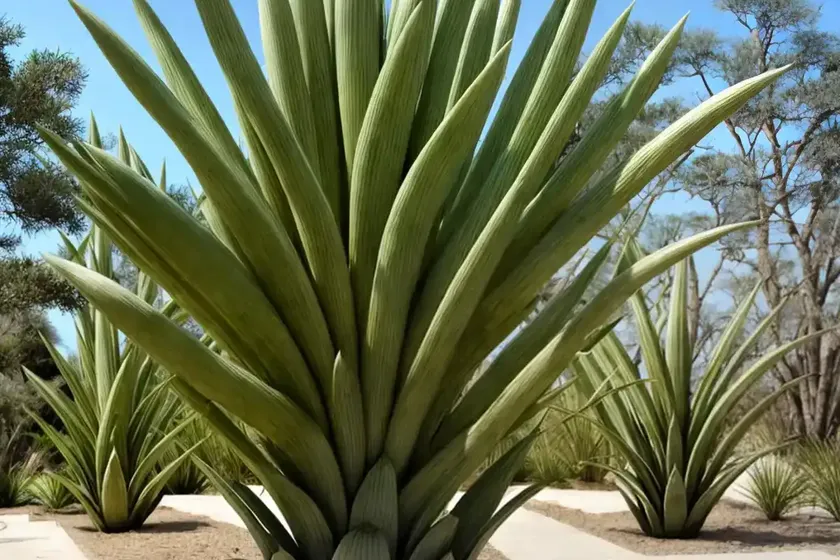
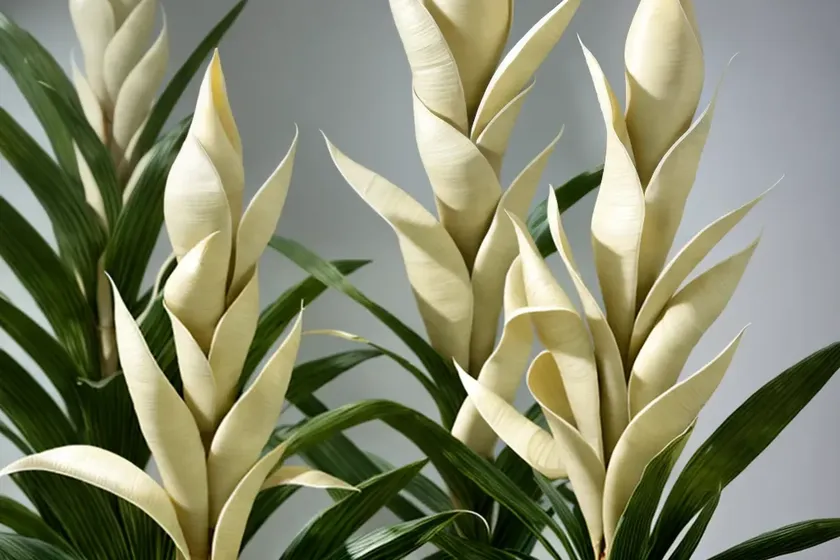
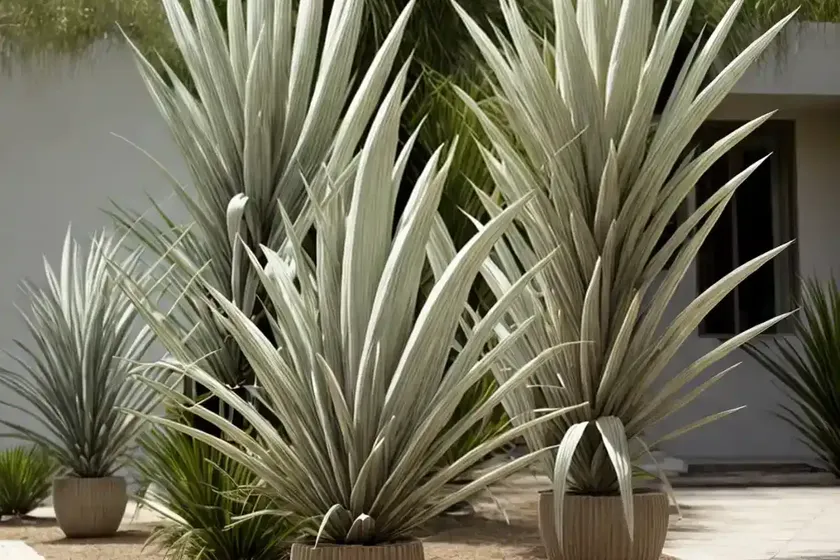
The Spineless Yucca, or Yucca gigantea, is a perennial evergreen shrub belonging to the Agavaceae family. This striking succulent hails from the hot and arid regions of Central America, particularly native to Mexico and Guatemala. Its captivating presence is characterized by a cluster of long, sword-like, and slightly drooping leaves that form a globe-shaped crown atop a robust and sturdy trunk.
The plant’s scientific name, Yucca gigantea, is a testament to its impressive size, as it can reach heights of up to 30 feet (9 meters) in its natural habitat. The distinctive feature that sets the Spineless Yucca apart from its relatives is the absence of sharp spines along the margins of its leaves. Despite its name, the Spineless Yucca exudes a powerful and majestic aura, making it a desirable element for both interior and exterior landscaping.
Now, let’s delve deeper into the various aspects of caring for and maintaining the magnificent Spineless Yucca, ensuring that it thrives in the chosen environment.
Key Takeaways – Spineless Yucca (Yucca gigantea)
Before delving into the specifics, it’s essential to understand the key takeaways when it comes to Spineless Yucca care. To effectively nurture this plant, consider the following elements:
- Culture: Appreciate the cultural significance and historical uses of the Spineless Yucca.
- Uses: Explore the versatile applications of the Spineless Yucca in different settings.
- Water: Understand the watering requirements to maintain optimal growth and health.
- Sunlight: Provide suitable sunlight exposure to energize the plant and enhance its vibrancy.
- Fertilizer: Implement a balanced and appropriate fertilization regimen for sustained vitality.
- Soil: Create an ideal soil environment that supports the Spineless Yucca’s growth and development.
- Pruning: Master the delicate art of pruning to enhance the plant’s aesthetics and well-being.
- Propagation: Learn the fundamentals of propagating the Spineless Yucca for expansion and reproduction.
- Container Popularity: Embrace the Spineless Yucca’s suitability for container gardening.
- Common Diseases: Familiarize yourself with potential diseases and their management strategies.
- Disease Diagnosis: Develop the skills to accurately diagnose and address any health concerns.
- Common Pests: Identify and combat common pests that may threaten the Spineless Yucca’s well-being.
- Botanist’s Tips: Benefit from insightful tips from experienced botanists and horticulturists.
- Fun Facts: Discover intriguing and engaging facts about the Spineless Yucca’s unique characteristics.
- Links to External Resources: Explore additional resources for further enrichment and guidance.
With these key takeaways in mind, let’s embark on a detailed exploration of each facet of Spineless Yucca care and maintenance.
Culture of Spineless Yucca (Yucca gigantea)
Historical and Cultural Significance
The Spineless Yucca holds a significant place in the cultural and historical tapestry of the regions in which it thrives. Indigenous communities in Central America have revered the Yucca plant for centuries, utilizing various parts for practical and ceremonial purposes. The long, fibrous leaves have been woven into baskets, mats, and ropes, showcasing the plant’s versatility and utility.
Furthermore, the robust and resilient nature of the Spineless Yucca has made it a symbol of endurance and strength in folklore and traditional narratives. Its ability to thrive in harsh and unforgiving environments has garnered admiration and respect, cementing its status as a resilient and revered botanical entity.
Modern Uses and Applications
In contemporary contexts, the Spineless Yucca continues to captivate and serve in diverse capacities. Its striking appearance and minimal maintenance requirements have made it a favored choice for landscaping both indoors and outdoors. The architectural elegance of the plant is often emphasized in modern landscape designs, where it serves as a focal point or accent piece, adding a touch of grandeur and sophistication to the surroundings.
Additionally, the Spineless Yucca’s exceptional adaptability to potted environments has led to its widespread use in interior décor, bringing a touch of the exotic and the extraordinary into homes, offices, and public spaces. Its unmistakable silhouette and intriguing presence make it a sought-after element for those seeking to infuse their surroundings with a hint of natural allure and visual appeal.
Understanding the rich cultural and contemporary significance of the Spineless Yucca provides valuable insights into the plant’s role in various settings, enhancing our appreciation for its unique attributes and contributions.
Watering the Spineless Yucca
Achieving the perfect balance of moisture for the Spineless Yucca is essential for its sustained health and vigor. As a drought-tolerant succulent, the Yucca gigantea thrives in arid and semi-arid conditions, displaying a remarkable ability to withstand extended periods of dryness. However, this doesn’t mean it should be deprived of water entirely. Let’s delve into the optimal watering practices for the Spineless Yucca.
Key Watering Considerations
- Frequency: As a general rule, it’s best to allow the soil to dry out completely between waterings. Water the Spineless Yucca thoroughly, letting excess water drain away to prevent waterlogging.
- Seasonal Variations: Adjust the watering frequency based on seasonal changes. During the active growing season, which typically aligns with spring and summer, you may need to water the plant more frequently. In contrast, reduce watering during the plant’s dormant phase in fall and winter.
- Monitor Soil Moisture: Utilize a simple moisture meter or perform manual checks to monitor the soil’s moisture levels. Insert a finger into the soil to gauge its dryness before considering the need for watering.
- Container Considerations: If the Spineless Yucca is potted, ensure that the container has adequate drainage holes to prevent water accumulation. Always empty the saucer or tray beneath the pot after watering to prevent the plant from standing in water.
By adhering to these fundamental watering principles, you can ensure that the Spineless Yucca receives the optimal moisture levels it requires to thrive and flourish.
Sunlight Requirements for the Spineless Yucca
The Spineless Yucca’s sun-loving nature makes it well-suited for bright and sunny environments, accentuating its vibrancy and robust growth. Adequate exposure to sunlight is pivotal in maintaining the Spineless Yucca’s health, form, and striking appearance. Let’s delve into the essential aspects of providing suitable sunlight for this remarkable succulent.
Ideal Sunlight Conditions
- Direct Sunlight: Given its natural habitat in arid regions, the Spineless Yucca thrives in direct sunlight and appreciates exposure to several hours of sunlight each day. Placing the plant near a south-facing window or in an open outdoor area that receives ample sunlight is conducive to its well-being.
- Intensifying Colors: Adequate sunlight exposure enhances the Spineless Yucca’s rich green hue, contributing to its visual appeal and overall vigor. Insufficient sunlight may lead to the plant’s leaves becoming pale or yellowish, signaling the need for more light.
- Cautions: While the Spineless Yucca thrives in sunlight, it’s essential to gradually acclimate newly purchased or indoor plants to direct sunlight to prevent shock or leaf damage. Sudden exposure to intense sunlight can result in sunburn and discoloration, so introduce the plant to sunlight gradually.
Through attentiveness to its sunlight requirements, you can ensure that the Spineless Yucca basks in the energizing glow of the sun, accentuating its inherent splendor and robustness.
Fertilizing the Spineless Yucca
Supplementing the Spineless Yucca with appropriate fertilization is integral to sustaining its vitality and supporting optimal growth. While the plant is relatively low-maintenance, periodic fertilization provides essential nutrients that bolster its resilience and overall health. Understanding the fundamentals of fertilizing the Spineless Yucca can significantly contribute to its well-being.
Essential Fertilization Guidelines
- Fertilizer Selection: Opt for a well-balanced liquid fertilizer specifically formulated for succulent plants or a general-purpose houseplant fertilizer. Dilute the fertilizer to half or a quarter of the recommended strength to avoid overfeeding the plant.
- Frequency: Apply fertilizer during the active growing season, typically from spring through summer. Reduce or cease fertilization during fall and winter when the Spineless Yucca enters its dormant phase.
- Application Method: Carefully apply the diluted fertilizer to the moistened soil, ensuring even distribution. Avoid direct contact between the fertilizer and the plant’s foliage to prevent potential leaf burn.
- Observation and Adjustment: Monitor the plant’s response to the fertilization regimen. If you notice excessive or inadequate growth, adjust the fertilizer application accordingly.
By adhering to these fertilizer guidelines, you can provide the Spineless Yucca with the essential nutrients it requires for sustained vibrancy, resilience, and vitality.
Soil Requirements for the Spineless Yucca
Creating an optimal soil environment is crucial in fostering the Spineless Yucca’s robust growth and ensuring its long-term well-being. The soil composition directly influences the plant’s ability to access vital nutrients, manage moisture levels, and establish a strong root system. Let’s explore the ideal soil conditions for the Spineless Yucca.
Well-Draining Soil Composition
- Sandy, Well-Draining Soil: The Spineless Yucca thrives in soil that offers excellent drainage, preventing water from accumulating around its roots. A recommended soil mix consists of a combination of sand, perlite, or gravel, enhancing aeration and reducing the risk of waterlogging.
- Minimal Organic Matter: Unlike many other plants, the Spineless Yucca prefers soil with minimal organic matter. Excessive organic content can lead to water retention, increasing the likelihood of root rot and other moisture-related concerns.
- Soil pH: Aim for slightly acidic to neutral soil with a pH range of 6.0 to 7.0. Regularly monitor the soil pH with a simple testing kit and adjust as necessary to maintain optimal growing conditions.
By providing the Spineless Yucca with a well-draining and appropriately composed soil environment, you can create the foundation for its sustained vigor and health.
Pruning the Spineless Yucca
Mastering the art of pruning is pivotal in maintaining the Spineless Yucca’s elegance, sculpting its form, and managing its overall appearance. While the plant generally requires minimal pruning, occasional maintenance ensures that it retains its aesthetic appeal while promoting health and vitality.
Pruning Guidelines
- Removal of Dead or Yellowing Leaves: Regularly inspect the plant for dead or yellowing leaves and promptly remove them to maintain the Spineless Yucca’s visual allure and prevent potential disease spread.
- Trimming Dead Flower Stalks: After the Spineless Yucca has finished flowering, trim the spent flower stalks to promote a tidy and refined appearance. Use sanitized pruning shears or scissors for this purpose.
- Aesthetic Shaping: If desired, you can selectively prune the plant to achieve a particular shape or silhouette, refining its form to suit your aesthetic preferences. Exercise caution and restraint during this process to avoid over-pruning, which may stress the plant.
By adhering to these prudent pruning practices, you can accentuate the Spineless Yucca’s inherent elegance and maintain its refined appearance effectively.
Propagating the Spineless Yucca
Delving into the propagation of the Spineless Yucca offers an enriching opportunity to expand your plant collection and share the remarkable attributes of this species with fellow enthusiasts. Understanding the fundamentals of propagating the plant equips you with the knowledge and skills to nurture new generations of the captivating Spineless Yucca.
Propagation Methods
- Offshoot Division: The Spineless Yucca naturally produces offshoots, or “pups,” around its base, which can be carefully detached and transplanted to establish new individual plants. Ensuring that each offshoot has its own roots increases the likelihood of successful propagation.
- Stem Cuttings: Taking stem cuttings from the Spineless Yucca’s healthy, mature stems presents another viable approach to propagation. Allow the cuttings to callus for a few days before planting them in a well-draining propagation medium.
By practicing these propagation methods with care and attention, you can multiply the presence of the Spineless Yucca, sharing its beauty and benefits with a broader audience.
Spineless Yucca in Containers
The Spineless Yucca’s adaptability to container gardening makes it an ideal choice for indoor and patio settings, allowing plant enthusiasts to showcase its arresting form and character in limited spaces. Utilizing containers enhances the plant’s versatility, enabling its integration into various design schemes and spatial configurations.
Container Gardening Considerations
- Appropriate Container Size: Select a container that accommodates the Spineless Yucca’s current size, with ample room for its roots to expand. A general guideline is to choose a container that provides around 20-30% extra space beyond the plant’s root ball.
- Drainage Holes: Ensure that the container has adequate drainage holes to prevent water accumulation, promoting a healthy root environment and averting potential water-related issues.
- Potting Mix: Utilize a well-draining potting mix formulated for succulents or cacti. Augment the mix with perlite or coarse sand to enhance aeration and drainage.
The Spineless Yucca’s adaptability to container gardening presents a multitude of opportunities to integrate this remarkable plant into diverse indoor and outdoor settings, enriching spaces with its compelling presence.
Common Diseases of the Spineless Yucca
While the Spineless Yucca is renowned for its resilience and durability, it is not impervious to certain diseases and health concerns. Familiarizing yourself with potential diseases and their management strategies empowers you to proactively safeguard the plant’s well-being.
Disease Risks and Management
- Root Rot: Excessive moisture or prolonged waterlogging can lead to root rot, resulting in yellowing and wilting of the plant. Preventing overwatering and ensuring well-draining soil are paramount in mitigating this issue.
- Leaf Spot Diseases: Fungal infections may cause the development of unsightly leaf spots. Remove and discard affected leaves and adjust the plant’s environment to minimize humidity and moisture levels.
- Stem Rot: Prolonged exposure to excess moisture, particularly during cooler periods, can trigger stem rot. Promote adequate air circulation and adjust watering practices to deter this concern.
By promptly identifying and addressing potential disease occurrences, you can uphold the Spineless Yucca’s health and fortitude effectively, ensuring its sustained vibrancy and appeal.
Disease Diagnosis and Management
Accurately diagnosing health concerns and potential diseases is pivotal in implementing the appropriate management and treatment strategies for the Spineless Yucca. A systematic and informed approach to disease diagnosis is key in fostering the plant’s resilience and sustained vitality.
Diagnostic Measures
- Visual Examination: Regularly inspect the plant for any signs of discoloration, wilting, or abnormal growth. Pay particular attention to the leaves, stem, and root zone to identify potential issues promptly.
- Research and Consultation: Utilize reputable plant disease resources and seek guidance from experienced horticulturists or botanists to gain insights into common disease symptoms and their corresponding treatments.
- Cultural and Environmental Adjustments: Adapt the plant’s care routine and its environmental conditions based on the identified disease to alleviate stress and bolster its natural defenses.
By remaining vigilant and attuned to potential disease indicators, you can proactively address concerns and sustain the Spineless Yucca’s health and vitality effectively.
Common Pests Affecting the Spineless Yucca
In addition to potential diseases, the Spineless Yucca may also encounter various pests that can compromise its well-being and aesthetic appeal. Understanding common pests and their management strategies is integral in protecting the plant from potential infestations and damage.
Pest Identification and Control
- Scale Insects: Small, oval-shaped pests that adhere to the stems and leaves, consuming the plant’s sap and weakening its overall vigor. Treatment may involve manual removal and the application of horticultural oil.
- Spider Mites: These diminutive pests are known to inflict damage by feeding on the foliage, resulting in stippling and discoloration. Regularly showering the plant and implementing natural predators like predatory mites can help control their spread.
- Mealybugs: These soft-bodied insects often congregate in clusters, resembling bits of cotton. They can be effectively managed through manual removal and the application of insecticidal soap.
By actively monitoring the Spineless Yucca for signs of pest activity and promptly implementing targeted control measures, you can safeguard the plant from potential pest-related threats and maintain its visual appeal and vitality.
Botanist’s Tips for Spineless Yucca Care
Drawing insights and tips from experienced botanists and horticulturists offers valuable guidance and specialized knowledge that significantly enriches your approach to nurturing the Spineless Yucca. Let’s explore expert tips and recommendations that can elevate your care and maintenance practices.
Expert Recommendations
- Environmental Harmony: Strive to maintain environmental conditions that mimic the plant’s natural habitat, including ample sunlight, well-draining soil, and controlled moisture levels.
- Prudent Watering: Emphasize the importance of balanced and cautious watering practices, recognizing the Spineless Yucca’s preference for drier conditions.
- Occasional Feeding: While the Spineless Yucca is relatively low-maintenance, periodic fertilization during the growing season can provide essential nutrients for sustained growth and well-being.
- Vigilant Monitoring: Regularly inspect the plant for any signs of distress, disease, or pest activity, addressing concerns promptly to prevent their escalation.
- Aesthetic Refinement: Exercise restraint and meticulousness during pruning, ensuring that the plant’s natural form and vitality are preserved while refining its appearance.
By integrating these expert recommendations into your care routine, you can fortify your stewardship of the Spineless Yucca and ensure