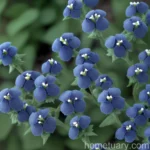
Spiked Speedwell (Veronica spicata ‘Rotfuchs’ Red Fox)
In the world of garden flowers, the spiked speedwell (Veronica spicata ‘Rotfuchs’ Red Fox) is a gem that stands out for its striking red flowers and beautiful foliage. This perennial plant is popular for its ease of care, versatility in landscaping, and its ability to attract pollinators. In this comprehensive guide, we will explore the culture, uses, care requirements, and interesting facts about this charming plant.
What is Spiked Speedwell?
Spiked speedwell, scientifically known as Veronica spicata ‘Rotfuchs’ Red Fox, is a cultivar of the Veronica spicata species. It belongs to the Plantaginaceae family and is native to Europe and Western Asia. This perennial plant is characterized by its dense spikes of small, vibrant red flowers that bloom atop upright stems during the summer months. The foliage is equally appealing, with narrow, lance-shaped leaves that form a compact clump.
The ‘Rotfuchs’ Red Fox cultivar is known for its intense red bloom color, making it a standout choice for adding a pop of color to garden beds, borders, and containers. It typically grows to a height of 12-15 inches and spreads about 12-18 inches wide, creating a neat and tidy appearance in the garden.
Key Takeaways – Spiked Speedwell (Veronica spicata ‘Rotfuchs’ Red Fox)
Before delving into the specific aspects of spiked speedwell care and cultivation, let’s summarize the key takeaways of this beautiful plant:
- Scientific Name: Veronica spicata ‘Rotfuchs’ Red Fox
- Common Names: Spiked Speedwell, Red Fox Veronica
- Description: Compact perennial with dense spikes of red flowers and lance-shaped foliage.
- Culture: Easy to grow, adaptable to various growing conditions.
- Uses: Ideal for borders, rock gardens, and containers. Attracts pollinators.
- Water: Moderate watering; prefers well-draining soil.
- Sunlight: Full sun to partial shade.
- Fertilizer: Balanced fertilizer in spring; minimal feeding needed.
- Soil: Well-draining, fertile soil with neutral pH.
- Pruning: Deadheading spent flowers; cutting back after blooming.
- Propagation: Division in spring or fall; seeds can also be sown.
- Container Popularity: Suitable for container gardening.
- Common Diseases: Generally resistant to diseases.
- Common Pests: Occasionally susceptible to aphids and spider mites.
Now, let’s explore each of these aspects in detail to gain a comprehensive understanding of the culture, uses, and care requirements of spiked speedwell.
Culture
Uses
Spiked speedwell (Veronica spicata ‘Rotfuchs’ Red Fox) is valued for its versatility in garden landscapes. Whether used as a border plant, as part of a rock garden, or in a container, it adds vibrant color and visual interest to any setting. The compact growth habit of this Veronica cultivar also makes it suitable for small gardens and tight spaces.
One of its significant attributes is its ability to attract pollinators, particularly bees and butterflies. As a result, it contributes to the ecological balance of the garden, making it a desirable choice for those looking to enhance biodiversity.
Water
Proper watering is essential for the health and vitality of spiked speedwell. While it appreciates consistently moist soil, it is crucial to ensure that the soil is well-draining to prevent waterlogging, which can lead to root rot. During the growing season, providing moderate and consistent water is recommended, particularly during dry spells.
To determine the watering needs of the plant, it’s advisable to check the moisture level of the soil regularly. This can be done by inserting a finger into the soil to a depth of 1-2 inches. If the soil feels dry at this depth, it’s time to water the plant.
Sunlight
For optimal growth and blooming, spiked speedwell should be planted in a location that receives full sun to partial shade. In regions with hot summers, providing some afternoon shade can be beneficial to prevent the plant from wilting in extreme heat. However, in cooler climates, it can thrive in full sun throughout the day.
When choosing a planting site, consider the sunlight conditions and ensure that the plant receives adequate light to support healthy growth and abundant flowering.
Fertilizer
Spiked speedwell generally has modest fertilizer needs. A balanced, general-purpose fertilizer can be applied in early spring as new growth begins. Following the application of fertilizer, it is essential to water the plant thoroughly to ensure the nutrients are absorbed into the soil. Additionally, the use of a slow-release fertilizer can provide a steady supply of nutrients to the plant over an extended period.
While spiked speedwell is not particularly heavy feeders, occasional supplementation with fertilizer during the growing season can support its overall vigor and blooming performance. Be cautious not to over-fertilize, as excessive nutrients can result in excessive foliage growth at the expense of flowering.
Soil
The soil requirements of spiked speedwell are relatively straightforward. It thrives in well-draining, fertile soil with a slightly acidic to neutral pH range. Amending the soil with organic matter, such as compost or well-rotted manure, can improve its texture and fertility, providing an ideal growing environment for the plant.
Before planting, it’s advisable to prepare the soil by loosening it to a depth of 12-18 inches and incorporating organic amendments to enhance its structure and nutrient content. This ensures that the plant’s roots can establish themselves effectively and access the necessary moisture and nutrients for healthy growth.
Pruning
Proper pruning practices play a vital role in maintaining the health and appearance of spiked speedwell. Deadheading, which involves the removal of spent flower spikes, is an essential task to encourage additional blooming and prevent the plant from diverting resources into seed production.
After the initial blooming period, when the flowers start to fade, use sharp, clean pruners to cut back the flower spikes to a lower set of healthy leaves or stems. This prompts the plant to produce new flower spikes, extending the period of flowering and enhancing the visual appeal of the plant.
Additionally, pruning in late summer or early fall, after the plant has finished blooming, can help tidy up its appearance and promote strong, compact growth. Trimming back the entire plant by about one-third of its height can prevent it from becoming leggy and encourage a bushier, more robust form.
Propagation
Spiked speedwell can be propagated through division or seeds, providing gardeners with options to expand their plantings or share the beauty of this cultivar with others. Here’s an overview of the propagation methods for Veronica spicata ‘Rotfuchs’ Red Fox:
Division
Division is an effective method to propagate spiked speedwell while also rejuvenating older clumps that may have become overcrowded over time. Spring and fall are the optimal seasons for dividing the plant. Here’s a step-by-step guide to dividing spiked speedwell:
-
Begin by carefully digging up the clump of spiked speedwell, ensuring that you excavate a generous root ball to avoid damaging the roots.
-
Use a sharp, clean tool to divide the root ball into sections, each containing healthy roots and several growing points.
-
Replant the divided sections in prepared soil, ensuring that they are positioned at the same depth as they were originally growing.
-
Water the newly divided plants thoroughly to help them establish in their new locations.
Seeds
Alternatively, spiked speedwell can be propagated from seeds, offering a cost-effective and rewarding approach to growing new plants. Here’s how seeds can be sown to propagate Veronica spicata ‘Rotfuchs’ Red Fox:
-
Collect seeds from mature flower spikes after they have fully developed and dried on the plant. Ensure that the seeds are fully ripe before harvesting.
-
Sow the seeds in a seed-starting tray or small pots filled with a well-draining, sterile potting mix. Gently press the seeds into the soil surface without covering them, as they require light for germination.
-
Water the soil lightly to settle the seeds in place, ensuring that they remain consistently moist but not waterlogged during the germination period.
-
Place the seed tray or pots in a warm location with indirect light, ensuring that the soil temperature remains around 65-70°F for optimal germination.
-
Once the seedlings have developed several sets of true leaves and are large enough to handle, they can be transplanted into individual containers or directly into the garden.
Both division and seed propagation offer reliable methods for expanding your collection of spiked speedwell plants, giving you the opportunity to nurture new generations of this captivating cultivar.
Container Popularity
The compact growth habit and striking appearance of spiked speedwell make it well-suited for container gardening. Whether grown in individual pots or as part of a mixed container arrangement, it adds a vibrant pop of color and vertical interest to outdoor spaces.
When growing spiked speedwell in containers, it’s important to choose a pot with adequate drainage holes to prevent waterlogging, as well as a well-draining potting mix to support healthy root development. Regular watering and light fertilization during the growing season are essential for maintaining the plant’s health and vibrant appearance in containers.
In addition to its ornamental value, spiked speedwell in containers can be positioned strategically to attract pollinators to patio and balcony gardens, contributing to the ecological balance of urban landscapes.
Common Diseases
Spiked speedwell is generally resistant to various diseases, thanks to its robust nature and adaptability. However, it is essential to monitor the plant for signs of stress or disease and take prompt action to address any issues that may arise. Common diseases that may affect spiked speedwell include fungal diseases such as powdery mildew and leaf spot.
Powdery mildew, characterized by a white, powdery coating on the leaves, can be managed through proper air circulation, avoiding overhead watering, and the use of fungicidal treatments if necessary. Leaf spot, which presents as dark lesions on the foliage, can be minimized by practicing good garden hygiene and removing and disposing of affected plant material.
Regularly inspecting the plant for early signs of disease and promptly addressing any issues that arise can help maintain the health and appearance of spiked speedwell.
Common Pests
While spiked speedwell is generally resistant to most pests, it may occasionally attract common garden pests such as aphids and spider mites. These pests typically infest plants that are stressed or growing in suboptimal conditions.
Aphids, small sap-sucking insects, can be managed through the application of insecticidal soap or neem oil, which disrupt their feeding and reproductive processes. Spider mites, which are tiny arachnids that feed on plant sap, can be controlled through regular monitoring, the use of water sprays to reduce their numbers, and the introduction of natural predators such as ladybugs or predatory mites.
Maintaining good cultural practices, such as providing the plant with optimal growing conditions and avoiding over-fertilization, can also help prevent pest infestations and promote the natural resilience of spiked speedwell.
Botanist’s Tips
To ensure the success of growing spiked speedwell and to maximize its ornamental value in the garden, here are a few tips from botanists and gardening experts:
- Soil Drainage: Prioritize well-draining soil to prevent waterlogging and root rot, which can be detrimental to the plant’s health.
- Moderate Watering: Avoid overwatering, as spiked speedwell prefers moderately moist soil but is susceptible to root problems in waterlogged conditions.
- Deadheading: Regular deadheading promotes additional blooming and maintains the plant’s neat appearance throughout the growing season.
- Pruning: Scheduling routine pruning and trimming ensures that spiked speedwell remains compact and robust, with an extended period of flowering.
By heeding these botanist’s tips, gardeners can cultivate healthy, vibrant spiked speedwell plants that flourish and contribute to the beauty of their outdoor spaces.
Fun Facts
Spiked speedwell (Veronica spicata ‘Rotfuchs’ Red Fox) is not just a visually captivating plant; it also has some interesting characteristics and historical uses. Here are a few fun facts about this charming cultivar:
- Medicinal History: Historically, various Veronica species, including Veronica spicata, were used in herbal medicine to treat a range of ailments, including wounds and digestive issues.
- Butterfly Magnet: The vibrant red flowers of spiked speedwell act as a magnet for butterflies, adding to its appeal as a pollinator-friendly plant.
These fun facts add to the allure of spiked speedwell, underscoring its value as an ornamental and ecological asset in garden landscapes.
Links to External Resources
For additional information on spiked speedwell (Veronica spicata ‘Rotfuchs’ Red Fox), here are some external resources that provide insightful guidance and in-depth knowledge:
- Missouri Botanical Garden – Veronica spicata
- Royal Horticultural Society – Spiked Speedwell
- The Spruce – How to Grow Veronica Spicata
These reputable resources offer valuable insights, care tips, and further details about the cultivation, uses, and characteristics of spiked speedwell.
In conclusion, spiked speedwell (Veronica spicata ‘Rotfuchs’ Red Fox) is a delightful perennial plant that enriches gardens with its vivid red flowers, attractive foliage, and ecological contributions. By understanding its culture, uses, care requirements, and interesting facts, gardeners can appreciate the unique qualities of this cultivar and cultivate thriving specimens in their outdoor spaces. Whether in borders, containers, or pollinator gardens, spiked speedwell lends a touch of charm and vibrancy to any landscape, making it a prized addition to diverse garden settings.
Would you like to learn more about the specifics of growing and caring for spiked speedwell, or are there additional aspects of this plant that you’d like to explore in greater detail? Let me know, and I’d be happy to delve further into any areas of interest or provide additional information that enhances your understanding of this captivating cultivar.