Bald Cypress (Taxodium Distichum ‘Cascade Falls’)
Plants are incredible organisms that have the power to beautify our surroundings, purify the air, and provide numerous ecological benefits. The bald.

Introduction
Plants are incredible organisms that have the power to beautify our surroundings, purify the air, and provide numerous ecological benefits. The bald cypress, scientifically known as Taxodium distichum ‘Cascade Falls’, is a spectacular tree that holds significant cultural, ecological, and horticultural importance. In this comprehensive guide, we will delve into the world of the bald cypress, exploring its characteristics, cultivation, and ecological significance. Whether you are a seasoned horticulturist, a beginner gardener, or simply an admirer of nature’s beauty, this article will provide valuable insights into the captivating world of the bald cypress.
What is the bald cypress (Taxodium distichum ‘Cascade Falls’)?
The bald cypress (Taxodium distichum) is a deciduous coniferous tree that belongs to the family Cupressaceae. It is a majestic tree that is native to the southeastern United States, where it flourishes in swampy, water-logged conditions. The ‘Cascade Falls’ cultivar, in particular, is renowned for its cascading branches and graceful form, making it a prized ornamental tree in landscaping and horticulture.
Taxodium distichum ‘Cascade Falls’ Characteristics
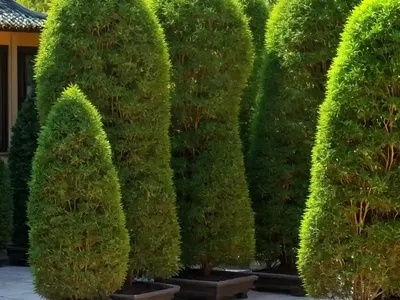
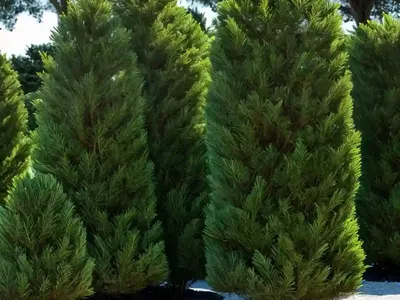
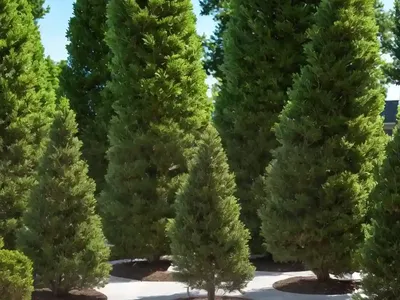
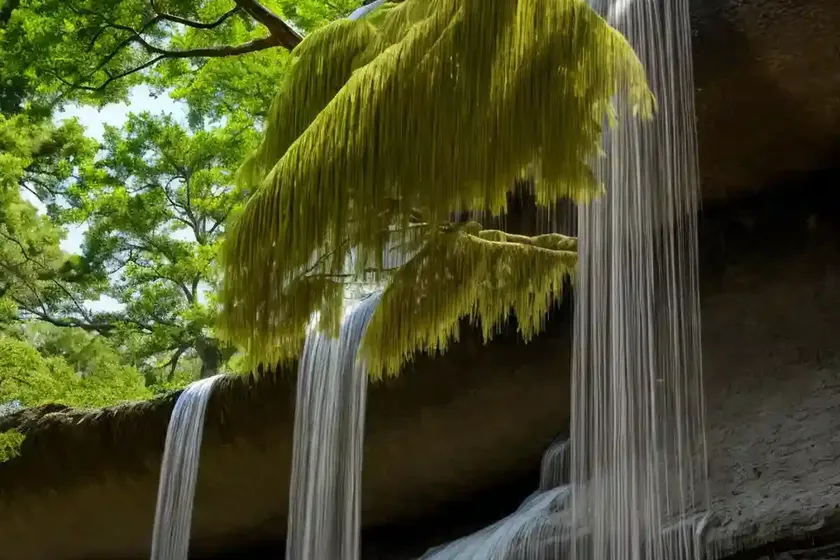
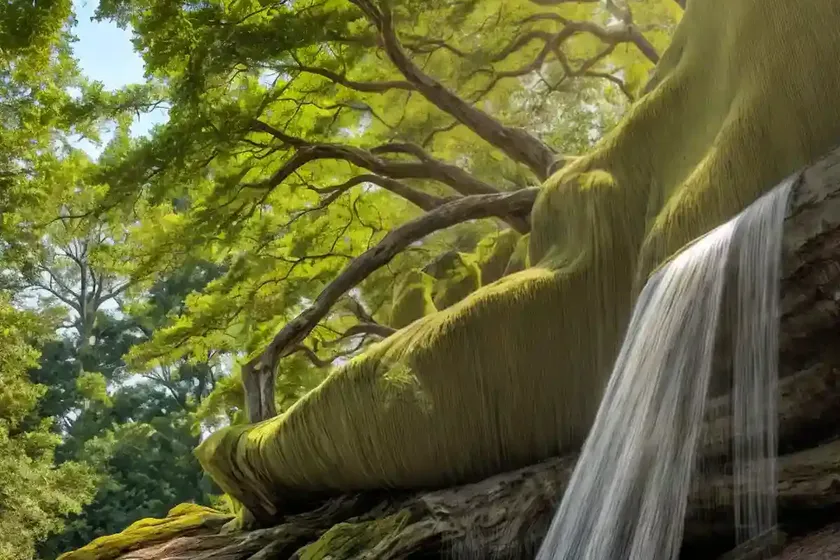
The ‘Cascade Falls’ cultivar of Taxodium distichum is distinguished by its weeping branches, creating a picturesque, cascading effect that adds a unique and graceful charm to any landscape. The tree typically grows in a pyramidal shape, with delicate, pendulous branchlets that gently sway in the breeze. Its foliage consists of soft, feathery needles that exhibit a beautiful bronzy-green coloration in the spring and summer, transitioning to russet tones in the fall before shedding for the winter.
Key Takeaways:
– Stunning weeping branches
– Pyramidal growth habit
– Feathery, needle-like foliage
– Elegant bronzy-green and russet coloration throughout the seasons
Bald Cypress Tree Information
The bald cypress, including the ‘Cascade Falls’ cultivar, is an exceptionally versatile and resilient tree. It is well-adapted to wet or waterlogged conditions, making it an ideal choice for landscapes with challenging soil and moisture levels. As a long-lived species, the bald cypress offers lasting beauty and benefits to the environment, cementing its status as a beloved tree in horticulture and conservation efforts.
Taxonomy of Bald Cypress
The scientific classification of the bald cypress is as follows:
- Kingdom: Plantae
- Phylum: Tracheophyta
- Class: Pinopsida
- Order: Pinales
- Family: Cupressaceae
- Genus: Taxodium
- Species: Taxodium distichum
- Cultivar: ‘Cascade Falls’
Cascade Falls Bald Cypress Tree
The ‘Cascade Falls’ cultivar of Taxodium distichum is a captivating variation of the species, known for its gracefully arching branches and elegant form. Its unique growth pattern and colors make it an exceptional choice for adding visual interest to gardens and landscapes. Ideal for both residential and commercial settings, the Cascade Falls cultivar embodies the beauty and resilience of the bald cypress species.
Growing Bald Cypress Trees
Best Conditions for Bald Cypress Growth
Bald cypress trees, including the ‘Cascade Falls’ cultivar, thrive in environments that replicate their natural habitat in the swamplands of the southeastern United States. These trees prefer moist to wet soil conditions and are often found growing alongside rivers, ponds, and other water bodies. When cultivating bald cypress trees, it is essential to provide the following optimal conditions:
- Soil: Well-drained, acidic soils are preferred. However, bald cypress trees exhibit remarkable adaptability and can tolerate a wide range of soil types, including clay and loamy soils. The ability to thrive in waterlogged soils makes them an excellent choice for areas prone to occasional flooding or high water tables.
- Water: Regular access to water is crucial, especially during the establishment phase. Once established, these trees display impressive drought resistance, but they do best in consistently moist soil.
- Sunlight: Full sun exposure is ideal for promoting healthy growth and leaf development. While bald cypress trees can tolerate some shade, they thrive when provided with ample sunlight.
Planting Bald Cypress in Your Garden
When planting bald cypress trees, it is important to consider the specific needs of the ‘Cascade Falls’ cultivar:
- Selecting a Site: Choose a location with ample space to accommodate the tree’s mature size. Ensure the chosen area has moist, well-drained soil and receives plenty of sunlight throughout the day.
- Planting Depth: Dig a hole that is as deep as the container or root ball, and two to three times as wide. Gently loosen the roots before placing the tree in the hole.
- Backfilling: Fill the hole with soil, tamping it down gently to remove air pockets. Water the tree thoroughly after planting to help settle the soil.
By following these steps, gardeners can ensure the successful establishment of the ‘Cascade Falls’ cultivar in their gardens, allowing it to thrive and grace the landscape with its stunning beauty.
Care Tips for Taxodium distichum ‘Cascade Falls’
Water Requirements for Cascade Falls Bald Cypress
Appropriate watering is crucial for the health and vitality of the Cascade Falls bald cypress. During the first few years after planting, regular watering is essential to support the tree’s establishment. Once established, the tree showcases impressive drought tolerance, but it should still receive supplemental watering during prolonged dry periods. Proper irrigation practices ensure that the tree maintains its vibrant foliage and overall vigor.
Fertilizing Tips for Bald Cypress Trees
Bald cypress trees, including the ‘Cascade Falls’ cultivar, generally do not require significant fertilization. When planted in their preferred moist, acidic soil, they can access the necessary nutrients for healthy growth. However, a balanced, slow-release fertilizer formulated for trees and shrubs can be applied in early spring to provide an additional boost. It is important to follow the manufacturer’s recommended application rates to avoid over-fertilization, which can potentially harm the tree.
Soil Preferences for Bald Cypress Growth
Bald cypress trees exhibit great adaptability to various soil types. While they prefer moist, acidic soils, they can also tolerate periodic flooding and brief periods of drought. When planting the ‘Cascade Falls’ cultivar, it is beneficial to provide soil that is rich in organic matter to support its growth and overall health. Additionally, maintaining consistently moist soil conditions, especially during the initial growth stages, contributes to the tree’s successful establishment and long-term well-being.
Pruning Techniques for Bald Cypress Trees
Pruning plays a crucial role in maintaining the health, form, and aesthetics of bald cypress trees, including the ‘Cascade Falls’ cultivar. Regular pruning can help remove dead or diseased branches, shape the tree, and promote air circulation within the canopy. When pruning the ‘Cascade Falls’ cultivar, it is important to follow these guidelines:
- Timing: Pruning is best done during the dormant season, such as late winter or early spring, before new growth begins.
- Branch Removal: Remove any dead, damaged, or crossing branches to maintain the overall health and structure of the tree.
- Size Management: While the ‘Cascade Falls’ cultivar has a naturally graceful shape, selective pruning can help control its size and enhance its cascading form, if desired.
By employing proper pruning techniques, gardeners can ensure the vitality and beauty of the ‘Cascade Falls’ cultivar, allowing it to flourish in the landscape.
Disease Resistance of Taxodium distichum ‘Cascade Falls’
Bald cypress trees, including the ‘Cascade Falls’ cultivar, possess admirable resistance to various diseases and pests. Their resilience to common stressors in the landscape makes them a valuable and low-maintenance addition to gardens and public spaces. While they may encounter occasional issues, understanding common diseases and their prevention can aid in maintaining the health and vigor of these remarkable trees.
Disease Prevention for Cascade Falls Bald Cypress
Preventative measures play a crucial role in safeguarding the health of the Cascade Falls bald cypress. Avoiding stressors such as drought, poor soil conditions, and mechanical damage can significantly reduce the tree’s susceptibility to diseases. Additionally, maintaining good air circulation within the canopy, practicing proper watering, and ensuring adequate sunlight exposure contribute to the tree’s robustness and capacity to ward off potential diseases.
Common Pests Affecting Taxodium distichum ‘Cascade Falls’
Bald cypress trees, including the ‘Cascade Falls’ cultivar, are generally resistant to pest infestations. However, they may occasionally encounter issues with certain pests, notably:
- Bagworms: These caterpillars construct spindle-shaped bags on the branches, feeding on the foliage and potentially causing defoliation if left unaddressed.
- Spider Mites: These tiny arachnids can infest the foliage, leading to discoloration and diminishment of the tree’s overall health.
Regular monitoring of the tree’s foliage and prompt intervention when pest issues arise are essential for preventing extensive damage and ensuring the continued well-being of the ‘Cascade Falls’ cultivar.
Botanist’s Tips
Growing Bald Cypress in Wet Areas
Bald cypress trees, renowned for their adaptability to wet environments, are particularly well-suited for planting in areas prone to periodic inundation. Their capacity to thrive in waterlogged conditions makes them valuable assets for wetland restoration projects, erosion control efforts, and landscaping in low-lying regions. When cultivating the ‘Cascade Falls’ cultivar in wet areas, it is important to consider the following:
- Species Selection: Choose the ‘Cascade Falls’ cultivar for its picturesque form and exceptional adaptability to moist soil conditions.
- Environmental Benefits: Planting bald cypress trees helps manage excess water, reduce soil erosion, and provide valuable habitat for wildlife in wetland ecosystems.
By harnessing the unique qualities of the ‘Cascade Falls’ cultivar, botanists and conservationists can contribute to the preservation and enhancement of wetland environments while enjoying the enchanting beauty of these remarkable trees.
Fun Facts
Bald Cypress Tree Symbolism
The bald cypress tree holds symbolic significance in various cultures and contexts, representing resilience, longevity, and adaptability. In Native American traditions, it is revered for its association with water, serving as a symbol of life and restoration. In the world of horticulture and conservation, the bald cypress embodies the beauty and strength of nature, inspiring awe and admiration through its graceful form and ecological contributions.
Bald Cypress Tree Historical Significance
Historically, bald cypress trees have been revered for their use in constructing ancient structures, such as the renowned “Cypress Knees,” which were utilized by indigenous communities in crafting artifacts and dwellings. Additionally, their wood has been prized for its durability and resistance to decay, making it a favored material for boat-building and architectural applications.
Popularity and Landscape Uses
Cascade Falls Bald Cypress as a Focal Point in Gardens
The ‘Cascade Falls’ cultivar of Taxodium distichum stands out as an enchanting focal point in a variety of garden settings. Its weeping form, vibrant foliage, and graceful branches make it a captivating addition to water gardens, woodland landscapes, and naturalistic plantings. Their ability to thrive in moist to wet conditions positions them as an excellent choice for enhancing the visual appeal and ecological value of diverse garden styles.
Bald Cypress Tree Fall Foliage
During the fall season, the ‘Cascade Falls’ bald cypress dazzles with its stunning display of russet and golden foliage. As the temperatures cool, the feathery needles transition to warm hues, creating a breathtaking spectacle that enriches the autumn landscape. The tree’s vibrant fall coloration adds warmth and visual interest to gardens, serving as a testament to the remarkable seasonal beauty it offers.
Links to External Resources
For additional information, resources, and inspiration on growing and caring for the bald cypress (Taxodium distichum ‘Cascade Falls’), we recommend exploring the following resources:
- The American Public Gardens Association: This organization offers valuable insights and resources for gardening enthusiasts, including information on cultivating and appreciating unique tree species.
- The Arbor Day Foundation: As a leading nonprofit organization dedicated to tree conservation and education, the Arbor Day Foundation provides extensive resources on tree species, planting guides, and environmental stewardship.
- The Royal Horticultural Society: For in-depth botanical knowledge and guidance on horticultural practices, the Royal Horticultural Society offers a wealth of resources on growing trees, shrubs, and ornamental plants.
By leveraging these resources, enthusiasts and professionals can delve deeper into the world of the bald cypress and discover valuable insights to enrich their horticultural pursuits.
Conclusion
The bald cypress, exemplified by the captivating ‘Cascade Falls’ cultivar, is a cherished tree celebrated for its aesthetic allure, ecological benefits, and cultural significance. Through its graceful form, resilience, and enduring beauty, the bald cypress enriches landscapes, fosters biodiversity, and serves as a symbol of strength and vitality. Whether adorning the shores of water bodies or gracing garden settings, the ‘Cascade Falls’ cultivar captivates the hearts and minds of all who encounter its enchanting presence. By understanding its unique characteristics, optimal care practices, and ecological value, we can cultivate a deeper appreciation for the remarkable world of the bald cypress, inspiring a shared commitment to its preservation and celebration.
In closing, I invite you to explore the extraordinary world of the bald cypress, and to experience firsthand the timeless splendor and ecological richness it offers to our natural spaces.