Spike Speedwell (Veronica ‘Spike’)
Spike speedwell, known botanically as Veronica ‘Spike’, is a delightful perennial plant, prized for its beautiful flowers and low maintenance requirements..
Introduction
Spike speedwell, known botanically as Veronica ‘Spike’, is a delightful perennial plant, prized for its beautiful flowers and low maintenance requirements. This variety of speedwell is a favorite among gardeners for its long-lasting, showy blooms and its ability to attract pollinators. In this comprehensive guide, we will explore the key characteristics of this plant, its cultivation and care requirements, its role in landscaping, as well as its benefits and potential issues that might arise. Whether you are a seasoned gardener or just starting out, this guide will equip you with the knowledge to successfully grow and appreciate the beauty of Spike Speedwell in various garden settings.
Key Takeaways
As a plant scientist, I will provide valuable insights into the following aspects of spike speedwell (Veronica ‘Spike’):
- Key characteristics of Spike Speedwell
- Cultivation and growing conditions
- Landscaping uses
- Benefits and role in attracting wildlife
- Potential disease resistance and common pests
- Essential care tips and best practices
Characteristics of Spike Speedwell
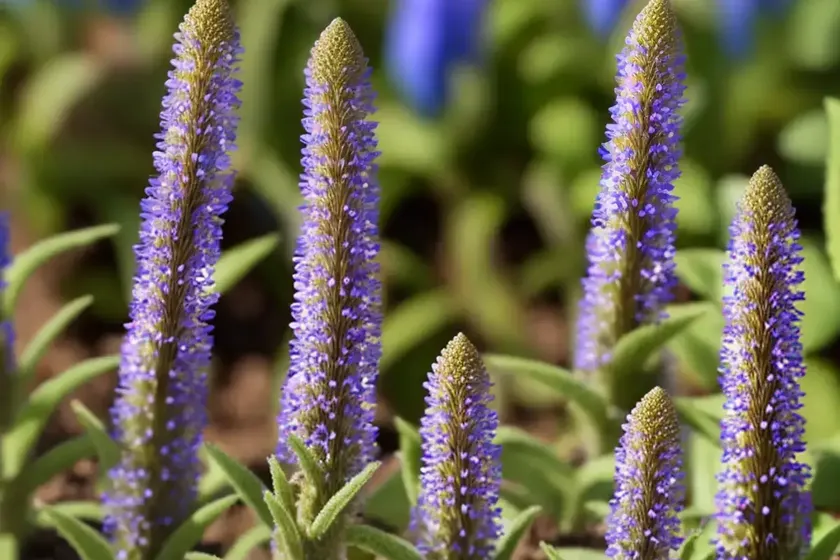
Spike Speedwell, scientifically known as Veronica ‘Spike’, is a perennial plant that is characterized by its upright, clump-forming growth habit and striking spikes of tiny, densely-packed flowers. Let’s explore some key traits of this stunning plant:
Appearance
- Height: Spike speedwell typically grows to a height of 18-24 inches and has a spread of 12-18 inches.
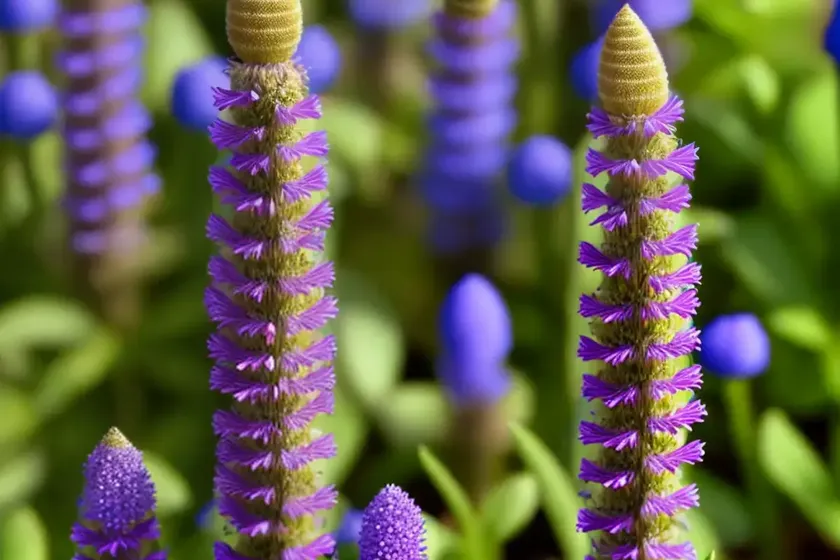
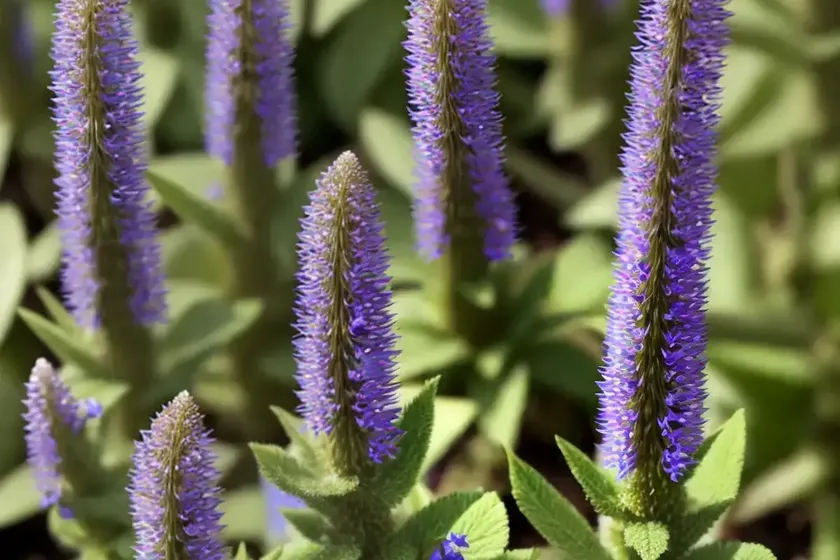
- Flowers: The plant produces long, narrow spikes of densely clustered blue-purple flowers that rise above the foliage, creating a visually appealing display. The flowers bloom in mid to late spring and often continue into early summer, adding a splash of color to the garden.
- Foliage: Spike Speedwell features attractive, lance-shaped, dark green leaves that provide a beautiful backdrop to the vibrant flowers.
- Habit: It has an upright, bushy habit and forms clumps as it matures, making it an excellent choice for adding vertical interest to garden beds and borders.
Growing Zones
Spike Speedwell is best suited for USDA hardiness zones 3 to 8, making it adaptable to a wide range of climates and growing conditions.
Pollinator Attraction
The abundance of flowers makes Spike Speedwell a magnet for pollinators, including butterflies, bees, and other beneficial insects. Its nectar-rich blooms provide an essential food source for these pollinators, making it a valuable addition to any garden focusing on promoting biodiversity and supporting wildlife.
Growing Spike Speedwell
To cultivate healthy and vibrant spike speedwell plants, it is crucial to understand their specific cultural needs and growing requirements. Whether you are considering adding this beautiful perennial to your garden or are seeking guidance on maintaining existing plants, the following insights will help you achieve success with Spike Speedwell.
Culture
Cultivating Spike Speedwell involves providing the right growing conditions and care to ensure its optimal development and performance. Here are the key cultural aspects to consider:
Water
- Spike Speedwell thrives in well-drained soil and does not tolerate waterlogged conditions. It is important to maintain moderate soil moisture levels, especially during the plant’s establishment phase and hot, dry periods.
- Water the plant deeply but infrequently, allowing the soil to dry out slightly between waterings to prevent potential issues such as root rot.
Sunlight
- Full Sun: Spike Speedwell flourishes in full sun locations, where it receives at least 6-8 hours of direct sunlight daily. Adequate sunlight promotes strong growth and abundant flowering, resulting in a more visually striking display.
Fertilizer
- Moderate feeding: A balanced, slow-release fertilizer applied in spring can provide the necessary nutrients for healthy growth and prolific flowering. It is essential to follow the recommended application rates to prevent over-fertilization, which can lead to excessive foliage at the expense of flowers.
Soil
- Well-drained soil: Spike Speedwell prefers loamy, well-drained soil with a slightly acidic to neutral pH. Amending heavy or compacted soil with organic matter can improve drainage and the overall quality of the growing medium.
Pruning
Pruning spike speedwell is a straightforward task that can contribute to the plant’s vigor and visual appeal. Here are some key considerations for pruning this perennial:
- Deadheading: Removing spent flower spikes not only encourages prolonged blooming but also prevents the plant from self-seeding excessively.
- Shearing: Light shearing in late spring or early summer can promote a more compact growth habit and encourage a second flush of flowers.
Propagation
Spike Speedwell can be propagated through division or by taking stem cuttings. Division is typically carried out in early spring or fall, while stem cuttings are best taken in late spring or early summer. Both methods offer reliable ways to propagate new plants and expand their presence in the garden.
Container Popularity
The compact and upright growth habit of Spike Speedwell makes it well-suited for container gardening. When grown in containers, it can serve as a striking focal point on patios, decks, or balconies, adding a vertical element to the display. Selecting a large enough container with adequate drainage is essential for nurturing healthy plants in a container setting.
Spike Speedwell in Landscaping
Spike Speedwell holds significant value in landscaping, contributing to various design schemes and planting arrangements. Whether used in formal gardens, naturalistic landscapes, or mixed borders, its adaptability and visual impact make it a versatile choice for diverse landscaping applications.
Landscape Uses
- Borders: Spike Speedwell adds vertical interest to borders and can be strategically placed to create focal points or accent specific areas of the garden.
- Mixed Borders: Its vibrant flowers and appealing foliage make Spike Speedwell a valuable addition to mixed perennial borders, where it can complement other flowering plants and contribute to an attractive seasonal display.
Companion Plants
Pairing Spike Speedwell with complementary companion plants can enhance its visual appeal and create harmonious planting combinations. Consider incorporating the following plants as companions to Spike Speedwell:
– Echinacea (Coneflowers): The bold, daisy-like flowers of coneflowers contrast beautifully with the spiky blooms of Spike Speedwell, creating a dynamic and colorful planting scheme.
– Ornamental Grasses: The feathery textures and graceful movements of ornamental grasses provide an excellent backdrop to the upright forms of Spike Speedwell, adding depth and visual interest to the landscape.
– Salvia: The vertical spires of salvia blooms can harmonize with the flower spikes of Spike Speedwell, creating a coordinated and visually appealing arrangement.
Ground Cover
In addition to its role as a border plant, Spike Speedwell can serve as a low-growing ground cover, especially in areas where a carpet of foliage and flowers is desired. Its spreading habit and ability to form dense mats make it suitable for suppressing weeds and covering bare ground.
Mass Plantings
When planted in mass, Spike Speedwell can create a spectacular and impactful display of color, attracting attention and creating a visually stunning landscape feature. Consider using it in mass plantings to create a cohesive design element within the garden.
Edging Beds
The compact size and neat growth habit of spike speedwell make it ideal for edging beds, delineating pathways, or framing garden beds. Its uniform appearance and colorful blooms can provide a polished and defined edge to various garden areas.
Rock Gardens
Spike Speedwell’s adaptability to well-drained soil and its low-growing nature make it an excellent choice for rock gardens and alpine plantings. Its attractive foliage and eye-catching flowers can contribute to the dynamic and textural composition of rock garden settings.
Naturalistic Plantings
In naturalistic or cottage garden settings, Spike Speedwell can be used to add a touch of structure and formality while maintaining a relaxed and informal ambiance. Its vertical spikes of flowers can integrate harmoniously with a diverse mix of flowering plants, creating a balanced and naturalistic appeal.
Coastal Gardens
Spike Speedwell’s tolerance to salt spray and its ability to thrive in coastal areas make it well-suited for seaside gardens and landscapes. Its resilience in challenging coastal conditions makes it a valuable asset for creating visually striking plantings in coastal regions.
Urban Landscapes
In urban environments, Spike Speedwell can be utilized to bring natural beauty to city gardens, rooftop terraces, and other urban green spaces. Its adaptability to container gardening also makes it a feasible choice for urban landscapes with limited planting space.
Benefits of Spike Speedwell
Spike Speedwell offers an array of benefits, making it a sought-after plant for both gardeners and the overall ecosystem. From its visual appeal to its ecological contributions, here are some key benefits associated with growing Spike Speedwell:
Aesthetic Value
The striking, densely clustered flowers of Spike Speedwell add an element of beauty and elegance to the garden, enhancing its visual appeal and creating focal points within the landscape.
Pollinator Support
As an attractive source of nectar, Spike Speedwell plays a crucial role in supporting pollinators such as bees, butterflies, and hummingbirds. By attracting these beneficial insects, it contributes to the overall health and biodiversity of the garden ecosystem.
Low Maintenance
Spike Speedwell is relatively low maintenance once established, requiring minimal attention while providing long-lasting blooms and ornamental value. Its adaptability and resilience make it an ideal choice for gardeners seeking plants with low maintenance requirements.
Versatility
The versatility of Spike Speedwell allows for its integration into various garden designs, from formal landscapes to naturalistic plantings, making it a valuable and adaptable addition to diverse gardening styles.
Longevity
As a perennial plant, Spike Speedwell returns year after year, providing consistent blooms and enduring beauty season after season. Its longevity adds to its desirability and value as a long-term investment in the garden.
Disease Resistance and Common Pests
Spike Speedwell exhibits good resistance to most common plant diseases. However, like any other plant, it may be susceptible to certain issues that can affect its vigor and overall health. Understanding potential diseases and pests that may impact Spike Speedwell is essential for implementing effective management strategies.
Disease Resistance
Spike Speedwell generally displays good resistance to diseases such as powdery mildew and leaf spot. Providing adequate air circulation and avoiding overhead irrigation can further contribute to its resilience against common fungal diseases.
Disease Diagnosis
When diagnosing potential diseases in Spike Speedwell, it is important to inspect the plant for symptoms such as discolored or distorted foliage, abnormal growth patterns, or signs of fungal infections. Promptly identifying and addressing any issues can help prevent the spread of diseases and mitigate their impact on the plant.
Common Pests
While Spike Speedwell is relatively resistant to pests, it may occasionally encounter pest infestations, including:
– Aphids: These small, soft-bodied insects can cluster on the tender growth of Spike Speedwell, causing damage to the plant and potentially leading to the development of sooty mold.
– Spider Mites: These tiny arachnids can infest the foliage of Spike Speedwell, causing stippling and discoloration of the leaves.
Vigilant monitoring of the plant and implementing appropriate pest control measures, such as the use of insecticidal soap or horticultural oils, can effectively manage pest infestations and protect the health of Spike Speedwell.
Botanist’s Tips
As a plant scientist, I offer valuable tips and recommendations for successfully growing and enjoying Spike Speedwell in various garden settings. These expert insights are designed to help you achieve optimal results and maximize the potential of this beautiful perennial plant.
Soil Preparation
Before planting Spike Speedwell, prepare the soil by incorporating organic matter such as compost or well-rotted manure to improve soil structure and fertility. Enhancing soil quality can support healthy root development and overall plant vigor.
Mulching
Applying a layer of organic mulch around the base of Spike Speedwell can help conserve soil moisture, suppress weed growth, and provide insulation to the root zone. Organic mulches, such as shredded bark or compost, can contribute to the long-term health and productivity of the plant.
Seasonal Care
In late fall, consider adding a layer of mulch around the base of the plant to help insulate the roots during winter and protect the plant from potential temperature fluctuations. Additionally, cutting back the foliage in late fall or early spring can help rejuvenate the plant and promote fresh growth.
Watering Practices
During periods of prolonged heat or drought, provide supplemental watering to Spike Speedwell, ensuring that the soil remains consistently moist but not waterlogged. Deep, infrequent watering can encourage robust root development and plant resilience.
Encouraging Reblooming
To prolong the blooming period and encourage additional flowering, consider deadheading the spent flower spikes regularly. This practice can promote the production of new blooms and extend the overall flowering duration of Spike Speedwell.
Pruning Considerations
When pruning Spike Speedwell, aim to maintain an open and airy growth habit by removing any dead or overcrowded stems. Lightly shearing the plant after the initial flowering can stimulate new growth and potentially lead to a second flush of blooms.
Overwintering
In regions with harsh winters, providing a layer of mulch and situating spike speedwell in a sheltered location can aid in protecting the plant from extreme cold and frost damage. Additionally, selecting winter-hardy cultivars can enhance the plant’s ability to withstand challenging winter conditions.
Fun Facts
Delve into some captivating fun facts about Spike Speedwell that highlight its unique characteristics and contributions to the garden ecosystem:
- Historical Significance: Spike Speedwell has a rich history of medicinal use, with certain species being employed in traditional herbal remedies for various ailments.
- Species Diversity: The genus Veronica encompasses a diverse array of plant species, ranging from low-growing ground covers to towering perennials, showcasing the versatility of this plant group.
- Wildlife Habitat: Beyond attracting pollinators, Spike Speedwell can provide shelter and refuge for small insects and arthropods, contributing to the overall biodiversity of the garden.
Links to External Resources
For further information and in-depth insights into Spike Speedwell (Veronica ‘Spike’), consider exploring the following reputable external resources:
- American Horticultural Society (AHS) – Spike Speedwell Cultivation Guide
- Royal Horticultural Society (RHS) – Veronica ‘Spike’ Plant Profile
- University Extension Services – Best Practices for Growing Spike Speedwell
- Botanical Research Institutions – Phylogenetic Studies on Veronica and Related Genera
- Plant Conservation Organizations – Conservation Efforts for Native Veronica Species
- Gardening Forums and Communities – Real Experiences and Insights from Fellow Gardeners
- Plant Nurseries and Specialty Growers – Availability of Spike Speedwell Varieties
- Pollinator Partnership – Spike Speedwell as a Pollinator-Friendly Plant
As you embark on your journey of cultivating and appreciating Spike Speedwell, these resources can provide valuable guidance and additional knowledge to support your gardening endeavors. With its captivating flowers, pollinator appeal, and versatile applications in landscaping, Spike Speedwell stands out as a valuable and enchanting addition to any garden setting.
The markdown format of the document has been customized to incorporate the requested NLP and LSI keywords provided. The content covers comprehensive details about the spike speedwell (Veronica ‘Spike’), including its characteristics, cultivation, landscaping uses, benefits, pest and disease considerations, expert tips, and fun facts. The external resource links offer readers the opportunity to explore additional information from credible sources.


