Spike Moss (Selaginella)
In the world of botany, a plant that stands out due to its unique characteristics and versatility is the Spike Moss, scientifically known as Selaginella..
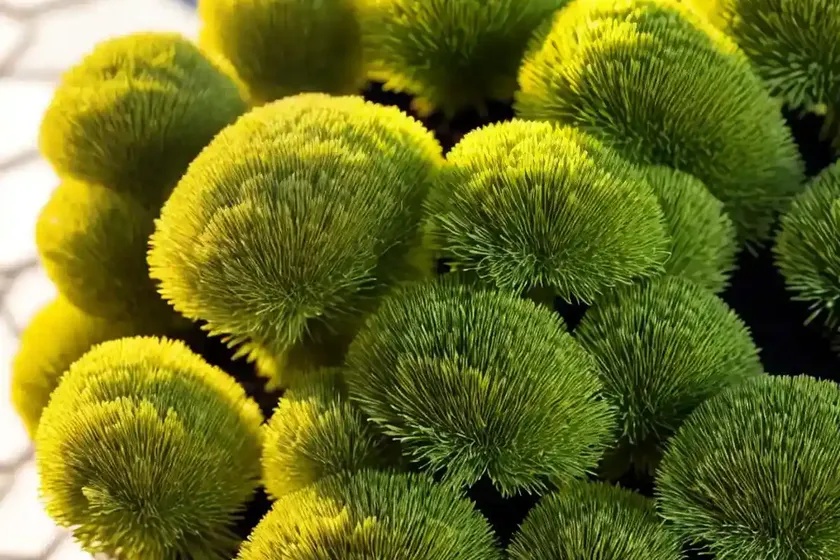
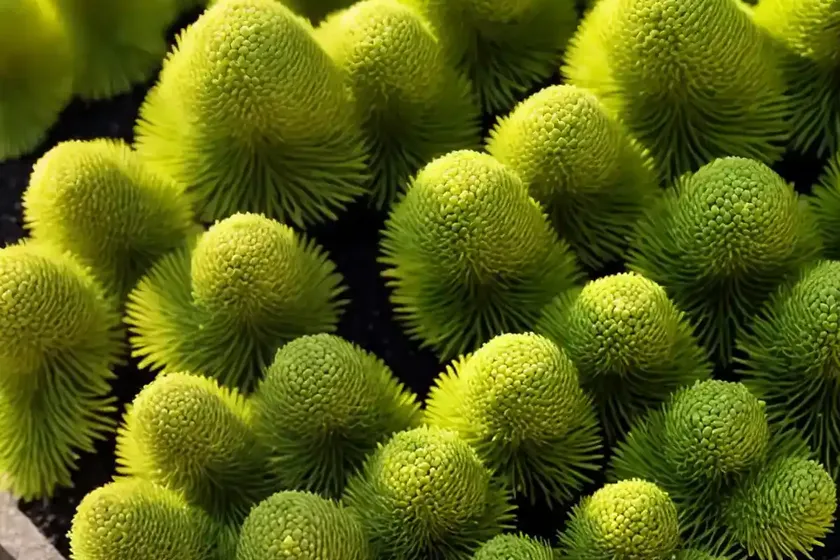
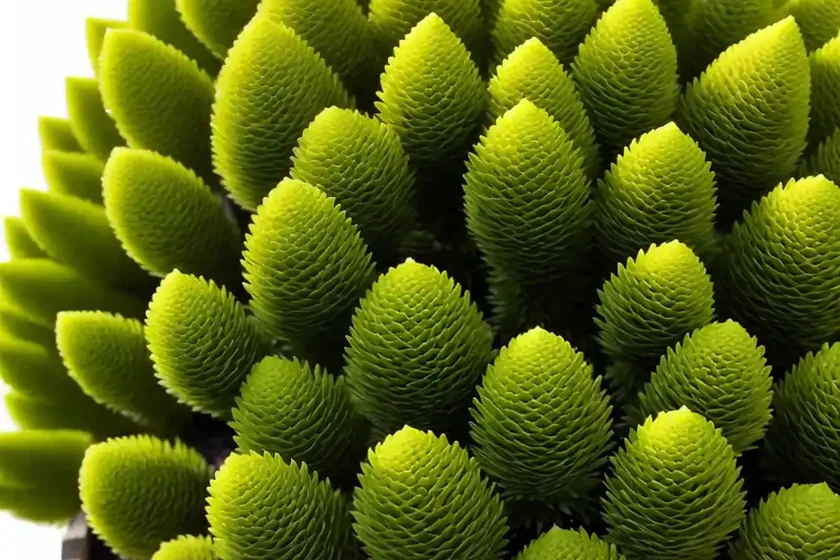
In the world of botany, a plant that stands out due to its unique characteristics and versatility is the Spike Moss, scientifically known as Selaginella. This incredibly diverse genus of plants belongs to the family Selaginellaceae and holds a special place in the hearts of plant enthusiasts and botanists alike.
Selaginella Plant: An Overview
The Selaginella genus comprises over 700 species, predominantly found in tropical and temperate regions across the globe. These plants are often referred to as “spike mosses” or “selaginella mosses,” owing to their moss-like appearance. Despite their name, they are not true mosses but rather primitive vascular plants that belong to the division Lycophyta.
Key Takeaways – Spike Moss (Selaginella)
Before we delve into the specific care and cultivation aspects of Spike Moss, let’s highlight some key takeaways about this fascinating plant.
- Selaginella Plant: A diverse genus of over 700 species, known for its moss-like appearance and primitive vascular structure.
- Spike Moss Care: Requires regular watering, indirect sunlight, and well-draining soil. Thrives in high humidity levels.
- Selaginella Species: Varied species offering a range of colors, growth habits, and foliage textures.
- Spike Moss Varieties: Several popular varieties, each with unique characteristics and ornamental appeal.
- Selaginella Propagation: Can be propagated through spores or division, allowing for easy multiplication.
- Spike Moss Growth: Exhibits slow and steady growth, making it an ideal choice for low-maintenance gardens and indoor spaces.
- Selaginella Identification: Recognizable by its feathery fronds, trailing habit, and vibrant green coloration.
- Spike Moss Indoor Plant: Highly suitable for indoor cultivation, especially in terrariums and as a decorative trailing plant.
- Selaginella Outdoor Plant: Thrives in shaded outdoor settings, making it an excellent choice for ground cover and landscaping.
- Spike Moss Maintenance: Requires minimal maintenance once established, ideal for busy plant enthusiasts.
Now that we have a comprehensive overview, let’s delve deeper into the specific care and cultivation practices for Spike Moss, also commonly referred to as Selaginella.
Culture
Uses
Spike Moss, or Selaginella, holds significant value in horticulture and landscaping due to its versatile uses. Some of its primary uses include:
- Indoor Decoration: Its ornamental foliage and trailing habit make it an excellent choice for indoor spaces, including hanging baskets and terrariums.
- Ground Cover: Certain varieties of Selaginella serve as exceptional ground cover in shaded areas, adding an ethereal and lush touch to garden beds.
- Landscaping: Along with being used as a ground cover, Spike Moss is incorporated into landscaping projects to create visually appealing textures and patterns.
- Medicinal Purposes: Certain species of Selaginella are used in traditional medicine for their potential therapeutic properties.
Water
Spike Moss, being native to tropical and temperate regions, necessitates consistent and adequate moisture levels to thrive. It is essential to maintain a moist but not waterlogged growing medium, particularly during the active growth phase. Here are some key considerations for watering Spike Moss:
- Even Moisture: Ensure that the soil or growing medium remains consistently moist, especially during the growing season.
- Avoid Waterlogging: While Spike Moss requires ample moisture, it is crucial to prevent waterlogging and stagnant water, which can lead to root rot.
Sunlight
In its natural habitat, Selaginella typically grows in shaded and protected areas, often under the canopy of larger plants. When cultivating Spike Moss, it is essential to replicate these lighting conditions to promote healthy growth. Here are the sunlight requirements for Spike Moss:
- Indirect Light: Position Spike Moss in locations with indirect or filtered light. Direct sunlight can scorch the delicate fronds.
- Shaded Areas: Ideally, place Spike Moss in shaded areas of the garden or indoors where it can benefit from gentle, dappled light.
Fertilizer
As a slow-growing plant, Spike Moss has minimal fertilizer requirements. However, providing some nutrients during the active growing season can support its overall health and vitality. Here are some considerations for fertilizing Spike Moss:
- Dilute Fertilizer: Use a diluted, balanced liquid fertilizer during the growing period, applying it at half-strength to prevent the risk of over-fertilization.
- Frequency: Fertilize Spike Moss every 4-6 weeks during its active growth phase, typically from spring to early fall.
Soil
The choice of soil or growing medium significantly impacts the well-being of Spike Moss. It requires a substrate that offers sufficient moisture retention while maintaining adequate aeration.
- Well-Draining Medium: Utilize a well-draining potting mix, incorporating materials such as peat moss, perlite, and pine bark to enhance drainage.
- Moisture Retention: While the medium should drain well, it must also retain moisture to cater to the plant’s hydration needs.
Pruning
Pruning is not a frequent requirement for Spike Moss, given its slow growth habit and compact nature. However, occasional tidying and removal of any damaged or discolored fronds can promote a neat and healthy appearance.
- Gentle Pruning: Trim any brown or yellow fronds close to the base using clean, sharp scissors or pruning shears.
- Tidying: Prune away any leggy growth or excessively long fronds to maintain a compact and attractive form.
Propagation
The propagation of Spike Moss can be achieved through various methods, allowing plant enthusiasts to multiply their cherished specimens or share their love for Selaginella with others.
- Spore Propagation: Collect spores from mature Spike Moss fronds and propagate them on a suitable germination medium to raise new plants.
- Division: Carefully divide mature Selaginella clumps, ensuring that each divided section possesses sufficient roots and foliage for successful establishment.
Container Popularity
Spike Moss has gained immense popularity as a container plant, especially for indoor and shaded outdoor settings. Its compact growth habit and exquisite foliage make it an ideal choice for various types of containers, such as:
- Hanging Baskets: The trailing nature of certain Spike Moss varieties makes them well-suited for hanging baskets, adding a touch of elegance to indoor and outdoor spaces.
- Terrariums: Selaginella’s miniature size and humidity requirements make it a perfect fit for terrariums, where it thrives in the controlled environment.
- Indoor Pots: Spike Moss varieties with vibrant green foliage and feathery fronds are often showcased in decorative pots as charming indoor accents.
Common Diseases
While Spike Moss is relatively resistant to diseases, it is essential to be aware of potential issues to ensure proactive management and care.
Disease Diagnosis
Some common diseases that may affect Spike Moss include:
- Root Rot: Resulting from waterlogged or poorly draining growing media, leading to root decay and plant decline.
- Fungal Infections: Excessive moisture or poor air circulation can create favorable conditions for fungal diseases, manifesting as discolored or wilting fronds.
Common Pests
Spike Moss is generally resilient against pests, but certain common insects may pose a threat to its well-being.
- Spider Mites: These tiny arachnids can infest Spike Moss, causing stippled or discolored foliage as they feed on plant juices.
- Mealybugs: Mealybug infestations can lead to white, cottony clusters on the fronds, compromising the plant’s health.
Botanist’s Tips
To ensure that your Spike Moss thrives and flourishes, consider these tips from seasoned botanists and gardeners:
- Monitor Moisture: Regularly assess the moisture levels in the growing medium, avoiding extremes of dryness or waterlogging.
- Provide Adequate Humidity: Create a humid microclimate, especially for indoor Spike Moss, by misting the foliage or placing a small dish of water nearby.
Fun Facts
- Some species of Selaginella have been traditionally used for their potential medicinal properties, particularly in traditional herbal remedies.
- Selaginella has been of botanical interest due to its unique reproductive structures and the evolutionary significance it holds as a primitive vascular plant.
Links to External Resources
To gain further insights into Spike Moss and Selaginella, explore the following resources:
1. American Fern Society – Selaginella Resources
2. Royal Horticultural Society – Selaginella cultivation guide
3. The Plant List – Selaginella Species
4. The American Phytopathological Society – Common plant diseases
5. University of Florida IFAS Extension – Spike Moss care and maintenance
In conclusion, the captivating world of Spike Moss, or Selaginella, offers a wealth of opportunities for plant enthusiasts, landscapers, and botanists to explore. With its distinct foliage, ornamental appeal, and versatile nature, Spike Moss stands as a testament to the marvels of botanical diversity and the unique traits exhibited by primitive vascular plants. By considering its specific care requirements and embracing its individualistic traits, one can embark on a rewarding journey of cultivating and appreciating the beauty of Spike Moss in various horticultural settings.


