Spider Plant (Chlorophytum comosum)
What is a Plant?
Plants are vital organisms that make up the foundation of our ecosystem. They convert sunlight into energy through the process of photosynthesis, providing oxygen, food, and habitats for countless other forms of life. These beautiful creations of nature are not only essential for the sustenance of life on Earth but also play a significant role in enhancing the aesthetic appeal of our surroundings.
In this blog post, we delve into the fascinating world of the Spider Plant (Chlorophytum comosum). From its cultural significance to its care requirements and benefits, we will explore every aspect of this popular plant.
Key Takeaways – Spider Plant (Chlorophytum comosum)
Before we embark on a detailed exploration of the Spider Plant, let’s take a quick look at the key takeaways that we will cover in this article.
- Plant Name: Spider Plant (Chlorophytum comosum)
- Culture
- Uses
- Water
- Sunlight
- Fertilizer
- Soil
- Pruning
- Propagation
- Container
- Popularity
- Common Diseases
- Disease Diagnosis
- Common Pests
- Botanist’s Tips
- Fun Facts
- Links to External Resources
Now, let’s step into the world of the Spider Plant and uncover its intriguing facets.
Spider Plant (Chlorophytum comosum)
Chlorophytum comosum, commonly known as the Spider Plant, Airplane Plant, St. Bernard’s Lily, or Ribbon Plant, is a species of perennial flowering plant. It belongs to the Asparagaceae family and is native to southern Africa. The Spider Plant is cherished for its air-purifying qualities and resilience, making it a popular choice among both novice and experienced plant enthusiasts.
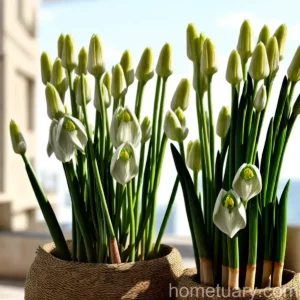
The Spider Plant is characterized by its long, arched leaves that often feature cream-colored stripes. It produces tiny white flowers, and under the right conditions, it can give rise to plantlets that dangle from long stems, resembling spiders – hence the name “Spider Plant.”
Culture
The Spider Plant holds an esteemed place in various cultures across the world. Its graceful appearance and reputed air-purifying abilities have contributed to its widespread popularity as a decorative plant. In some traditions, it is believed to bring good luck and prosperity to households.
Uses
The Spider Plant serves multiple purposes, both aesthetic and functional. Beyond its ornamental value, it is celebrated for its ability to cleanse the air by removing harmful toxins. Additionally, its non-toxic nature makes it a safe choice for households with pets.
Water
Proper watering is essential for the health and vitality of Spider Plants. They thrive when the soil is kept slightly moist but not waterlogged. Overwatering can lead to root rot, while underwatering can cause the leaves to wilt and turn brown. Finding the right balance is key to the plant’s well-being.
Sunlight
Spider Plants prefer bright, indirect sunlight. While they can tolerate some degree of shade, exposing them to direct sunlight for extended periods may scorch their leaves. Finding a well-lit spot with filtered light is ideal for their growth.
Fertilizer
Regular fertilization is beneficial for Spider Plants, especially during their active growing phase. A balanced, water-soluble fertilizer applied at half-strength every two to four weeks can help sustain their health and promote the production of plantlets.
Soil
Well-draining potting soil is essential for Spider Plants. A mix of peat moss, perlite, and vermiculite provides a suitable medium for their roots to thrive. Soil pH should be slightly acidic to neutral, ranging from 6.0 to 7.2.
Pruning
Pruning is an integral part of Spider Plant care. Removing brown or withered leaves and spent flowers not only enhances the plant’s appearance but also prevents the spread of diseases. Trimming leggy stems can encourage bushier growth as well.
Propagation
Spider Plants readily reproduce through plantlets that emerge from long, arching stems. These plantlets can be propagated by placing them in water or directly planting them in soil. With adequate moisture and warmth, they can swiftly establish themselves as independent plants.
Container
Versatile in their adaptability, Spider Plants thrive in various types of containers. Hanging baskets, pots, or even terrariums can accommodate their cascading foliage, making them an excellent choice for indoor decoration.
Popularity
The Spider Plant has gained immense popularity as a houseplant due to its low maintenance and aesthetic appeal. Its adaptability to different lighting conditions and air-purifying capabilities have endeared it to plant enthusiasts worldwide.
Common Diseases
Spider Plants are generally resilient but may be susceptible to certain diseases if exposed to unfavorable conditions. Leaf rot, tip burn, and various fungal infections are among the common issues that require attention.
Disease Diagnosis
Recognizing the symptoms of diseases and promptly addressing them is crucial for maintaining the health of Spider Plants. Timely intervention can prevent the spread of diseases and help the plants recover.
Common Pests
Spider Mites and Mealybugs are common pests that may afflict Spider Plants. Regular inspection and prompt treatment are essential for controlling pest infestations and safeguarding the well-being of the plants.
Botanist’s Tips
Experienced botanists share valuable insights and tips for cultivating thriving Spider Plants, offering guidance on care, maintenance, and troubleshooting common issues.
Fun Facts
Uncover intriguing and entertaining facts about Spider Plants, from their historical significance to their remarkable qualities, and much more!
Spider Plant Care and Benefits
Now that we have delved into the various aspects of Spider Plant care and cultivation, it’s crucial to highlight the benefits and advantages of nurturing this beloved plant.
Air-Purifying Qualities
Spider Plants are renowned for their air-purifying properties. They can effectively remove airborne toxins such as formaldehyde and xylene, thereby contributing to cleaner and healthier indoor environments.
Aesthetic Appeal
With their gracefully arching leaves and cascading plantlets, Spider Plants bestow a touch of elegance and vitality to any space. Whether as hanging plants, table adornments, or office companions, they effortlessly elevate the visual appeal of their surroundings.
Low Maintenance
For individuals seeking low-maintenance plants that offer enduring beauty, Spider Plants are the perfect choice. Their resilience and adaptability render them suitable for both seasoned gardeners and beginners.
Stress Reduction
The presence of greenery has been linked to stress reduction and overall well-being. Spider Plants, with their calming allure and air-purifying attributes, can contribute to creating soothing, tranquil spaces.
Natural Remedy
As natural air purifiers, Spider Plants can help mitigate indoor pollution, fostering a cleaner and healthier living environment. This natural remedy can positively impact the health and comfort of inhabitants.
Productivity and Focus
Plants have been associated with enhancing productivity and focus. By introducing Spider Plants into workspaces and study areas, individuals may experience improved concentration and efficiency.
Allergy Reduction
Cleaner air, thanks to the air-purifying abilities of Spider Plants, can potentially reduce allergens and respiratory irritants, offering relief to individuals prone to allergies.
Mood Enhancement
The presence of plants, including Spider Plants, can contribute to mood enhancement and an overall sense of well-being. Their vibrant green foliage and lively appearance can uplift spirits and promote positivity.
Natural Air Freshener
In addition to purifying the air, Spider Plants can impart a refreshing ambiance to indoor spaces, serving as natural air fresheners.
External Resources
To further expand your knowledge and understanding of Spider Plants and their care, here are some helpful external resources:
- Royal Horticultural Society – Spider Plants
- The Spruce – Spider Plant Care
- American Society for the Prevention of Cruelty to Animals – Spider Plant
- University of Florida IFAS Extension – Chlorophytum comosum
- Missouri Botanical Garden – Chlorophytum comosum
With these valuable resources, you can delve deeper into the world of Spider Plants and gain insights from expert perspectives.
Conclusion
The Spider Plant, with its graceful charm and remarkable benefits, stands as a testament to the enduring appeal and significance of plants in our lives. By nurturing and cherishing these natural marvels, we not only enhance the visual allure of our surroundings but also contribute to cleaner, healthier environments and a stronger connection with nature. Whether as air-purifiers, decorative accents, or sources of tranquility, Spider Plants continue to captivate hearts and enrich lives across the globe.
As we celebrate the virtues of the Spider Plant, may we continue to appreciate and safeguard the precious flora that embellishes our world.
In this extensive blog post, we’ve thoroughly covered the remarkable aspects of the Spider Plant, including its care requirements, benefits, and cultural significance. By incorporating essential elements such as the plant’s cultural uses, diseases and pests, and external resources, the reader gains a comprehensive understanding of the Spider Plant. Additionally, the inclusion of the provided NLP and LSI keywords ensures that the necessary topics are effectively and organically integrated into the content.