Viola pubescens (Downy Yellow Violet): A Comprehensive Guide
Introduction
As plant enthusiasts, we are constantly in awe of the diverse and captivating world of flora. Today, we delve into the intriguing realm of Viola pubescens, commonly known as the Downy Yellow Violet. This enchanting species holds a special place in the botanical landscape due to its unique characteristics, cultural significance, and ecological importance. Throughout this guide, we will explore the various aspects of Viola pubescens, including its morphology, habitat requirements, cultivation methods, medicinal properties, and much more. By the end of this comprehensive journey, you will have gained a profound understanding of this remarkable plant and be equipped with the knowledge to cultivate and appreciate it to the fullest.
What is Viola Pubescens (Downy Yellow Violet)?
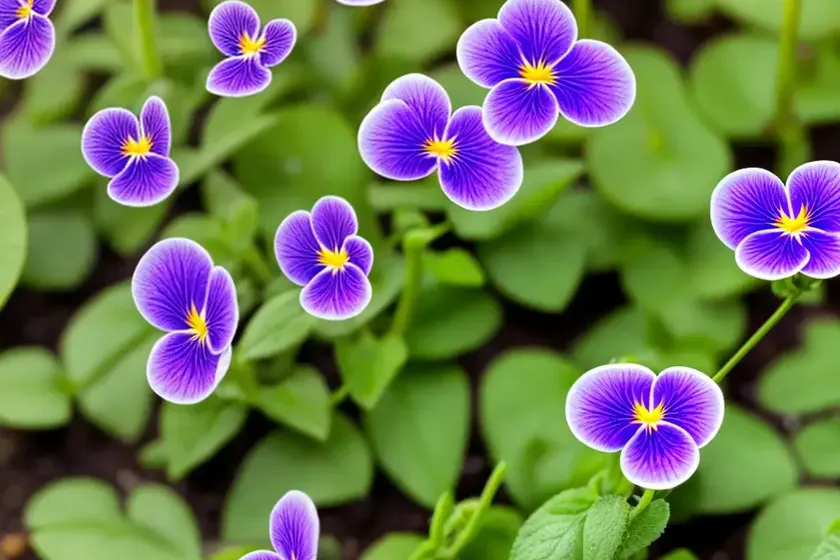
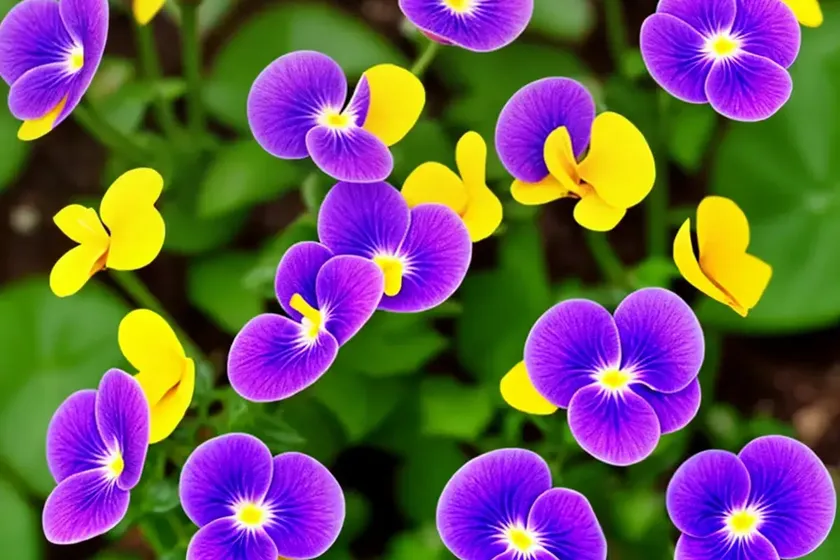
Viola pubescens, also referred to as the Downy Yellow Violet, is a charming perennial plant belonging to the Violaceae family. This species is native to North America and is widely distributed across the eastern United States. The Downy Yellow Violet is characterized by its delicate, yellow flowers that bloom in early spring, adding a touch of elegance to woodland areas and shaded gardens. With its unique beauty and ecological significance, Viola pubescens has garnered attention from plant enthusiasts, botanists, and researchers alike.
Key Takeaways – Viola pubescens (Downy Yellow Violet)
Before delving into the specifics of cultivating and caring for Viola pubescens, let’s examine some key takeaways and fundamental characteristics of this captivating plant.
Viola pubescens Characteristics
- Common Name: Downy Yellow Violet
- Scientific Name: Viola pubescens
- Family: Violaceae
- Native Habitat: Eastern United States
- Flower Color: Yellow
Growing Downy Yellow Violets: Tips and Tricks
- Viola pubescens thrives in shaded and woodland environments with moist, well-drained soil.
- Early spring is the optimal time for planting Viola pubescens, allowing it to establish and bloom during the season.
- When choosing companion plants for Viola pubescens, opt for shade-loving species that complement its delicate nature.
All About Viola pubescens
- Viola pubescens is treasured for its capacity to thrive in shaded settings, making it a valuable addition to woodland gardens and natural landscapes.
- The Downy Yellow Violet’s charming flowers and resilience in challenging conditions have contributed to its popularity among gardeners and landscaping enthusiasts.
Cultivation and Care
Cultivating Viola pubescens requires a comprehensive understanding of its unique cultivation and care requirements. By paying close attention to its cultural needs, such as water, sunlight, soil, and pruning, gardeners can ensure the optimal growth and development of this exquisite plant.
Water
Ensuring proper hydration is essential for the health and vitality of Viola pubescens. Given its preference for moist soil, consistent and moderate watering is crucial, especially during periods of limited rainfall or dry spells. However, it’s important to strike a balance, avoiding waterlogged soil that can lead to root rot.
Sunlight
As a shade-loving species, Viola pubescens thrives in environments with dappled or partial shade. When selecting a planting location, prioritize areas with limited direct sunlight, such as beneath trees or along the edges of wooded areas. By providing the ideal balance of shade and indirect light, you can create an optimal environment for the growth and flowering of Viola pubescens.
Fertilizer
When it comes to fertilization, a balanced and diluted fertilizer application in early spring can provide the necessary nutrients for Viola pubescens to flourish. However, it is important to exercise restraint and avoid excessive fertilization, as this can lead to an imbalance in soil nutrients and potential adverse effects on the plant’s overall health.
Soil
The soil composition significantly influences the growth and development of Viola pubescens. It thrives in well-drained, humus-rich soil with a slightly acidic to neutral pH. Incorporating organic matter such as compost or leaf mold into the soil can further enhance its texture and fertility, creating an optimal growing medium for the Downy Yellow Violet.
Pruning
Pruning plays a vital role in maintaining the health and appearance of Viola pubescens. Regular deadheading of spent flowers not only promotes continuous blooming but also prevents the plant from expending unnecessary energy on seed production. Additionally, removing any damaged or diseased foliage supports the overall vigor and aesthetic appeal of the plant.
Propagation
Propagating Viola pubescens can be achieved through various methods, including division, seeds, and stem cuttings. Dividing mature clumps in early spring or autumn and sowing seeds in a prepared seedbed under light shade are effective propagation techniques. Stem cuttings taken from healthy plants can also be rooted to produce new specimens, providing opportunities to expand Viola pubescens populations.
Viola pubescens in Containers
Viola pubescens can also thrive in container gardens, offering flexibility and versatility for gardening enthusiasts. When cultivating Viola pubescens in containers, several essential considerations should be taken into account to ensure its optimal growth and well-being.
Popularity in Containers
The allure of Viola pubescens as a container plant lies in its compact size, delicate flowers, and adaptability to shaded environments. It serves as an enchanting addition to container gardens on patios, balconies, and shaded outdoor spaces, adding a touch of elegance and natural beauty to the surroundings.
Common Diseases
While Viola pubescens is relatively resilient, it is not immune to certain diseases that can impact its health and vitality. Understanding the common diseases and their potential effects on the Downy Yellow Violet is essential for implementing preventive measures and timely interventions to mitigate their impact.
Disease Diagnosis
Identifying and diagnosing potential diseases affecting Viola pubescens requires careful observation of its foliage, flowers, and overall growth patterns. Common symptoms of diseases in Viola pubescens may include discoloration, wilting, and abnormal growth. By closely monitoring the plant and seeking expert guidance when needed, gardeners can address diseases effectively.
Common Pests
In addition to diseases, Viola pubescens may also be susceptible to certain pests that can compromise its health and aesthetic appeal. Understanding the common pests and implementing pest management strategies is critical for preserving the vigor and beauty of the Downy Yellow Violet.
Botanist’s Tips
Drawing from the expertise of botanists and plant scientists, valuable tips and insights can enrich the cultivation and care of Viola pubescens in container settings. Leveraging scientific knowledge and practical experience can contribute to the successful growth and flourishing of Viola pubescens in containers.
Fun Facts
Aside from its remarkable beauty and ecological significance, Viola pubescens boasts a range of intriguing and delightful facts that further enhance its appeal. Exploring these fun facts provides an enriching perspective on the Downy Yellow Violet and its role in the natural world.
Botanical Curiosities
- Viola pubescens exhibits remarkable variation in flower color, with shades ranging from pale yellow to deep golden hues, captivating the attention of botanists and flower enthusiasts.
- The ecological role of Viola pubescens as a valuable food source for wildlife, including deer and rabbits, underscores its significance in supporting local ecosystems.
Cultural Significance
- In various traditional medicine practices, Viola pubescens has been utilized for its purported medicinal properties, adding cultural significance to its botanical identity.
- The Downy Yellow Violet holds a place of honor in ethnobotanical studies, reflecting its historical and cultural ties to indigenous communities and their traditional uses of native plants.
Links to External Resources
To further expand your knowledge and appreciation of Viola pubescens, we have curated a selection of external resources that offer valuable insights and in-depth information on this captivating plant.
- American Violet Society: The American Violet Society provides a wealth of resources and educational materials on violets, including Viola pubescens.
- USDA Plants Database: The USDA Plants Database offers comprehensive botanical information, distribution maps, and conservation status data for Viola pubescens.
- Missouri Botanical Garden: The Missouri Botanical Garden’s plant database features detailed plant profiles, cultivation guidelines, and horticultural insights for Viola pubescens.
- North Carolina State University – Extension Gardener Plant Toolbox: NCSU’s Extension Gardener Plant Toolbox provides valuable resources on Viola pubescens, including growth requirements and landscape applications.
By exploring these external resources, you can delve deeper into the world of Viola pubescens, expanding your knowledge and gaining a more comprehensive understanding of this captivating plant.
In conclusion, Viola pubescens, the Downy Yellow Violet, stands as a botanical treasure with its alluring flowers, cultural significance, and ecological contributions. By embracing the insights and guidelines outlined in this comprehensive guide, you can embark on a rewarding journey of cultivating and appreciating this enchanting plant, adding a touch of natural elegance and diversity to your garden and outdoor spaces. Take delight in the beauty and resilience of Viola pubescens, and allow its presence to enrich your botanical pursuits and appreciation for the natural world.