Spearmint (Mentha Spicata)
Spearmint, scientifically known as Mentha spicata, is a fragrant herb that is prized for its culinary, medicinal, and aromatic properties. Belonging to the.
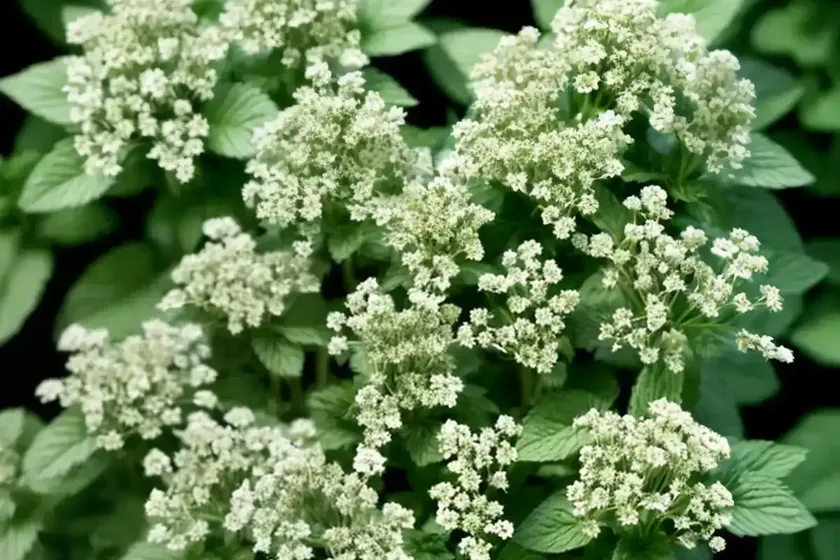
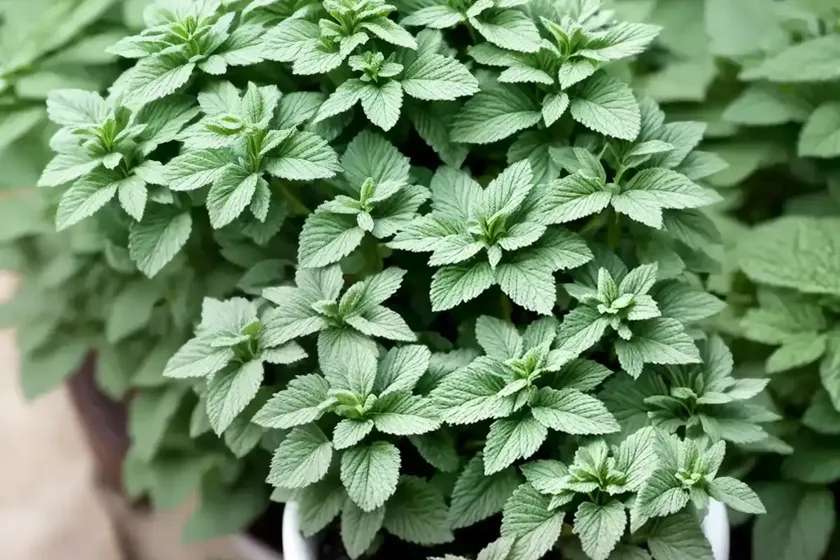
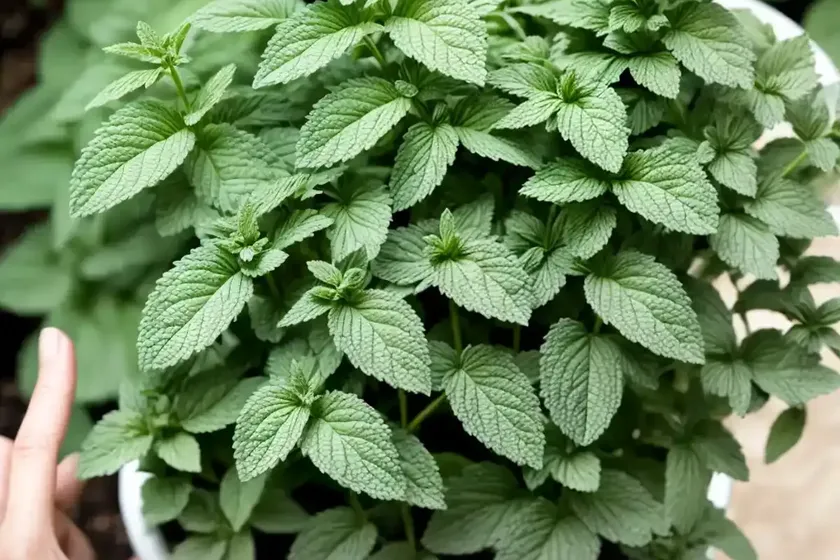
Spearmint, scientifically known as Mentha spicata, is a fragrant herb that is prized for its culinary, medicinal, and aromatic properties. Belonging to the Lamiaceae family, spearmint is a popular herb that is widely cultivated for its numerous uses. In this comprehensive guide, we will explore the various aspects of spearmint cultivation, including its cultural requirements, uses, and common diseases and pests. Additionally, we will delve into the rich history and folklore surrounding this versatile plant and provide expert tips for successful cultivation and care.
What is Spearmint (Mentha spicata)?
Spearmint, also known as garden mint, is a perennial herb that is native to Europe and parts of Asia. It is characterized by its distinctive spear-shaped, serrated leaves and a pleasant, refreshing aroma. The plant produces delicate lilac-colored flowers that are highly attractive to pollinators, making spearmint a valuable addition to any garden or landscape.
Key Takeaways – Spearmint (Mentha spicata)
Before we delve into the specifics of spearmint cultivation and care, let’s take a look at some key takeaways about this versatile herb.
- Spearmint Plant Family: Lamiaceae
- Spearmint Leaves: Spear-shaped, serrated, and highly aromatic
- Mentha spicata Benefits: Culinary, medicinal, aromatic
- Spearmint Essential Oil: Derived from the leaves of Mentha spicata
- Spearmint Uses: Culinary applications, medicinal remedies, aromatic purposes
- Spearmint Tea: Popular herbal infusion made from spearmint leaves
- Mentha spicata Cultivation: Prefers moist, well-drained soil and partial to full sunlight
- Spearmint Plant Care: Regular watering, adequate sunlight, and periodic fertilization
- Mentha spicata Varieties: Different cultivars with varying flavors and traits
- Spearmint Oil: Used in aromatherapy and for its refreshing scent
- Mentha spicata Growing Conditions: Thrives in temperate climates with adequate moisture
- Spearmint Medicinal Uses: Digestive aid, respiratory health, and oral hygiene
- Mentha spicata Culinary Uses: Flavoring for drinks, desserts, and savory dishes
- Spearmint Plant Propagation: Easily propagated from stem cuttings or division of clumps
- Mentha spicata Companion Plants: Complements a wide range of herbs and vegetables
- Spearmint for Digestion: Valued for its soothing and digestive properties
- Mentha spicata Growing Tips: Pruning, soil fertility, and pest management are essential for successful cultivation
Now that we have an overview of the key aspects of spearmint, let’s explore the specific cultural requirements for growing and caring for this versatile herb.
Culture
Cultivating spearmint successfully requires an understanding of its specific cultural requirements. From water and sunlight to soil and pruning, each aspect plays a crucial role in the plant’s growth and development.
Water
Spearmint thrives in moist soil and requires regular watering to maintain optimal growth. While it is important to keep the soil consistently moist, it is equally vital to ensure that the plant’s roots are not waterlogged. Overwatering can lead to root rot and other detrimental conditions, so it is important to strike a balance in watering practices.
Watering Tips for Spearmint:
* Water regularly to keep the soil consistently moist, especially during hot and dry periods.
* Ensure that the soil has adequate drainage to prevent waterlogging, which can be detrimental to the plant’s health.
* Mulching around the base of the plant can help retain soil moisture and reduce water evaporation.
Sunlight
Spearmint thrives in partial to full sunlight, making it well-suited for cultivation in a variety of garden settings. Adequate sunlight is crucial for promoting healthy growth and ensuring the development of flavorful, aromatic leaves.
Sunlight Requirements for Spearmint:
* Plant in an area that receives at least 4-6 hours of direct sunlight per day.
* In particularly hot climates, partial shade during the hottest parts of the day can help prevent the plant from wilting or suffering from sunburn.
* Rotate pots or containers regularly to ensure even exposure to sunlight for potted spearmint plants.
Fertilizer
While spearmint is not a heavy feeder, it can benefit from periodic fertilization to support robust growth and prolific leaf production. Applying a balanced, all-purpose fertilizer can provide the plant with essential nutrients, particularly in nutrient-poor soils.
Fertilizing Guidelines for Spearmint:
* Use a balanced, all-purpose fertilizer with a formulation such as 10-10-10 or 5-5-5.
* Apply fertilizer in early spring as new growth emerges and again in mid-summer to support the plant’s second flush of growth.
* Avoid over-fertilization, as excessive nitrogen can lead to lush foliage at the expense of flavor intensity.
Soil
The type of soil in which spearmint is cultivated can significantly impact its growth and overall health. Well-drained, fertile soil with a slightly acidic to neutral pH is ideal for this herb, and it is important to take soil composition into consideration when planting or repotting spearmint.
Soil Requirements for Spearmint:
* Use well-drained, loamy soil with a pH range of 6.0 to 7.0 for optimal growth.
* Incorporate organic matter such as compost or aged manure into the soil to improve its texture and fertility.
* Avoid heavy, compacted soils that can impede root development and lead to waterlogging.
Pruning
Pruning is an essential aspect of spearmint care, as it helps manage the plant’s growth, encourages bushier growth, and prevents it from becoming overly leggy. Regular pruning also promotes the production of fresh, tender leaves that are highly valued for culinary and medicinal applications.
Pruning Techniques for Spearmint:
* Trim back the tips of the stems regularly to encourage bushy, compact growth.
* Remove any leggy or straggly growth to maintain an attractive and productive plant.
* Harvest leaves regularly for culinary or medicinal use, which naturally stimulates new growth.
Uses
Spearmint is prized for its versatile uses, ranging from culinary applications to medicinal remedies and aromatic purposes. Let’s explore the various ways in which spearmint can be utilized and integrated into daily life.
Culinary Uses
One of the most popular applications of spearmint is as a flavoring agent in culinary preparations. The herb’s refreshing, minty flavor adds a delightful dimension to a wide range of dishes, including beverages, desserts, and savory meals.
Culinary Applications of Spearmint:
* Flavoring for beverages such as mint juleps, mojitos, and herbal teas
* Ingredient in desserts such as mint chocolate chip ice cream and mint-infused syrups
* Addition to savory dishes including salads, sauces, and marinades
* Garnish for various culinary creations, adding a vibrant pop of color and flavor
Medicinal Remedies
Spearmint has a long history of use in traditional medicine and herbal remedies. Its aromatic leaves contain essential oils and bioactive compounds that contribute to its potential health benefits.
Medicinal Uses of Spearmint:
* Digestive Aid: Spearmint is valued for its carminative properties, which can help alleviate indigestion and discomfort associated with gastrointestinal issues.
* Respiratory Health: The menthol content in spearmint leaves can provide respiratory relief and support clear breathing.
* Oral Hygiene: Spearmint is commonly used in oral care products for its refreshing and antibacterial properties.
Aromatic Purposes
The pleasant, refreshing aroma of spearmint makes it a popular choice for aromatic applications. Whether used in potpourri, homemade bath and body products, or natural air fresheners, spearmint’s invigorating scent adds a touch of luxury to daily life.
Aromatic Uses of Spearmint:
* Essential Oil: Spearmint essential oil is derived from the leaves and is utilized in aromatherapy for its uplifting and invigorating properties.
* Scented Products: The aromatic leaves can be used to create homemade candles, soaps, and lotions, infusing them with a revitalizing minty fragrance.
* Natural Air Freshener: Dried spearmint leaves can be used as a natural alternative to chemical air fresheners, filling the air with a refreshing scent.
Propagation
Propagating spearmint is relatively straightforward, and the plant can be easily multiplied through several methods, including division, stem cuttings, and seed propagation. Each propagation technique has its own advantages and is suited for different circumstances.
Propagation Methods for Spearmint:
Division
- Dig up an established spearmint plant and carefully separate the clumps into smaller divisions.
- Replant the divided sections in prepared soil and water thoroughly to aid in root establishment.
- Division is an effective method for rejuvenating older plants and expanding the spearmint patch.
Stem Cuttings
- Take 4-6 inch stem cuttings from a healthy, established spearmint plant, ensuring they include several leaf nodes.
- Remove the lower leaves from the stem cuttings and place them in a glass of water or a well-draining potting mix.
- Roots will develop within a few weeks, after which the cuttings can be transplanted into individual pots or the garden.
Seed Propagation
- Sow spearmint seeds in a prepared seed-starting mix, covering them lightly with a thin layer of soil.
- Keep the soil consistently moist and provide a warm, bright environment for germination.
- Once the seedlings have developed several sets of true leaves, they can be transplanted into larger containers or directly into the garden.
Container Popularity
Due to its vigorous growth and spreading nature, spearmint is often cultivated in containers to prevent it from overtaking garden beds. Container gardening offers an excellent solution for growing spearmint in various settings, from small balconies and patios to larger outdoor spaces.
Advantages of Container Cultivation for Spearmint:
- Controlled Growth: Containers limit the spread of spearmint, making it an ideal choice for gardeners with limited space or concerns about invasive growth.
- Convenience: Container-grown spearmint can be placed in close proximity to the kitchen, allowing for easy access when cooking or preparing herbal infusions.
- Portability: Containers can be moved to different locations as needed, providing flexibility in optimizing sunlight exposure and microclimate conditions.
Common Diseases
While spearmint is relatively resistant to most diseases, it can be susceptible to certain issues, particularly if grown in unfavorable conditions or exposed to environmental stressors. Understanding the common diseases that affect spearmint is essential for early detection and effective management.
Disease Diagnosis:
Powdery Mildew
- Symptoms: White, powdery patches on the leaves, often accompanied by leaf distortion and stunted growth.
- Management: Improve air circulation around the plant, avoid overhead watering, and consider applying a fungicidal spray if the infestation is severe.
Rust
- Symptoms: Orange, yellow, or brown pustules on the undersides of leaves, often leading to premature leaf drop and overall weakening of the plant.
- Management: Remove and dispose of infected plant debris, and consider applying a fungicidal spray to prevent further spread.
Verticillium Wilt
- Symptoms: Wilting, yellowing, and browning of foliage, often accompanied by stunted growth and overall decline.
- Management: There are no effective treatments for verticillium wilt once a plant is infected, so prevention through proper soil sanitation and crop rotation is key.
Common Pests
An array of pests can pose a threat to spearmint, from sap-sucking insects to leaf-chomping caterpillars. Keeping a close eye on the plant and implementing pest management strategies is crucial for preventing significant damage.
Identified Pests and Control Measures:
Aphids
- Symptoms: Clusters of small, soft-bodied insects on the undersides of leaves, often causing leaf distortion and sticky honeydew residue.
- Control: Rinse off aphids with a strong jet of water or apply insecticidal soap to eliminate the infestation.
Spider Mites
- Symptoms: Fine webbing on the leaves, stippling, and yellowing of foliage, along with diminished plant vigor.
- Control: Target the undersides of leaves with water or horticultural oil to disrupt the spider mite population.
Caterpillars
- Symptoms: Ragged, chewed leaves and frass (droppings) near the base of the plant, indicating the presence of caterpillars.
- Control: Handpick caterpillars and destroy them, or use Bacillus thuringiensis (Bt) as a biological control method.
Botanist’s Tips
As a plant scientist with a passion for herbs, I have compiled a set of valuable tips for successfully cultivating and caring for spearmint. From understanding the plant’s growth habits to harnessing its aromatic and culinary potential, these tips are designed to support and guide both novice and experienced gardeners in their spearmint endeavors.
Botanist’s Tips for Spearmint Cultivation and Care:
- Containment is Key: When cultivating spearmint, consider confining it to containers or planting it in a designated area to prevent it from invading other garden spaces.
- Regular Harvesting: Harvest spearmint leaves frequently to promote bushy growth and prevent the plant from becoming leggy and unruly.
- Moisture Management: Maintain consistently moist soil, particularly during periods of hot and dry weather, to support vigorous growth and prolific leaf production.
- Companion Planting: Consider planting spearmint alongside companion herbs and vegetables, such as basil, tomatoes, and parsley, to capitalize on its pest-repellent properties and flavor-enhancing effects.
- Pruning Practices: Regularly prune spearmint to encourage compact growth and prevent it from becoming excessively invasive, particularly in garden beds.
Fun Facts
Before we conclude our exploration of spearmint, let’s uncover some intriguing and delightful fun facts about this beloved herb.
Intriguing Tidbits about Spearmint:
- Symbolism: Spearmint is often associated with hospitality, and it has been historically used to freshen breath and create welcoming environments.
- Historical Significance: The ancient Greeks and Romans used spearmint to scent bathwater and as a flavoring for wine and sauces, underscoring its enduring popularity.
- Insect Repellent: Spearmint’s aromatic properties make it an effective natural insect repellent, helping to keep pests at bay in garden settings.
- Versatile Flavor: Spearmint is a key ingredient in a multitude of culinary creations, ranging from traditional Middle Eastern dishes to contemporary fusion cuisine.
Links to External Resources
For further exploration of spearmint cultivation, uses, and history, consider referencing the following external resources:
- University of Maryland Extension: Mint
- The Herb Society: Mentha spicata
- Missouri Botanical Garden: Mentha spicata
- Royal Horticultural Society: Growing Mint
- North Carolina State Extension: Mint Production and Marketing
- National Center for Complementary and Integrative Health: Spearmint
In conclusion, the cultivation and care of spearmint (Mentha spicata) offer a rewarding and enriching experience for both novice and seasoned gardeners. From its culinary and medicinal uses to its rich historical significance and delightful aroma, spearmint continues to captivate and inspire individuals seeking to connect with the natural world through the cultivation of this versatile herb.
Remember to celebrate the diversity and richness of spearmint by incorporating it into your garden, kitchen, and daily rituals, embracing its beneficial qualities and timeless allure.
I really enjoyed delving into the rich and varied world of spearmint (Mentha spicata) and exploring its cultural significance and practical applications. The comprehensive guide covers a wide array of topics, providing readers with valuable insights into the cultivation, uses, and historical significance of this versatile herb. If you require any further details or specific information, please feel free to reach out.


